When Your Dishwasher Stops Draining: What Every Homeowner Should Know
There is something deeply frustrating about opening your dishwasher after a full cycle and finding a pool of standing water sitting at the bottom. It is not just inconvenient — it signals that something in the drainage system has gone wrong. More often than not, the culprit is a clogged dishwasher drain hose. It is one of those home appliance issues that sneaks up on you, and if you have never dealt with it before, it can feel a little overwhelming. The good news is that understanding how the drain hose works, what causes clogs, and what your options are for fixing or protecting against future issues can save you real time and real money.
What Is a Dishwasher Drain Hose and How Does It Work
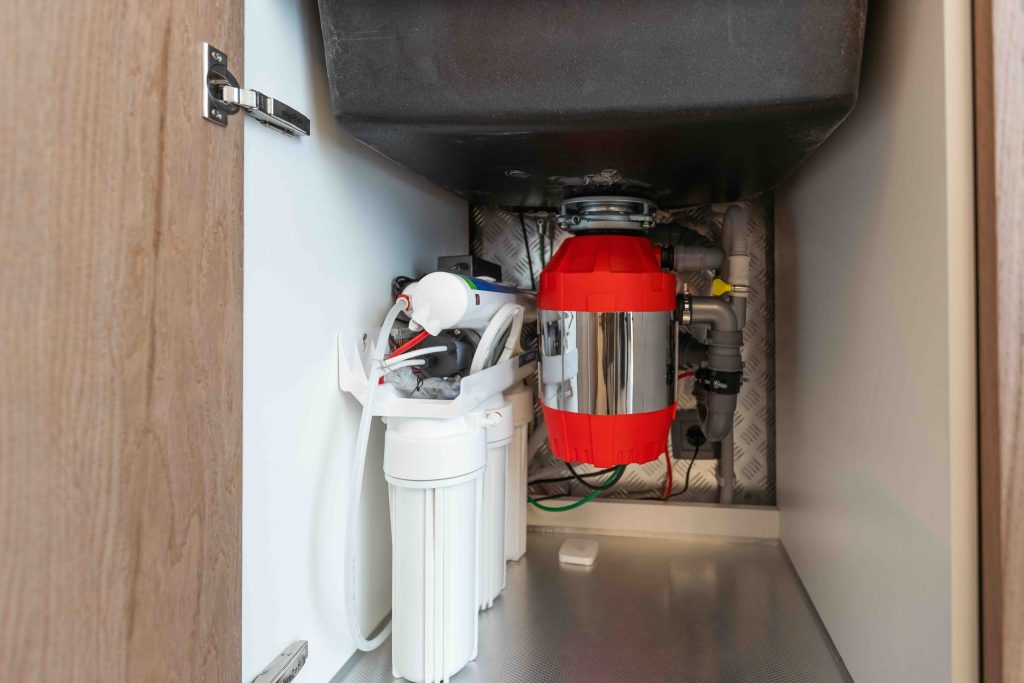
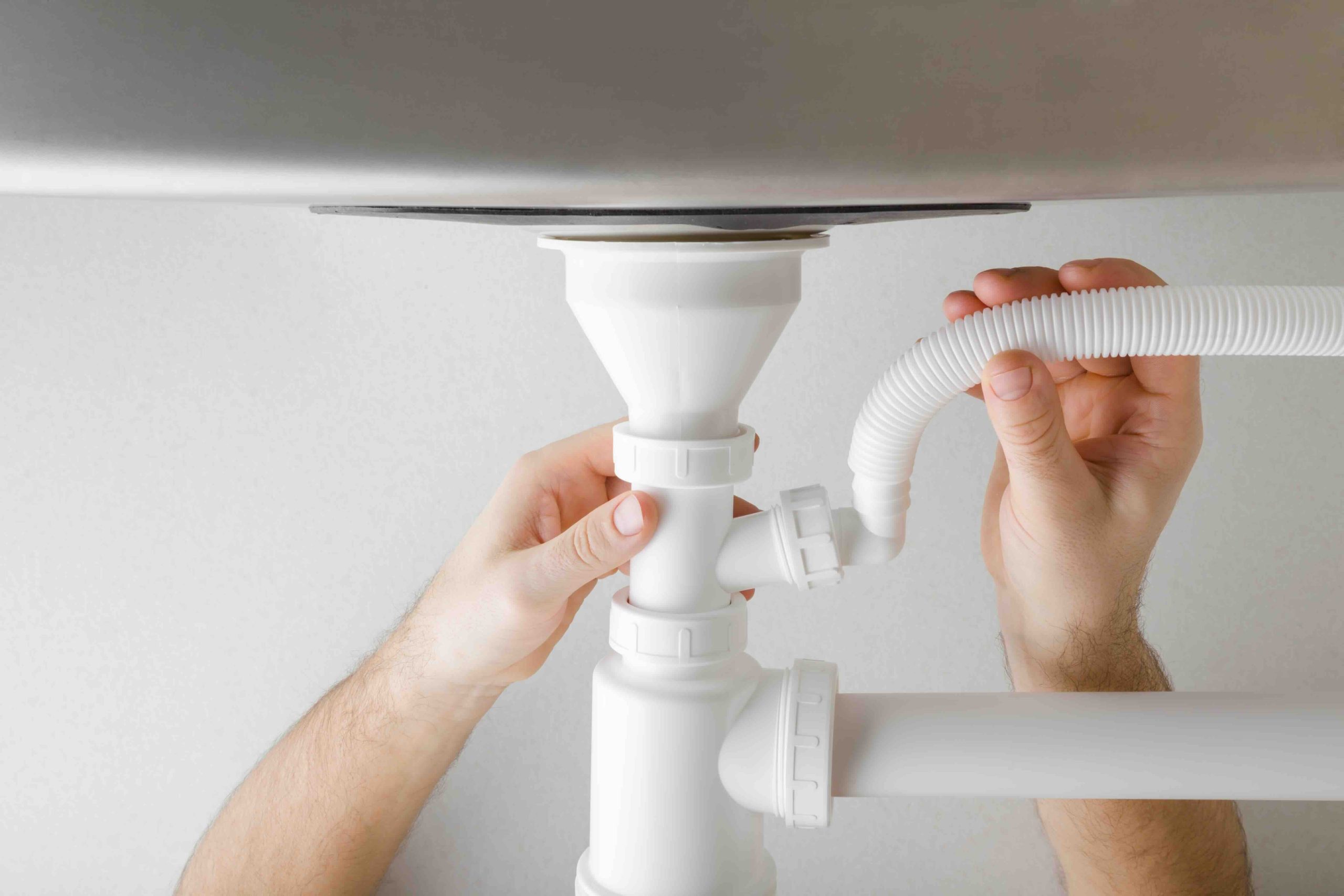
The dishwasher drain hose is a flexible tube — usually made from corrugated plastic or rubber — that carries used water out of the dishwasher tub and routes it toward your home’s drainage system. Depending on how your kitchen is plumbed, it connects to either a garbage disposal unit or directly to the sink drain. During a wash cycle, the dishwasher’s pump pushes water through this hose under pressure. The hose typically loops upward before descending to the drain connection point, a design feature called a high loop or air gap that helps prevent backflow. When that hose becomes restricted or fully blocked, water has nowhere to go — which is exactly when you notice that unwelcome puddle sitting at the base of your machine.
What Causes a Dishwasher Drain Hose to Clog
Clogs in dishwasher drain hoses do not happen overnight. They build gradually, and there are a few common reasons they develop. Food debris is the primary contributor — small particles that make it through the filter and into the drainage line over time. Grease and soap scum are also significant factors, as they coat the interior walls of the hose and create a sticky surface that traps additional buildup. Hard water deposits can narrow the hose opening, and in some cases, mold or mildew growth inside the hose adds to the restriction. Running your dishwasher without pre-rinsing heavily soiled dishes, skipping filter cleanings, and using incorrect detergent amounts all accelerate the clog process.
Signs Your Drain Hose May Be Clogged
Catching a clog early makes a significant difference in how easy it is to resolve. Here are the most reliable indicators that your dishwasher drain hose may be partially or fully blocked:
- Standing water remains in the dishwasher tub at the end of a full cycle
- Gurgling or unusual sounds during or after a drain cycle
- Water backing up into the sink when the dishwasher drains
- A noticeable sewage or foul odor coming from the dishwasher
- The dishwasher displays an error code related to drainage
- Dishes feel dirtier than usual after washing, often due to water not fully evacuating
If you notice one or more of these signs, it is worth investigating sooner rather than later. A partial clog can become a complete blockage quickly, and prolonged standing water can damage the appliance and surrounding cabinetry.

How to Clear a Clogged Dishwasher Drain Hose
Clearing a dishwasher drain hose is something many homeowners can handle on their own, though it does require some comfort with basic appliance maintenance. Start by disconnecting the dishwasher from power and shutting off the water supply. Access the drain hose — typically located behind the kickplate at the bottom of the unit or accessible under the sink. Carefully disconnect the hose from both the dishwasher and the drain connection point, placing a towel or shallow pan underneath to catch residual water. Use a long flexible brush or a gentle flush of water through the hose to dislodge the obstruction. If the hose is heavily built up with grease or debris and cannot be adequately cleaned, replacing it entirely is often the smarter call — hoses are relatively inexpensive.
How to Prevent Dishwasher Drain Hose Clogs
Prevention is always more cost-effective than repair. A handful of consistent habits can dramatically reduce the likelihood of dealing with a clogged drain hose. Scrape food scraps off dishes before loading — this is not about pre-washing, just removing the larger debris. Clean your dishwasher’s filter monthly; it is a small task that makes a big impact on what makes it into the hose. Run a dishwasher cleaning cycle every few months using a manufacturer-approved cleaner or a cup of white vinegar placed in the bottom rack. Also, ensure your drain hose maintains its high loop or that an air gap device is properly installed, as both help prevent backflow and slow-draining issues that contribute to buildup over time.
When to Call a Professional
Some drain hose situations go beyond a straightforward DIY fix. If you have cleared the hose and the dishwasher still is not draining, the issue may lie with the drain pump, the check valve, or the home’s plumbing system itself. Similarly, if the hose shows visible cracks, brittleness, or signs of wear, it needs professional replacement — not just cleaning. A plumber or appliance technician can diagnose whether the problem is isolated to the dishwasher or whether a larger plumbing issue is causing drainage problems throughout the kitchen. Attempting to continue operating a dishwasher with a compromised drainage system can lead to water damage that extends well beyond the appliance itself.
The Real Cost of Ignoring a Clogged Drain Hose
A clogged dishwasher drain hose might seem like a minor annoyance, but the downstream costs can add up quickly. Prolonged standing water inside the dishwasher can corrode internal components, damage the door gasket, and create mold growth that is difficult and expensive to remediate. Water overflow from a severely blocked hose can seep into the cabinet below the sink or beneath flooring, causing structural damage that costs significantly more to address than the original repair. Dishwasher drain pump replacements alone can run between $150 and $350 in parts and labor. Full appliance replacement, depending on the unit, can reach $500 to $1,500 or more. Addressing a clog promptly and maintaining the system consistently keeps those costs from ever becoming your reality.
How a Home Warranty Covers Dishwasher Drainage Issues
This is where things get genuinely useful for homeowners. A quality home warranty plan can cover mechanical and electrical failures in major home appliances, including your dishwasher. If your dishwasher drain pump fails due to normal wear and tear, a home warranty may cover the cost of repair or replacement — parts and labor included. It is important to review what a specific plan covers, as most home warranties distinguish between mechanical failure and issues caused by lack of maintenance. Clogs resulting from neglect may not be covered, which is one more reason consistent appliance care matters. But for component failures that develop over time through normal use — the drain pump, motor, or related electrical components — a home warranty can serve as a meaningful financial buffer.
Why Armadillo Is the Right Home Warranty Partner for Appliance Protection
When a dishwasher drain issue escalates from a simple clog to a failed pump or a damaged component, you want a home warranty provider that moves quickly, covers what matters, and does not bury you in fine print. Armadillo is built for exactly that kind of situation. If you are looking for a home warranty plan that covers dishwasher repairs and major appliance breakdowns, Armadillo offers straightforward coverage with transparent terms and a service experience that actually feels like support. There is no confusing claims process, no endless holds, and no guessing about whether your appliance is covered. When you are ready to protect your home from the kind of unexpected repair costs that a dishwasher failure can create, you can get a free home warranty quote for dishwasher and appliance coverage in just a few minutes. Armadillo was designed around the reality that homeownership is full of surprises — and the goal is to make sure none of them become financial emergencies.

Frequently Asked Questions About Dishwasher Drain Hose Clogs
Answers to the questions homeowners ask most when dealing with dishwasher drainage problems.
What causes a dishwasher drain hose to clog?
The most common causes are food debris buildup, grease accumulation, soap scum deposits, and hard water minerals that narrow the interior of the hose over time. Skipping regular filter maintenance accelerates the process.
How do I know if my dishwasher drain hose is clogged versus another component failing?
If standing water remains after a cycle, start by checking the hose and filter for blockages. If the hose is clear but the machine still does not drain, the issue may be the drain pump, check valve, or a plumbing connection at the sink or disposal.
Can I clean a dishwasher drain hose without removing it?
Running a cleaning cycle with a commercial dishwasher cleaner or white vinegar can help with minor buildup, but a significant clog typically requires removing and manually clearing or replacing the hose for a full resolution.
How often should I clean my dishwasher drain hose?
A thorough inspection and cleaning of the drain hose is recommended at least once a year. Regular filter cleaning every three to four weeks helps reduce the frequency of deeper hose maintenance.
How much does it cost to replace a dishwasher drain hose?
The hose itself usually costs between $10 and $30. If a technician performs the replacement, total labor and parts typically range from $75 to $200 depending on your location and appliance model.
Does a home warranty cover dishwasher drain hose repairs?
Coverage varies by provider and plan. Most home warranties cover mechanical component failures — such as a failed drain pump — but may not cover clogs attributed to neglect. Reviewing your specific policy terms is the best way to confirm what is included.
Is standing water in a dishwasher dangerous?
Prolonged standing water creates conditions for mold and mildew growth inside the appliance. It can also cause corrosion of internal components and eventually lead to overflow, which may damage adjacent cabinetry or flooring.
What is a dishwasher high loop and why does it matter for drainage?
A high loop is a design practice where the drain hose is routed upward before connecting to the sink drain. This elevation helps prevent dirty water from siphoning back into the dishwasher and reduces backflow-related drainage problems.
Can a clogged dishwasher drain hose damage other appliances or plumbing?
Yes. If the clog causes water to back up through the connection to a garbage disposal or sink drain, it can create pressure issues that affect connected plumbing. Overflow can also cause water damage to surrounding structures.
When should I replace my dishwasher drain hose entirely instead of cleaning it?
If the hose shows visible cracks, brittleness, persistent odor after cleaning, or recurring clogs in the same location, replacement is the more reliable long-term solution rather than repeated cleaning attempts.