
That Humming Sound Is Telling You Something Important
You flip the switch, and instead of the satisfying grind of your garbage disposal doing its job, you get a low, steady hum. Nothing moves. Nothing happens. Just that maddening buzzing sound that means something is clearly wrong but not obviously broken. This is actually one of the most common garbage disposal complaints homeowners deal with, and the good news is that it is usually diagnosable and, in many cases, fixable without calling a professional on the spot. Understanding why your garbage disposal hums but will not spin is the first step toward solving the problem, and that is exactly what this guide is here to do.
How a Garbage Disposal Actually Works
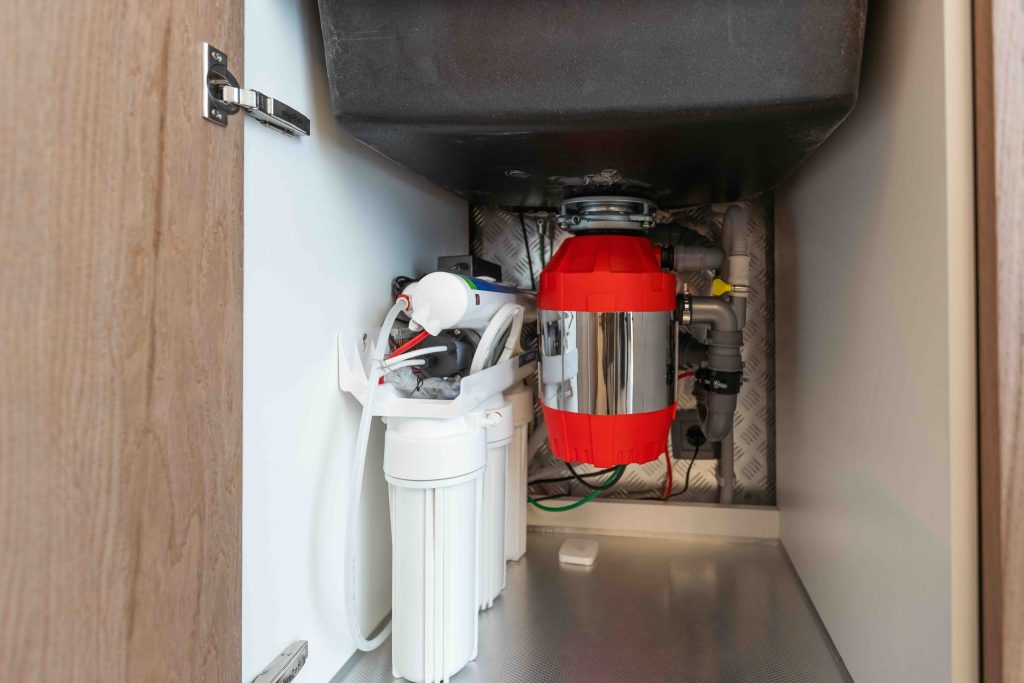
Before jumping into the problem, it helps to understand what is supposed to happen when everything is functioning normally. A garbage disposal is essentially a motorized grinding unit mounted beneath your kitchen sink. When you turn it on, an electric motor spins a plate called an impeller or flywheel at high speed. That spinning motion generates centrifugal force, which pushes food waste against a grind ring on the inner wall of the disposal unit. The friction and force break down the waste into small particles that can safely travel through your drain pipes. The motor is connected to a reset button and internal breaker, and the whole system is designed to handle moderate food scraps, not bones, fibrous vegetables, or large quantities of anything at once. When the motor hums but the flywheel does not spin, that disconnect is the core of the problem.
Why the Disposal Hums But Will Not Spin
The humming sound you hear is the motor receiving electrical power and attempting to run. The problem is that something is physically preventing the impeller from rotating. This is almost always caused by one of two things: a jammed flywheel or a failed capacitor. In the majority of cases, it is a jam. A piece of food, a small utensil, a bone fragment, or even accumulated buildup can lodge itself between the impeller and the grinding ring, locking the plate in place. The motor tries to spin, draws power, hums loudly, but cannot overcome the obstruction. If the jam goes unaddressed for even a short time, the motor’s internal thermal overload protector will trip, cutting power to prevent overheating. That is when you may notice the disposal stops humming entirely and the reset button pops out.
Step-by-Step: How to Diagnose the Problem
If your disposal is humming and not spinning, here is a straightforward process to work through before assuming anything needs to be replaced.
- Turn off the disposal switch immediately to prevent motor damage from overheating.
- Locate the reset button on the bottom of the unit and press it firmly until you feel it click into place.
- Use the hex wrench tool that came with the disposal, or a standard quarter-inch Allen wrench, and insert it into the hex socket on the bottom center of the unit.
- Manually turn the wrench back and forth to free the impeller from whatever is jamming it.
- Use a flashlight to look inside the disposal from above, and use tongs or pliers to remove any visible obstructions. Never use your hand.
- Wait ten minutes for the motor to cool, then press reset again and try running the disposal with cold water flowing.
This process resolves the issue in a large percentage of cases. If the disposal still hums after clearing the jam and resetting, the motor itself may have failed or the start capacitor has gone bad, which requires professional service or full replacement.

Common Culprits Behind a Jammed Disposal
Not all jams are created equal. Some obstructions are obvious, and some are surprisingly subtle. Hard items like small bones, fruit pits, and accidentally dropped utensils are frequent offenders. Fibrous foods like celery, artichokes, and corn husks can wind around the impeller over time and gradually tighten their grip on the mechanism. Grease buildup, while not an immediate jam, can solidify over time and create resistance that eventually becomes a blockage. Even an accumulation of hard mineral deposits from water can cause binding in older units. Understanding what goes into the disposal matters just as much as knowing how to fix it when something goes wrong.
When a Reset Is Not Enough
There are situations where the reset-and-manual-turn approach simply does not solve the problem. If the flywheel moves freely with the hex wrench but the disposal still hums when powered on, the internal capacitor or motor windings may have burned out. This kind of failure typically happens after repeated jamming events where the motor was allowed to overheat multiple times without the thermal protector catching it quickly enough. At this point, you are weighing the cost of a professional repair against the cost of a full disposal replacement. Most garbage disposals range in price from around eighty to three hundred dollars depending on the motor horsepower and brand, and labor costs can add another seventy-five to one hundred fifty dollars on top of that.
Repair vs. Replace: How to Think Through the Decision
The age of your disposal matters here. Most garbage disposals have a functional lifespan of eight to fifteen years with reasonable use and maintenance. If the unit is within the first few years of its life and the issue is a burned capacitor, repair can make financial sense. If the unit is over ten years old and experiencing motor failure, replacement is almost always the smarter investment. Newer models are more energy efficient, quieter, and come with better warranty coverage from the manufacturer. That said, a repair or replacement is still an unplanned expense, and that is where having a home warranty in place starts to look like a very practical idea.
Preventing Future Jams and Motor Stress
Once your disposal is back in working order, a few habit changes can significantly extend its life and prevent repeat issues.
- Always run cold water before, during, and for about thirty seconds after using the disposal. This helps flush waste through the drain and keeps the motor cool.
- Cut large food scraps into smaller pieces before feeding them into the disposal rather than forcing everything in at once.
- Avoid putting hard items, fibrous vegetables, starchy foods like potato peels, or large amounts of grease down the disposal.
- Run the disposal regularly, even if you do not have food waste. This keeps the impeller moving freely and prevents corrosion buildup on internal components.
- Clean the disposal monthly by grinding ice cubes with a small amount of coarse salt, then following with cold water and a few citrus peels to reduce buildup and odor.
What Home Warranties Say About Garbage Disposals
Home warranty coverage for garbage disposals varies by provider and plan, so it is worth reading the fine print carefully. Many standard home warranty plans do include garbage disposals as a covered appliance, typically covering mechanical and electrical failures that occur from normal wear and use. Jams caused by misuse, such as putting improper items down the drain, are often excluded. Motor failure, capacitor failure, and internal electrical issues are more likely to fall under covered repairs. If a covered disposal cannot be repaired, many home warranty providers will replace it with a comparable unit. Knowing this before something breaks puts you in a much stronger position as a homeowner.
Why Armadillo Is the Right Choice When Your Disposal Stops Working
Dealing with a garbage disposal that hums but refuses to spin is frustrating enough without having to scramble for a technician and negotiate repair costs on the fly. That is exactly the scenario that Armadillo home warranty coverage for kitchen appliances and home systems is built to address. Armadillo offers straightforward, transparent plans that cover the kinds of mechanical failures homeowners actually encounter, including garbage disposal motor failures, without burying the important details in confusing policy language. When something breaks, you want to make one call, not ten. If you are ready to stop worrying about what the next unexpected repair will cost, get a free home warranty quote to protect your garbage disposal and other major home systems and find out exactly what kind of coverage makes sense for your home. Peace of mind is a reasonable thing to want, and it should not be complicated to find.

Frequently Asked Questions About a Garbage Disposal Humming But Not Spinning
Why is my garbage disposal humming but not spinning?
The humming sound means your disposal motor is receiving power but cannot rotate the flywheel. This is almost always caused by a jam from food debris, a small object, or buildup lodged between the impeller and the grinding ring.
Is it safe to keep running a humming garbage disposal?
No. You should turn it off immediately. Running a disposal with a jammed impeller causes the motor to overheat, which can permanently damage the motor or trip the internal thermal overload protector.
What does the reset button on a garbage disposal do?
The reset button is a built-in thermal overload protector. When the motor overheats from a jam or excessive use, it trips and cuts power to the motor. Pressing the reset button restores power once the motor has cooled down.
How do I manually unjam my garbage disposal?
Insert a quarter-inch hex Allen wrench into the socket on the bottom center of the disposal unit and turn it back and forth to manually rotate the impeller and free the jam. Then use tongs to remove any visible debris from inside the unit before resetting and restarting.
Can a garbage disposal be repaired, or does it need to be replaced?
It depends on the nature of the failure and the age of the unit. Jams are typically fixable at home. Motor or capacitor failures in older units usually make replacement the more cost-effective choice, while repairs may make sense for newer units still within their useful lifespan.
Does a home warranty cover a garbage disposal that will not spin?
Many home warranty plans cover garbage disposal failures caused by mechanical breakdown or motor failure under normal use. Damage resulting from misuse, such as jamming caused by improper items, may be excluded. Review your specific plan terms for details.
How long does a garbage disposal typically last?
Most garbage disposals last between eight and fifteen years depending on usage frequency, maintenance habits, and the quality of the unit. Regular cleaning and avoiding hard or fibrous foods can extend the lifespan significantly.
What foods should never go in a garbage disposal?
Avoid putting hard items like bones and fruit pits, fibrous foods like celery and corn husks, starchy items like potato peels, large amounts of grease or oil, and non-food items down the disposal. These are the most common causes of jams and motor strain.
Why does my garbage disposal hum and then stop?
If the disposal hums briefly and then stops completely, the thermal overload protector has likely tripped due to motor overheating from the jam. Allow the unit to cool for ten minutes, press the reset button on the bottom of the unit, and then attempt to restart it with cold water running.
How much does it cost to repair or replace a garbage disposal?
Garbage disposal units range from approximately eighty to three hundred dollars depending on motor size and brand. Professional installation or repair labor typically adds seventy-five to one hundred fifty dollars. Total replacement costs commonly fall between one hundred fifty and four hundred fifty dollars without warranty coverage in place.