What Is an AC Winter Cover and Why Does It Matter for Your Home?
If you have a central air conditioning system or a window unit, you have probably heard someone mention covering it up before winter hits. That someone was not wrong. An AC winter cover is exactly what it sounds like — a protective cover designed to shield your air conditioning equipment from cold weather, debris, moisture, and general seasonal punishment. It sounds simple, and in a lot of ways it is. But there is more going on here than just throwing a tarp over a machine and calling it a day. Done right, winterizing your AC unit can extend its lifespan, reduce repair costs, and keep your system running efficiently when warm weather rolls back around.
How AC Winter Covers Actually Work
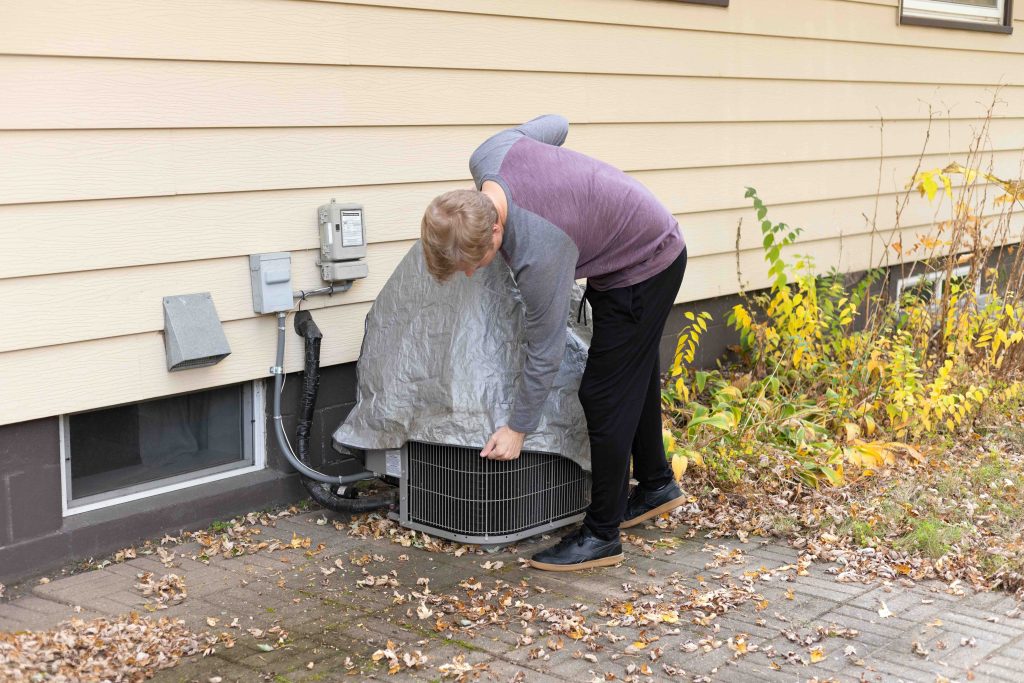
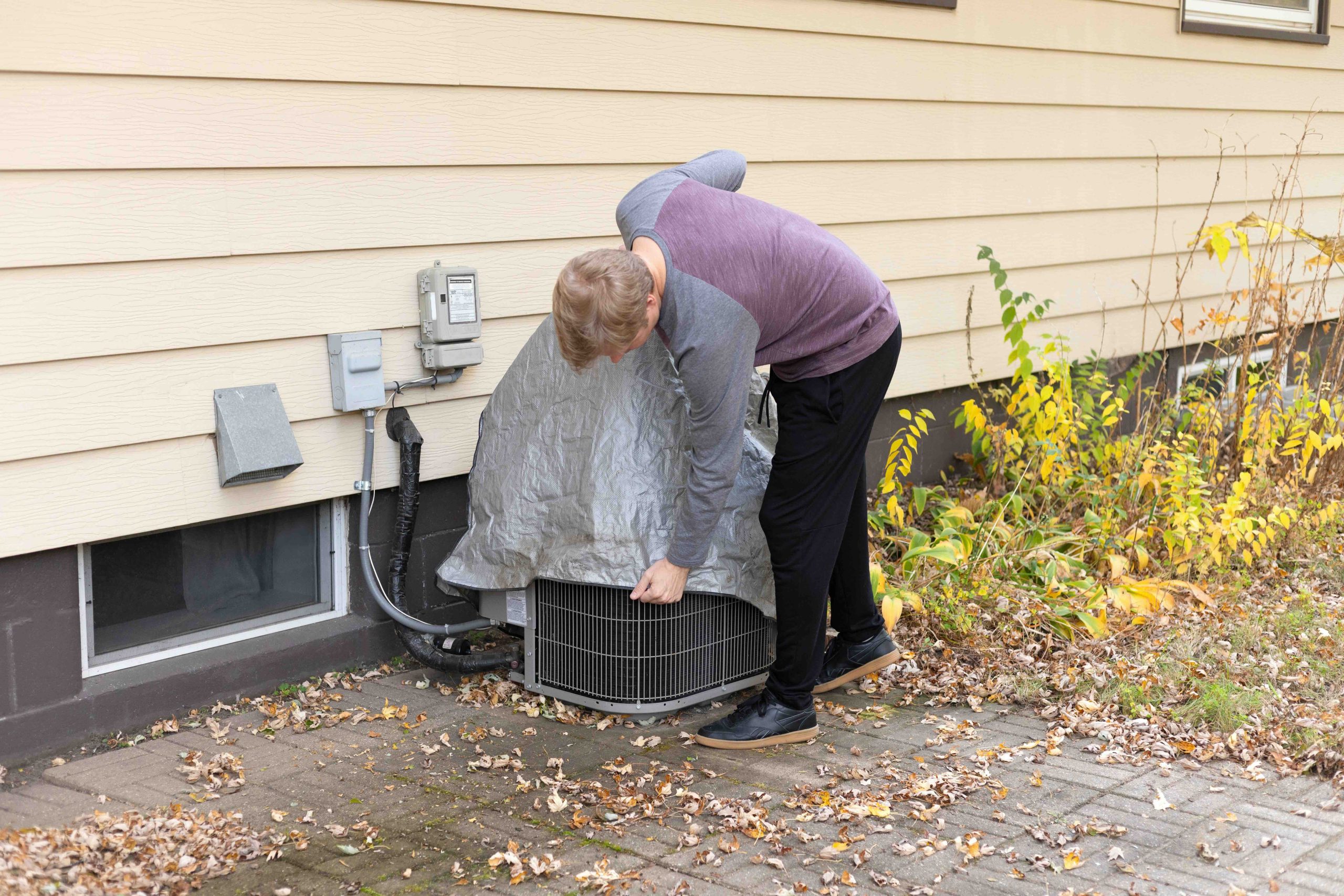
The basic function of an AC winter cover is to act as a physical barrier between your equipment and the elements. For window units, that usually means a fitted foam or fabric sleeve that wraps around the interior-facing side of the unit to block drafts and cold air from leaking into your home. For central air condenser units — the large boxy or cylindrical units that sit outside — covers are typically heavy-duty polyester or vinyl materials that drape over the top and sides of the unit. The goal is to prevent leaves, ice, rodent nesting, and standing water from working their way into the system’s internal components. Some covers are basic and budget-friendly. Others are more fitted and weatherproof, designed specifically for your unit’s dimensions and brand.
The Real Advantages of Covering Your AC Unit in Winter
There are several solid reasons homeowners choose to cover their AC units during the off-season. Here is what the practice genuinely offers:
- Protection from falling debris like branches, acorns, and leaves that can clog fan blades and coils
- Reduced risk of ice and frost buildup directly on sensitive internal parts
- Prevention of pest infiltration — mice, insects, and other small creatures love a warm, sheltered machine to nest in
- Minimized corrosion and rust on metal components exposed to wet winter conditions
- Better overall system longevity when the unit is consistently maintained and protected
Those are not trivial benefits. HVAC repairs can run into the hundreds or even thousands of dollars. A cover that costs twenty to sixty dollars can absolutely be the difference between a system that lasts fifteen years and one that starts showing problems at ten.
Common Drawbacks and Misconceptions to Know Before You Buy
Here is the part most articles skip past too quickly. AC winter covers, when used incorrectly, can actually cause problems. One of the biggest concerns is moisture trapping. If a cover seals too tightly without adequate ventilation, condensation can accumulate inside and create conditions that promote rust and mold — the exact things you were trying to avoid. There is also the issue of animals. A cover that is not properly secured can become a cozy invitation for rodents to chew through wiring and build nests. And for central condenser units, some HVAC professionals argue that covering the unit entirely is unnecessary because these systems are already built to withstand outdoor conditions year-round. The debate is real, and it is worth knowing both sides.

Window AC Units vs. Central AC Units: Different Needs, Different Covers
Not all AC equipment is treated the same when winter arrives, and that distinction matters. Window air conditioners are particularly vulnerable to cold air infiltration because they sit in an open window frame. Even with the unit turned off, cold air can seep around and through it into your living space, raising your heating bill in the process. An interior window AC cover addresses this directly by insulating that gap. Central air condenser units are a different story. These are built rugged and designed to handle precipitation and temperature swings. A top cover or mesh screen that keeps debris out without sealing the unit entirely is often the smarter choice here. Full wraps that suffocate the unit can lead to the moisture issues mentioned earlier, so partial coverage with good airflow tends to be the recommendation most HVAC technicians stand behind.
What to Look for When Choosing the Right AC Winter Cover
Shopping for an AC cover is not complicated, but a few key factors will help you make a better choice. Material quality matters most — look for UV-resistant, waterproof fabrics that can hold up against wind without tearing. Fit is equally important. A cover that is too loose will blow off in a storm or let moisture pool underneath it. A cover that is too tight will trap condensation. Ideally, you want something sized precisely for your unit’s dimensions, with a secure fastening mechanism like elastic hems or adjustable buckle straps. Breathability is also worth prioritizing for central condenser covers specifically. Mesh-style covers that keep debris out while allowing airflow tend to outperform solid vinyl wraps in terms of long-term equipment health.
Step-by-Step Tips for Winterizing Your AC the Right Way
Getting this process right does not require a professional — but it does require a little attention to detail. Here is a practical approach for most homeowners:
- Clean the unit thoroughly before covering it — remove leaves, dirt, and debris from fins and coils
- Let the unit dry completely before applying any cover to prevent moisture from being sealed inside
- Turn off the power to the unit at the disconnect box or circuit breaker before covering
- Choose a cover rated for outdoor use if you are covering a condenser unit
- Check the cover periodically throughout winter — wind and weather can shift or damage it
- Remove the cover promptly in spring before running the unit for the first time
That last point is more important than it sounds. Running an air conditioner with a cover still on it can damage the fan motor and restrict airflow in ways that strain the entire system. Mark it on your calendar if you need to.
How AC Winter Covers Fit Into Broader Home Maintenance Planning
Winterizing your AC unit is one piece of a larger seasonal maintenance picture. It connects directly to how well your HVAC system performs, how long it lasts, and what kinds of repair bills you face down the road. Homeowners who treat seasonal maintenance as a checklist item rather than an afterthought consistently report fewer emergency repairs and more predictable system performance. The AC cover is a small line item in that checklist, but it signals a mindset — one that protects investments proactively rather than reacting to breakdowns. That mindset also happens to pair naturally with having the right financial safety net in place for the times when maintenance is not enough.
Why Home Warranty Coverage Matters for Your AC System
Even the most diligently maintained air conditioning system can develop mechanical failures that have nothing to do with neglect. Compressors wear out. Capacitors fail. Refrigerant lines develop leaks. These are not consequences of skipping a winter cover — they are simply what happens when complex mechanical systems age. A home warranty plan that includes HVAC coverage can be the difference between a manageable service call and an unexpected multi-thousand-dollar repair. For homeowners who rely on central air during peak summer months, having that coverage in place before something goes wrong is a straightforward financial decision.
Protect Your AC System Year-Round with the Right Coverage Partner
Covering your AC unit for winter is a smart, low-cost step that any homeowner can take. But protecting your HVAC investment across every season — including the ones when it is working hardest — requires a more comprehensive approach. That is where Armadillo home warranty plans for HVAC systems and major appliances come in. Armadillo offers straightforward, homeowner-friendly coverage that takes the financial sting out of unexpected breakdowns, including those that affect your central air conditioning system. If your AC compressor gives out on the hottest week of the year, the last thing you want is to scramble for a repair budget. Instead, you can get a free home warranty quote for AC and HVAC coverage today and head into every season with the confidence that your systems are protected. Armadillo makes the process simple, the pricing transparent, and the coverage real.

Frequently Asked Questions About AC Winter Covers
Here are answers to the questions homeowners ask most often about protecting their air conditioning systems during the colder months.
Should I cover my central AC unit in winter?
It depends on your climate and unit type. A top cover or mesh debris shield is generally recommended to keep leaves and ice out, but full wraps that seal the unit entirely can trap moisture and cause corrosion. Consult your HVAC manufacturer’s guidelines for the most accurate recommendation for your specific unit.
Can I leave my window AC unit in the window all winter?
You can, but it is not ideal. Window units left in place during winter can allow cold drafts to enter your home and may be exposed to ice and moisture damage. If removal is not practical, an interior insulating cover will significantly reduce heat loss and protect the unit.
What happens if I run my AC with the cover still on?
Running any AC unit with a cover on can restrict airflow, overheat the motor, and cause serious mechanical damage. Always remove the cover completely before operating the system, and do a visual check before the first use each spring.
Are AC covers a standard part of home warranty coverage?
AC covers themselves are not typically covered by home warranty plans since they are considered preventative accessories rather than mechanical components. However, the air conditioning system and its mechanical parts are commonly included in HVAC coverage within home warranty plans.
How do I know what size cover to buy for my condenser unit?
Measure the height and diameter or width of your condenser unit before purchasing a cover. Most manufacturers list compatible unit dimensions on their packaging. A snug but not airtight fit with secure fastening straps is what you are aiming for.
Do AC covers prevent rodent damage?
A properly fitted and secured cover can deter small animals from nesting in your unit. However, a loose or unsealed cover may actually attract rodents by providing easy shelter. Look for covers with tight-fitting bases or elastic hems that close off entry points.
How often should I check my AC cover during winter?
Checking your cover after any significant storm or high-wind event is a good practice. Wind can shift or partially remove covers, leaving sections of the unit exposed. A quick visual inspection every few weeks throughout winter is sufficient for most climates.
Is it worth buying a cover for a newer AC unit?
Yes. Even new units benefit from protection against debris and moisture during months when they are not in use. Preventative maintenance from the start is one of the most reliable ways to maximize the lifespan of your equipment and minimize long-term repair costs.
Can an AC winter cover void my warranty?
Using a properly fitted, non-restrictive cover typically does not void a manufacturer’s warranty. However, damage caused by moisture trapped under an improperly installed cover could be contested. When in doubt, check your unit’s warranty documentation or contact the manufacturer directly.
When should I remove my AC cover in spring?
Remove the cover as soon as temperatures consistently rise above freezing and before you plan to run the system for the first time. Running the unit even briefly with a cover in place risks motor and component damage, so removal should happen before any system testing or activation.