What Is a DIY Kitchen Vent Hood and Why Does It Matter?
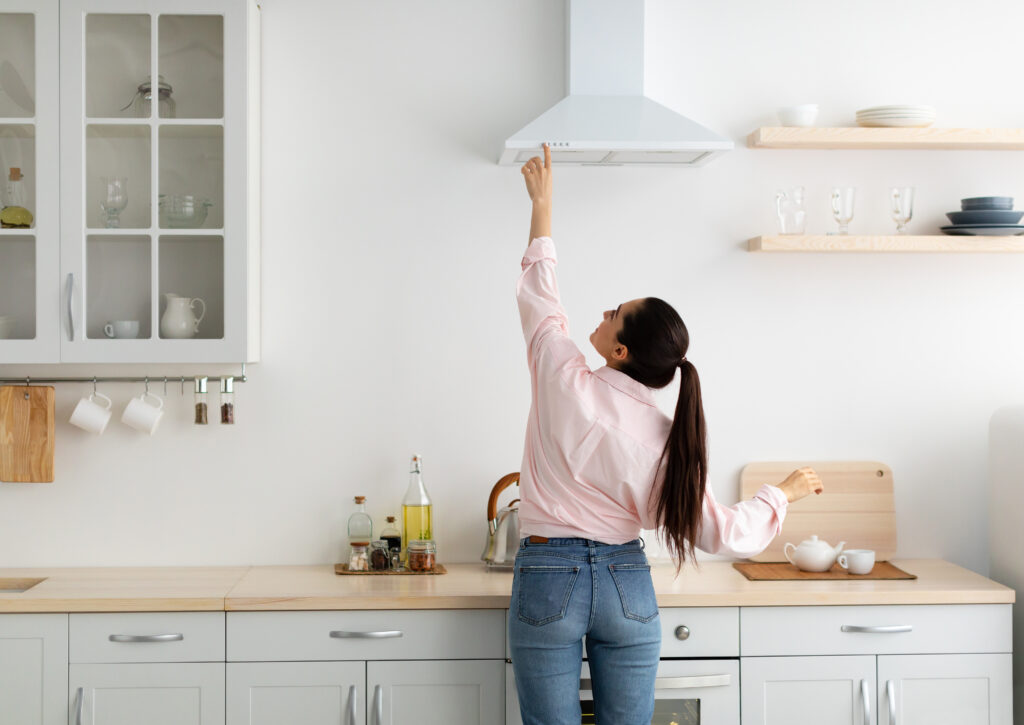
If you have ever stood over a hot stove while smoke curls toward your ceiling and grease mist coats your cabinets, you already understand the problem a kitchen vent hood is designed to solve. A kitchen vent hood, sometimes called a range hood, is an appliance mounted above your cooktop that captures heat, smoke, steam, airborne grease, and cooking odors before they spread through your home. A DIY kitchen vent hood takes that concept one step further — it is a hood system that a homeowner installs themselves, rather than hiring a contractor to do it. That distinction matters quite a bit when you are thinking about cost, customization, and yes, your home warranty coverage.
How a Kitchen Vent Hood Actually Works
The basic mechanics are not complicated, which is part of why DIY installation is so appealing. A vent hood uses a motorized fan, sometimes called a blower, to draw air upward from the cooking surface. That air passes through one or more filters — either mesh grease filters, baffle filters, or charcoal filters depending on the system — before either being exhausted outside through ductwork or recirculated back into the kitchen after filtration. Ducted vent hoods vent air to the exterior of the home and are generally more effective at removing moisture and odors. Ductless or recirculating hoods filter the air and push it back into the room, making them easier to install but somewhat less powerful overall. Understanding which type fits your kitchen layout is one of the first decisions you will make in a DIY project like this.
Types of DIY Kitchen Vent Hoods to Know
Not every hood suits every kitchen, and the variety of options is wider than most homeowners expect when they first start researching. Here are the main types you are likely to encounter:
- Under-cabinet vent hoods: Mounted beneath upper cabinets directly above the cooktop, these are among the most common and easiest to install as a DIY project.
- Wall-mount chimney hoods: These attach to the wall and extend upward like a chimney, making a visual statement while handling serious ventilation work.
- Island hoods: Suspended from the ceiling above a kitchen island cooktop, these are more complex to install and require careful structural planning.
- Insert or liner hoods: Designed to be built into custom cabinetry, these allow for a fully integrated look but require precise cabinetry work.
- Downdraft hoods: These rise up from behind or beside the cooktop and pull air downward rather than upward — a less conventional but sometimes practical option.
The Real Benefits of Installing Your Own Kitchen Vent Hood
The appeal of a DIY kitchen vent hood installation goes well beyond saving money, though that is certainly a factor. Homeowners who take on this project gain direct control over the selection process — choosing a hood that matches their kitchen aesthetic, meets their CFM (cubic feet per minute) requirements, and fits within the exact dimensions of their space. Labor costs for professional range hood installation can run anywhere from a few hundred dollars to significantly more depending on complexity, so handling it yourself can represent meaningful savings. Beyond cost, there is a real satisfaction in knowing your kitchen ventilation system was installed to your exact specifications. For homeowners who enjoy hands-on home improvement, this is a project that delivers a visible, functional result.
Common Challenges and Drawbacks You Should Anticipate
Here is where it is worth slowing down and thinking carefully. DIY kitchen vent hood installation is manageable for many homeowners, but it is not without its complications. Ducted hoods require running ductwork through walls or ceilings, which can involve cutting through drywall, navigating insulation, and ensuring the duct exits the home properly. Electrical connections must meet local code requirements — and if your existing wiring does not support the hood’s power needs, you may need an electrician regardless of how handy you are. Island hood installations add structural complexity because the hood must be anchored to ceiling joists or a dedicated support structure. Miscalculations in any of these areas can lead to poor performance, moisture damage, or safety hazards. Permits may also be required in your area, so checking with your local building department before starting is genuinely important, not just a formality.

Key Specifications to Understand Before You Buy
Shopping for a vent hood without understanding the specifications is a recipe for regret. CFM rating is the most critical spec — it tells you how much air the hood can move per minute. A general rule of thumb is that you need at least 100 CFM for every 10,000 BTUs your cooktop produces. Most residential cooktops fall somewhere between 40,000 and 60,000 total BTUs, so a hood rated between 400 and 600 CFM is a reasonable starting point for many kitchens. Noise level, measured in sones, matters too — a hood rated at 6 or more sones will be noticeably loud during operation. Filter type, size compatibility with your cooktop width, and whether the unit supports makeup air requirements in tightly sealed homes are all worth researching before you commit to a purchase.
Step-by-Step Overview of the DIY Installation Process
While every installation varies depending on hood type and kitchen layout, the general process follows a predictable sequence. You begin by turning off electrical power to the work area and confirming your mounting location is structurally sound. Next, you mark and cut any ductwork openings if the hood is ducted. The hood bracket or mounting plate is secured to the wall, cabinet, or ceiling according to the manufacturer’s instructions. Ductwork sections are connected and secured with foil tape rather than standard duct tape, which degrades over time. The hood unit itself is then lifted into position and fastened — this step almost always goes better with a second person helping. Finally, electrical connections are made, the unit is tested, and any trim pieces or chimney extensions are installed. Grease filters drop in last and are typically dishwasher safe, which is a nice practical bonus.
How a DIY Kitchen Vent Hood Affects Your Home Warranty
This is the part that many homeowners overlook until something goes wrong. Home warranties are designed to cover the repair or replacement of home systems and appliances when they fail due to normal wear and tear. When it comes to a DIY kitchen vent hood, coverage eligibility often depends on whether the unit was installed according to manufacturer guidelines and local code requirements. A professionally installed range hood that malfunctions may qualify for coverage under a home warranty plan that includes kitchen appliances. A hood that was installed incorrectly, operates outside its design parameters, or causes secondary damage due to improper venting could be a different story. Understanding what your home warranty does and does not cover before you start a DIY project is genuinely useful information — not fine print to ignore.
Practical Tips for a Successful DIY Kitchen Vent Hood Project
A few practical guidelines can make the difference between a project that goes smoothly and one that turns into a weekend-long ordeal. Measure twice — seriously, measure everything twice. Confirm that your chosen hood is compatible with your cooktop width and ceiling height before ordering. Budget for the possibility that your ductwork routing will hit an unexpected obstacle. Keep all installation documentation, including the model number, installation date, and any permits pulled, in a home file. That documentation matters if you ever need to reference warranty coverage, whether from the manufacturer or through a home warranty provider. And if the electrical work feels beyond your skill level, there is no shame in bringing in a licensed electrician for that one piece of the project while handling the rest yourself.
Why Armadillo Is the Right Home Warranty Partner for Hands-On Homeowners
Installing a DIY kitchen vent hood is the kind of investment that deserves protection. You put real time, money, and effort into upgrading your kitchen — and your home warranty plan should reflect that commitment. Armadillo home warranty coverage for kitchen appliances and home systems is built around straightforward terms that homeowners can actually understand, without the runaround that too many warranty providers are known for. If your range hood, HVAC system, plumbing, or other covered systems encounter a problem, Armadillo works to get it resolved without making you jump through hoops. For homeowners who are actively improving their space and want financial protection to match that effort, the smart move is to get a free home warranty quote for kitchen and appliance protection and see exactly what a plan looks like for your home. You already handle the hard work — let a solid warranty handle the unexpected costs.

Frequently Asked Questions About DIY Kitchen Vent Hoods
Answers to the questions homeowners ask most often about range hood installation, performance, and home warranty coverage.
Can a homeowner legally install a kitchen vent hood without a permit?
In many jurisdictions, replacing an existing range hood with a similar unit does not require a permit. However, new installations, ductwork modifications, or electrical work often do. Always check with your local building department before starting to avoid code violations.
What CFM rating do I need for my kitchen vent hood?
A common guideline is 100 CFM for every 10,000 BTUs your cooktop produces. For most residential ranges, a hood rated between 400 and 600 CFM is sufficient. High-output professional-style ranges may require 900 CFM or more.
Is a ducted or ductless vent hood better for a DIY installation?
Ductless hoods are generally easier to install because they do not require cutting through walls or ceilings. However, ducted hoods are more effective at removing moisture, grease, and odors from the kitchen. If your layout allows for reasonable duct routing, a ducted system is the stronger long-term choice.
Will a home warranty cover a DIY-installed range hood?
Coverage depends on the specific warranty provider and plan terms. Many home warranties cover kitchen appliances including range hoods, but may require that the unit was installed in accordance with manufacturer guidelines and local code requirements. Review your plan details or contact your provider before installation.
How high should a range hood be mounted above the cooktop?
Most manufacturers recommend mounting a range hood between 24 and 30 inches above an electric cooktop and between 27 and 36 inches above a gas cooktop. Always follow the specific guidelines in your hood’s installation manual, as requirements vary by model.
How often should range hood filters be cleaned or replaced?
Grease filters should be cleaned approximately every one to three months depending on cooking frequency. Charcoal filters used in ductless hoods are not washable and typically need replacement every three to six months. Neglecting filter maintenance reduces performance and can create a fire hazard.
What tools do I need for a basic DIY vent hood installation?
Most installations require a drill, hole saw or jigsaw for ductwork openings, a stud finder, level, wire stripper, foil duct tape, and basic hand tools. Island or ceiling-mounted installations may require additional equipment for safely working overhead.
Can I convert a ductless range hood to a ducted one later?
Many ductless hoods are designed with ducted conversion in mind and can be adapted if ductwork is added later. Check the manufacturer specifications for your specific model to confirm whether conversion is supported and what components are required.
Does installing a high-CFM range hood require a makeup air system?
In tightly sealed or energy-efficient homes, hoods rated above 400 CFM may create negative air pressure that can affect combustion appliances or cause doors to slam. Some local building codes require makeup air systems for hoods above certain CFM thresholds. This is worth researching before purchasing a high-output unit.
What is the average lifespan of a kitchen vent hood?
A well-maintained range hood typically lasts between 10 and 15 years. Motor longevity depends heavily on how frequently the hood is used and how consistently the filters are cleaned. Homes with heavy daily cooking may see a shorter functional lifespan without regular maintenance.