Does Fan Direction Matter? What Every Homeowner Should Know
It is one of those things most people never think about until someone mentions it at a dinner party or during a home inspection. You look up at your ceiling fan, maybe for the first time in months, and wonder: is it spinning the right way? The answer matters more than you might expect. Ceiling fan direction is a simple setting with real consequences for your comfort, your energy usage, and ultimately your heating and cooling system. And when your HVAC system is working harder than it needs to, that wear adds up fast.
How Ceiling Fans Actually Work
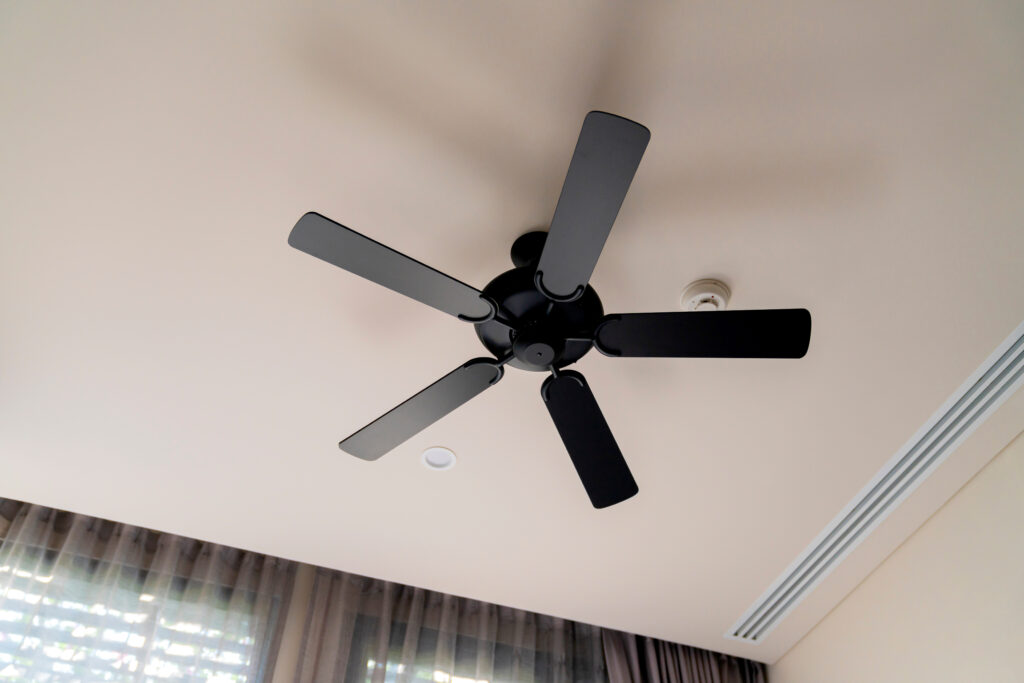
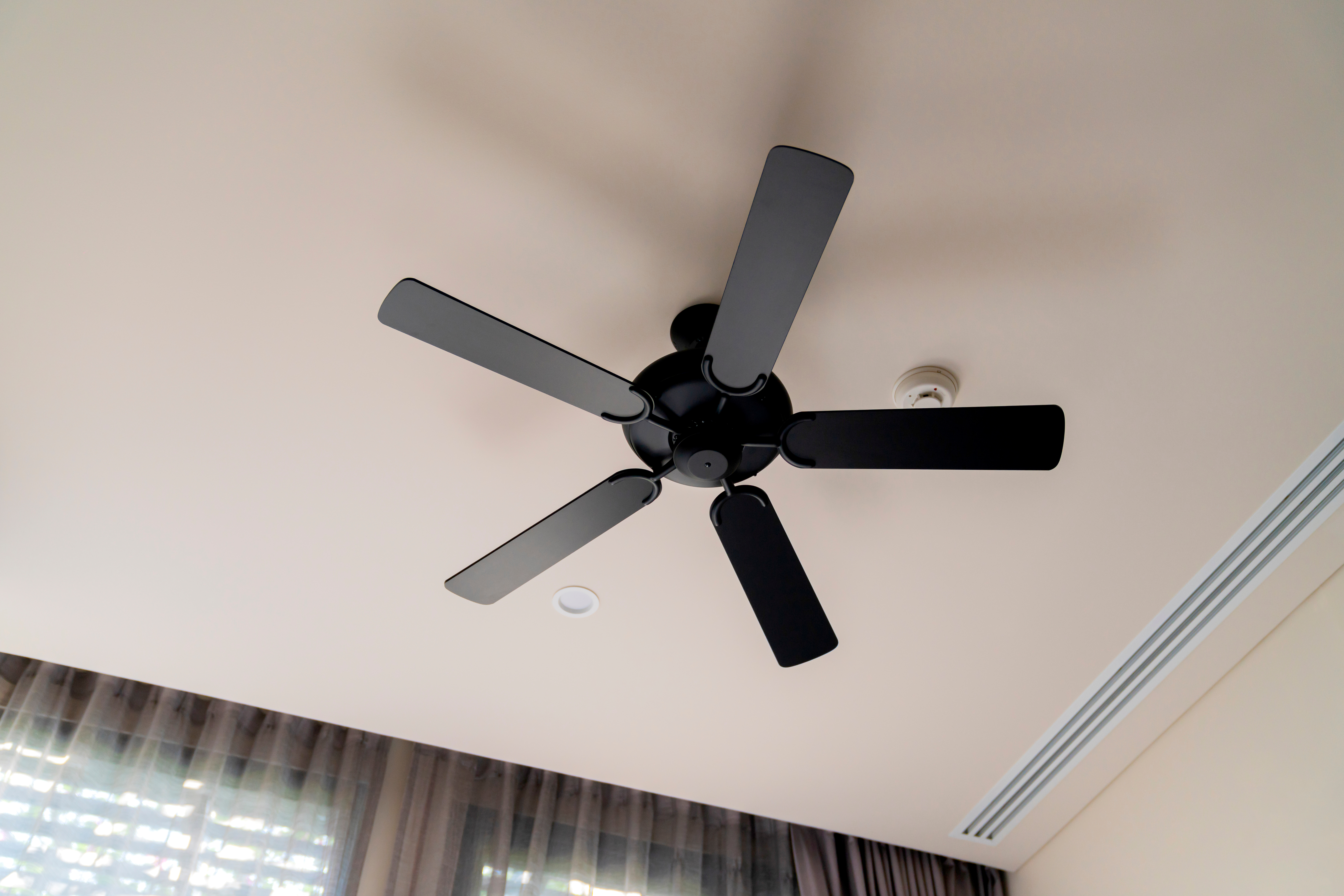
Ceiling fans do not cool or heat the air. That is the most important thing to understand right out of the gate. What they do is move air, and the direction of that movement creates different effects depending on the season. Most ceiling fans have a small switch on the motor housing that changes the blade rotation from counterclockwise to clockwise. Some newer models handle this through a remote or app. Either way, the function is the same: flip the direction, change the airflow pattern, and adjust the feel of a room without touching your thermostat.
Summer Mode: Counterclockwise for a Cooling Effect
In the warmer months, your ceiling fan should spin counterclockwise when viewed from below. This direction pushes air straight down, creating a wind chill effect that makes you feel cooler even when the room temperature has not changed. It is the same basic principle as standing in a breeze. Because you feel cooler, you are less likely to crank the air conditioning, which means your HVAC system gets a bit of a break. Over a full summer, that reduced runtime can make a noticeable difference on your energy bill and the overall wear on your cooling equipment.
Winter Mode: Clockwise to Redistribute Warm Air
This one surprises people. In winter, you actually want your ceiling fan spinning clockwise at a low speed. Warm air rises and tends to collect near the ceiling, which is great for insulation but frustrating when you are sitting on the couch and the floor feels cold. A clockwise rotation at low speed pulls air up toward the ceiling and pushes that trapped warm air down along the walls and back into the living space. Your furnace does not have to work as hard to maintain a consistent temperature, and the room just feels more evenly comfortable.

The Real Impact on Your HVAC System
This is where ceiling fan direction connects to something bigger. Every degree you can adjust on your thermostat without sacrificing comfort represents real savings and reduced mechanical strain. Heating and cooling systems are among the most expensive components in a home to repair or replace, and the leading cause of premature failure is overuse. When your ceiling fans are working with your HVAC system instead of being ignored, you extend equipment lifespan in a meaningful way. It is not a dramatic fix, but it is the kind of small, consistent habit that protects a large investment over time.
Key Benefits of Using the Right Fan Direction
- Reduced strain on heating and cooling systems during peak seasons
- Lower monthly energy bills from reduced thermostat reliance
- More consistent room temperatures without additional equipment
- Extended HVAC system lifespan through lower runtime hours
- Improved comfort in rooms that tend to feel drafty or stuffy
Common Mistakes Homeowners Make With Ceiling Fans
The biggest mistake is leaving the fan on the wrong setting year-round. Many homeowners switch to counterclockwise in May and simply forget about it until the next summer. Running a fan in counterclockwise at high speed during winter creates an uncomfortable downdraft that can actually make rooms feel colder, which might push you to run the heat more. The second most common mistake is running ceiling fans in empty rooms. Fans cool people, not spaces. If no one is in the room, there is no benefit to running the fan. Leaving fans on unnecessarily just adds to your electricity usage without any return.
How to Check and Change Your Fan Direction
Most ceiling fans have a small toggle switch located on the motor housing, usually just below where the blades attach to the body. You will need to turn the fan off completely, let the blades come to a full stop, and then flip the switch. On smart fans or remote-controlled models, there is typically a dedicated direction button. Once you switch it, turn the fan back on at a low speed and observe the airflow. For winter mode, you should not feel a strong downdraft. For summer mode, you should feel a clear column of air moving downward when standing beneath the fan. It takes about thirty seconds and costs nothing.
When Ceiling Fans Become a Warning Sign
- Wobbling or shaking during operation may indicate unbalanced blades or loose mounting
- Clicking or grinding sounds suggest motor wear or debris interference
- Failure to switch directions could point to a faulty direction switch or motor issue
- Overheating motor housing is a potential electrical hazard that requires immediate attention
- Flickering lights on fan-light combos may signal wiring problems rather than bulb issues
Why Armadillo Has Your Back When Small Problems Become Big Ones
Ceiling fans are a low-maintenance way to support your home’s comfort systems, but the appliances and systems behind your comfort are not always so forgiving. When an HVAC unit starts failing because it has been running overtime for years, or a wiring issue from a ceiling fan connection leads to a larger electrical problem, those repairs get expensive quickly. That is where having reliable home warranty coverage changes the equation entirely. Armadillo home warranty plans for HVAC systems and home appliances are built around the idea that homeowners deserve straightforward protection without confusing exclusions or surprise costs. Armadillo covers the systems that matter most so that a single breakdown does not derail your budget or your season. If you have been putting off getting coverage or are not sure what a home warranty actually includes, now is a smart time to explore your options and get a free home warranty quote tailored to your home’s systems and appliances. Small habits like correcting fan direction protect your systems day to day. A home warranty protects you when those systems eventually need professional attention.

Frequently Asked Questions About Ceiling Fan Direction
Which direction should a ceiling fan spin in summer?
In summer, a ceiling fan should spin counterclockwise when viewed from below. This pushes air downward and creates a wind chill effect that makes occupants feel cooler without actually lowering room temperature.
Which direction should a ceiling fan spin in winter?
In winter, a ceiling fan should spin clockwise at a low speed. This pulls cool air upward and forces warm air that has collected near the ceiling back down along the walls and into the living space.
Does ceiling fan direction actually save money on energy bills?
Yes. Using the correct fan direction allows you to rely less on your thermostat, which reduces how often your heating and cooling system runs. This can lower monthly energy costs and reduce wear on expensive HVAC equipment over time.
How do I change the direction of my ceiling fan?
Most ceiling fans have a small toggle switch on the motor housing. Turn the fan off, wait for blades to stop completely, flip the switch, then turn the fan back on. Smart fans and remote-controlled models typically have a direction button in the app or on the remote.
Should I run my ceiling fan if no one is in the room?
No. Ceiling fans create a cooling effect for people, not for rooms. Running a fan in an empty room provides no comfort benefit and simply wastes electricity.
Can running a ceiling fan in the wrong direction make my home less comfortable?
Yes. Running a fan counterclockwise in winter creates a downdraft that makes the room feel colder. This can lead to increased thermostat use and higher heating costs, which is the opposite of the intended effect.
Does ceiling fan direction affect my HVAC system’s lifespan?
Indirectly, yes. When ceiling fans help maintain comfortable temperatures more efficiently, your HVAC system runs fewer cycles. Reduced runtime means less mechanical wear, which can extend the system’s overall lifespan.
What speed should I use for winter ceiling fan mode?
Use the lowest speed setting when running your fan clockwise in winter. The goal is to gently circulate warm air without creating a downdraft. A high speed in clockwise mode can still produce an uncomfortable air movement effect.
Are there ceiling fans that switch direction automatically?
Some smart ceiling fans include seasonal scheduling features that automatically adjust rotation direction based on time of year or temperature data. These are increasingly common in connected home product lines and can be controlled via smartphone apps.
Is ceiling fan direction covered under a home warranty?
Ceiling fan coverage varies by home warranty provider and plan. Some plans include ceiling fan motor repairs or replacements under electrical or appliance coverage. It is worth reviewing your specific plan details to understand what is included for built-in ceiling fans versus portable units.