What Is Radiant Floor Heating and Why Are Homeowners Talking About It
If you have ever stepped onto a cold tile floor on a January morning and immediately regretted every life decision that led to that moment, radiant floor heating might be exactly what your home is missing. This heating method has been around longer than most people realize, but it has gained considerable attention in recent years as homeowners look for more efficient and comfortable alternatives to traditional forced-air systems. The premise is straightforward: instead of blowing warm air through vents and hoping it reaches every corner of the room, radiant floor heating warms a space from the ground up, distributing heat evenly across the entire floor surface.
How Radiant Floor Heating Actually Works
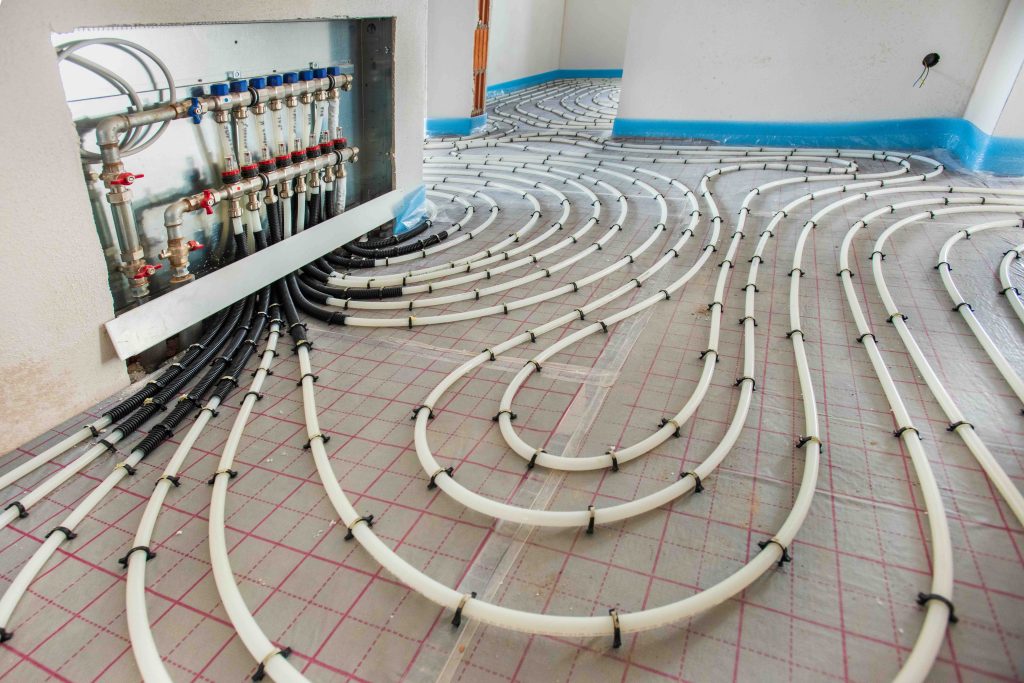
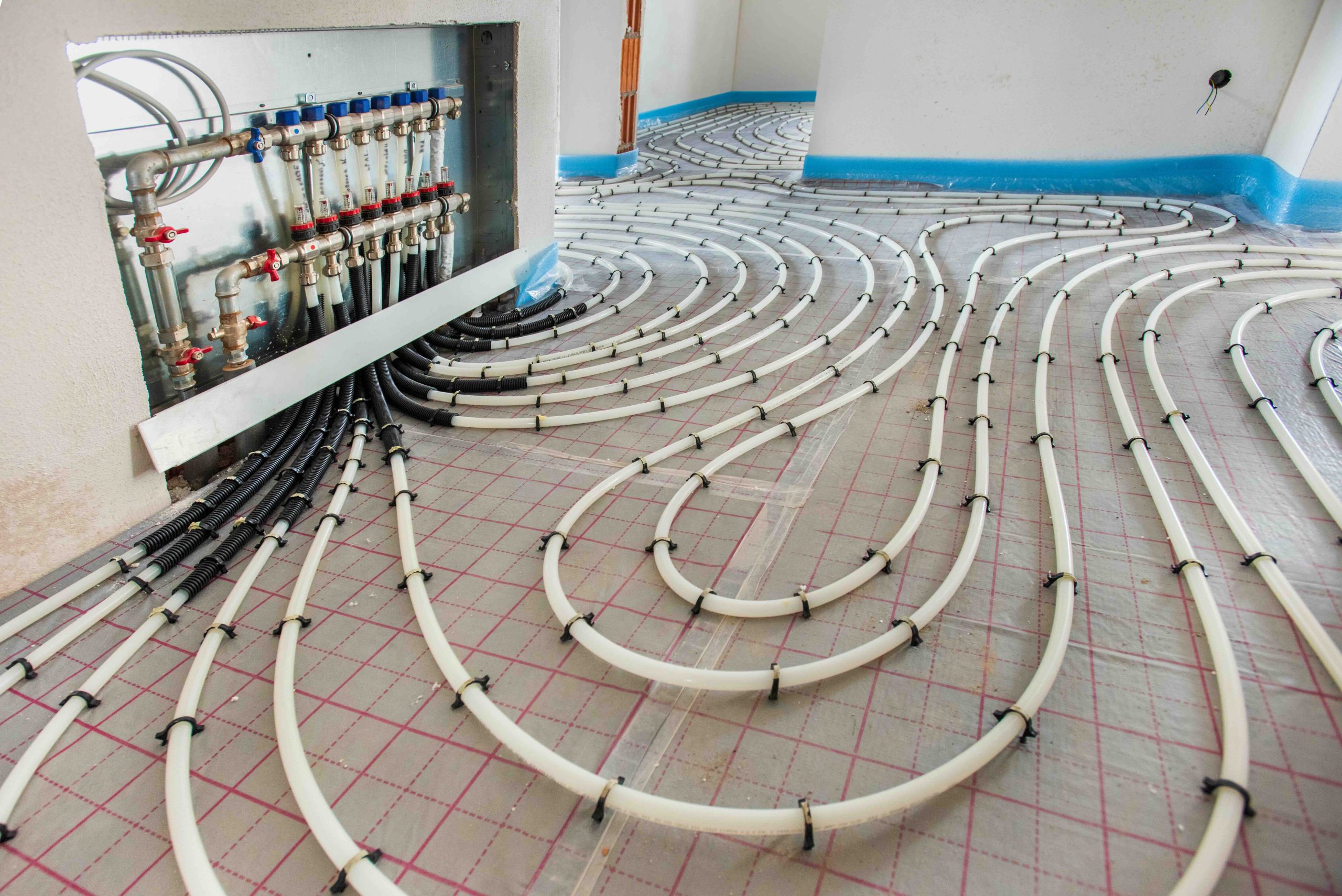
There are two primary types of radiant floor heating systems, and understanding the difference matters when you are trying to figure out which one makes sense for your home. The first is electric radiant floor heating, which uses a series of electric resistance cables or mats installed beneath your flooring. The second is hydronic radiant floor heating, which circulates heated water through a network of tubing laid under the floor. Both systems operate on the same physical principle: heat rises naturally, so when the floor itself becomes a heat source, warmth radiates upward and spreads throughout the room. No ducts, no vents, no cold spots near the windows while the center of the room feels like a sauna. The heat distribution is noticeably more uniform compared to traditional systems, and that consistency is a big part of why homeowners find it so appealing.
Electric vs. Hydronic: Which System Fits Your Home
Choosing between electric and hydronic systems comes down to a few key factors, including your budget, your home’s layout, and how you plan to use the system. Electric radiant systems are generally less expensive to install and work particularly well in smaller spaces, like a bathroom or kitchen, where you want targeted warmth without overhauling an entire heating setup. Hydronic systems, on the other hand, require more upfront investment because they involve a boiler, a pump, and an elaborate tubing network. However, they tend to be more cost-effective to operate over the long term, especially in larger homes where the system runs consistently throughout the heating season. If you are building a new home or completing a major renovation, hydronic radiant heating becomes a much more practical option because the installation disruption is already happening anyway.

The Real Advantages of Heating Your Home From the Floor Up
The benefits of radiant floor heating extend well beyond warm toes, and they are worth examining seriously before you dismiss the system as a luxury upgrade. Here is what homeowners consistently report after making the switch:
- More even heat distribution with no cold zones or hot spots near vents
- Improved energy efficiency because radiant systems operate at lower temperatures than forced-air systems while achieving the same comfort level
- Reduced allergen circulation since there are no ducts blowing dust, pet dander, or pollen around the room
- Near-silent operation compared to the cycling noise of a traditional furnace
- Longer lifespan for hydronic systems, which can last 20 to 35 years with proper maintenance
- Compatibility with a wide range of flooring materials, including tile, stone, engineered hardwood, and certain laminate products
The energy efficiency point deserves a bit more attention. Because radiant systems heat objects and people directly rather than warming air that can escape through gaps in a home’s envelope, they can operate at lower thermostat settings while still feeling comfortable. That means your heating system works less to deliver the same result, which tends to show up favorably on your monthly energy bill.
Common Drawbacks You Should Know Before Installing
No home system is without its limitations, and radiant floor heating is no exception. The installation process can be invasive, particularly in an existing home where finished flooring has to come up before the system goes in. That adds labor costs and the inconvenience of a significant renovation. Electric systems, while cheaper to install, can be expensive to run if you use them as a primary heat source for a large area. And because the floor itself takes time to warm up, radiant systems are not the best fit for spaces where you need instant heat. You set your schedule, the system responds gradually, and that lag time is something to factor into how you manage your home’s thermostat settings. Additionally, not all flooring types work equally well with radiant heat, so carpet with thick padding can significantly reduce the system’s efficiency by acting as an insulating barrier.
What Flooring Works Best With Radiant Heat
Flooring selection is one of the most important decisions you will make if you are planning a radiant floor heating installation. Tile and stone are widely considered the best performers because they conduct heat efficiently and retain warmth longer once the system reaches operating temperature. Engineered hardwood is another solid option, as it handles the slight temperature fluctuations better than solid hardwood, which can expand and contract in ways that lead to warping or gapping over time. Luxury vinyl plank has also become a popular pairing with radiant systems in recent years. The one flooring category to approach with caution is traditional carpet, especially over thick padding. While thin carpet installations can work, the insulating properties of carpet reduce the system’s heat transfer efficiency considerably, which means you end up using more energy to achieve the same comfort level.
Installation Costs and What to Budget For
Cost is often the factor that gives homeowners pause, and it helps to go in with realistic expectations. Electric radiant floor heating systems typically cost between six and sixteen dollars per square foot installed, depending on the system complexity and local labor rates. Hydronic systems are a more substantial investment, often ranging from ten to twenty-five dollars per square foot or more when you factor in the boiler, manifold, tubing, and labor. These numbers can climb quickly in larger homes. That said, the long-term operating savings, particularly with hydronic systems, can make the math work out favorably over a ten to fifteen year horizon. It is worth getting multiple quotes from licensed contractors and factoring in your local energy costs before committing to either system.
Maintenance Requirements and System Longevity
One of the quieter advantages of radiant floor heating is that it does not demand a great deal of regular maintenance. Electric systems have very few moving parts and typically require little more than periodic thermostat checks and occasional professional inspections. Hydronic systems require more attention because the boiler and pump need regular servicing, just like any other water-based heating system in your home. You should plan for annual boiler inspections and occasional checks on the fluid pressure and temperature settings within the system. Bleeding air from the lines is sometimes necessary in hydronic systems, and a qualified technician can handle that quickly. The tubing itself, when properly installed, is remarkably durable and can last for decades without issue.
Why Armadillo Is the Right Home Warranty Partner for Radiant Floor Heating Homeowners
Installing radiant floor heating is a meaningful investment in your home’s comfort and value, and protecting that investment is exactly the kind of thinking that Armadillo home warranty coverage for heating systems and home comfort was built around. When your hydronic boiler develops an unexpected fault or your electric radiant system stops responding, the repair costs can surface at exactly the wrong time. Armadillo offers straightforward, transparent coverage plans designed to handle the real systems that homeowners actually rely on, without the fine-print frustrations that make traditional warranty claims such a headache. If you are ready to protect your radiant floor system and the rest of your home with a plan that makes sense, get a free radiant floor heating home warranty quote from Armadillo today and see exactly what your coverage options look like in just a few minutes.

Frequently Asked Questions About Radiant Floor Heating
These are the questions homeowners ask most often when researching radiant floor heating systems, answered clearly and directly so you can move forward with confidence.
Does radiant floor heating actually heat an entire room effectively?
Yes, radiant floor heating can effectively heat an entire room. Because heat rises evenly from the entire floor surface, the warmth distributes more uniformly than forced-air systems, which tend to concentrate heat near vents and allow cooler pockets to form elsewhere in the room.
Is radiant floor heating energy efficient compared to forced-air heating?
Radiant floor heating is generally more energy efficient than forced-air systems because it operates at lower water or surface temperatures while delivering comparable comfort, and it eliminates the energy losses that occur through ductwork in traditional HVAC systems.
How long does it take radiant floor heating to warm up a room?
Radiant floor heating systems are slower to respond than forced-air systems. Depending on the system type and flooring material, it can take anywhere from 30 minutes to several hours to bring a room to the desired temperature, which is why programmable thermostats are strongly recommended.
Can radiant floor heating be used as the sole heat source in a home?
In many climates, hydronic radiant floor heating can serve as a home’s primary heat source. Electric systems are better suited as supplemental heat for specific rooms or zones. The right answer depends on your climate, home size, insulation quality, and system capacity.
What types of flooring are not compatible with radiant floor heating?
Thick carpet with heavy padding is the least compatible flooring option because it insulates the floor and reduces heat transfer efficiency. Solid hardwood also presents challenges due to its tendency to expand and contract with temperature changes, which can cause warping over time.
How much does it cost to run radiant floor heating monthly?
Operating costs vary widely depending on your climate, energy rates, home insulation, and whether you have an electric or hydronic system. Hydronic systems tend to have lower monthly operating costs in larger homes, while electric systems can be economical for small supplemental zones.
Does radiant floor heating add value to a home?
Radiant floor heating is generally considered a premium feature that appeals to buyers, particularly in colder climates. While it may not always result in a direct dollar-for-dollar return, it can differentiate a home on the market and contribute to a perception of higher quality and comfort.
Is radiant floor heating safe for homes with children or pets?
Radiant floor heating is considered very safe for homes with children and pets. Because the heat source is beneath the floor and there are no exposed heating elements, hot vents, or forced-air blowing through the space, the system presents minimal safety risks in normal operating conditions.
Can radiant floor heating be installed under existing flooring without a full renovation?
In most cases, installing radiant floor heating beneath existing flooring requires removing and replacing that flooring. Some thin electric mat systems can be installed with minimal floor height changes during a flooring update, but a full retroactive installation without any floor disruption is generally not feasible.
Does a home warranty typically cover radiant floor heating systems?
Coverage depends on the specific home warranty plan and provider. Some plans cover the mechanical components of radiant systems, such as the boiler in hydronic setups, while others may exclude certain elements. Reviewing your plan details carefully and asking your provider directly about radiant system coverage is always the right move before assuming protection is in place.