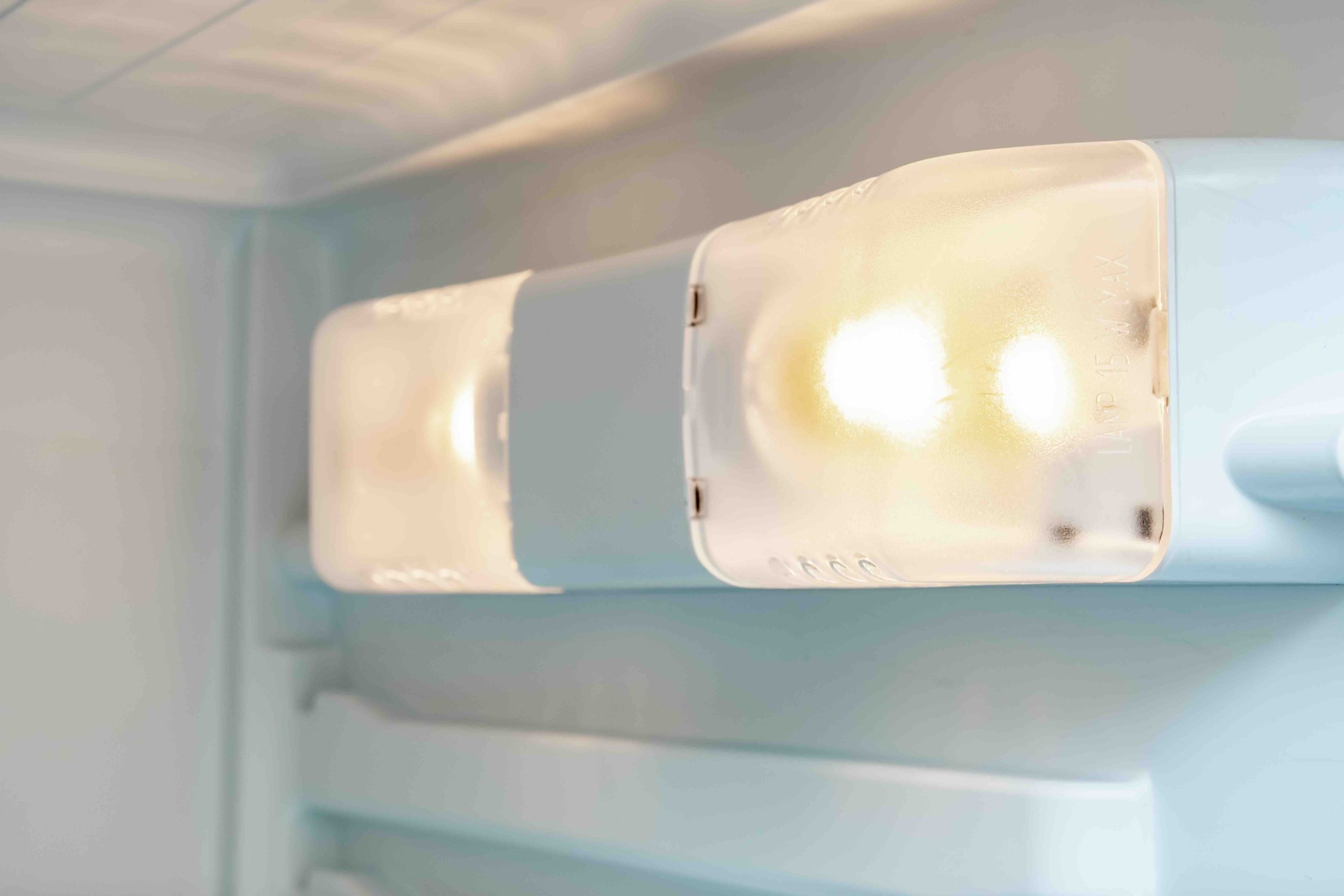
The Small Bulb With a Big Job: What You Need to Know About Your Fridge Light
It is one of those things you never really think about until it stops working. You open the refrigerator door, reach for something cold, and suddenly everything is dark. That little 40-watt fridge lamp does not get nearly enough credit for the role it plays in your daily kitchen experience. But beyond the convenience of being able to see your leftovers at midnight, there is actually a fair amount going on with that small bulb. Understanding how it works, why it matters, and what to do when it fails can save you time, money, and a surprising amount of frustration.
What Exactly Is a Fridge Lamp 40W and Why Does Wattage Matter
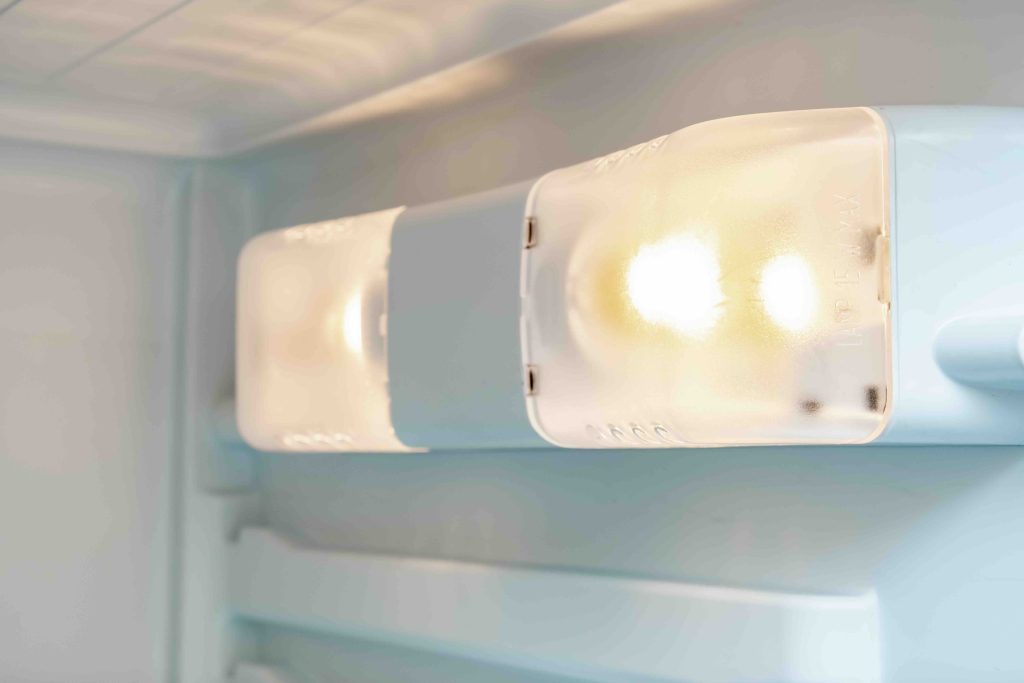
The standard refrigerator appliance bulb has historically been a 40-watt incandescent bulb, sometimes referred to in appliance manuals and parts catalogs as the fridge lamp 40W. It is a compact, usually candelabra or intermediate base bulb designed specifically to function in cold, enclosed environments. The 40-watt designation refers to how much electrical power the bulb consumes, and while that might sound minor, it matters quite a bit in the context of a refrigerator. Unlike a standard room lamp, a fridge bulb needs to handle rapid temperature changes, vibration from the compressor, and a tight fit inside a cavity that was engineered with very little extra space. Not every standard 40W household bulb is built for that.
How Your Refrigerator Light Actually Works
The mechanics here are simpler than people expect. Your refrigerator has a door switch, typically a small button or lever mounted near the door frame. When the door closes, the switch is depressed, cutting power to the light. When you open the door, the switch releases and completes the circuit, turning the light on. The 40W appliance bulb sits in a socket that is wired directly to this switch. In most traditional refrigerators, this is a purely mechanical system with no sensors or smart components involved. The bulb either has a functional filament or it does not. When the filament burns out, the light stops working and you replace the bulb. That said, modern refrigerators are starting to replace incandescent appliance bulbs with LED modules, which changes the replacement equation considerably.
Key Advantages of the 40W Appliance Bulb
There are a few reasons the 40W incandescent appliance bulb has been the default choice in refrigerators for decades, and they are worth knowing about if you are trying to make a good replacement decision.
- Widely available at hardware stores, grocery stores, and online retailers without special ordering
- Inexpensive, usually costing just a few dollars per bulb
- Easy to replace without any tools or technical knowledge
- Produces warm, clear light that accurately represents food colors inside the fridge
- Compatible with a very wide range of older refrigerator models
- Designed to withstand the thermal shock of repeatedly cycling from cold to warm temperatures
The simplicity of the system is its greatest strength. There are no drivers, no circuit boards, no proprietary connectors. You unscrew the old bulb, screw in the new one, and you are done in under a minute.
Common Drawbacks Worth Considering
The 40W incandescent bulb is not without its limitations. Incandescent technology is inherently inefficient, converting a significant portion of electrical energy into heat rather than light. Inside a refrigerator, that heat output works directly against the appliance. Your fridge has to work slightly harder to compensate for the warmth the bulb generates, particularly if the door is left open for extended periods. Over time, this can have a marginal effect on energy consumption. Additionally, incandescent bulbs have a shorter lifespan compared to LED alternatives. The average incandescent bulb lasts somewhere between 1,000 and 2,000 hours, while LED replacements can last 15,000 hours or more. For a bulb that only illuminates briefly during door openings, that lifespan can stretch out over many years, but it will eventually fail.
How to Replace a Fridge Lamp 40W the Right Way
Replacing the bulb is straightforward, but a few details make the difference between a smooth repair and an unnecessary headache. First, always unplug the refrigerator before accessing the bulb or touching any electrical components inside. Then locate the bulb, which is typically behind a plastic cover or lens. That cover usually pops off with gentle pressure or requires a small flathead screwdriver to release a tab. Once exposed, let the old bulb cool for a minute if the fridge was recently in use, then unscrew it counterclockwise. Take the old bulb with you to the hardware store if possible to match the base type and wattage. Install the new bulb, replace the cover, restore power, and verify the switch is functioning properly by opening and closing the door.

When the Problem Is Not the Bulb
Here is where things get a little more interesting. If you replace the fridge lamp 40W and the light still does not work, the bulb was not the culprit. The door switch is the next thing to inspect. A faulty door switch will prevent the light from receiving power even when a functional bulb is installed. You can test this manually by pressing and releasing the switch by hand while observing the light. No response indicates a failed switch, which is a relatively inexpensive fix. If the switch tests fine, the issue could be a wiring problem or, in newer models, a failed LED module or control board component. At that stage, it is worth calling in a technician unless you are comfortable with basic appliance diagnostics.
Incandescent vs. LED Appliance Bulbs: Which Should You Choose
If your refrigerator was manufactured in the last decade or so, there is a reasonable chance it already uses an LED light module rather than a traditional screw-in bulb. But if you have an older model that still uses a 40W incandescent, you do have the option to switch to an LED appliance bulb rated for refrigerator use. LED fridge bulbs are available in the same base configurations and produce comparable light output at a fraction of the wattage. They run cooler, last longer, and place less thermal burden on the refrigerator’s cooling system. The tradeoff is a slightly higher upfront cost, but the long-term savings in replacement frequency and marginal energy efficiency make LED a smart upgrade for most homeowners.
What This Has to Do With Your Larger Appliance Health Strategy
A burned-out fridge lamp is a minor repair. But it is often a signal worth paying attention to. Appliances age, parts wear out, and what starts as a simple bulb replacement can sometimes reveal a door switch problem, a cracked gasket, or a control board beginning to fail. Most homeowners do not think about appliance maintenance until something stops working, and by then, the costs can be significant. Refrigerators, for instance, can cost anywhere from $200 to $1,000 or more to repair depending on the component involved. Having a proactive maintenance mindset and a plan for when larger repairs arise is one of the smartest things a homeowner can do.
Why Armadillo Is the Right Partner When Appliance Problems Go Beyond the Bulb
Replacing a 40W fridge lamp is the kind of repair any homeowner can handle on a Sunday afternoon. But when the compressor fails, the cooling system stops working, or an internal component gives out unexpectedly, the cost and stress of an unplanned repair can be significant. That is exactly where a reliable home warranty steps in. Armadillo home warranty coverage for kitchen appliances and major home systems is designed to protect homeowners from those high-cost, low-warning repair situations. Armadillo offers straightforward, honest plans built around what homeowners actually need, without the fine print gymnastics that make other providers frustrating to deal with. If you are ready to stop worrying about what breaks next, you can get a free quote for refrigerator and appliance warranty protection in just a few minutes. It is the kind of coverage that makes a real difference when the repair is more than just a light bulb.

Frequently Asked Questions About Fridge Lamp 40W and Refrigerator Lighting
What type of bulb does a standard refrigerator use?
Most older refrigerators use a 40-watt incandescent appliance bulb with either a candelabra or intermediate base. Newer models often use integrated LED modules instead of traditional screw-in bulbs.
Can I use a regular 40W light bulb in my refrigerator?
Not ideally. Refrigerator appliance bulbs are specifically designed to handle cold temperatures and vibration. Using a standard household incandescent bulb may work temporarily, but it is not rated for the conditions inside a fridge and may fail prematurely.
How do I know if my fridge bulb or the door switch is the problem?
Install a new bulb first. If the light still does not turn on, manually press and release the door switch while watching the light socket area. No response from a new bulb when the switch is released suggests a faulty door switch rather than a bulb issue.
Is it safe to use an LED bulb as a replacement for a 40W fridge lamp?
Yes, provided the LED bulb is specifically rated for appliance or refrigerator use. These bulbs are designed to operate in cold environments and can be a more efficient long-term replacement for the traditional 40W incandescent.
Why does my refrigerator light flicker before burning out?
Flickering in an incandescent fridge bulb is usually a sign that the filament is failing. The vibration from the compressor can accelerate filament degradation over time. A flickering bulb should be replaced promptly to avoid the bulb failing and shattering inside the socket.
Does the fridge light affect energy consumption?
Marginally, yes. A 40W incandescent bulb generates heat, which the refrigerator’s cooling system must counteract. The effect is minor during brief door openings, but switching to a lower-wattage LED appliance bulb can reduce this thermal load slightly over time.
How long should a 40W appliance bulb last in a refrigerator?
Because the bulb only illuminates when the door is open, a standard 40W incandescent appliance bulb can last several years in typical household use. Average incandescent lifespan is 1,000 to 2,000 hours, and most refrigerators experience far fewer cumulative door-open hours than that annually.
What does it mean if my fridge light stays on when the door is closed?
If the refrigerator light remains on with the door closed, the door switch is likely stuck in the open position and not depressing properly. This is a problem because the heat from the bulb can raise interior temperatures and affect food safety. The switch should be inspected and replaced if necessary.
Can a fridge light failure indicate a bigger appliance issue?
In most cases, a failed fridge lamp is an isolated minor repair. However, if the bulb is fine and the light still does not function, it could point to a wiring issue, a faulty door switch, or in modern refrigerators, a failed electronic control component that may require professional diagnosis.
Does a home warranty cover refrigerator light bulb replacement?
Home warranties typically do not cover consumable items like light bulbs, but they do cover the mechanical and electrical components of a refrigerator, including the door switch, wiring, compressor, and other internal systems that can fail over time and result in costly repairs.