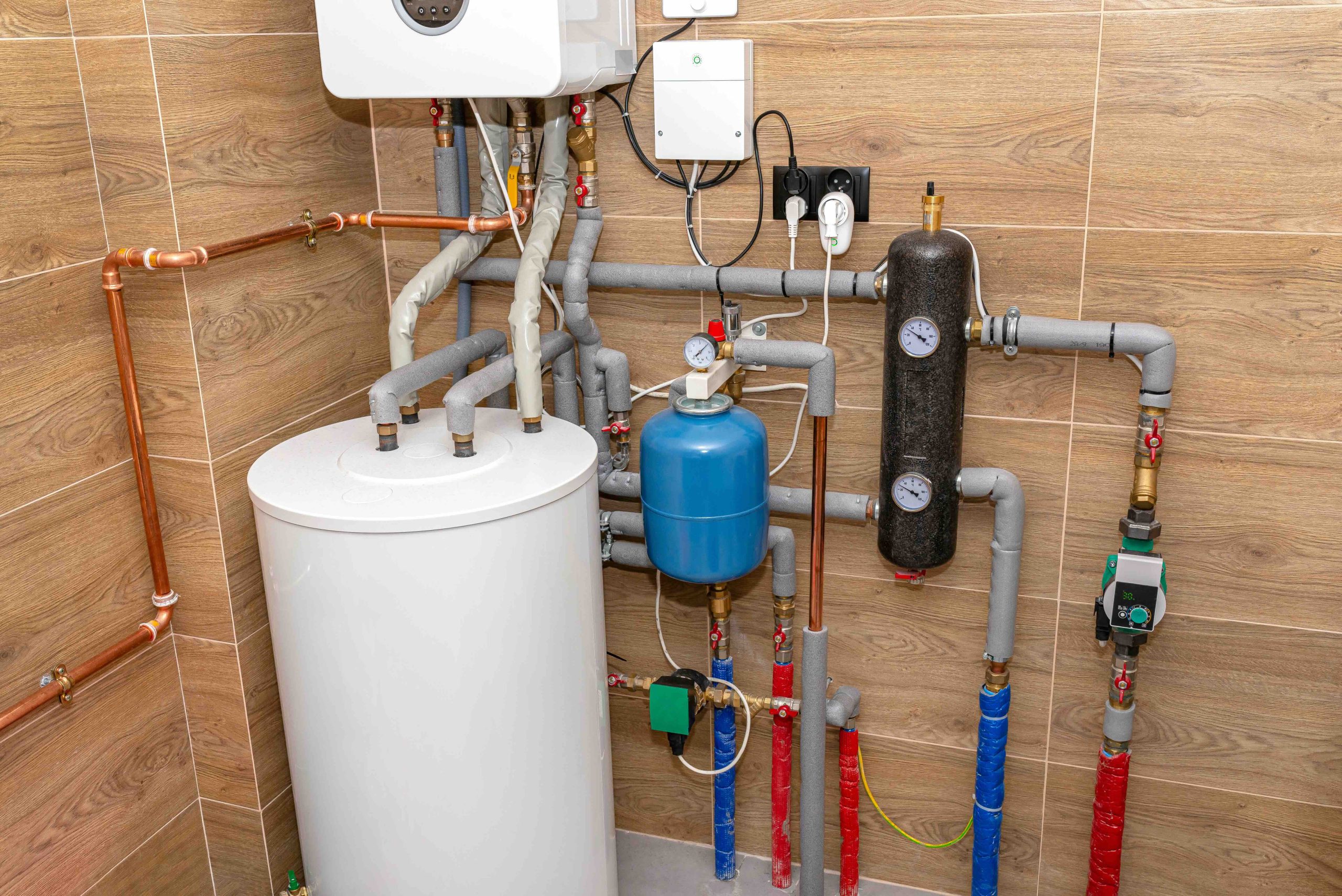
What Is a Drain Hot Water Tank and Why Does It Matter?
Your water heater is one of those appliances that quietly does its job every single day without asking for much in return. But here is the thing: ignoring routine maintenance on that tank can cost you far more than a little effort upfront. One of the most overlooked tasks homeowners skip is draining the hot water tank. It sounds simple, maybe even unnecessary, but it is genuinely one of the most impactful things you can do to extend the life of your water heater and keep your home running efficiently. Understanding what this process involves, why it matters, and how often you should do it puts you in a much better position as a homeowner.
How Does a Hot Water Tank Actually Work?
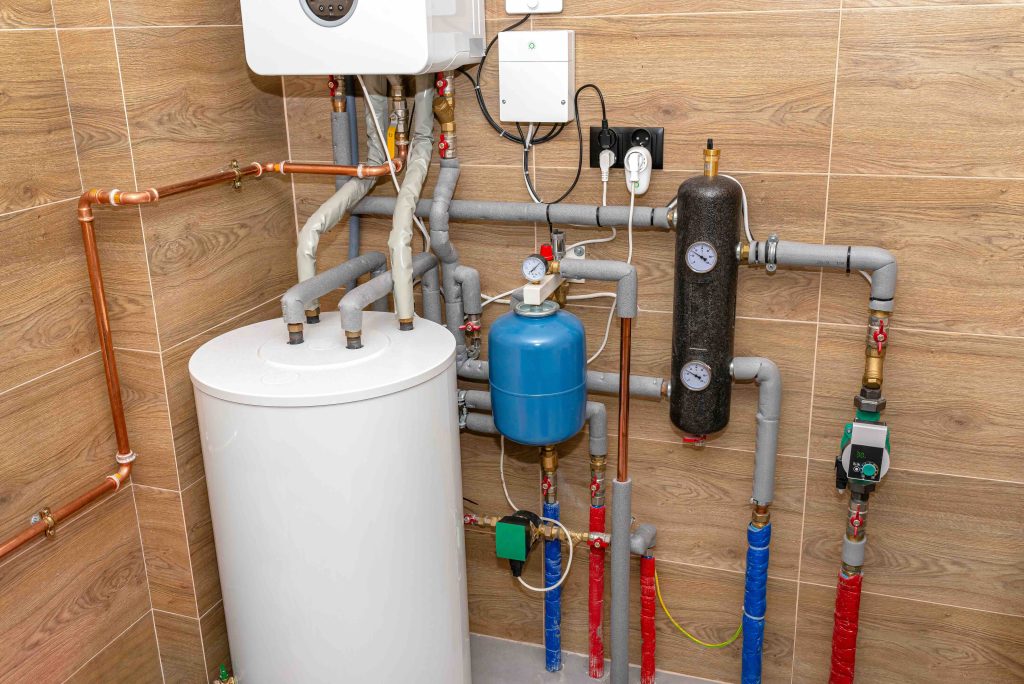
Before getting into why you should drain it, it helps to understand what the tank is doing in the first place. A traditional tank-style water heater holds a set volume of water, typically between 30 and 80 gallons, and keeps it heated to a preset temperature using either gas burners or electric heating elements. Cold water enters from the top through a dip tube, gets heated at the bottom, and rises to the top where it exits through the hot water outlet when you turn on a tap. The tank cycles on and off throughout the day to maintain that temperature. Simple enough. But what makes draining so important is what happens to the water sitting in that tank over time.
Why Sediment Buildup Is a Bigger Problem Than You Think
Water, especially in areas with hard water, carries dissolved minerals like calcium and magnesium. Over time, as the water is repeatedly heated and cooled, those minerals settle and accumulate at the bottom of the tank. This layer of sediment is the core reason why draining a hot water tank is so important. Once enough sediment builds up, it creates a barrier between the heating element and the water above it. Your water heater has to work harder and longer to heat the same amount of water, which drives up your energy bill and shortens the lifespan of the unit. In gas-powered tanks, you might even hear a rumbling or popping sound as water tries to move through the sediment layer, which is as unpleasant as it sounds.

The Key Benefits of Draining Your Hot Water Tank Regularly
Homeowners who make draining their water heater part of their annual maintenance routine tend to see a noticeable difference over time. The benefits go beyond just keeping things clean.
- Improved energy efficiency: Removing sediment allows the heating element to transfer heat directly to the water without obstruction, reducing the energy needed to reach and maintain temperature.
- Longer equipment lifespan: Sediment buildup is one of the leading contributors to premature water heater failure. Draining regularly can add several years to the life of the unit.
- Better water quality: Accumulated sediment can affect the taste and clarity of your hot water, and in some cases introduce rust or mineral debris into your water supply.
- Reduced risk of tank damage: Excess heat caused by sediment insulation can warp or crack the tank lining over time, leading to leaks and costly replacements.
- Lower utility costs: An efficient water heater uses less energy to do the same job, and that shows up on your monthly bill.
How Often Should You Drain a Hot Water Tank?
The general recommendation from most plumbing professionals is to drain and flush your hot water tank at least once per year. However, the frequency depends on a few factors specific to your home and water supply. If you live in an area with particularly hard water, you may need to flush it every six months. If your water is treated or softened and you have a relatively new unit, once a year is usually sufficient. It is also worth checking your water heater manufacturer’s documentation, since some warranties actually require documented maintenance to remain valid. Skipping this step could void coverage you did not even realize was at stake.
A Step-by-Step Overview of How to Drain a Hot Water Tank
Draining a water heater is something many homeowners can handle on their own with some preparation. Here is how the process generally works. First, turn off the power supply to the unit, whether that means switching off the circuit breaker for electric models or turning the gas valve to the pilot position. Next, connect a garden hose to the drain valve at the bottom of the tank and run it somewhere safe for hot water discharge, like a floor drain or outside. Then, shut off the cold water supply valve at the top of the tank. Open a hot water faucet somewhere in your home to allow air into the system, which helps water flow out smoothly. Open the drain valve and allow the tank to empty completely. Once empty, briefly turn the cold water supply back on to flush out remaining sediment. When the water runs clear, close the drain valve, remove the hose, refill the tank, and restore power. Simple in theory, though if at any point you are unsure, calling a plumber is always the right call.
Common Drawbacks and Challenges to Be Aware Of
Draining a hot water tank is not without its complications. Older drain valves, particularly plastic ones, have a tendency to fail or leak during or after the draining process, sometimes requiring replacement. If the tank has never been drained in years, sediment may actually block the drain valve, making it difficult to flush fully. In some cases, disturbing years of settled sediment can also temporarily affect water pressure or cause the valve to drip after reinstallation. These are not reasons to avoid the task, but they are reasons to approach it thoughtfully and to know when to bring in a professional. The older the unit and the longer it has gone without maintenance, the higher the chance of running into one of these issues.
Signs Your Water Heater Might Already Be in Trouble
If you have never drained your hot water tank and you are starting to wonder if it is too late, there are some clear warning signs to watch for. Rumbling or banging noises coming from the tank during heating cycles are a strong indicator of sediment buildup. Discolored or rusty hot water from your taps can point to internal corrosion. A noticeable drop in hot water temperature or recovery speed often signals that the heating element is struggling. Visible rust or moisture around the base of the tank may indicate a slow leak. Any one of these symptoms warrants immediate attention, and in some cases, the tank may be beyond the point where flushing alone will solve the problem.
Why Home Warranty Coverage for Your Water Heater Is Worth Considering
Even with diligent maintenance, water heaters fail. They are mechanical systems with a finite lifespan, and when they go, they tend to do so at the least convenient possible time. That is where a home warranty becomes a genuinely valuable safety net. Armadillo’s home warranty protection for water heaters and major home systems is built around the idea that homeowners should not have to absorb the full cost of unexpected breakdowns on their own. When your water heater develops a covered failure, Armadillo steps in to coordinate and cover the repair or replacement, so you are not scrambling for a plumber at midnight or draining your emergency fund for an appliance you expected to last longer. If you want a straightforward way to protect your home without the usual runaround, you can get a personalized home warranty quote for water heater coverage today and see exactly what is covered before committing to anything.

Frequently Asked Questions About Draining a Hot Water Tank
How often should I drain my hot water tank?
Most plumbing professionals recommend draining and flushing your hot water tank at least once per year. Homes with hard water may benefit from doing this every six months to prevent excessive sediment buildup.
What happens if I never drain my water heater?
Sediment accumulates at the bottom of the tank over time, reducing efficiency, increasing energy costs, and placing stress on the heating element. Chronic neglect can significantly shorten the lifespan of your unit and may lead to premature failure.
Can I drain my hot water tank myself?
Yes, many homeowners can drain their water heater independently using a garden hose and basic precautions. However, if the tank is very old, if the drain valve is corroded, or if you are unfamiliar with the process, hiring a licensed plumber is the safer choice.
How long does it take to drain a hot water tank?
Draining a standard residential water heater typically takes between 20 and 60 minutes, depending on the tank size, the volume of sediment present, and whether you are doing a full flush cycle afterward.
Is it safe to drain a hot water tank while the water is still hot?
You should turn off the heating element or gas supply several hours before draining to allow the water to cool. Draining scalding water is a burn risk and can also damage surfaces where the water is discharged.
What if my drain valve leaks after I flush the tank?
A leaking drain valve after flushing is relatively common in older units. In most cases, the valve can be replaced inexpensively by a plumber. Temporary fixes like a cap or threaded plug may stop a minor drip, but proper replacement is the best long-term solution.
Does draining a water heater void the warranty?
Not typically. In fact, many manufacturer warranties require regular maintenance, including periodic flushing, to remain valid. Skipping maintenance can actually be the reason a warranty claim is denied.
Will draining my water heater improve my hot water pressure?
Draining can improve flow in cases where sediment has partially blocked the drain valve or affected water movement within the tank. However, low water pressure is often caused by other plumbing issues and may not be fully resolved by flushing alone.
How do I know if my water heater has too much sediment to flush effectively?
If the water coming from the drain hose remains cloudy or brown even after an extended flush, or if the drain valve itself becomes blocked and will not open fully, the sediment may be severe enough that replacement of the unit is worth considering.
Does a home warranty cover water heater repairs caused by sediment damage?
Coverage varies by provider and plan. Some home warranties cover mechanical failures of the water heater regardless of cause, while others may exclude damage resulting from neglected maintenance. Reviewing the specific terms of your plan and maintaining your unit regularly gives you the best chance of a covered claim being approved.