What Is an Exterior Electrical Outlet and Why Does Your Home Need One?
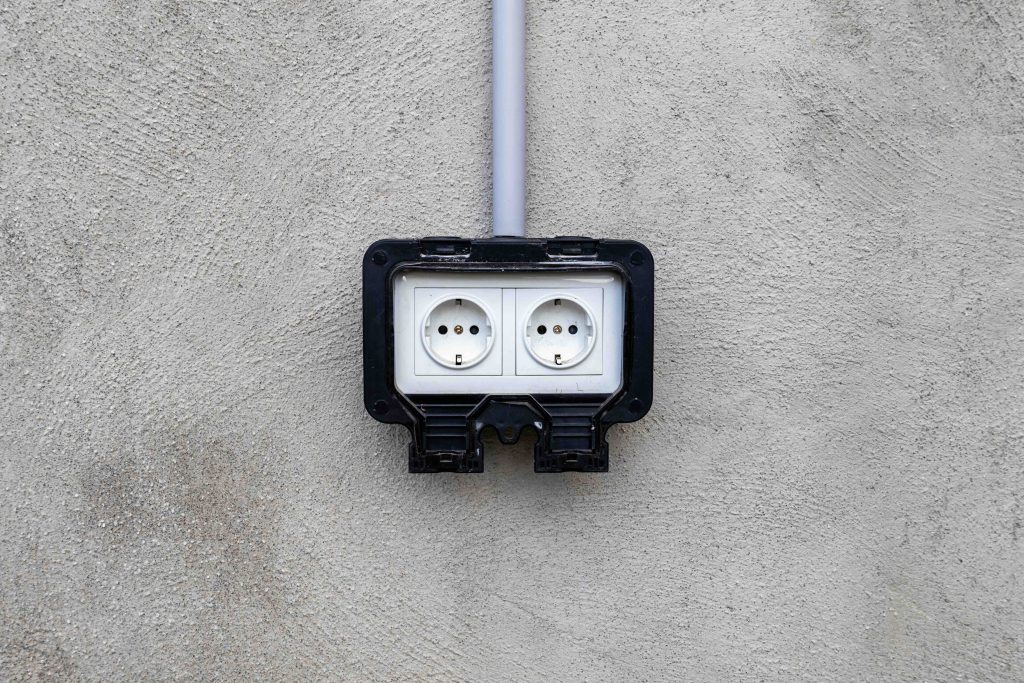
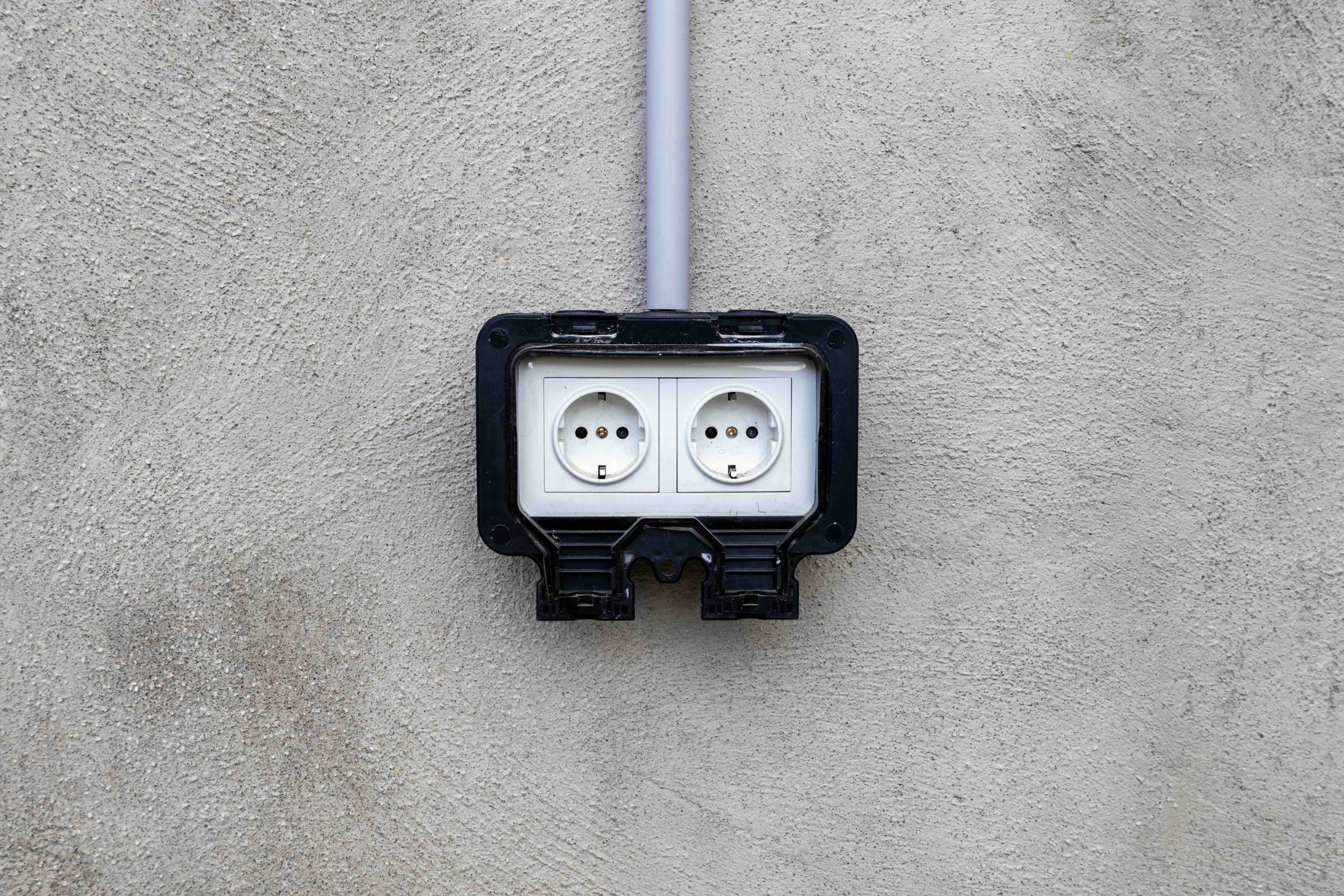
If you have ever tried to plug in a power tool in the backyard only to find yourself running an extension cord through a cracked window, you already understand the problem. Exterior electrical outlets, sometimes called outdoor outlets, are weatherproof receptacles mounted on the outside of a home to provide safe, accessible power for outdoor activities. They are designed to handle the elements while still delivering the electrical capacity your tools, lighting, and appliances need. Whether you are setting up holiday lights, running a pressure washer, or powering a backyard speaker system, an outdoor outlet makes all of it cleaner and safer to manage.
How Exterior Electrical Outlets Actually Work
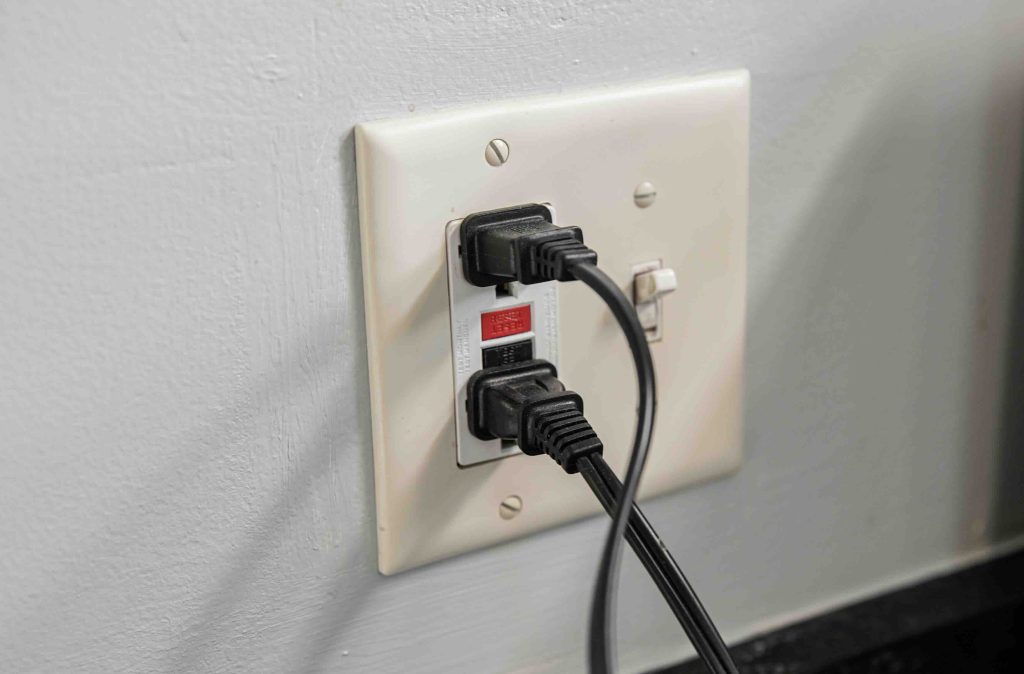
At the core, an exterior outlet functions very similarly to any indoor receptacle. It connects to your home’s electrical panel through wiring run inside conduit or buried underground, depending on placement. What separates it from interior outlets is the housing. Outdoor outlets are enclosed in weatherproof boxes with covers rated for wet or damp locations, and they are required by code to be protected by a Ground Fault Circuit Interrupter, commonly known as a GFCI. A GFCI constantly monitors the current flowing through the circuit and cuts power instantly if it detects an imbalance, which is the kind of imbalance that happens when electricity finds an unintended path, like through water or a person. That built-in protection is what makes outdoor electrical use reasonably safe even when conditions are less than perfect.
The Different Types of Outdoor Outlet Covers and Ratings
Not all outdoor outlets are created equal, and the covers matter more than most homeowners realize. There are two primary ratings to understand: damp location and wet location. Damp-rated covers are suitable for areas sheltered from direct rain exposure, like a covered porch or carport. Wet-rated covers, also called in-use covers or bubble covers, are designed to stay sealed even when a cord is plugged in and rain is actively falling. These are required for outlets that are fully exposed to the elements. Beyond that, outlet boxes come in various materials including plastic, aluminum, and stainless steel. Each has different durability characteristics depending on your climate, so choosing the right one for your region is worth the extra few minutes of research.

Key Benefits of Having Outdoor Electrical Outlets Installed
The convenience factor alone is enough reason for most homeowners to invest in exterior outlets, but the advantages go deeper than that. Having dedicated outdoor power eliminates the hazards of overloaded extension cords run across doorways or through gaps in windows and doors. It also adds genuine value to your property. Outdoor entertainment areas, landscape lighting systems, and EV charging setups all become more practical when you have accessible, properly installed exterior power. From a functional standpoint, you can power anything from a patio refrigerator to a hot tub to a workshop in a detached garage, depending on the circuit capacity you choose to install.
- Eliminates dangerous extension cord workarounds and trip hazards
- Supports outdoor entertainment, landscaping, and tool use
- Adds measurable resale value to the property
- Enables safe operation of high-draw equipment like pressure washers
- Keeps outdoor lighting systems running cleanly without indoor taps
Common Drawbacks and Limitations to Know Before You Install
Exterior outlets do come with some real considerations. Installation costs vary widely depending on how far the outlet needs to be from the panel, whether trenching is required for underground runs, and local permit requirements. In most municipalities, exterior electrical work requires a permit and inspection, which adds time and cost but is absolutely the right approach for safety reasons. There is also ongoing maintenance to think about. Weatherproof covers degrade over time, especially in climates with intense UV exposure, freeze-thaw cycles, or heavy rainfall. GFCI receptacles themselves can fail, and because they are exposed to more environmental stress than indoor outlets, they tend to need replacement more frequently. None of these are reasons to skip the installation, but they are worth factoring into your planning.
Where Should Exterior Outlets Be Placed on Your Home?
Placement is one of those details that homeowners often overlook until after installation, and then wish they had thought through more carefully. The National Electrical Code requires at least one outlet on the front and back of a home, but that is truly a minimum baseline. Thoughtful placement considers how you actually use your outdoor space. A pergola or deck area benefits from outlets at both the structural posts and the exterior wall. A detached garage or workshop may need its own dedicated circuit entirely. If you are planning a garden irrigation system with timer controls, placing a covered outlet near the control box keeps everything tidy. Think about where you naturally reach for power outdoors and work backward from there.
GFCI Protection and Electrical Code Compliance Explained
Understanding GFCI requirements is genuinely important for any homeowner dealing with exterior outlets. Current code mandates GFCI protection for all outdoor receptacles, and this applies to new installations as well as replacements in existing homes. A GFCI can be installed as the outlet itself, which is the most common approach, or it can be wired as a breaker at the panel that protects an entire circuit. Either method is acceptable depending on the setup. What is not acceptable is bypassing this protection, even temporarily. The risk of electrical shock outdoors is significantly higher because moisture, wet grass, and damp concrete are all excellent conductors. The GFCI requirement exists because it saves lives, and that is not an overstatement.
What It Costs to Install an Exterior Outlet and What Affects the Price
Installation costs typically range from around $150 to $500 or more for a single exterior outlet, depending on complexity. Simple installations where the outlet can be mounted directly through an exterior wall near an existing interior circuit fall on the lower end. Jobs that require trenching through a yard for underground conduit, running new circuits from the panel, or working in difficult-to-access areas like a roofline for string lights will move toward the higher end. Labor rates also vary considerably by region. Always pull the required permit, even if a contractor suggests skipping it. Unpermitted electrical work creates real problems during home sales and can void homeowner’s insurance in some situations.
Practical Maintenance Tips to Keep Outdoor Outlets Safe and Functional
Once your exterior outlets are installed, keeping them in good working order is mostly a matter of routine attention. Test your GFCI outlets monthly using the built-in test and reset buttons. If the outlet does not respond correctly, it needs to be replaced. Inspect weatherproof covers seasonally for cracks, fading, or loose hinges. Replace any cover that no longer seals tightly when not in use. In regions with hard winters, consider unplugging devices and closing covers before freezing temperatures settle in. If an outlet trips repeatedly or feels warm to the touch, stop using it and call a licensed electrician. These are signs of a deeper wiring issue, not just a nuisance.
- Test GFCI outlets monthly using the test and reset buttons
- Inspect covers each season for damage or improper sealing
- Avoid using indoor-rated extension cords outdoors for extended periods
- Keep outlet boxes clear of mulch, debris, and standing water
- Replace any outlet that feels warm, sparks, or trips without explanation
Why Armadillo Is the Right Home Warranty Partner for Electrical Coverage
Exterior outlets are one of those home features that quietly work in the background until something goes wrong, and when something does go wrong with your electrical system, the costs and complications can catch even prepared homeowners off guard. That is exactly where a home warranty built around real protection makes a difference. Armadillo home warranty coverage for electrical systems and outdoor components is designed to keep homeowners protected without the runaround that tends to define older warranty companies. Coverage is straightforward, service is handled by vetted professionals, and the process of filing a claim does not require a law degree to navigate. If you are a homeowner who just installed exterior outlets or has a home full of systems that could use backup protection, taking the time to explore your options now is a smart move. Get a free home warranty quote that includes electrical system protection and find out exactly what a plan would cost for your home. Peace of mind for your electrical systems, inside and out, is closer than most homeowners expect.

Frequently Asked Questions About Exterior Electrical Outlets
Answers to the questions homeowners ask most often about outdoor outlets, GFCI protection, installation requirements, and ongoing maintenance.
Do exterior electrical outlets require a permit to install?
In most jurisdictions, yes. Any new electrical installation, including exterior outlets, typically requires a permit and inspection by a local building official. Requirements vary by municipality, so check with your local permitting office before starting any work.
Are all outdoor outlets required to have GFCI protection?
Yes. The National Electrical Code requires GFCI protection for all outdoor receptacles in residential settings. This applies to new installations and replacements of existing outdoor outlets regardless of when the home was built.
What is the difference between a damp-rated and wet-rated outdoor outlet cover?
A damp-rated cover is intended for protected areas like covered porches where direct water exposure is unlikely. A wet-rated, or in-use, cover seals around an active cord and is required for outlets exposed to rain or direct water contact.
How often should I test my outdoor GFCI outlets?
Monthly testing is the recommended standard. Press the test button to cut power and the reset button to restore it. If the outlet does not respond as expected during testing, replace it promptly.
Can I install an exterior outlet myself without an electrician?
Technically, homeowners in some areas are permitted to do their own electrical work with proper permits. However, outdoor wiring involves conduit selection, burial depth requirements, weatherproof box installation, and GFCI compliance, all of which are best handled by a licensed electrician to ensure safety and code compliance.
How long do outdoor GFCI outlets typically last?
Most GFCI receptacles last between 15 and 25 years under normal indoor conditions, but outdoor units exposed to temperature swings, UV radiation, and moisture tend to have a shorter lifespan. Replacing them every 10 years or at the first sign of malfunction is a reasonable approach.
What amp circuit is needed for a standard exterior outlet?
A standard exterior outlet for general use typically runs on a 15 or 20-amp circuit. High-draw applications like hot tubs, EV chargers, or large power tools may require dedicated 30 or 50-amp circuits wired specifically for that purpose.
Can an exterior outlet be covered by a home warranty?
Coverage depends on the specific home warranty plan. Many plans cover electrical systems including wiring and receptacles, but the language around exterior components varies by provider. Reviewing the coverage terms carefully before purchasing a plan is always the right move.
What should I do if my outdoor outlet keeps tripping?
Repeated tripping usually signals a ground fault, an overloaded circuit, or a failing GFCI receptacle. Unplug all connected devices and reset the outlet. If it continues to trip or will not reset, stop using it and contact a licensed electrician for diagnosis.
Is it safe to use a regular extension cord with an outdoor outlet?
No. Only extension cords rated for outdoor use should be connected to exterior outlets. Indoor-rated cords lack the insulation needed to handle moisture and temperature exposure, which creates a fire and shock hazard even when used for short periods.