What Is a Reset Button Electrical Outlet and Why Does It Matter in Your Home?
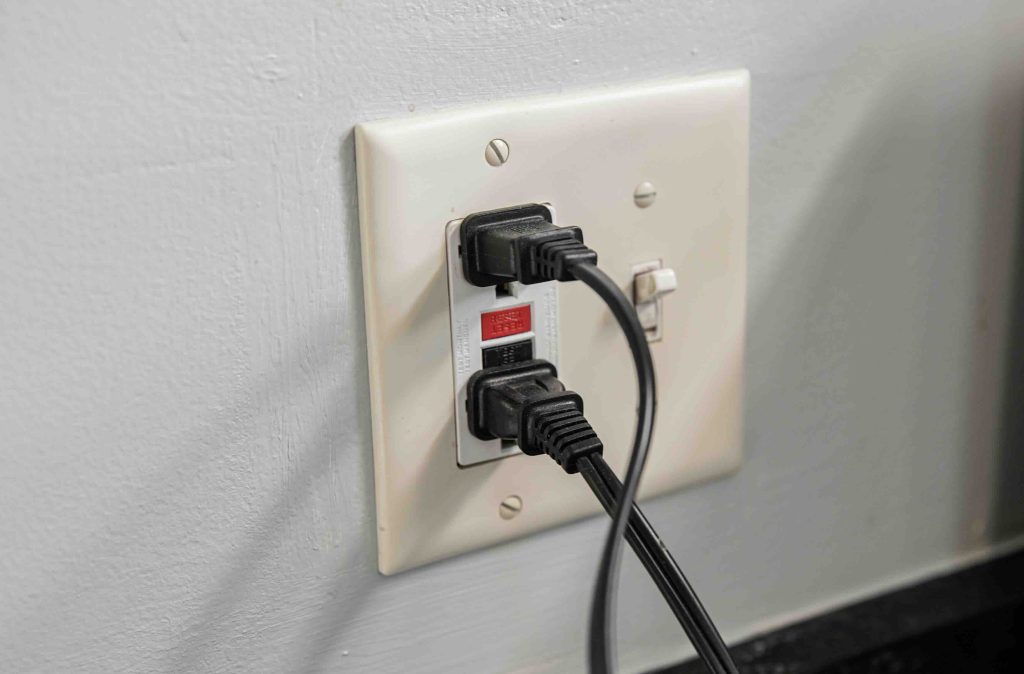
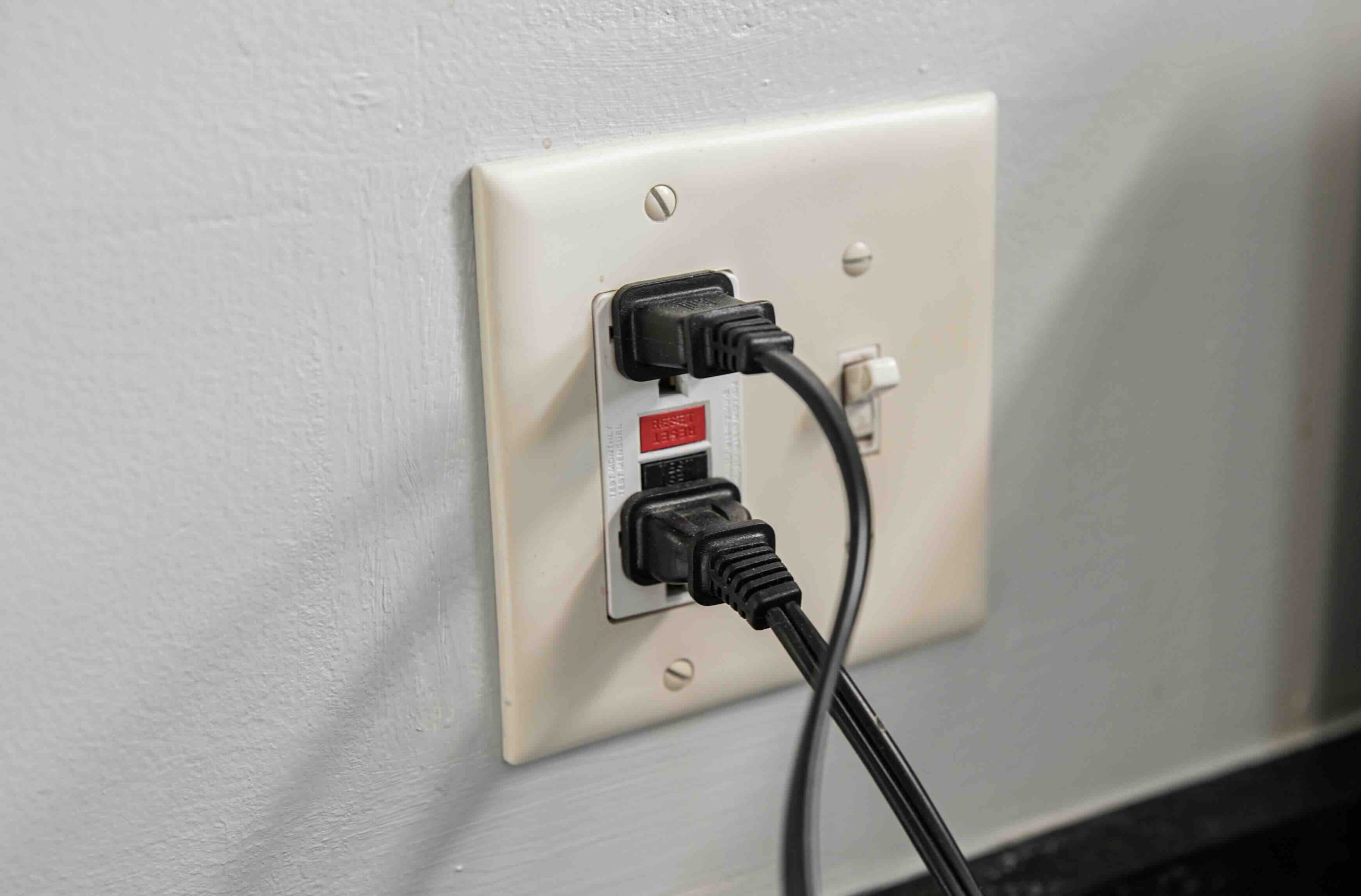
If you have ever noticed an outlet in your bathroom, kitchen, or garage with two small buttons labeled “Test” and “Reset,” you have already encountered one of the most important safety features in residential electrical systems. That outlet is called a GFCI outlet, which stands for Ground Fault Circuit Interrupter, and the reset button is the key to how it protects you and your family. It is one of those things that most homeowners walk past every single day without giving much thought to, until something goes wrong. Understanding how it works and what it does can genuinely make a difference in how you maintain your home.
How a GFCI Outlet Actually Works
The GFCI outlet is constantly monitoring the flow of electricity between the hot and neutral wires. When it detects even a tiny imbalance in that current, measured in milliamps, it interprets that as a potential ground fault, which could mean electricity is traveling somewhere it should not, such as through a person. The moment it detects that imbalance, it cuts power to the outlet almost instantly, typically within a fraction of a second. That response time is fast enough to prevent a serious electrical shock. The reset button is what restores power to the outlet after it has tripped. Press it in, and the outlet re-engages. It is a simple mechanism, but the technology behind it is genuinely clever.
Where Reset Button Outlets Are Required in a Home
Building codes in the United States, largely governed by the National Electrical Code, require GFCI protection in areas where water and electricity are likely to coexist. If you are walking through your home right now, here is where you would expect to find them:
- Bathrooms, near sinks and wet areas
- Kitchen countertops within six feet of a sink
- Garages and unfinished basements
- Outdoor outlets and receptacles
- Crawl spaces and utility rooms with potential moisture exposure
- Near pools, hot tubs, or any water feature with electrical access
Older homes may not have GFCI outlets in all required locations, which is something worth verifying, especially if you purchased a home built before the late 1970s or early 1980s when these requirements became more widely enforced.
The Difference Between a GFCI Outlet and a Regular Outlet
A standard outlet does not monitor current flow. It simply delivers power when something is plugged into it. A GFCI outlet adds that active layer of monitoring and protection, which is what makes it so different. Some homeowners also confuse GFCI outlets with AFCI breakers, which are Arc Fault Circuit Interrupters. Those serve a different purpose, detecting arc faults that can cause electrical fires. The reset button outlet is specifically about preventing shock from ground faults. You can also have a GFCI breaker installed in your electrical panel that protects an entire circuit, rather than just a single outlet. Both approaches accomplish the same protective goal, just at different scales.

Key Advantages of Having GFCI Outlets with Reset Buttons
The safety benefits are the obvious headline here, but there is more to appreciate about these outlets than just shock prevention. First, they are relatively inexpensive to install compared to the protection they provide. Second, they are self-resetting in the sense that once you address the issue that caused the trip, you can restore power without calling anyone. Third, a single GFCI outlet can be wired to protect additional outlets downstream on the same circuit, which means one installation can cover multiple points of use. Fourth, modern GFCI outlets include a self-test function that regularly checks whether the protection mechanism is still functioning properly. That is a meaningful upgrade over older models that required manual testing.
Common Reasons Your Reset Button Outlet May Trip
When a GFCI outlet trips, it is doing exactly what it was designed to do. But not every trip is dramatic. Some causes are surprisingly mundane. Here are situations that can cause a GFCI outlet to cut power:
- A faulty or aging appliance drawing irregular current
- Water or moisture getting into the outlet or a connected device
- An overloaded circuit pulling more power than the outlet is rated for
- Wiring issues further down the circuit causing current imbalance
- A ground fault occurring in a device plugged in elsewhere on the same circuit
If your GFCI outlet is tripping frequently without an obvious cause, that is not something to ignore. Repeated tripping can indicate a wiring issue or a failing appliance that deserves a closer look from a licensed electrician.
Drawbacks and Limitations to Be Aware Of
GFCI outlets are not without their quirks. One of the more common frustrations homeowners experience is nuisance tripping, where the outlet cuts power due to minor fluctuations that are not actually dangerous. This can happen with older appliances, high-draw tools, or even certain types of holiday lighting. Additionally, GFCI outlets do have a lifespan. Most manufacturers rate them for around 10 to 15 years of reliable operation. An outlet that will not reset after tripping, or one that trips constantly without explanation, may simply be at the end of its useful life and in need of replacement. The reset button mechanism itself can also wear out over time, leaving you with an outlet that powers devices but no longer provides GFCI protection, which is arguably worse than one that does not work at all.
How to Test Your GFCI Outlets and Keep Them Functioning
Testing a GFCI outlet takes about ten seconds and is one of the easiest home maintenance tasks you can do. Press the Test button. The outlet should immediately cut power. Then press the Reset button, and power should restore. If either of those things does not happen as expected, the outlet needs to be replaced. Electricians generally recommend testing GFCI outlets monthly, especially those in high-moisture areas. It is also worth checking that outlets in less-visited areas of the home, like crawl spaces or the garage, are still functioning properly during your seasonal home walkthrough. These are easy to forget about and easy to check.
When to Call a Professional and What It Might Cost
Replacing a GFCI outlet is a task that some experienced DIYers handle themselves, but it does involve working with your home’s electrical system, which carries real risk if done incorrectly. If you are not comfortable with electrical work, or if the outlet is part of a larger circuit that keeps causing problems, bringing in a licensed electrician is the right move. The cost to replace a single GFCI outlet typically ranges from around fifty to one hundred fifty dollars depending on your location and the complexity of the work. If your home needs multiple outlets upgraded or your electrical panel needs GFCI breakers installed, that cost scales accordingly. Either way, it is a modest investment for a significant safety return.
Why Armadillo Home Warranty Coverage Makes Sense When Electrical Issues Come Up
Electrical problems have a way of revealing themselves at the worst possible moments, and what starts as a tripping GFCI outlet can sometimes point to deeper issues within your home’s wiring or circuit infrastructure. That is where having a reliable home warranty in your corner genuinely changes things. Armadillo home warranty plans built for real homeowner protection are designed to cover the systems and appliances that matter most, giving you somewhere to turn when unexpected repairs show up uninvited. Whether your electrical system needs attention or another major home component is showing its age, having that coverage means you are not absorbing the full financial hit on your own. If you want to see exactly what kind of protection fits your home and your budget, you can get a personalized home warranty quote for electrical system coverage in just a few minutes. Armadillo keeps it straightforward, honest, and genuinely useful, which is exactly what home protection should be.

Frequently Asked Questions About Reset Button Electrical Outlets
Here are answers to the questions homeowners most commonly ask about GFCI outlets and the reset button function.
What does the reset button on an electrical outlet actually do?
The reset button restores power to a GFCI outlet after it has tripped due to a detected ground fault. When the outlet senses an imbalance in the electrical current, it cuts power immediately. Pressing the reset button re-engages the outlet so it can supply power again.
Why does my GFCI outlet keep tripping even when nothing is plugged in?
If a GFCI outlet trips without anything plugged into it, the issue may be with the wiring connected to that outlet or a problem with a downstream outlet on the same circuit. Moisture inside the outlet box can also cause phantom tripping. A licensed electrician should inspect it.
Is a GFCI outlet the same as a surge protector?
No. A GFCI outlet protects against ground faults and electrical shock. A surge protector guards against voltage spikes that can damage electronics. They address different risks and are not interchangeable, though both can be valuable in a home.
How often should I test my GFCI outlets?
Most electricians recommend testing GFCI outlets once a month. Press the Test button to cut power, then press Reset to restore it. If either function does not work correctly, the outlet should be replaced as soon as possible.
Can one GFCI outlet protect multiple outlets in my home?
Yes. When wired correctly, a single GFCI outlet can provide protection for additional standard outlets that are connected downstream on the same circuit. This setup is common in older homes that were not originally built with GFCI outlets in every required location.
How long does a GFCI outlet typically last?
Most GFCI outlets are rated to last between 10 and 15 years under normal use. Over time, the internal components can degrade, and the protection mechanism may stop functioning reliably even if the outlet still delivers power. Regular testing helps identify when replacement is needed.
Can I replace a GFCI outlet myself?
A homeowner with basic electrical knowledge can replace a GFCI outlet, but it does involve working with live wiring if precautions are not taken. Always turn off the circuit at the breaker before starting. If you are unsure about the wiring configuration, hiring a licensed electrician is the safer choice.
Does a home warranty cover GFCI outlets or electrical repairs?
Coverage varies by provider and plan, but many home warranty plans include electrical systems as a covered component. This can include wiring, panels, and outlets depending on the specific terms. Reviewing your plan details or speaking with your provider will clarify what is included.
What happens if I press the reset button and the outlet does not restore power?
If pressing the reset button does not restore power, the outlet may have failed, there could be a tripped breaker on the associated circuit, or the wiring may have an underlying issue. Check your electrical panel first, and if the breaker is fine, the outlet likely needs to be replaced or inspected by an electrician.
Are GFCI outlets required by code in all homes?
Current National Electrical Code standards require GFCI protection in specific locations such as bathrooms, kitchens, garages, and outdoor areas. However, existing homes are not always required to retroactively meet current code unless major renovations occur. Upgrading to GFCI outlets where they are missing is still strongly recommended for safety.