What Is a Drain Clog and Why Should Every Homeowner Know About It?
A drain clog is exactly what it sounds like: a blockage somewhere inside your plumbing system that prevents water from flowing freely through the pipes. It sounds simple, and honestly, it kind of is, but the consequences of ignoring one can spiral into something far more costly and disruptive than most homeowners expect. Drain clogs are one of the most common plumbing complaints in residential homes, and understanding how they form, what causes them, and what your options are is genuinely useful information regardless of how old your home is or how careful you are about what goes down the sink.
How a Drain Clog Actually Forms Inside Your Plumbing
Drain clogs rarely happen overnight. They build slowly over time, layer by layer, until water flow becomes restricted and eventually stops altogether. The process typically starts with something relatively harmless, like a thin film of soap residue coating the inside of a pipe. Over weeks and months, that film collects hair, grease, food particles, mineral deposits from hard water, and other debris. Eventually, that accumulation becomes dense enough to block the flow of water. In some cases, particularly in older homes, tree roots can infiltrate underground drain lines and cause blockages that are almost impossible to detect without professional equipment. The location of the clog matters too. A partial clog near the drain opening behaves very differently from a deep blockage in the main sewer line.
The Most Common Causes of Drain Clogs in Residential Homes
Knowing what causes clogs is the first step toward preventing them. While no home is completely immune, certain habits and household conditions make clogs far more likely to develop.
- Hair accumulation in bathroom sinks, showers, and tub drains
- Grease, cooking oil, and fat poured down kitchen drains
- Soap scum buildup along pipe walls over time
- Food particles and coffee grounds sent down the kitchen sink
- Flushing items like wipes, cotton balls, or paper towels
- Hard water mineral deposits narrowing pipe diameter
- Tree root intrusion in older or outdoor drain lines
Most of these causes are preventable with minor behavioral changes and routine maintenance. The challenge is that prevention is invisible. You do not see the pipes getting cleaner, so the motivation to keep at it tends to fade quickly.
Recognizing the Warning Signs Before a Full Blockage Develops
One thing worth knowing is that drain clogs almost always give you warning before they become a full emergency. Slow drainage is the most obvious signal. If water is pooling in your shower or taking longer than usual to drain from your sink, something is restricting flow somewhere in the line. Gurgling sounds from drains after water runs nearby can indicate air displacement caused by a partial blockage. Unpleasant odors rising from drains often signal decomposing organic material sitting in a blocked section of pipe. In kitchens, recurring standing water in the sink is a reliable red flag. The earlier you catch these signs, the simpler and less expensive the fix tends to be.

DIY Drain Clog Solutions and When They Actually Work
Not every drain clog requires a professional. For minor blockages close to the drain opening, several DIY approaches are genuinely effective. A standard plunger, used correctly with a proper seal, can dislodge soft clogs caused by hair or soap buildup. Drain snakes or hand augers available at any hardware store can reach deeper into the pipe and physically break up or retrieve the blockage. Baking soda and vinegar combinations work for very light buildup as a maintenance measure, though they are not particularly effective against a stubborn clog. What does not work, despite its popularity, is relying solely on chemical drain cleaners for anything other than minor organic buildup. These products can damage older pipes, harm the environment, and provide only temporary relief if the root cause of the clog is not addressed.
When to Call a Licensed Plumber for Drain Clog Repair
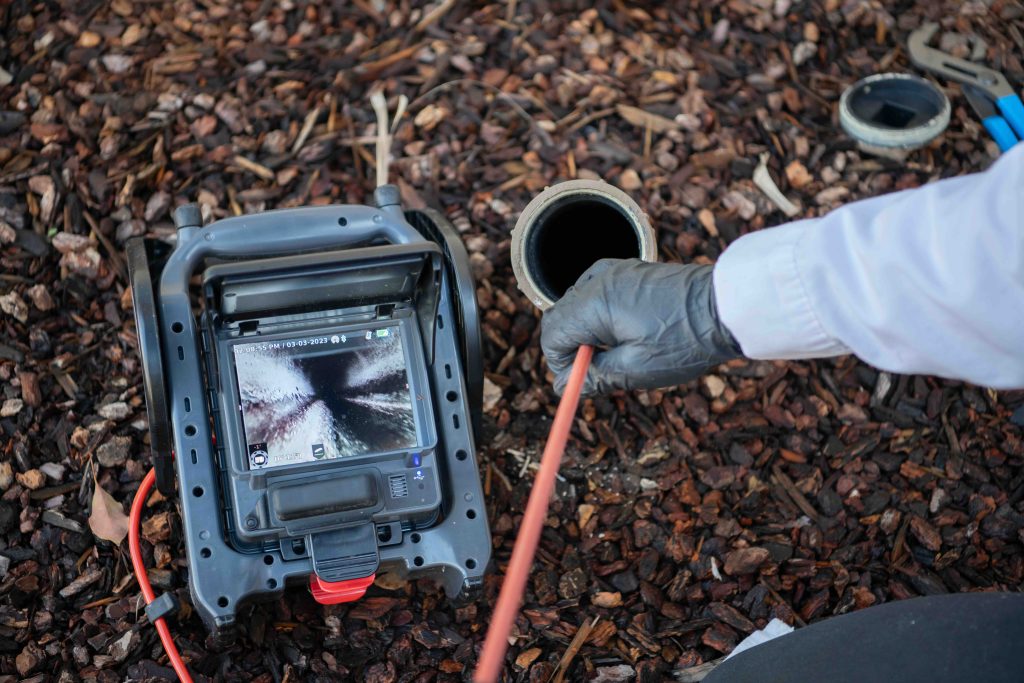
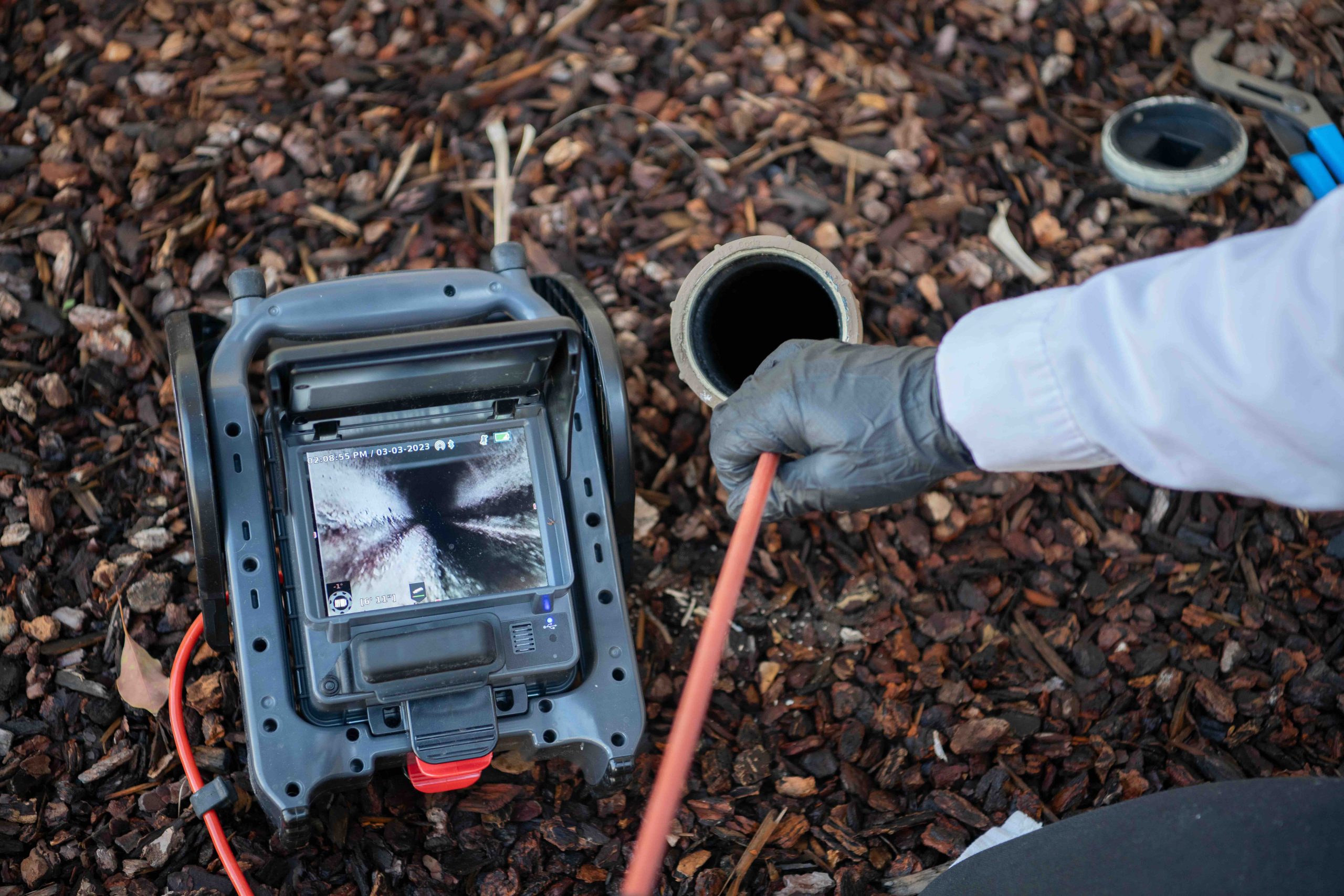
There is a point at which the DIY route becomes more trouble than it is worth, and recognizing that point saves you both time and money. If multiple drains in your home are slow or blocked simultaneously, that typically indicates a clog in the main drain line rather than an isolated fixture issue, and that requires professional equipment to resolve. Hydro-jetting, which uses high-pressure water to scour the inside of pipes, is one of the most effective professional methods for clearing stubborn or recurring clogs. Video pipe inspection allows plumbers to identify exactly where a blockage is and what caused it, including structural issues like collapsed pipes or root intrusion. Persistent drain odors that do not respond to cleaning are another strong indicator that professional intervention is warranted.
The Real Cost of Ignoring a Drain Clog
A slow drain feels like a minor inconvenience right up until it is not. Untreated clogs can lead to pipe corrosion, sewage backup, water damage to floors and cabinetry, and in worst-case scenarios, raw sewage entering the living space. Each of those outcomes carries a repair bill that is exponentially higher than the cost of addressing the original clog. Water damage remediation can run into the thousands. Sewer line repair or replacement can reach five figures depending on the extent of the damage and the depth of the pipe. The clog itself might cost a few hundred dollars to clear professionally. The downstream consequences of ignoring it are in a different financial category entirely.
Practical Tips for Preventing Drain Clogs Long-Term
Prevention is straightforward but requires consistency. Install mesh drain screens in showers and bathroom sinks to catch hair before it enters the pipe. Never pour grease or cooking oil down the kitchen drain. Run hot water down the kitchen drain for about thirty seconds after each use to help flush residue through. Flush bathroom drains with hot water periodically as a simple maintenance habit. Schedule professional drain cleaning every one to two years if you live in an older home or have had recurring clog issues. These are not complicated changes, but they compound over time into meaningfully fewer plumbing problems.
How Home Warranties Factor Into Drain Clog Coverage
This is where things get a little more specific and honestly more useful for most homeowners. Home warranties vary considerably in how they handle plumbing and drain-related issues. Some plans cover stoppages and blockages in drain lines as part of their plumbing coverage, while others limit coverage to failures caused by mechanical breakdown rather than gradual buildup. Reading the fine print on plumbing coverage before signing a home warranty contract is genuinely important. Knowing whether drain clearing is included, under what circumstances, and whether main line stoppages are treated differently from fixture-level clogs will help you avoid surprises when a plumber hands you a bill. A good home warranty should be transparent about what it covers, not leave you guessing.
Why Armadillo Is Worth Considering When Drain Clogs Happen
Drain problems have a way of showing up at the worst possible time, and when they do, the last thing you want to be doing is scrambling to find a plumber and figure out how to pay for it. That is exactly the kind of situation a well-structured home warranty is designed to handle. Armadillo home warranty plans built around real plumbing protection take the guesswork out of coverage by being upfront about what is included and making it genuinely easy to get service when you need it. No runaround, no buried exclusions designed to deny claims that should be approved. If you have had it with reactive home repair and want a smarter approach to protecting your plumbing system, you can get a home warranty quote that covers drain and plumbing issues in just a few minutes. Coverage that works when your pipes do not is the kind of protection that actually makes a difference.

Frequently Asked Questions About Drain Clogs
Here are answers to the most common questions homeowners have about drain clogs, from causes and prevention to costs and coverage.
What causes drain clogs in most homes?
The most common causes are hair buildup in bathroom drains, grease accumulation in kitchen pipes, soap scum deposits, food particles, flushed non-flushable items, and mineral deposits from hard water.
Can I use chemical drain cleaners to clear a clog?
Chemical drain cleaners can provide temporary relief for minor clogs, but they can also damage older pipes over time and are not effective against serious blockages. Physical methods like plungers or drain snakes are generally safer and more reliable.
How do I know if my drain clog is in the main sewer line?
If multiple fixtures in your home are draining slowly or backing up at the same time, the blockage is likely in the main sewer line rather than an individual drain. This requires professional diagnosis and repair.
How much does it cost to have a drain professionally cleared?
Professional drain cleaning for a standard fixture clog typically ranges from $100 to $300. Main line clearing or hydro-jetting services can range from $300 to $600 or more depending on severity and access.
How often should I have my drains professionally cleaned?
For most homes, a professional drain cleaning every one to two years is sufficient for maintenance. Homes with older pipes, hard water, or a history of recurring clogs may benefit from annual service.
Does a home warranty cover drain clogs?
It depends on the plan. Some home warranties include coverage for drain line stoppages and plumbing blockages, while others limit coverage to mechanical failures. Always review your plan details carefully before assuming drain work is included.
What is hydro-jetting and when is it necessary?
Hydro-jetting is a professional plumbing method that uses high-pressure water to scour the inside of pipes and remove stubborn buildup. It is typically recommended for recurring clogs, grease-heavy blockages, or as a maintenance service for aging drain lines.
Can tree roots actually clog my drain pipes?
Yes. Tree roots naturally seek moisture and can infiltrate small cracks or joints in underground drain lines. Over time, root intrusion can cause significant blockages and even structural pipe damage that requires professional repair or pipe replacement.
Are slow drains always a sign of a clog?
Slow drainage is the most common sign of a developing clog, but it can also indicate venting issues in your plumbing system or pipe corrosion narrowing the interior diameter. A plumber can diagnose the root cause accurately.
What is the best way to prevent drain clogs?
Using drain screens to catch hair and debris, avoiding pouring grease down the drain, running hot water after kitchen sink use, and scheduling periodic professional maintenance are the most effective long-term prevention strategies.