Understanding Ducted Toilets: A Behind-the-Walls Look for Homeowners
Modern homeowners are increasingly seeking ways to save space, prioritize hygiene, and maintain clean, minimalist bathroom designs. Amid these considerations, the ducted toilet—also known as an in-wall toilet—has steadily gained popularity. This sleek upgrade hides unsightly plumbing, making it appealing for those redesigning a bathroom or building anew. But despite their clean appearance, ducted toilets are often misunderstood. Homeowners may admire the look without knowing what’s going on behind the wall. This article demystifies the ducted toilet: what it is, how it works, its benefits and drawbacks, and whether or not it’s covered by home warranties like those from Armadillo.
What Is a Ducted Toilet?
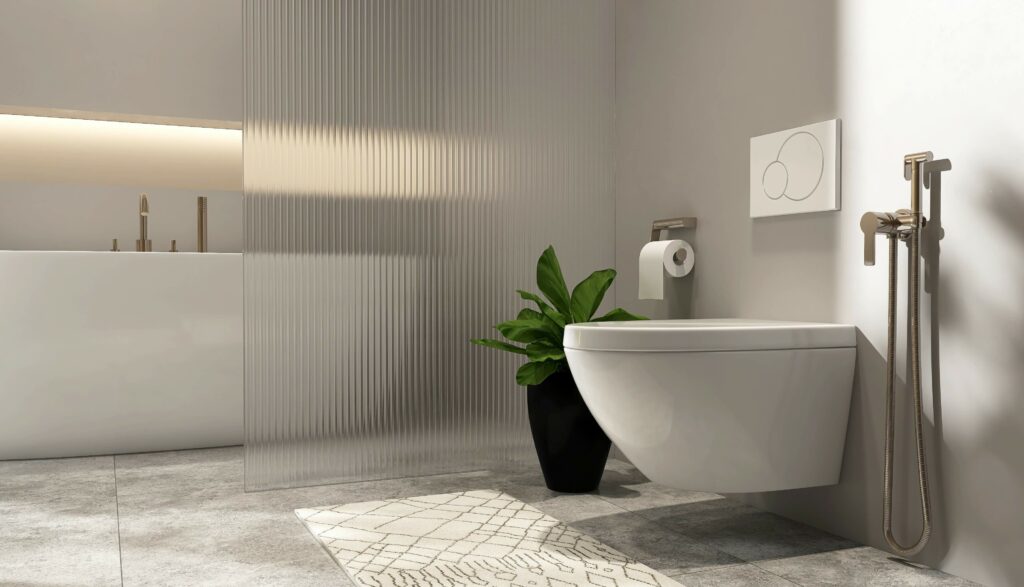
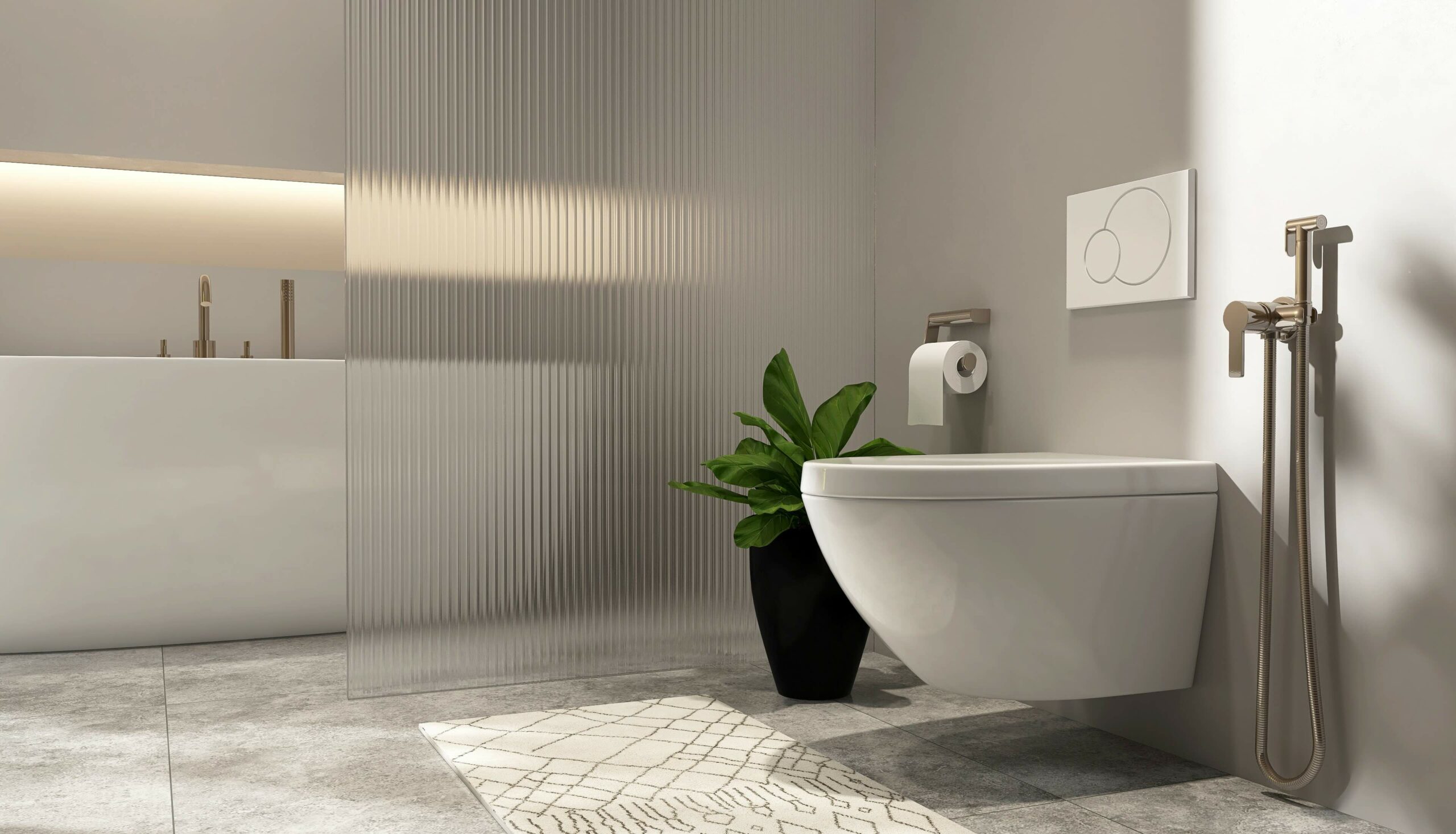
A ducted toilet is a modern plumbing fixture where the cistern—the tank that holds flushing water—is installed inside the wall, rather than being visible behind the toilet bowl. What you see is the bowl, mounted directly to the wall or floor, with the flush button or sensor panel embedded into the wall above it. The rest is tucked away behind drywall or tile. This installation method is especially common in contemporary and minimalist bathroom designs, where clean lines and uninterrupted surfaces take priority.
How Does a Ducted Toilet Work?
Despite its hidden components, a ducted toilet functions much like a conventional toilet. When the flush button is pressed, either mechanically or electronically, water flows from the concealed cistern into the bowl, using pressure and gravity to clear waste through the trap and into the home’s main waste line. Because the internal cistern and connections are embedded into the wall cavity, installation must be precise and carefully planned, typically during new construction or significant bathroom remodels. Maintenance panels are usually built in to allow future access to the internal parts.
Why Homeowners Choose Ducted Toilets
For homeowners focused on design, functionality, and cleanliness, ducted toilets offer multiple benefits. First, the aesthetic is hard to beat: no tank, no visible lines, and an almost sculptural presence in the room. This can make small bathrooms feel more spacious and open. Second, because the bowl is either wall-hung or streamlined against the floor, cleaning around and under the toilet becomes far easier—an undeniable plus for anyone prioritizing hygiene. Finally, many ducted systems are engineered with dual-flush capabilities, offering improved water efficiency. These fixtures are often used in eco-forward homes seeking LEED certification or improved environmental performance.
Challenges and Considerations
Still, the system is not without its intricacies. One of the primary challenges of ducted toilets is access. Because the cistern and associated plumbing are hidden within the wall, diagnosing and repairing leaks, replacing parts, or upgrading components generally requires removing tiles or opening up the wall unless an access panel was thoughtfully integrated during original installation. Installation costs tend to be higher than traditional models, largely due to the carpentry and plumbing work involved. These toilets also require a certain wall depth—typically more than four inches—to house the cistern securely. Not every bathroom wall is designed for this. Retrofitting a ducted toilet into an existing bathroom may be difficult or even impractical, especially in older homes with solid wall construction.
Maintenance Needs: What Breaks, and When?
While ducted toilets often seem futuristic and low-maintenance, they do have components that wear over time. Flush valves, fill valves, seals, and sensors (in electronic models) are all susceptible to wear. Because these parts are hidden, the signs of a malfunction—such as slow leaks or quiet running water—may go unnoticed until water damage presents elsewhere in the home. Some ducted systems incorporate a framed steel support within the wall to mitigate long-term wear on structural elements, but frame or bracket failure is rare and typically only a concern in poorly installed units. Regular inspections, particularly for slow flush or tank refill concerns, can catch subtle issues before they become costly repairs affecting both the bathroom and adjacent spaces.
Is a Ducted Toilet Covered by a Home Warranty?
This is a common question among homeowners making an investment in higher-end fixtures: does a home warranty cover a ducted toilet? The answer depends on the warranty provider and level of coverage selected. Some warranties cover plumbing components within the home, including water lines to the toilet, fill valves, and flushing mechanisms, but may exclude hidden fixtures if not explicitly listed. Companies like Armadillo offer customized home warranty plans that help you build coverage tailored to the systems and appliances you care most about—ducted toilets included. With concealed systems, it’s especially helpful to have access to a service professional who knows what to expect behind the drywall and who can navigate repairs efficiently.
What Should Homeowners Keep in Mind Before Installing One?
Before committing to a ducted toilet, homeowners should align their plans with both their bathroom’s structure and long-term goals. This includes confirming that wall cavities are deep enough to accommodate the in-wall tank. Additionally, access panels should be considered non-negotiable; while they may seem unsightly, a cleverly hidden panel can save future time, cost, and frustration. If a home warranty will be relied upon for future repairs, homeowners should ensure that the warranty specifically includes concealed systems and understands the type of installation in place. Choosing a reputable contractor also plays a major role. The success of a ducted toilet comes down to correct installation—improper alignment or loose framing can lead to noise issues, leaks, or premature wear of components hidden out of sight.
Choose Armadillo for Worry-Free Coverage and Expert Support
Upgrading to a ducted toilet is a bold, design-driven choice that can increase both comfort and value in your home. But with that sleek look comes added complexity behind the wall. Working with a trusted home warranty provider is essential to ensure peace of mind when repairs or service are needed. Armadillo specializes in providing flexible, modern home warranty solutions curated for today’s homeowners. Their plans cover key components of your home’s plumbing system and can be tailored to include specialized installations like ducted toilets. Backed by a responsive claims process and experienced local service technicians, Armadillo helps you manage unexpected breakdowns with less hassle, less expense, and more confidence.
Start building a customized plan that fits your needs at this link or learn more about how Armadillo supports smarter homeownership at www.armadillo.one.