What Is a Flooded Basement and Why Does It Keep Happening?
A flooded basement is one of those homeowner experiences that tends to stop everything cold. You head downstairs for laundry or storage, and suddenly there is standing water where there should not be any. It is frustrating, potentially expensive, and — maybe most importantly — it is usually preventable once you understand what caused it. Basement flooding happens for several reasons: heavy rainfall overwhelming drainage systems, groundwater seeping through foundation cracks, faulty sump pumps, failed waterproofing, or even interior plumbing failures like a burst pipe or a water heater giving out. Each cause has its own repair path, which is part of what makes this topic both useful and a little overwhelming to sort through.
How Basement Waterproofing Systems Actually Work
When people talk about fixing a flooded basement, they usually end up discussing waterproofing — but that umbrella term covers a fairly wide range of approaches. Interior waterproofing focuses on managing water that has already entered the space, typically by installing drainage channels along the perimeter of the basement floor that direct water toward a sump pit. Exterior waterproofing goes further upstream, addressing the problem at the source by sealing the outside of foundation walls and improving the grading or drainage around the property. Both approaches have merit, and the right choice depends on the severity of the issue, the home’s age, and the surrounding soil and water table conditions. It is worth noting that no single system eliminates every risk — waterproofing reduces the likelihood of flooding, not the possibility entirely.
The Role of the Sump Pump in Flood Prevention
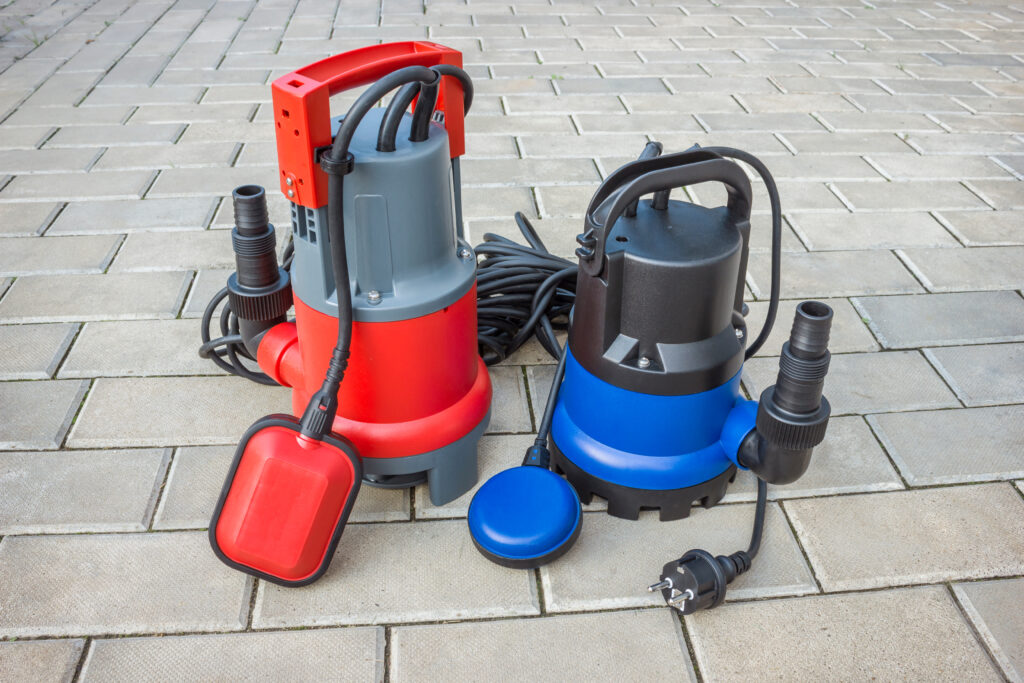
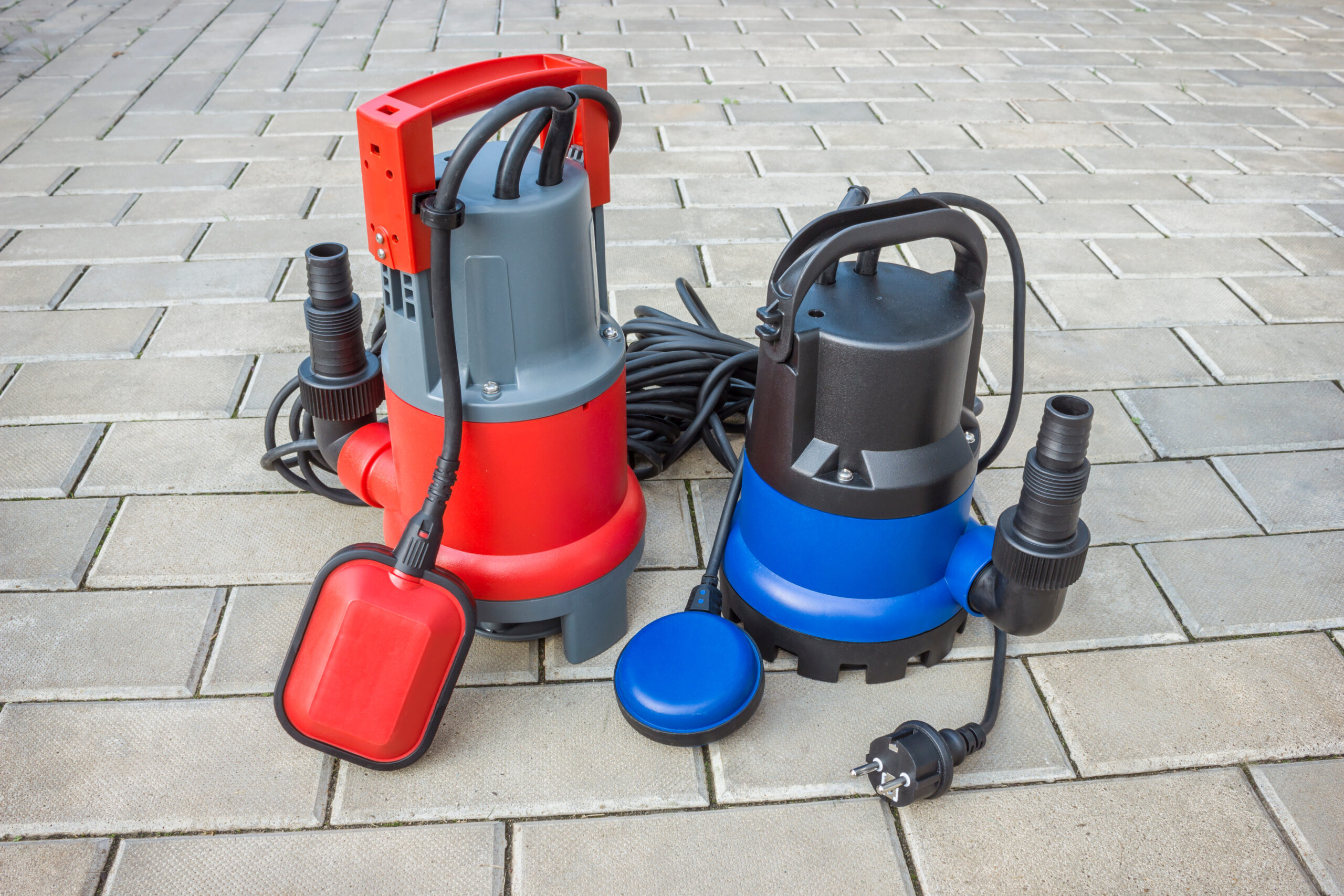
If your basement has a sump pit — that recessed area in the floor, often in a corner — there is likely a sump pump sitting inside it doing quiet but important work. The sump pump’s job is to collect groundwater that gathers in and around the foundation and then pump it away from the home before it can rise high enough to cause flooding. There are two main types: submersible pumps that sit inside the pit and pedestal pumps that sit above it. Submersible models tend to handle heavier water volume more efficiently, while pedestal pumps are easier to access for maintenance. Most homeowners do not think much about their sump pump until it fails — and it often fails at the worst possible time, like during a major storm when it is working hardest.

Key Advantages of Addressing Basement Flooding Properly
Getting a flooded basement repaired — and repaired correctly — pays dividends well beyond the immediate cleanup. Here is what homeowners commonly gain from investing in a proper remediation and waterproofing plan:
- Protection of structural integrity, since persistent moisture weakens concrete, wood framing, and load-bearing elements over time
- Healthier indoor air quality, as wet basements are a primary breeding ground for mold and mildew that can spread throughout the home
- Preserved property value, because a history of water intrusion is a material disclosure issue that affects resale negotiations
- Lower long-term repair costs, since a properly waterproofed basement prevents repeat damage cycles that compound expense
- More usable living space, since a dry basement can serve as storage, a home gym, a guest suite, or a finished living area
Common Drawbacks and Limitations to Understand
Basement waterproofing and flood repair are not without their trade-offs. Interior drainage systems require ongoing maintenance — sump pumps have a limited service life and need to be inspected and tested periodically. Exterior waterproofing, while highly effective, is a significant excavation project that disrupts landscaping and carries substantial labor costs. Some older homes have foundation configurations that make comprehensive waterproofing more complicated or even partially impractical without major structural work. And then there is the cost reality: depending on the scope, basement waterproofing projects can range from a few hundred dollars for minor crack injections to tens of thousands of dollars for full perimeter systems with battery-powered backup sump solutions. Homeowners should approach contractor estimates with a clear understanding of what is included — and what is not.
What Happens During a Flooded Basement Repair
The actual repair process unfolds in distinct phases. First comes water extraction and drying, which typically involves industrial-grade dehumidifiers, air movers, and wet vacuums to remove standing water and pull residual moisture from walls and flooring. This phase can take anywhere from two to five days depending on severity. Next, damaged materials — drywall, insulation, flooring — are removed and disposed of properly. If mold is present, remediation follows before any restoration begins. Once the space is clean and dry, the underlying cause of flooding is addressed, whether that means crack repair, drainage installation, a new sump pump, or exterior grading corrections. Finally, the space is restored to its pre-loss condition or improved upon. Skipping any of these phases tends to create bigger problems later.
How to Maintain Your Basement Systems to Prevent Future Flooding
Maintenance is the most underrated part of basement flood prevention. Homeowners who stay ahead of the problem consistently face fewer emergencies. A practical maintenance routine should include:
- Testing the sump pump every spring and fall by pouring water into the pit to confirm it activates and drains properly
- Inspecting the discharge line to make sure it is directing water at least ten feet away from the foundation
- Checking foundation walls annually for new cracks, efflorescence (white mineral deposits), or moisture staining
- Keeping gutters and downspouts clean and directing water away from the home’s perimeter
- Reviewing the grading around the foundation to confirm the soil slopes away from the house, not toward it
When to Call a Professional Versus Handle It Yourself
Minor moisture issues — a small crack, a damp corner after heavy rain — may be manageable with DIY crack sealants or improved drainage around downspouts. However, any situation involving standing water, recurring flooding, visible mold, or structural cracking warrants professional assessment. Trying to remediate significant water damage without the right equipment and expertise often leads to hidden moisture being trapped behind walls, which creates serious mold problems within weeks. The same applies to sump pump installation — while a confident DIYer can swap out a pump, sizing the pump correctly for the home’s water table conditions and configuring backup systems properly is a job best handled by someone who does it regularly.
How a Home Warranty Can Help When Basement Systems Fail
Here is where things get practical in a different way. A flooded basement can happen because of a mechanical failure — a sump pump that burns out, a plumbing line that ruptures, a water heater that fails — and those failures are exactly where a home warranty earns its keep. Armadillo’s home warranty plans for basement and plumbing system protection are built for moments like these, covering the mechanical failures that lead to water damage before the damage has a chance to escalate. If your sump pump fails during a storm and you do not have coverage, you are absorbing that repair cost entirely out of pocket. With a plan in place, you call, a vetted technician is dispatched, and the covered repair is handled without the financial surprise. Get a free home warranty quote tailored to your home’s plumbing and systems coverage needs and find out exactly what protection looks like before the next heavy rain season arrives. Armadillo keeps things clear, coverage straightforward, and response times fast — because a flooded basement rarely waits for a convenient moment.

Frequently Asked Questions About Flooded Basement Repair
Answers to the questions homeowners ask most when dealing with basement water damage, waterproofing systems, and mechanical failure coverage.
How long does it take to dry out a flooded basement?
The drying process typically takes between two and five days using professional-grade equipment. The timeline depends on how much water entered, the materials affected, and the level of airflow and dehumidification applied during remediation.
Does homeowners insurance cover a flooded basement?
Standard homeowners insurance generally covers sudden and accidental water damage from internal sources, such as a burst pipe. It does not cover flooding from groundwater or external storm surges — that requires a separate flood insurance policy through a program like the National Flood Insurance Program.
What is the difference between interior and exterior basement waterproofing?
Interior waterproofing manages water after it enters the space, typically through drainage channels and sump systems. Exterior waterproofing addresses the foundation from outside to prevent water from entering in the first place. Exterior methods are more comprehensive but significantly more expensive and invasive to install.
How often should a sump pump be replaced?
Most sump pumps have a service life of seven to ten years. Pumps that run frequently due to high water table conditions may wear out faster. Annual testing is recommended, and any pump showing signs of noise, slow cycling, or failure to activate should be inspected promptly.
Can a flooded basement cause mold?
Yes. Mold can begin developing within 24 to 48 hours of water exposure in the right temperature and humidity conditions. Basements are particularly susceptible due to limited airflow. Thorough drying and proper remediation after flooding are essential to preventing mold growth.
Is basement waterproofing worth the investment?
For homes in areas with high water tables, heavy seasonal rainfall, or a history of water intrusion, waterproofing is generally a sound investment. It protects structural integrity, prevents mold, and preserves property value in ways that typically outweigh the upfront cost over time.
Does a home warranty cover sump pump failure?
Coverage varies by provider and plan. Some home warranty plans include sump pumps as part of a plumbing or systems coverage tier. It is important to review the specific terms of any plan before assuming coverage applies, particularly regarding mechanical failure versus damage from flooding itself.
What are signs that my basement waterproofing is failing?
Common warning signs include white chalky deposits on walls called efflorescence, water stains along the base of walls, musty odors, visible cracks in the foundation, and recurring puddles after rainfall. Any of these should prompt a professional evaluation before conditions worsen.
Can I waterproof a basement from the inside only?
Interior waterproofing can effectively manage and redirect water intrusion, but it does not stop water from entering through the foundation. For homes with significant hydrostatic pressure or major foundation cracks, interior-only solutions may need to be paired with exterior repairs for lasting results.
How much does basement flood repair typically cost?
Costs range widely based on damage severity and the scope of work required. Water extraction and drying alone can run between five hundred and three thousand dollars. Full waterproofing installations range from three thousand to over fifteen thousand dollars. Foundation crack injections are generally on the lower end, while complete exterior excavation projects carry the highest price tags.