What Is a French Drain and Why Does Your Yard Might Need One
Water is one of the most patient forces in nature. It does not rush. It just finds the path of least resistance — and sometimes, that path leads directly into your basement, your crawl space, or along the foundation of your home. That is where a French drain comes in. If you have ever noticed standing water pooling in your yard after a rainstorm, or if water seems to creep toward your house rather than away from it, this drainage solution may be exactly what your property needs. Understanding how it works, what it costs, and when it makes sense is the kind of knowledge that can save you from far more expensive problems down the road.
What Exactly Is a French Drain
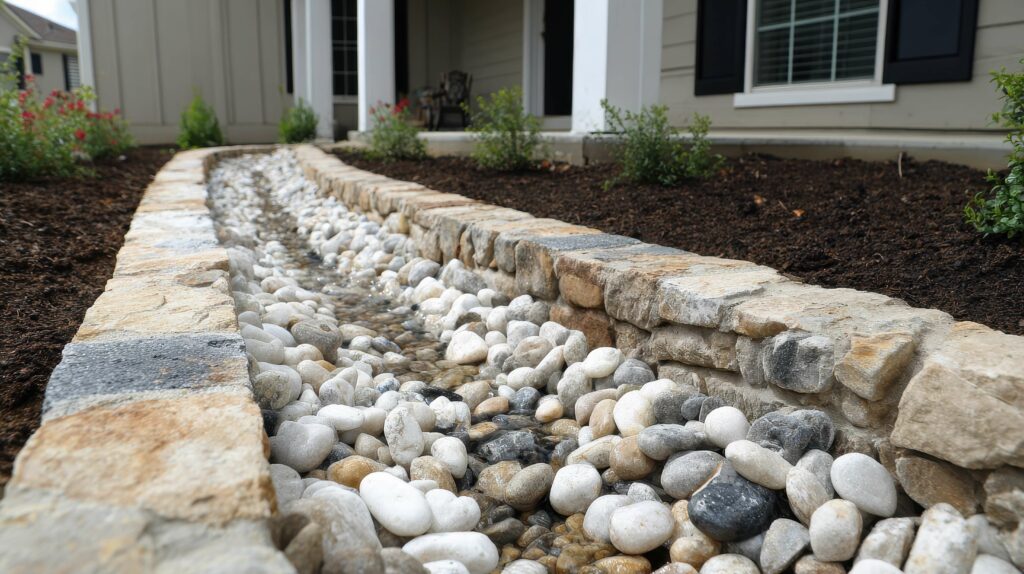
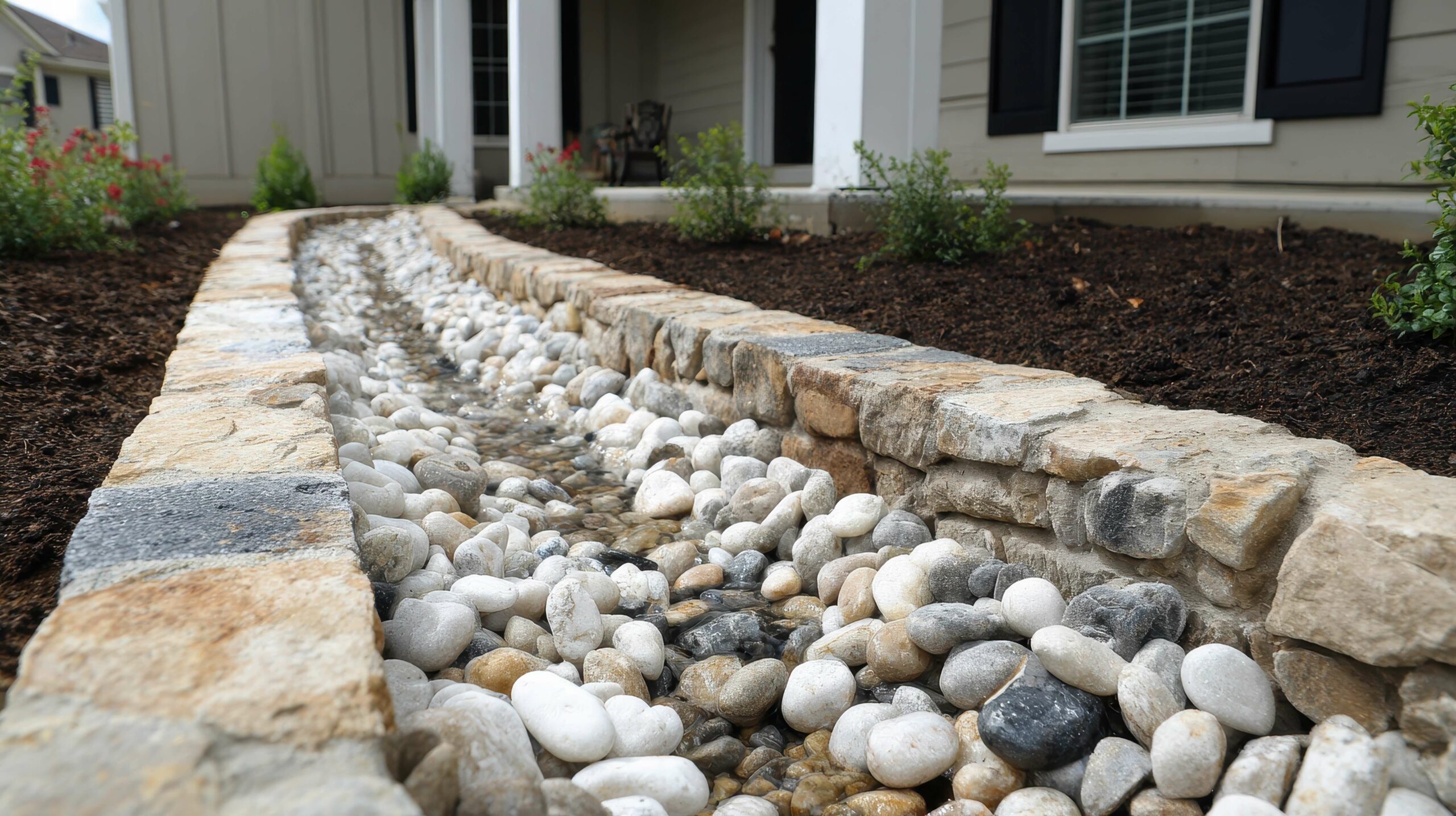
A French drain is a gravel-filled trench that contains a perforated pipe. Its entire purpose is to redirect surface water and groundwater away from areas where it should not accumulate. The name comes from Henry Flagg French, a 19th-century farmer and lawyer who popularized the concept in his 1859 book on farm drainage — not from the country of France, which is a detail that surprises a lot of people. The system is elegantly simple: water enters the gravel, flows into the pipe through its perforations, and is carried away to a safer discharge point like a drainage ditch, a dry well, or the street. No pump required. Just gravity doing what it does.
How a French Drain Actually Works
The mechanics are straightforward once you see the full picture. A trench is dug at a slight slope — typically about one inch of drop for every eight feet of length. The trench is lined with landscape fabric to prevent soil from infiltrating and clogging the system. Then it is filled with gravel or crushed stone, which allows water to move freely. A perforated pipe sits inside that gravel bed, collecting the water and channeling it along the slope toward the designated outlet. The gravel layer on top serves as both a filter and a surface through which runoff water can enter the system. Some installations are capped with topsoil and grass, making the drain nearly invisible from the surface.
The Key Advantages of Installing a French Drain
- Protects your foundation from hydrostatic pressure caused by water buildup in the surrounding soil
- Eliminates standing water in yards and low-lying areas that would otherwise become unusable
- Reduces the risk of basement flooding and crawl space moisture issues
- Operates passively without any mechanical components or electricity
- Can extend the life of landscaping, hardscaping, and structural elements around your home
- Relatively low maintenance once properly installed
That last point matters more than people realize. A well-installed French drain can function effectively for decades with minimal intervention. The passive nature of the system means there are no moving parts to wear out and no motors to burn out at the worst possible time. For homeowners who want a drainage solution that quietly does its job without demanding attention, this is genuinely hard to beat.

Common Drawbacks and Limitations to Know Before You Dig
French drains are not a universal solution. They work best in situations where water needs to be redirected, not stopped entirely. If your property sits in an area with a very high water table, a French drain alone may not be sufficient to keep moisture out of your basement or crawl space. Additionally, the system can become clogged over time if the landscape fabric degrades or if the surrounding soil is particularly fine and silty. Tree roots are another concern — roots are naturally drawn to moisture, and they will find a perforated pipe if it is close enough. Choosing the right installation depth and location, and using root-resistant pipe materials when necessary, can mitigate this risk but not eliminate it entirely.
French Drain vs. Other Drainage Solutions
It helps to understand how a French drain compares to some alternatives. A surface drain, sometimes called a catch basin, collects water at a specific low point and channels it away. It handles pooling in concentrated areas but does not address the broader issue of water migrating through the soil toward your foundation. A sump pump, on the other hand, actively removes water that has already entered a basement or crawl space. These systems serve different purposes — a French drain is a preventive measure, while a sump pump is more of a reactive one. In many homes, both systems work together as complementary layers of protection rather than substitutes for each other.
When Should You Consider Installing a French Drain
There are several clear signals that a French drain might be the right move for your property. Persistent wet spots in the yard that take days to dry after rain are one. Water stains along the interior base of your foundation walls are another. Efflorescence — that chalky white residue you sometimes see on concrete — is a sign that water is pushing through masonry and depositing minerals as it evaporates. Musty odors in a basement or crawl space can indicate chronic moisture infiltration. If you are planning a landscaping renovation, adding a retaining wall, or building out any structure that could alter how water flows across your property, that is also an ideal time to evaluate whether a French drain should be part of the plan.
What Does a French Drain Cost
Costs vary depending on the length of the drain, the depth required, soil conditions, and whether the work is handled by a professional or as a DIY project. For most residential installations, professional French drain installation runs somewhere between $20 and $100 per linear foot, with the national average for a typical yard installation falling in the range of $1,500 to $6,000. Interior basement French drain systems, which are installed beneath the floor along the perimeter of the basement, tend to cost more — often between $5,000 and $15,000 depending on the size of the space. DIY installations can be significantly cheaper in material costs, but they require careful attention to slope, drainage outlet placement, and fabric installation to function properly over time.
Maintenance Tips to Keep Your French Drain Performing Well
- Flush the pipe periodically with a garden hose or pressure washer to clear sediment buildup
- Inspect the outlet point seasonally to ensure it is not blocked by debris, leaves, or soil erosion
- Avoid planting trees or large shrubs directly over or adjacent to the drain line
- Watch for any new pooling patterns near the drain, which can indicate a clog or a shift in the pipe
- Check the landscape fabric at the surface level if the drain is exposed or partially visible
Most homeowners find that once a French drain is installed correctly, ongoing maintenance is minimal. An annual walkthrough during or after a heavy rain is usually enough to confirm the system is performing as expected. Catching a minor clog early is far preferable to discovering the pipe has been completely blocked for years.
How Armadillo Helps Protect the Home Systems That Work Alongside Your Drainage
A French drain protects the structural integrity of your home by managing water — but it works alongside a network of plumbing, appliances, and mechanical systems that also need protection. When a sump pump fails, when a water heater gives out, or when a plumbing line starts leaking, the financial impact can be immediate and significant. That is where having the right home warranty in place makes a real difference. Armadillo home warranty plans for plumbing and major home systems are built for homeowners who want straightforward, honest coverage without the fine-print surprises. Whether you are managing drainage upgrades or just trying to stay ahead of the next unexpected repair, get a free home warranty quote for your drainage-adjacent home systems and see exactly what is covered before something breaks. Protection should be simple — and with Armadillo, it is.

Frequently Asked Questions About French Drains
These are some of the most common questions homeowners ask when exploring French drain installation and drainage solutions for their property.
How deep should a French drain be installed?
Most residential French drains are installed between 18 inches and 24 inches deep. For foundation protection specifically, the drain should sit at or just below the level of the footing to intercept water before it builds pressure against the foundation wall.
How long does a French drain last?
A properly installed French drain can last 30 to 40 years or more. The most common cause of early failure is clogging from soil infiltration, which is why landscape fabric and quality gravel selection matter during installation.
Can I install a French drain myself?
Yes, but it requires careful planning. You need to identify the correct slope, choose an appropriate discharge point, and ensure the pipe and gravel are installed in the right sequence. Mistakes in any of these areas can result in a drain that collects water but fails to move it effectively.
Will a French drain eliminate basement flooding?
A French drain reduces the risk of basement flooding by managing groundwater and surface water before it reaches your foundation. However, it is not a guaranteed solution for all flooding scenarios, particularly in areas with a high water table or during extreme rainfall events.
Does a French drain require a permit?
This depends on your municipality. Some jurisdictions require permits for drainage work, especially if the discharge point connects to a storm drain or municipal system. Always check with your local building department before beginning any excavation.
What is the difference between an interior and exterior French drain?
An exterior French drain is installed in the yard around the perimeter of the home to intercept water before it reaches the foundation. An interior French drain is installed beneath the basement floor along the interior perimeter and works in combination with a sump pump to remove water that has already entered the space.
How do I know if my French drain is clogged?
Signs of a clogged French drain include water pooling in areas that the drain previously kept dry, slow drainage after rainfall, and visible backflow near the inlet or outlet point. Flushing the pipe with a hose is often the first diagnostic step.
Can a French drain cause any damage to my property?
If incorrectly installed, a French drain can redirect water toward structures, neighboring properties, or landscaping features. This is why proper slope calculation and outlet placement are critical. A poorly designed system can create new problems while solving the original one.
Does a French drain add value to a home?
Indirectly, yes. Buyers and home inspectors view proper drainage as a positive indicator of how well a home has been maintained. Eliminating moisture issues that could otherwise flag during an inspection can support a smoother sale process and protect the long-term value of the property.
What type of pipe is used in a French drain?
Most French drain installations use either corrugated perforated plastic pipe or PVC perforated pipe. PVC is generally preferred for its rigidity and resistance to crushing under soil pressure, while corrugated pipe is more flexible and easier to work with in DIY installations.