What Is Freon and Why Does Your AC Unit Need It?
If your air conditioner has ever stopped cooling your home the way it should, there is a good chance someone mentioned the word “Freon” at some point during the conversation. It gets brought up constantly, but it rarely gets explained properly. Freon is a refrigerant — a chemical substance that cycles through your air conditioning system and makes the cooling process possible. Without it, your AC is essentially just a fan pushing warm air around your house, which is not exactly the outcome anyone is hoping for in the middle of July.
How Refrigerant Actually Works Inside Your AC System
Here is the part most homeowners never hear about, and honestly, it is worth understanding. Refrigerant does not get “used up” like gasoline in a car. It circulates continuously through a closed-loop system that includes the evaporator coil, the compressor, the condenser coil, and an expansion valve. The refrigerant absorbs heat from the indoor air at the evaporator coil, travels outside to the condenser where it releases that heat, and then cycles back inside to start the process over again. That repeating loop is what keeps your home cool. The refrigerant changes between liquid and gas states as it moves through the system, and that phase change is the actual mechanism behind heat transfer. It is elegant engineering, even if it sounds complicated on the surface.
The Shift Away From Freon: What Homeowners Need to Know
For decades, the refrigerant most people called “Freon” was actually R-22, a hydrochlorofluorocarbon that worked well but turned out to be damaging to the ozone layer. The Environmental Protection Agency phased out R-22 production and import in the United States as of January 1, 2020. If your AC system was manufactured before 2010, there is a reasonable chance it still runs on R-22. That matters because R-22 is now only available from recycled or recovered stockpiles, which means the cost has increased significantly and will likely keep rising. Newer systems use refrigerants like R-410A or the even newer R-32 and R-454B blends, which are more environmentally responsible and more widely available.

Signs Your AC System May Be Low on Refrigerant
Because refrigerant operates in a sealed system, a drop in refrigerant levels almost always indicates a leak somewhere in the system. It does not simply evaporate over time. Knowing the warning signs can help you catch the problem early before it becomes a much larger expense. Here are the most common indicators that your system may be low on refrigerant:
- Your home is not reaching the temperature set on the thermostat, even after the system has been running for an extended period
- The air coming from your vents feels warm or only slightly cool
- You notice ice forming on the refrigerant lines or on the evaporator coil
- Your energy bills have increased noticeably without a change in usage habits
- You hear a hissing or bubbling sound near the indoor unit, which can indicate a refrigerant leak
The Advantages of Modern Refrigerant Systems
The move away from older refrigerants like R-22 has not been painless for homeowners with aging equipment, but the advantages of modern refrigerant technology are real and worth acknowledging. R-410A and its newer successors operate at higher pressures, which actually improves efficiency in well-designed systems. Modern refrigerants also have a lower global warming potential compared to the compounds they replaced, making them better for the environment. Newer AC systems built around current refrigerant standards tend to have higher SEER ratings — Seasonal Energy Efficiency Ratio — which translates directly into lower monthly energy costs for homeowners. So while the transition created some short-term headaches, the long-term direction is genuinely better.
The Real Drawbacks of Refrigerant Issues for Homeowners
Let us be straightforward about the challenges here. Refrigerant-related problems are among the more expensive AC repairs a homeowner can face. If your system is leaking R-22 and the equipment is older, you may be looking at a difficult choice between paying a premium to recharge a system that will keep leaking or replacing the unit entirely. Even with newer refrigerants, leak detection and repair require a licensed HVAC technician — handling refrigerant without EPA certification is actually illegal for good reason. Labor costs, diagnostic fees, and refrigerant costs can add up quickly, and these repairs often come without warning, right when temperatures are at their worst and HVAC companies are at their busiest.
Can You Add Refrigerant Yourself?
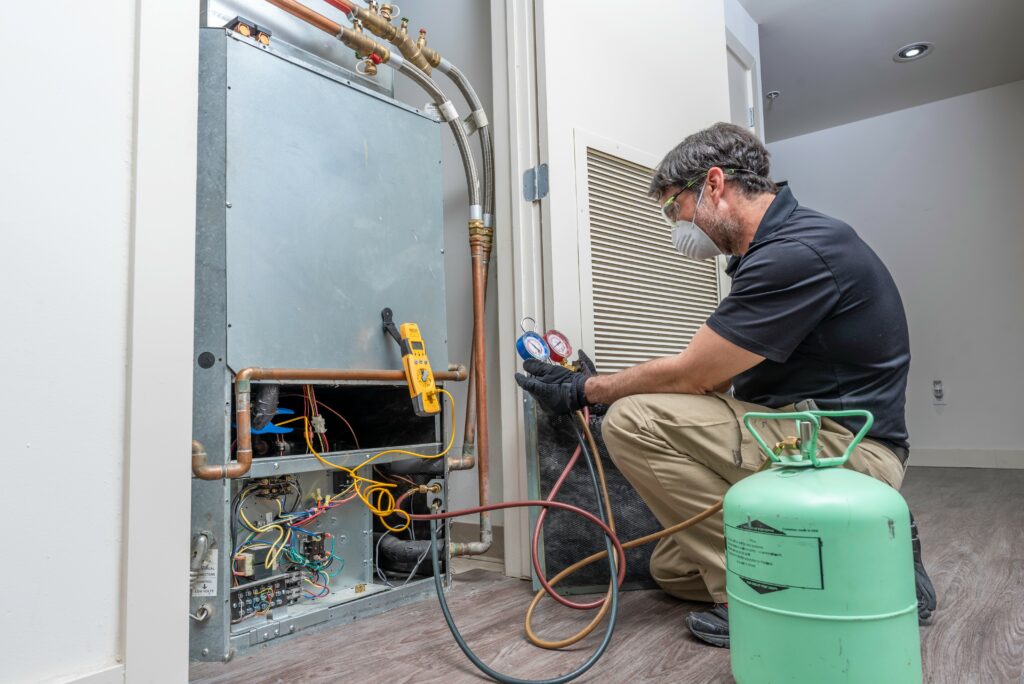
This question comes up often, and the answer is no — not legally and not safely without proper certification. The EPA requires technicians who purchase and handle refrigerants to hold Section 608 certification. Beyond the legal component, adding refrigerant to a leaking system without first finding and repairing the leak is essentially pouring money into a broken container. A qualified HVAC technician will perform a leak test, locate the source of the problem, make necessary repairs, and then recharge the system to the manufacturer’s specified levels. Attempting to shortcut this process typically results in bigger problems and higher costs down the line.
Practical Tips for Protecting Your AC System Long-Term
Maintaining your air conditioning system proactively is the most effective way to avoid refrigerant-related emergencies. A few straightforward habits can make a significant difference in how your system performs and how long it lasts:
- Schedule annual HVAC maintenance with a licensed technician before the cooling season begins, ideally in early spring
- Replace air filters regularly — typically every one to three months depending on your household — to maintain proper airflow and reduce strain on the system
- Keep the area around your outdoor condenser unit clear of debris, vegetation, and obstructions
- Pay attention to changes in cooling performance and energy bills, as early detection of refrigerant issues saves money
- Ask your HVAC technician to check refrigerant levels and inspect for leaks during routine maintenance visits
How a Home Warranty Fits Into Your AC Protection Strategy
Refrigerant issues rarely show up at a convenient time or with a convenient price tag. That unpredictability is exactly where a home warranty becomes genuinely valuable. A quality home warranty plan that covers your central air conditioning system can help offset the cost of repairs when something like a refrigerant leak or a failing compressor catches you off guard. Armadillo home warranty coverage for air conditioning systems is built with the kind of straightforward terms homeowners actually appreciate — no confusing exclusions buried in the fine print, no runaround when you need service. When your AC stops working and the technician mentions refrigerant, the last thing you want to be doing is calculating whether you can absorb a $400 to $1,500 repair bill out of pocket. Armadillo exists precisely so that does not have to be your reality. If you want to stop treating your HVAC system like a financial liability waiting to happen, taking a few minutes to get a personalized home warranty quote for AC and refrigerant repair coverage is one of the smarter moves a homeowner can make heading into any cooling season.

Frequently Asked Questions About Freon and AC Refrigerant
Here are answers to the questions homeowners ask most often about refrigerant, air conditioning systems, and how to handle problems when they arise.
What is Freon exactly?
Freon is a brand name that became a common term for refrigerants used in air conditioning and refrigeration systems. It most commonly refers to R-22, a refrigerant that has been phased out in the United States due to its environmental impact on the ozone layer.
Is Freon still used in air conditioners today?
R-22, the refrigerant most associated with the Freon name, is no longer manufactured or imported in the U.S. as of 2020. Older systems may still use it, but newer air conditioners use alternative refrigerants such as R-410A, R-32, or R-454B.
How do I know if my AC is low on refrigerant?
Common signs include reduced cooling performance, warm air coming from the vents, ice buildup on the evaporator coil or refrigerant lines, higher energy bills, and hissing or bubbling sounds near the unit.
How much does it cost to recharge AC refrigerant?
The cost varies depending on refrigerant type, the amount needed, and local labor rates. R-22 recharges can cost significantly more due to limited supply. Homeowners can expect to pay anywhere from $150 to over $1,500 depending on the situation and refrigerant type.
Can refrigerant levels drop without a leak?
No. Refrigerant operates in a sealed system and does not deplete under normal operating conditions. A drop in refrigerant levels is almost always the result of a leak somewhere in the system that must be located and repaired before the refrigerant is recharged.
Is it safe to run my AC if it is low on refrigerant?
Running an air conditioner with low refrigerant can cause serious damage to the compressor, which is one of the most expensive components in the system. If you suspect a refrigerant issue, it is best to have the system inspected by a licensed HVAC technician promptly.
Does a home warranty cover refrigerant and AC repairs?
Many home warranty plans include coverage for central air conditioning systems, which can include the cost of diagnosis and repairs related to refrigerant issues. Coverage terms vary by provider, so reviewing what is included in your specific plan is important.
How long does refrigerant last in an AC unit?
Refrigerant does not have an expiration date and should last the life of the system if there are no leaks. A properly sealed and maintained system should never need a refrigerant recharge under normal operating conditions.
What is the difference between R-22 and R-410A?
R-22 is an older refrigerant now phased out due to its ozone-depleting properties. R-410A is its more environmentally responsible successor, operating at higher pressures and offering better efficiency. The two are not interchangeable and require different system components.
When should I replace my AC unit instead of recharging the refrigerant?
If your system uses R-22, is more than 10 to 15 years old, requires frequent repairs, or has a significant refrigerant leak, replacement is often the more cost-effective long-term decision compared to continuing to invest in an aging system with an increasingly expensive refrigerant.