Why Is There Ice on My AC Unit? Understanding a Frozen Air Conditioner
You walk outside on a hot summer afternoon, glance over at your air conditioner, and notice something that stops you cold — ice. Actual ice, coating the refrigerant lines or the unit itself. It feels wrong because it is wrong. A frozen AC line is one of the more common cooling system problems homeowners encounter, and while it might look minor, it can signal something that needs immediate attention. This article breaks down exactly what causes a frozen AC line, what it means for your system, and what you should do about it before the problem gets worse.
What Does a Frozen AC Line Actually Mean
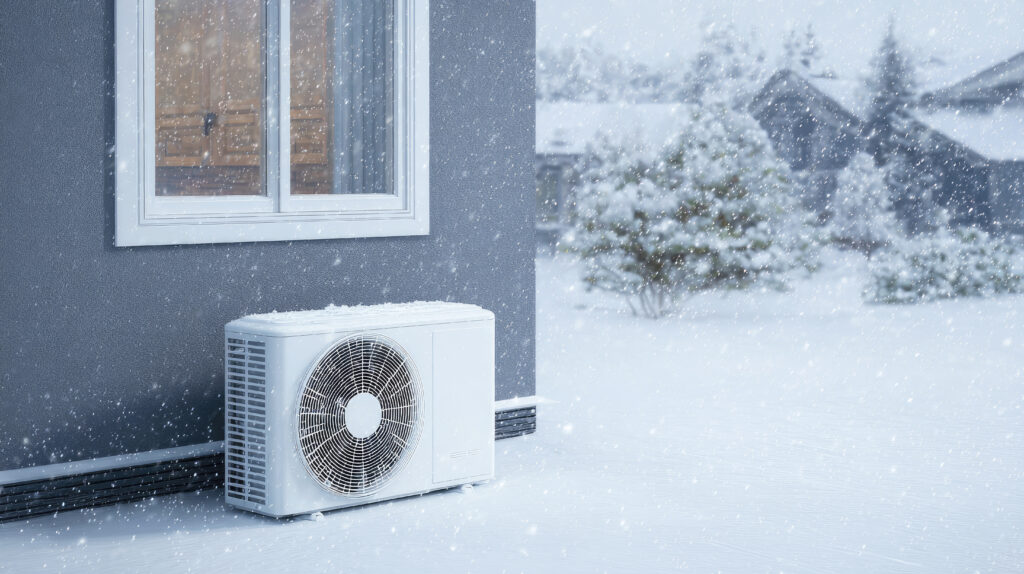
A frozen line on your AC unit refers to ice forming along the refrigerant line, which is the copper tubing that runs between your indoor air handler and the outdoor condenser unit. In a properly functioning system, refrigerant cycles through those lines absorbing and releasing heat to cool your home. When something disrupts that process, the temperature around the evaporator coil drops too low and moisture in the surrounding air freezes on contact. The result is visible ice buildup, sometimes limited to the line itself and sometimes extending to the entire evaporator coil inside your air handler. Neither scenario is something to ignore.
The Most Common Causes of a Frozen AC Line
There is rarely just one cause behind a frozen AC line, but certain culprits show up more often than others. Understanding what triggers this issue helps you respond faster and smarter.
- Restricted airflow from a dirty or clogged air filter forces the evaporator coil to work harder with less warm air passing over it, causing temperatures to drop rapidly.
- Low refrigerant levels, often the result of a slow leak, reduce pressure inside the system and cause the coil temperature to fall below freezing.
- Blocked or closed vents in multiple rooms prevent adequate air circulation throughout the system.
- A malfunctioning blower fan fails to push enough air across the evaporator coil, disrupting the heat exchange process entirely.
- Running the AC in outdoor temperatures below 60 degrees Fahrenheit can cause the system to freeze since it is not designed to operate in those conditions.
How to Identify a Frozen AC Line Before It Gets Worse
The signs are often more noticeable than people expect. If your air conditioner is blowing warm air despite running constantly, that is a red flag. You might also notice water pooling near your indoor air handler as the ice melts, reduced airflow from your vents, or a hissing or gurgling sound coming from the refrigerant lines. Check the large copper line running from your outdoor unit — it should feel cool but should never have visible frost or ice on it during normal operation. If it does, the system is already in a compromised state and needs intervention.

What to Do When You Discover Ice on Your AC Unit
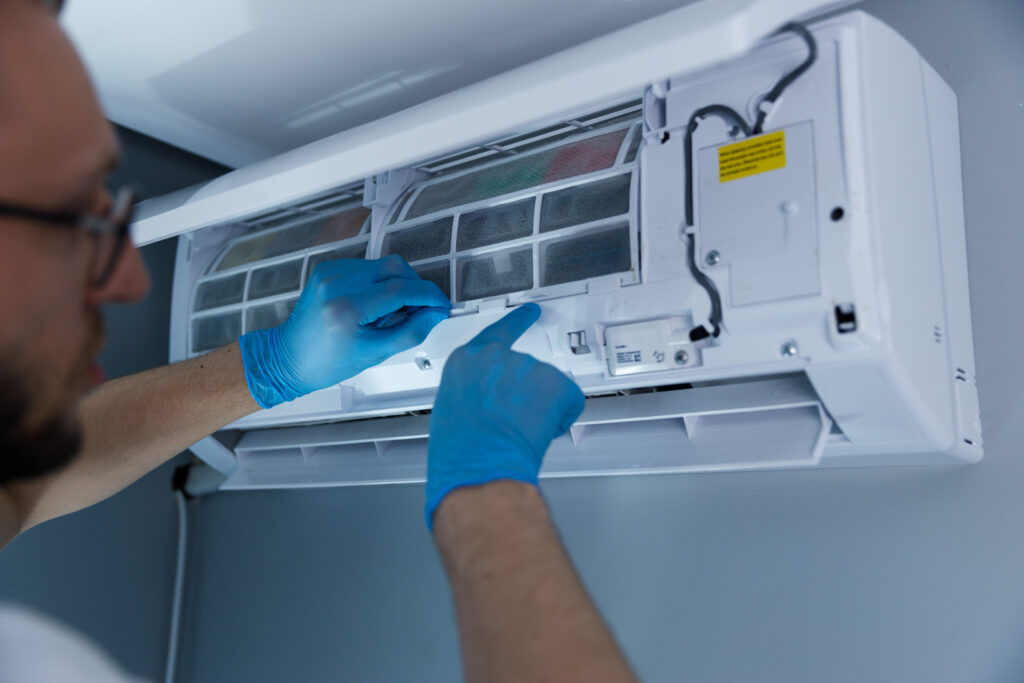
The first move is counterintuitive but critical — turn off your air conditioner. Running a frozen AC unit causes the compressor to work under extreme stress, and compressor damage is one of the most expensive repairs in the entire HVAC world. Once the unit is off, switch the thermostat fan setting to ON rather than AUTO. This circulates room-temperature air over the frozen coil to help it thaw faster without running the cooling cycle. You can expect the thawing process to take anywhere from one to several hours depending on the extent of the ice buildup. While you wait, check your air filter and replace it if it looks dirty. This is free, fast, and eliminates one of the most common causes immediately.
When to Call an HVAC Technician
Once the ice has fully melted, you can try restarting the system and monitoring it closely. If freezing occurs again within a short period, or if you notice the system is still not cooling effectively after thawing, it is time to call a licensed HVAC technician. A recurring frozen line most often points to a refrigerant leak, which is not a DIY repair under any circumstances. Refrigerant handling requires EPA certification, and the leak itself needs to be located and properly sealed before the system is recharged. Attempting to add refrigerant without fixing the leak is like filling a tire with a nail still in it — a temporary fix that solves nothing.
The Real Cost of Ignoring a Frozen AC Line
Leaving a frozen AC line unaddressed can escalate quickly from a manageable repair to a significant expense. The evaporator coil can sustain damage from prolonged freezing, costing several hundred to over a thousand dollars to replace depending on the unit. More seriously, if ice forms and the system continues running, the compressor can overheat and fail entirely. Compressor replacement or full AC system replacement can run from one thousand to over five thousand dollars depending on the unit size and installation complexity. A frozen line may seem like a minor inconvenience, but the downstream consequences of ignoring it are anything but minor.
Preventive Maintenance Tips to Avoid Future Freezing
Preventing a frozen AC line is significantly easier than dealing with one. Consistent, simple maintenance habits go a long way toward keeping your system running efficiently all season long.
- Replace your air filter every one to three months, or more frequently if you have pets or allergy concerns.
- Schedule a professional AC tune-up once a year, ideally in spring before peak cooling season begins.
- Keep all supply and return vents in your home open and unobstructed by furniture or rugs.
- Clean the area around the outdoor condenser unit and trim back any vegetation that may restrict airflow.
- Avoid running your AC when outdoor temperatures drop below 60 degrees Fahrenheit.
Does a Home Warranty Cover a Frozen AC Line
This is one of the most frequently asked questions in the home warranty space, and the answer depends on what caused the freeze and what your specific plan covers. Most quality home warranty plans cover the mechanical components of your HVAC system, including the compressor, evaporator coil, refrigerant lines, and blower fan. If a covered component fails and leads to a frozen line situation, the repair costs may be covered after your service fee. However, coverage typically does not apply to problems caused by lack of maintenance, such as a neglected filter or a refrigerant leak that went unaddressed for months. This is exactly why understanding your home warranty terms matters as much as having one in the first place.
Why Armadillo Is the Right Call When Your AC Acts Up
A frozen AC line is a perfect example of the kind of stressful, unexpected home system failure that a good home warranty exists to protect against. When your cooling system breaks down in the middle of July and you are staring at an ice-coated refrigerant line, the last thing you want is to scramble for a technician and worry about how large the bill will be. That is where Armadillo home warranty coverage for air conditioning systems steps in to take that uncertainty off your plate. Armadillo offers straightforward, honest coverage for the home systems and appliances that matter most, including HVAC components that are prone to exactly the kind of mechanical failures described throughout this article. If you have been putting off protecting your home, now is a practical moment to act — you can get a free AC home warranty quote and start protecting your cooling system today in just a few minutes. No pressure, no confusing fine print — just real coverage designed for real homeowners.

Frequently Asked Questions About Frozen AC Lines
Here are answers to the most common questions homeowners ask when they discover ice on their air conditioning unit.
Is it safe to run my AC if the line is frozen?
No. Running a frozen AC unit puts serious strain on the compressor and can cause it to fail. Turn the system off immediately and allow it to thaw completely before attempting to restart it.
How long does it take for a frozen AC line to thaw?
Depending on the severity of the ice buildup, it can take anywhere from one hour to several hours. Running just the fan setting on your thermostat helps speed up the process by circulating warm air over the coil.
Can a dirty air filter really cause a frozen AC line?
Yes, and it is one of the leading causes. A clogged filter restricts the airflow that the evaporator coil needs to function properly, causing the coil temperature to drop below freezing even when the system appears to be running normally.
What does low refrigerant have to do with a frozen AC line?
Low refrigerant reduces the pressure inside the system, which causes the temperature at the evaporator coil to drop abnormally low. That extreme cold causes any nearby moisture to freeze, resulting in ice buildup on the coil and refrigerant lines.
Can I add refrigerant myself to fix a frozen line?
No. Refrigerant handling requires EPA certification and should only be performed by a licensed HVAC technician. Additionally, simply adding refrigerant without repairing the underlying leak will not solve the problem long term.
How do I know if the problem is a refrigerant leak versus an airflow issue?
Start by replacing your air filter and confirming all vents are open. If the unit freezes again after thawing and those steps are taken, a refrigerant leak is the more likely cause and requires professional diagnosis with specialized equipment.
Will my home warranty cover a frozen AC line repair?
Coverage depends on your specific home warranty plan and the root cause of the failure. Many plans cover mechanical HVAC components like the compressor and evaporator coil when they fail due to normal wear. Damage caused by deferred maintenance may be excluded, so reviewing your plan terms is important.
How often should I have my AC serviced to prevent freezing?
A professional HVAC tune-up once per year, ideally in the spring before cooling season begins, is the standard recommendation. During that visit, the technician will check refrigerant levels, inspect the blower, and clean the coil, all of which directly reduce the risk of freezing.
Can a frozen AC line cause water damage inside my home?
Yes. When the ice melts, it produces a significant volume of water that can overflow the condensate drain pan and leak onto floors or into walls, potentially causing water damage and mold growth if not addressed quickly.
Is a frozen AC line more common in older units?
Older units are more susceptible because components like the blower fan wear down over time and refrigerant leaks become more likely as connections and seals age. Regular maintenance helps extend the lifespan of any unit, but aging systems do carry a higher risk of this and other HVAC problems.