Turning Your Garage Into Living Space: What It Actually Costs and What You Need to Know
If you have ever looked at your garage and thought, that space could be so much more useful, you are not alone. Converting a garage into livable square footage is one of the most popular home improvement projects homeowners pursue, and for good reason. It adds functional space without the footprint of a full addition. But before you start imagining a home office, guest suite, or rental unit, it helps to understand what this kind of project actually involves, what it costs on average, and what you might be getting yourself into once the walls go up.
What Is a Garage Conversion and How Does It Work
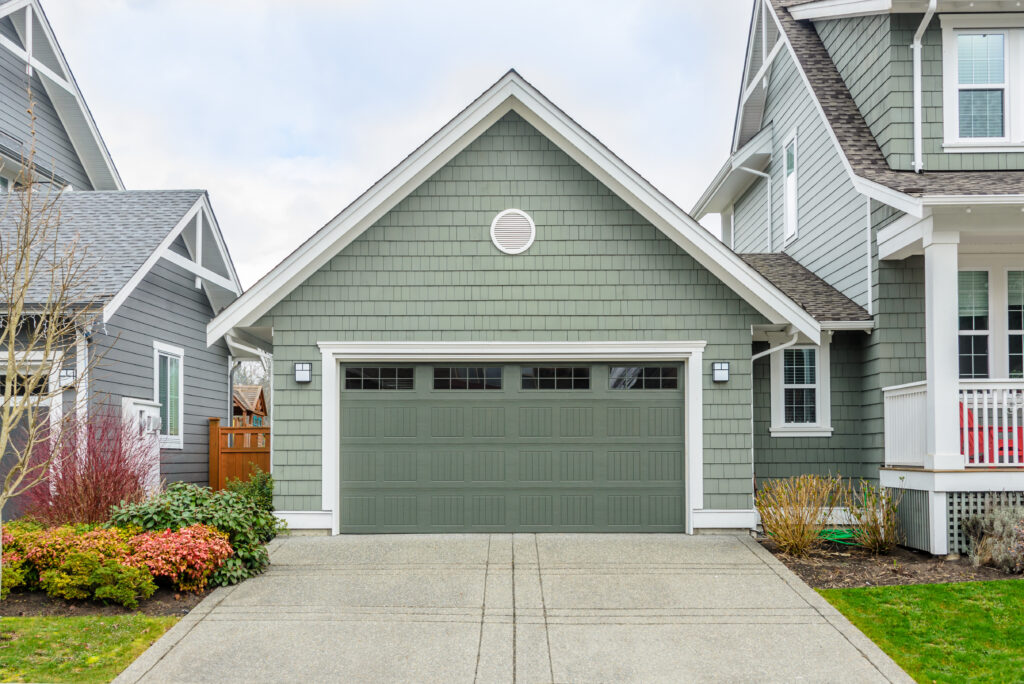
A garage conversion is exactly what it sounds like. You take an existing attached or detached garage and transform it into a room that functions as part of your living space. This might mean adding insulation, drywall, flooring, electrical upgrades, HVAC connections, and new windows or doors. The garage bones are already there, which is part of what makes this option more cost-effective than building new square footage from scratch. Depending on the local building codes in your area, you may also need to pull permits, which affects both your timeline and your budget. This is not a weekend DIY project for most homeowners. It requires licensed contractors, inspections, and a fair amount of planning upfront.
The Average Cost to Convert a Garage to Living Space
Here is where it gets real. The national average cost to convert a garage into livable space typically falls between $6,000 and $27,000, with most homeowners spending somewhere around $15,000 to $20,000 for a full conversion. That is a wide range, and for good reason. The final number depends on a handful of factors that can either keep your budget manageable or send it climbing fast.
- Size of the garage: A single-car garage runs cheaper than a two-car or three-car space
- Intended use: A simple home office costs less to finish than a full guest suite with a bathroom
- Existing infrastructure: If your garage already has some electrical and insulation, you are ahead of the curve
- Regional labor rates: Contractors in major metros charge significantly more than those in smaller markets
- Permit and inspection fees: These vary widely by city and county
Framing and drywall tend to be the baseline expenses, but the real cost drivers are HVAC extension, plumbing rough-in if a bathroom is involved, and electrical panel upgrades. Do not underestimate those line items when budgeting.
Key Advantages of Converting Your Garage
The appeal of this project goes beyond just adding square footage, though that alone can meaningfully increase your home’s value. A garage conversion gives you flexible space that you can tailor to your exact needs. Many homeowners use converted garages as home offices, gyms, playrooms, or in-law suites. In markets where accessory dwelling units are permitted, a garage conversion can even become a rental unit, generating monthly income. Because you are working within an existing structure, the project timeline is typically shorter than a full addition, and the disruption to daily life is more contained. From a return-on-investment standpoint, well-executed garage conversions often recoup between 50 and 80 percent of their cost in added home value, depending on the market.

Common Drawbacks You Should Think Through First
It would not be responsible to talk about garage conversions without being equally honest about the downsides. The most obvious one is that you are permanently giving up your garage storage and covered parking. For some households, that trade-off makes sense. For others, it creates a real logistical problem. Beyond that, if the conversion is not permitted and inspected properly, it could create complications when you go to sell the home. Appraisers and buyers will notice unpermitted work, and some lenders will flag it. There is also the ongoing maintenance consideration. Any new living space means new systems, which means more opportunities for things to go wrong. HVAC components, electrical work, and plumbing all introduce potential points of failure that did not exist when the space was just a garage.
What the Permitting Process Actually Involves
Pulling permits feels like a hassle, but it protects you in ways that matter. When you convert a garage to living space, most municipalities require permits for structural changes, electrical work, plumbing, and HVAC. An inspector will typically review the work at multiple stages. The process ensures the space meets local building codes for ceiling height, egress, ventilation, and fire safety. Skipping this step might save time upfront, but it can cost you significantly more later when the work needs to be ripped out and redone to meet code. Always verify local requirements before breaking ground, and make sure your contractor is pulling permits in their name, which is a sign of a legitimate professional.
Heating and Cooling a Converted Garage Space
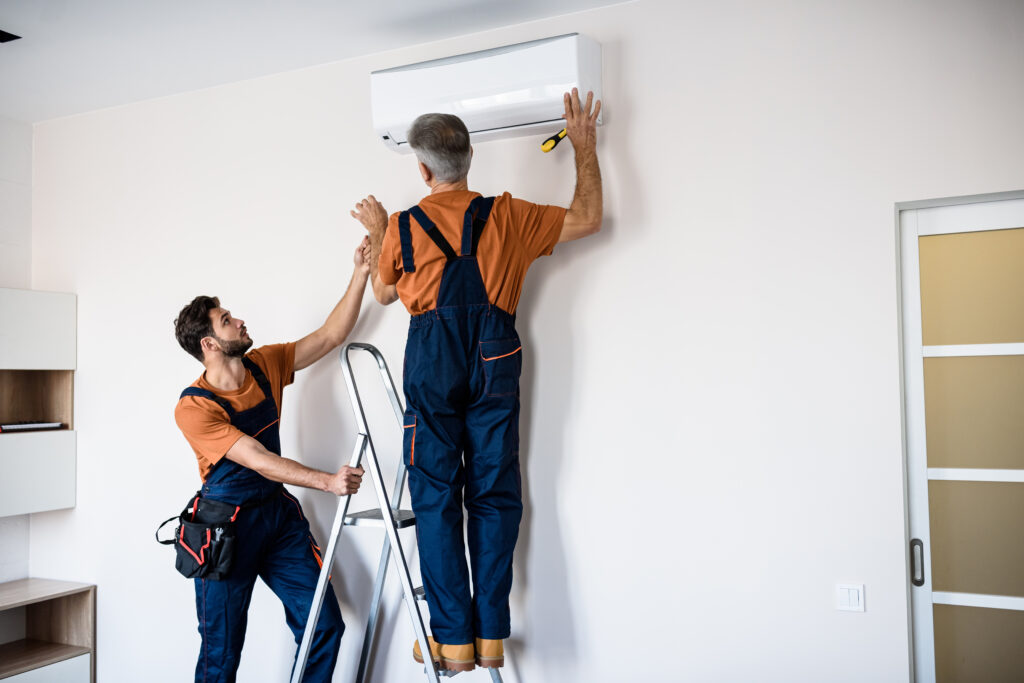
HVAC is one of the most underestimated parts of a garage conversion. Garages are not originally designed to be conditioned spaces, which means your existing HVAC system may not have the capacity to adequately heat and cool the new room. Options include extending your existing ductwork if the system can handle the additional load, installing a ductless mini-split system, or using supplemental electric heating. Mini-split systems have become increasingly popular for converted spaces because they are efficient, relatively affordable to install, and do not require major ductwork modifications. Whatever route you choose, get a load calculation done by an HVAC professional so you are not guessing on capacity.
Flooring, Insulation, and Finishing Touches That Make or Break the Space
A converted garage that looks like a converted garage is a missed opportunity. The finishing details are what make the space feel like it belongs in your home. Insulation is non-negotiable, both in the walls and the ceiling, and if your garage slab sits directly on the ground, you will want to address moisture before installing any floor covering. Luxury vinyl plank has become a go-to option for garage conversions because it handles moisture better than hardwood and looks polished without the premium price tag. Drywall, paint, and trim work do the heavy lifting on the visual side. Lighting matters more than most people think, especially in spaces that may lack natural light from existing windows.
How a Home Warranty Fits Into the Garage Conversion Picture
Once your garage conversion is complete, you have invested real money into a new living space that now contains systems and components that can break down over time. HVAC equipment, electrical systems, and plumbing are all subject to normal wear and the kinds of failures that are both inconvenient and expensive. A home warranty is one of the smarter tools homeowners use to manage that ongoing risk. It is not a replacement for homeowners insurance, which covers sudden damage events. A home warranty addresses the mechanical and functional failures that insurance typically does not. Think of it as a financial buffer between you and the repair bills that come with owning a home with more systems to maintain.
Why Armadillo Is Worth a Look When Your Converted Space Is Ready
Once your garage conversion is done and you have new systems running in a space that did not exist on your floor plan a year ago, the question of protection becomes very real. Armadillo home warranty coverage for homeowners investing in garage conversions is built around transparency, straightforward pricing, and coverage that actually shows up when something goes wrong. There are no surprise exclusions buried in fine print, and the claims process is designed to feel like interacting with a company that respects your time. If you have just completed a significant home improvement project, this is exactly the moment to make sure your investment is protected going forward. You can get a free home warranty quote for your upgraded living space in just a few minutes and see what plan fits your home without any pressure or commitment.

Frequently Asked Questions About Garage Conversions
These are the questions homeowners ask most often when considering this type of project.
How much does it cost on average to convert a garage into living space?
The national average ranges from $6,000 to $27,000 depending on the size of the garage, the intended use of the space, existing infrastructure, and local labor rates. Most homeowners land between $15,000 and $20,000 for a full conversion.
Do I need a permit to convert my garage into a living space?
In nearly all municipalities, yes. Permits are typically required for structural changes, electrical work, plumbing, and HVAC modifications. Skipping permits can create serious problems when you sell the home or need to file an insurance claim.
Will converting my garage increase my home’s value?
A properly permitted and well-executed garage conversion typically recoups between 50 and 80 percent of its cost in added home value, depending on your local real estate market and the quality of the finish work.
Can I convert a detached garage into living space?
Yes, and detached garage conversions are increasingly popular as accessory dwelling units or standalone studios. However, they typically require more extensive work to connect utilities and may face additional zoning restrictions depending on your municipality.
How long does a garage conversion take to complete?
A straightforward single-car garage conversion can take anywhere from two to four weeks once permits are issued. More complex projects involving plumbing, HVAC work, or larger footprints can extend to six to eight weeks or longer.
Is a garage conversion a good idea if I plan to sell my home?
It depends on the local market. In areas where livable square footage is at a premium, a converted garage can be a strong selling point. In markets where buyers prioritize garage space and parking, the conversion may not yield the return you expect.
What is the best flooring option for a converted garage?
Luxury vinyl plank is widely recommended because it handles moisture better than wood, looks finished and polished, and holds up well on concrete subfloors. Proper moisture barrier installation beneath the flooring is essential.
Does a home warranty cover a converted garage space?
It depends on the home warranty provider and the specific plan. Systems and appliances within a converted space that are connected to your home’s main systems may be eligible for coverage. It is important to review the terms carefully and disclose the space when purchasing a plan.
What HVAC options work best for a converted garage?
Ductless mini-split systems are frequently the most practical choice for converted garage spaces because they do not require major ductwork modifications and offer efficient zone-controlled heating and cooling. Extending existing ductwork is possible if your current system has sufficient capacity.
Can I convert my garage into a rental unit?
In many areas, yes, particularly where accessory dwelling units are permitted by local zoning laws. This is one of the most financially compelling reasons to pursue a garage conversion, as it can generate ongoing rental income. Always verify local ADU regulations before proceeding.