When Your Garage Door Opener Stops Working: What Every Homeowner Needs to Know
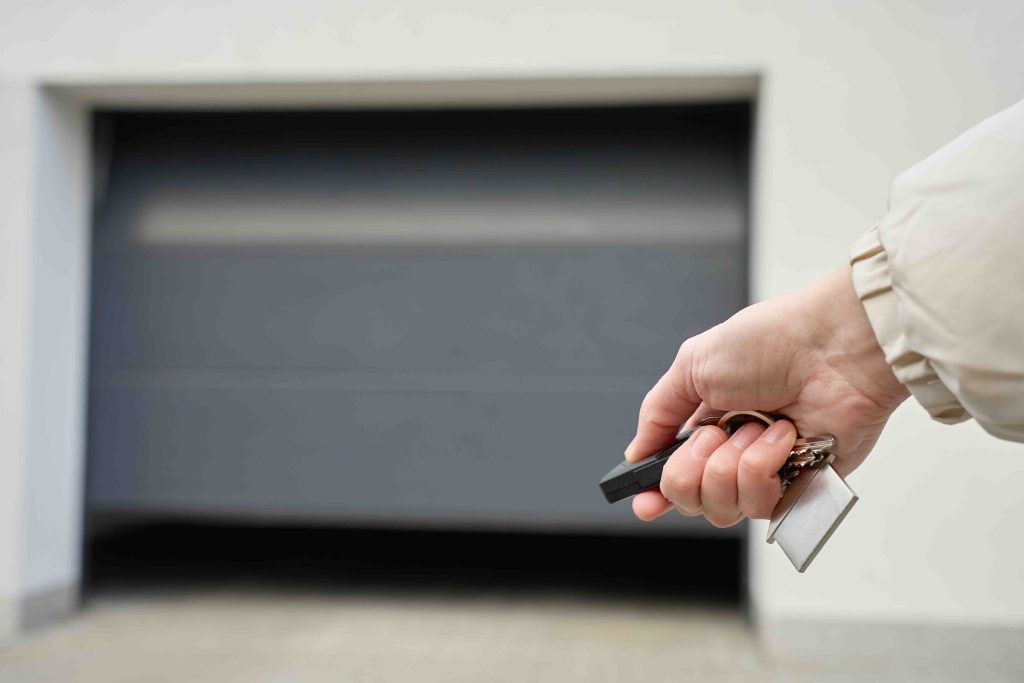
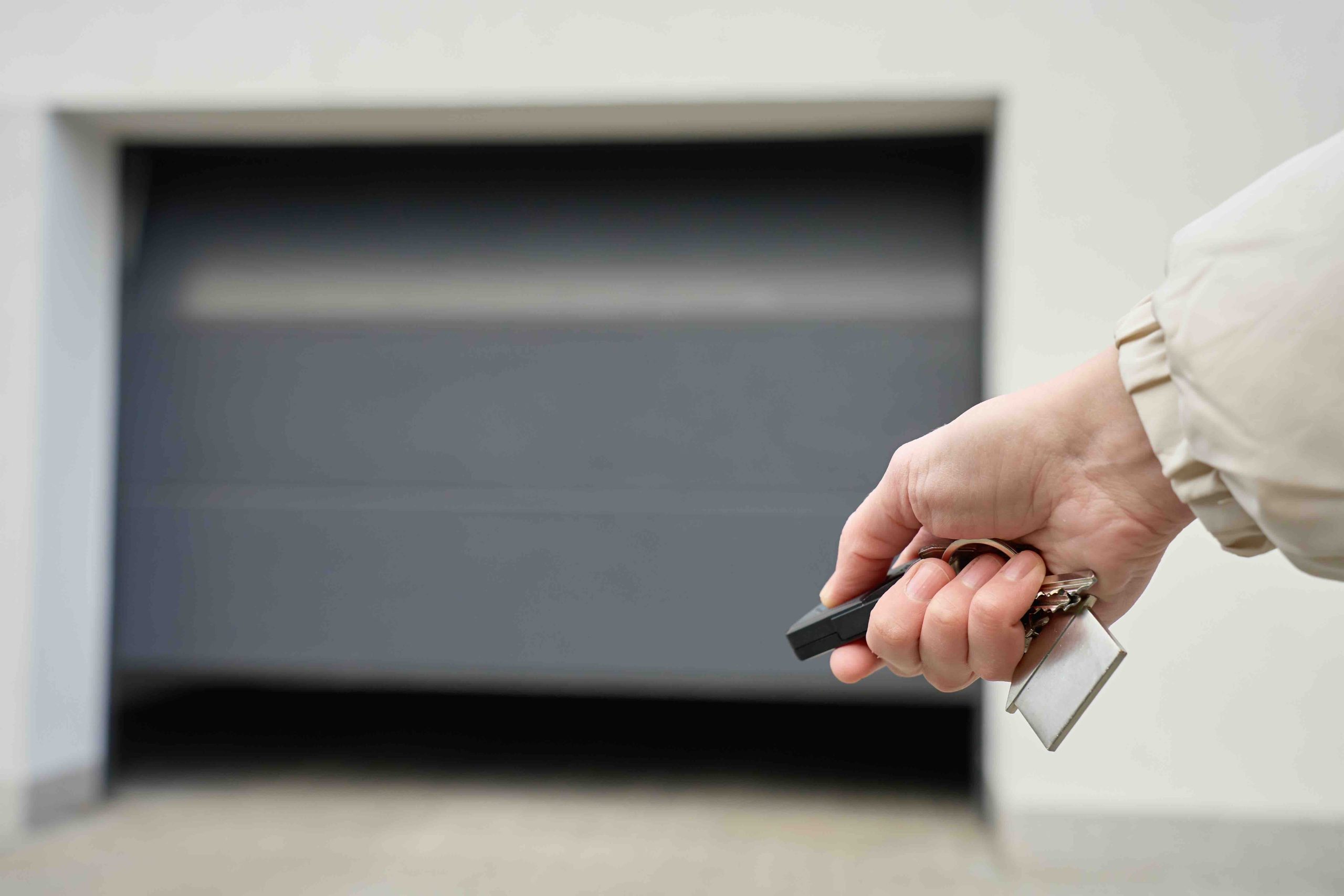
You press the button. Nothing happens. You press it again. Still nothing. The garage door opener has officially stopped cooperating, and now you are standing in your driveway wondering what went wrong and how much it is going to cost you. It is one of those home moments that feels minor until it is not. Garage door openers are one of those systems that work quietly in the background for years, and when they fail, they fail at the worst time. Understanding how this system actually works, what can go wrong, and how a home warranty fits into the picture can save you a significant amount of frustration and money.
How a Garage Door Opener Actually Works
At its core, a garage door opener is a motorized device that controls the movement of your garage door through a drive mechanism. Most residential units use one of three drive types: chain drive, belt drive, or screw drive. Chain drives are the most common and most affordable, using a metal chain similar to a bicycle chain to pull or push the door trolley along a rail. Belt drives use a rubber belt, which makes them quieter, a noticeable upgrade if your garage is attached to a living space. Screw drives operate through a threaded steel rod and require less maintenance overall. Regardless of the drive type, the system relies on a motor unit mounted to the ceiling, a rail that guides the trolley, safety sensors near the floor that prevent the door from closing on objects or people, and a remote or wall-mounted control that sends the signal to activate everything. Some newer models also integrate with smart home platforms, allowing you to control and monitor the door through your phone. When one component fails, the entire system can stop engaging.
Common Reasons a Garage Door Opener Stops Engaging
There is a short list of culprits that tend to show up most frequently when a garage door opener refuses to engage. Some are easy fixes. Others point to something more serious.
- Dead or misaligned remote batteries that are no longer sending a proper signal to the motor unit
- Misaligned or dirty safety sensors near the base of the door that trigger the system to stop as a safety precaution
- A tripped circuit breaker cutting power to the unit entirely
- A burned-out motor caused by age, overuse, or a power surge
- Stripped or broken gears inside the drive mechanism that prevent movement even when the motor runs
- A snapped or overly tense torsion spring, which the opener itself relies on to counterbalance the door’s weight
- Damaged wiring between the wall button and the motor unit
It is worth noting that a garage door opener that hums but does not move is usually pointing to a mechanical failure, while one that is completely silent is more likely an electrical issue. That distinction matters when you are trying to diagnose the problem before calling in a technician.

The Key Advantages of a Functioning Garage Door Opener
It is easy to take this system for granted until it stops working. A properly functioning garage door opener adds a layer of security, convenience, and even safety to your home. Modern openers come equipped with auto-reverse technology, which causes the door to stop and reverse direction if it detects resistance during closing. This protects children, pets, and property. The ability to open and close your door without leaving your car is especially valuable during severe weather. Smart-enabled openers go further by sending real-time alerts to your phone if the door has been left open, which is a genuine quality-of-life improvement for busy households. Some systems integrate with home security platforms and can automatically lock the door after a set period of time. These are not luxury features anymore. They are practical tools that make daily home management a little easier.
The Drawbacks Homeowners Should Know About
No home system is without its complications, and garage door openers are no exception. The motor unit has a finite lifespan, typically somewhere between ten and fifteen years depending on usage and maintenance. Chain drive models require periodic lubrication and tension adjustments. Belt drives, while quieter, can wear over time and may stretch, affecting performance. Smart openers, despite their appeal, introduce potential connectivity issues and software dependencies that older models simply do not have. If your Wi-Fi goes down or the companion app experiences an outage, remote access disappears with it. Repair costs can also add up quickly. A straightforward sensor alignment might cost very little, but a full motor replacement or a combination of issues involving the drive system and springs can reach several hundred dollars without warning.
Practical Maintenance Tips to Extend the Life of Your Opener
Routine maintenance is one of the most overlooked aspects of garage door opener ownership. A few simple habits can significantly extend the life of the unit and prevent unexpected failures.
- Lubricate the chain, belt, or screw drive every six months using a garage door specific lubricant rather than general-purpose sprays
- Test the auto-reverse feature monthly by placing a two by four flat on the ground in the door’s path and observing whether it reverses on contact
- Keep the photo-eye sensors aligned and clean them regularly with a dry cloth to prevent false readings
- Listen for changes in sound during operation, grinding or unusual vibration often signal mechanical wear before a full failure occurs
- Check the balance of the door annually by disconnecting the opener and manually lifting the door halfway to see if it holds its position
What a Home Warranty Typically Covers for Garage Door Openers
This is where homeowners often find themselves caught off guard. Not all home warranties treat garage door openers the same way, and coverage terms vary considerably depending on the provider and the plan. In general, a home warranty that includes garage door opener coverage will handle mechanical and electrical failures that stem from normal wear and tear. This typically includes the motor unit, the drive components, and the wiring that connects the system. What tends to fall outside of standard coverage includes cosmetic damage, remote controls, the door itself, springs, and failures caused by improper installation or physical damage. Reading the fine print before you need to use a claim is far more useful than reading it after. If a garage door opener is listed as a covered item in a home warranty plan, understanding exactly what components are included is essential.
When to Repair Versus When to Replace
This is a question that comes up often, and the answer depends on a few variables. If your opener is less than seven years old and has experienced a single component failure, repair is almost always the more economical choice. If the unit is approaching or past the ten-year mark and you are dealing with recurring issues, replacement starts to make more financial sense. A new unit also gives you the opportunity to upgrade to a quieter drive type or to add smart functionality that older systems cannot support. The cost of a new garage door opener unit, including professional installation, typically falls somewhere between two hundred fifty and six hundred dollars depending on the drive type and features selected. That is a predictable, manageable expense when you have the right coverage in place.
Why Armadillo Is the Right Partner When Your Garage Door Opener Fails
When something stops working at home, the last thing you want is to navigate confusing claim processes, surprise exclusions, or long waits for service. Armadillo was built to remove that friction. As a home warranty provider that covers essential systems including garage door openers, Armadillo offers transparent plans with coverage that actually makes sense for real homeowners dealing with real breakdowns. No runaround, no buried language designed to work against you. If you are tired of hoping your systems hold together and ready for a plan that has your back when they do not, now is the right time to take action. You can get a garage door opener home warranty quote and explore coverage options in minutes without any pressure or commitment required. Protection that is straightforward and priced fairly is not too much to ask for, and with Armadillo, it is exactly what you get.

Frequently Asked Questions About Garage Door Openers and Home Warranty Coverage
Here are answers to the questions homeowners ask most often when dealing with a garage door opener that has stopped working or when evaluating home warranty coverage for this system.
Why is my garage door opener not engaging even though the motor runs?
If the motor runs but the door does not move, the most likely causes are stripped drive gears inside the unit, a disconnected trolley, or a broken spring. The opener motor is functioning but cannot transfer that movement to the door without those components working correctly.
Does a home warranty cover garage door openers?
It depends on the plan and the provider. Many home warranties do offer garage door opener coverage, but it typically applies to the motor unit and mechanical components only. The door itself, springs, and remotes are often excluded. Always review coverage details before purchasing a plan.
How long does a garage door opener typically last?
Most residential garage door openers last between ten and fifteen years with regular maintenance. Units that are heavily used or poorly maintained may fail sooner, while well-maintained systems with lower usage can sometimes exceed that range.
What is the most common reason a garage door opener stops working suddenly?
The most frequent causes of sudden failure are dead remote batteries, misaligned safety sensors, and tripped circuit breakers. These are all quick checks that should be done before assuming the motor unit itself has failed.
Can I repair a garage door opener myself or should I hire a professional?
Simple fixes like replacing batteries, realigning sensors, or resetting the unit can typically be done without professional help. However, anything involving the motor, drive components, wiring, or springs should be handled by a qualified technician due to safety risks, particularly with torsion springs.
What is the difference between a chain drive and a belt drive opener?
A chain drive uses a metal chain to move the trolley and is the most affordable option, but it tends to be noisier. A belt drive uses a rubber belt, which operates more quietly and is often preferred for garages adjacent to living spaces. Both are reliable; the choice typically comes down to budget and noise tolerance.
How do I know if my garage door opener needs to be replaced rather than repaired?
If the unit is more than ten years old and you are experiencing recurring failures or multiple component issues at once, replacement is often the more cost-effective option. A single minor repair on a newer unit usually does not justify full replacement.
Will a home warranty cover the garage door spring if it breaks?
Springs are commonly excluded from home warranty coverage for garage door openers. They are considered wear items and are typically treated separately from the opener unit itself. Check your specific plan documents to confirm what is and is not included.
How do I test whether my garage door opener safety sensors are working correctly?
Place an object in the path of the door while it is closing. The door should stop and reverse before making contact. You can also check that the sensor lights on both units are solid rather than blinking, as a blinking light usually indicates a misalignment or obstruction.
Is it worth getting a smart garage door opener?
For most homeowners, yes. Smart openers offer real-time monitoring, remote access, and integration with broader home security systems. The convenience and added security features generally justify the slightly higher cost, particularly for households where people come and go at irregular times.