Why Your Garage Door Opener Opens a Little Then Stops
You press the button. The garage door starts moving, makes it a few inches off the ground, and then just… stops. Maybe it reverses back down. Maybe it just freezes mid-motion like it changed its mind. Either way, you are left standing there wondering what exactly is going on with the one system in your home that is supposed to make life easier. This is one of the more common garage door complaints homeowners run into, and the good news is that it is usually traceable to a handful of specific causes. Understanding what those causes are puts you in a much better position to handle it quickly, and to know when to call in a professional.
How a Garage Door Opener Actually Works
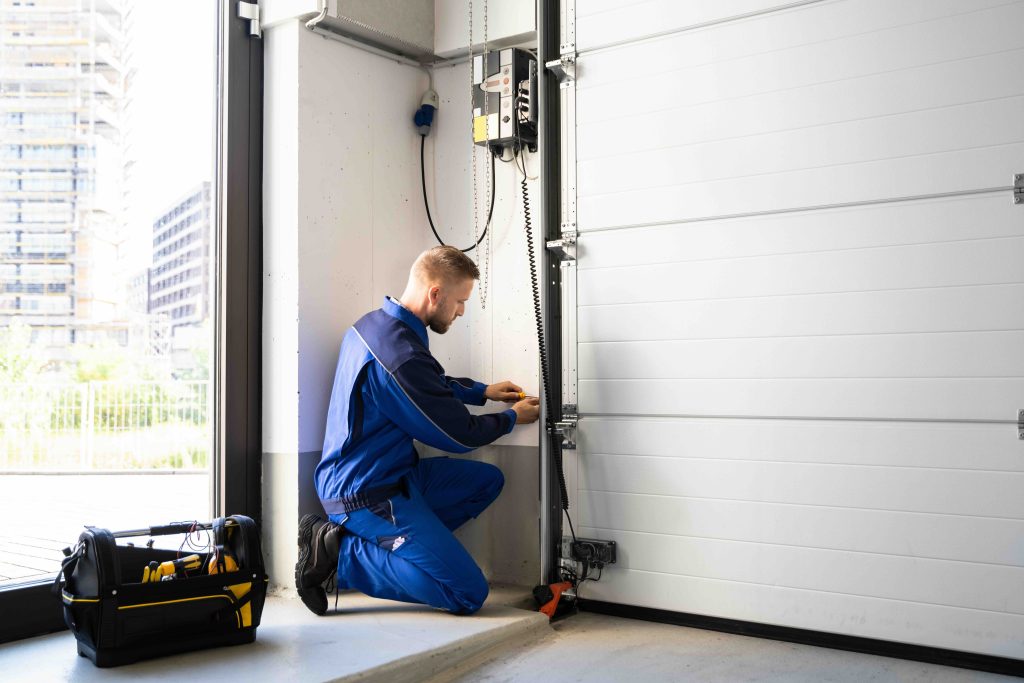
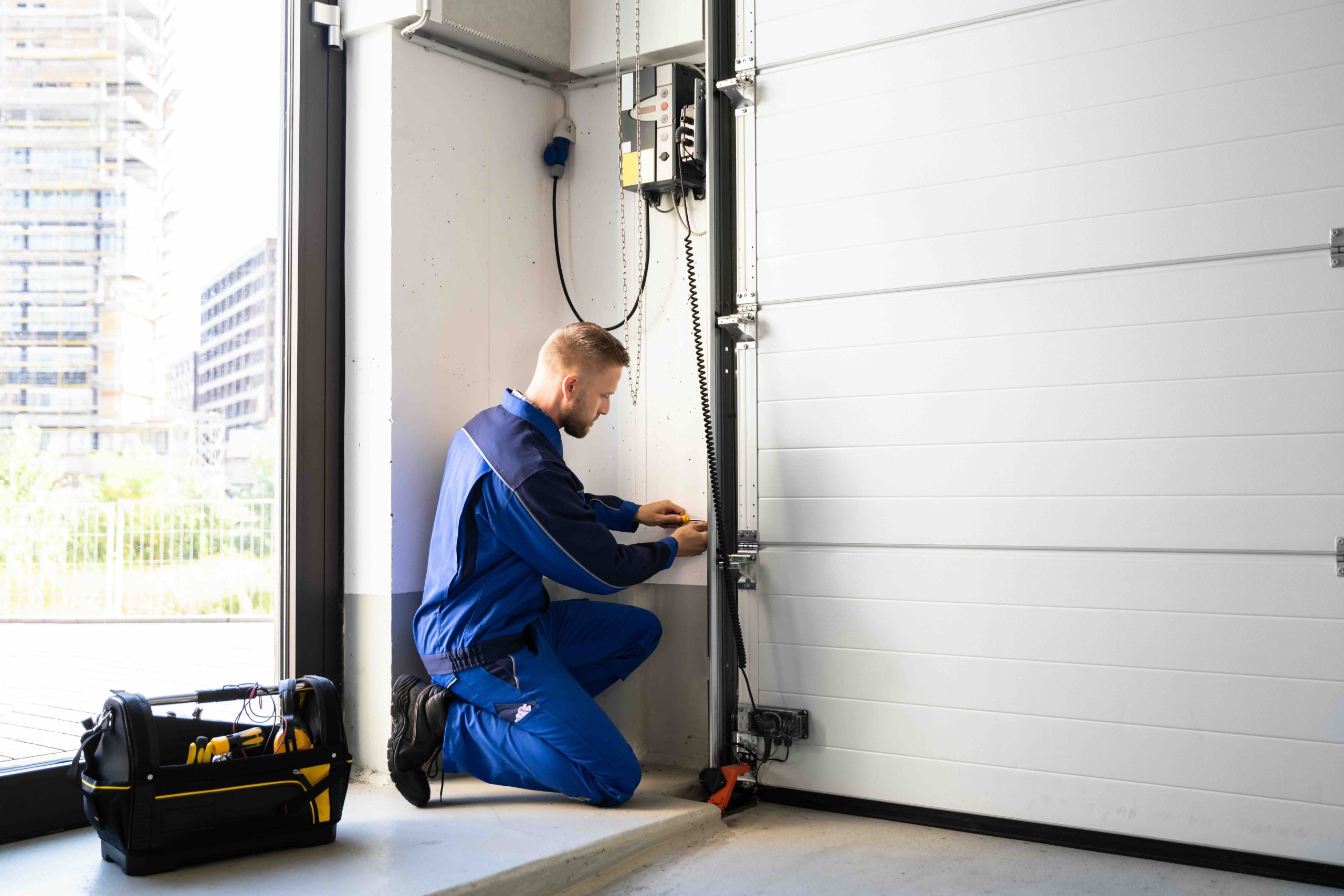
Before getting into what goes wrong, it helps to understand the basics of what goes right. A garage door opener is a motorized system that translates electrical power into mechanical motion. The motor drives a trolley along a rail, which is connected to your door via a curved arm. The door itself is balanced by torsion springs, which carry most of the physical weight so the motor does not have to work too hard. There are also limit switches or sensors built into the system that tell the opener how far to open and close. Safety sensors sit near the bottom of the door tracks and use an infrared beam to detect obstructions. If anything disrupts the system, the opener is designed to stop or reverse. That is a safety feature working as intended, but it can also be triggered incorrectly when something else is wrong.
The Most Likely Reasons the Door Stops After Opening Slightly
There are several well-documented causes behind this specific symptom. Here are the most common ones to investigate:
- Misaligned or blocked safety sensors near the bottom of the tracks
- Incorrect travel limit settings on the opener unit
- Broken or worn torsion springs that are making the door too heavy for the motor
- Damaged or bent tracks causing physical resistance
- An opener motor that is overheating or failing
- Binding in the door rollers or hinges
- Obstructions in the track path that the sensor is detecting
Each of these creates a slightly different behavior, but the result is often the same: the door barely moves before the opener gives up. The pattern of where the door stops and whether it reverses can actually give you clues about which issue you are dealing with.
Safety Sensors Are the First Thing to Check
Modern garage door openers are required to have photo-eye sensors positioned about six inches off the ground on either side of the door frame. These sensors communicate via an infrared beam. If that beam is broken or misaligned, the opener will refuse to close the door fully and may also limit how far it opens. Look at both sensors. Each one should have a small indicator light. If one is blinking or off entirely, that is your signal. Sensors can get bumped out of alignment over time, or they can accumulate dust and debris on the lens. Try wiping the lenses clean and gently adjusting the sensor brackets so both are pointing directly at each other. If the lights go solid and the door starts behaving normally, you found your culprit.
Travel Limits Control How Far the Door Moves
Every garage door opener has adjustable travel limits that tell the motor when to stop. These are either physical adjustment screws on older units or programmable settings on newer models. If the open limit is set too low, the door will stop before it reaches the fully open position. If the close limit is set too short, the door may reverse before it hits the ground. Adjusting these is typically something a homeowner can do by consulting the opener’s manual. It involves small incremental changes, so patience matters here. Over-adjusting in either direction can create new problems, so make changes in small steps and test the door each time.

Broken Springs Change Everything
Torsion springs are responsible for counterbalancing the weight of the garage door. A fully functional spring system makes a heavy door feel almost weightless to the opener motor. When a spring breaks, the motor is suddenly being asked to lift the full weight of the door on its own, which it cannot do effectively. The opener will strain, lift the door an inch or two, and then either stop or trigger the motor’s overload protection. You can usually identify a broken torsion spring by looking above the door when it is closed. The spring runs horizontally along a metal bar. If it appears separated in the middle or has a visible gap, it is broken. Spring replacement is not a DIY job. The tension stored in these components is serious, and improper handling can cause significant injury. This is a job for a licensed technician.
Track Damage and Roller Binding Create Physical Resistance
If the door tracks are bent, dented, or misaligned, the rollers that guide the door will bind or catch as the door moves. The opener senses this resistance and interprets it as an obstruction, stopping the door to prevent damage. Walk alongside the tracks while someone else operates the opener manually in small increments. Listen for grinding or popping sounds, and look for spots where the rollers hesitate or struggle. Minor track realignment can sometimes be handled with a rubber mallet and careful pressure, but bent tracks usually need replacement. Worn rollers are a straightforward swap for a technician and are inexpensive to address.
Force and Sensitivity Settings on the Opener Unit
Most garage door openers also have force adjustment settings, separate from travel limits, that control how much resistance the motor will tolerate before stopping. If the force setting is too sensitive, the motor will stop at the slightest friction. If it is set too high, the door might power through a real obstruction, which creates safety risks. The force settings are usually labeled on the motor unit and adjusted with a screwdriver. Again, small adjustments and incremental testing are the right approach here. It is worth noting that if you find yourself constantly maxing out the force setting just to get the door to move, the underlying mechanical issue has not been resolved. Force adjustments should fine-tune an otherwise functional system, not mask a bigger problem.
When the Motor Itself Is the Problem
If you have checked sensors, limits, springs, tracks, and rollers, and the door still stops after opening just a few inches, the motor unit itself may be overheating or failing. Older openers, particularly those over ten to fifteen years old, can develop worn gears, failing capacitors, or general motor fatigue. Sometimes the logic board that controls the unit develops faults. These are not easy repairs for the average homeowner, and replacement parts for older models can be difficult to source. At a certain age and failure point, replacing the entire opener unit becomes the more practical and cost-effective decision.
Why a Home Warranty Makes Garage Door Opener Problems Less Stressful
Here is the reality: garage door opener repairs can range from a quick sensor adjustment to a full unit replacement costing several hundred dollars. When the motor fails or a major component needs replacing, those costs add up fast, especially when you are not expecting them. That is where having the right home warranty coverage genuinely matters. Armadillo home warranty plans designed to cover garage door openers and key home systems take the financial unpredictability out of these situations. Instead of scrambling to find a qualified technician and worrying about the bill, you have coverage that works when you need it. If you have been putting off getting protected, now is a reasonable time to reconsider. You can get a free home warranty quote for garage door opener coverage and more in just a few minutes. Armadillo keeps the process straightforward, with transparent terms and real coverage for the systems you depend on every day.

Frequently Asked Questions About Garage Door Openers That Stop After Opening
These are the questions homeowners ask most often when dealing with a garage door opener that opens a little then stops.
Why does my garage door open a few inches and then stop?
The most common causes are misaligned safety sensors, incorrect travel limit settings, a broken torsion spring, or physical resistance in the tracks or rollers. Each issue creates resistance or triggers the opener’s safety mechanism, causing it to stop early.
Can I fix a garage door that opens slightly then stops on my own?
Some causes, like cleaning misaligned sensors or adjusting travel limits, are manageable for most homeowners. However, broken springs and motor repairs should be handled by a licensed technician due to safety risks involved.
How do I know if my garage door sensors are misaligned?
Check the indicator lights on each sensor near the bottom of the door tracks. If one is blinking or off, the sensors are likely out of alignment or the lenses are dirty. Both lights should be solid when properly aligned.
What does a broken torsion spring look like?
Look at the horizontal spring above the closed garage door. If you see a visible gap or separation in the middle of the spring, it is broken. The door may still move slightly but the opener will struggle to lift it further.
How long do garage door openers typically last?
Most garage door openers have a lifespan of ten to fifteen years with regular use and basic maintenance. High-cycle usage or deferred maintenance can shorten that significantly.
Is it safe to keep using a garage door opener that stops partway?
No. Continued use when the opener is struggling can damage the motor, worsen mechanical issues, or create a safety hazard if a broken spring or misaligned component is involved. Address the problem promptly.
Will a home warranty cover a garage door opener that stops working?
Many home warranty plans include garage door opener coverage as part of their standard or optional coverage tiers. Coverage typically includes mechanical and electrical failures, though it varies by provider and plan. Review your specific policy terms to confirm what is included.
How much does it cost to repair a garage door opener that stops after opening?
Costs vary widely based on the cause. Sensor adjustment or limit setting changes may be minimal. Spring replacement typically runs between $150 and $350. A full opener replacement can range from $250 to $600 or more depending on the unit and labor costs.
Can cold weather cause a garage door to stop opening?
Yes. Cold temperatures can cause metal components to contract, lubricants to thicken, and springs to lose tension temporarily. If the issue only occurs in cold weather, lubricating the tracks, rollers, and springs with a garage door specific lubricant may help.
When should I replace my garage door opener instead of repairing it?
If the unit is over twelve years old, requires frequent repairs, or the motor or logic board has failed, replacement is usually more cost-effective than repair. Newer openers also offer improved safety features, quieter operation, and smart home compatibility.