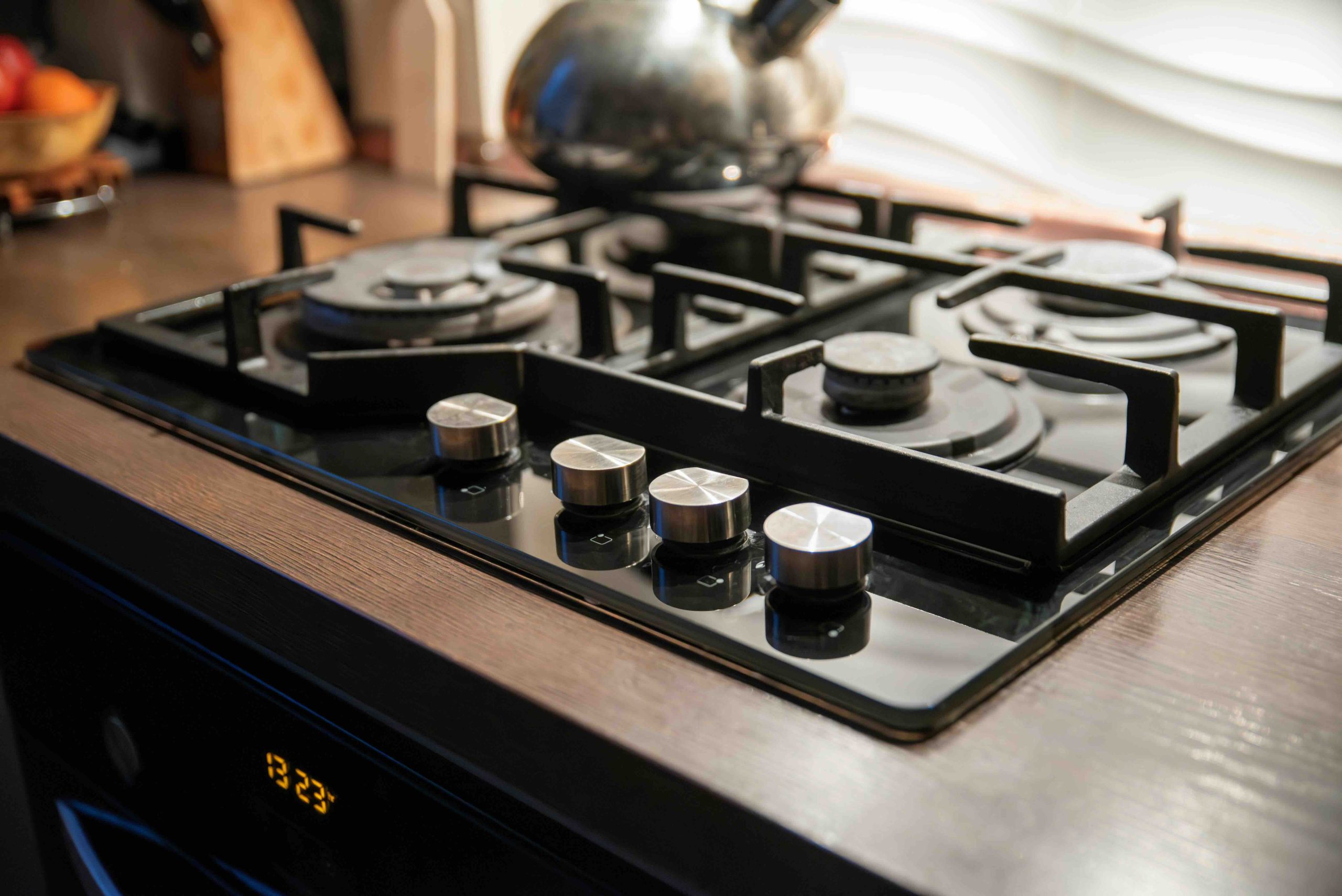
Why Your Gas Stove Won’t Light After Cleaning (And What to Do About It)
You just finished a deep clean of your kitchen, the stovetop is sparkling, and you feel genuinely proud of yourself. Then you turn the knob to start dinner and nothing happens. No click, no flame, maybe a faint chemical smell. That sinking feeling is real, and honestly, it happens more than you would think. A gas stove that refuses to light after cleaning is one of the most common post-cleaning headaches homeowners report, and the good news is that it is usually fixable without a service call. The not-so-good news is that sometimes it is not. Understanding what is actually happening inside that burner system helps you figure out which situation you are in.
How a Gas Stove Ignition System Actually Works
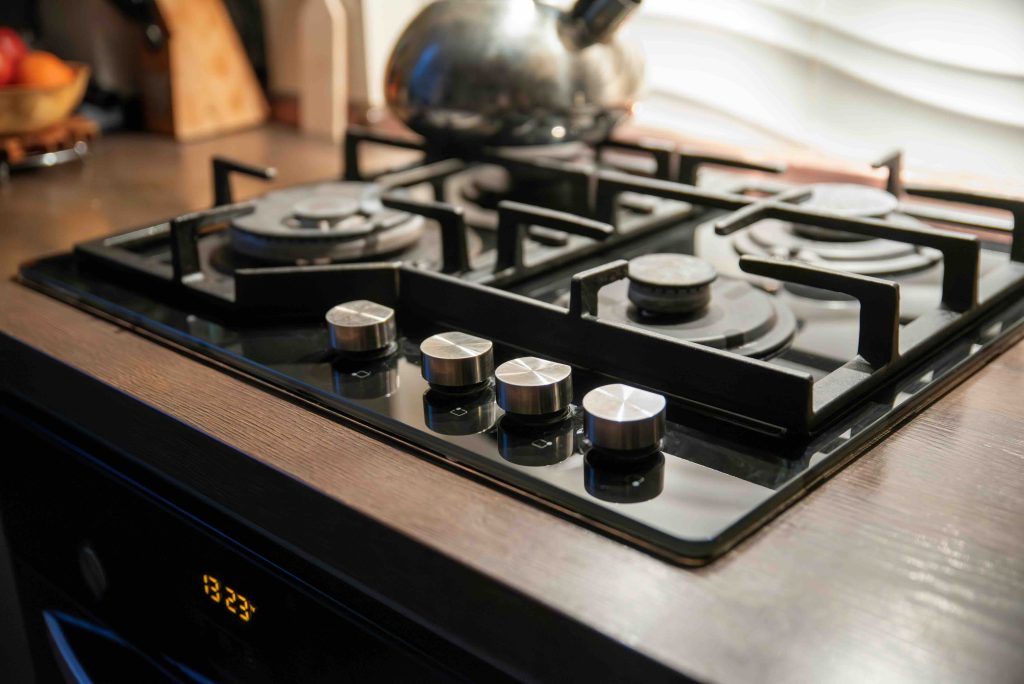
Before jumping into fixes, it helps to know what the stove is trying to do. When you turn a burner knob, two things happen simultaneously. The gas valve opens to release gas toward the burner, and the igniter sends a spark to light it. That clicking sound you hear is the igniter doing its job. The spark jumps from the igniter tip to the burner cap, which needs to be positioned correctly over the burner base. If either of those elements is wet, clogged, misaligned, or coated in cleaning solution residue, the whole system falls apart. Gas stoves are more delicate than they look, and moisture is their biggest vulnerability.
The Most Likely Culprits After a Cleaning Session
There are several reasons a freshly cleaned stove refuses to cooperate, and most of them point back to how the cleaning was done. This is not a criticism. These are just the realities of how burner systems interact with water and cleaning products.
- Moisture trapped under the burner cap or inside the igniter port
- Burner caps or grates that were replaced slightly out of alignment
- Cleaning product residue blocking the small gas ports around the burner
- A soaked or damaged igniter that cannot generate a proper spark
- Food debris that was pushed into the igniter housing rather than removed
Any one of these can prevent ignition. In most cases, the stove is not broken. It is just dealing with the aftermath of cleaning. Knowing this should save you from panic-calling a technician the same night.
Step-by-Step Troubleshooting You Can Do Right Now
Start simple. Remove the burner grates and caps and dry everything thoroughly with a clean cloth. This matters more than most people expect. Even a small amount of water sitting in the igniter well can block the spark entirely. After drying manually, leave the components out and let the area air dry for at least 30 minutes. If you used a lot of water or steam during cleaning, consider using a hair dryer on a low setting to accelerate drying around the igniter. Once everything is dry, reassemble the burner components carefully. The burner cap must sit completely flat and centered on the burner base. Even a millimeter of misalignment can stop the flame from catching. Try igniting again and listen for a consistent clicking pattern. If it clicks but does not light, the gas ports may be clogged.
Clearing Clogged Burner Ports
The small holes ringing the burner base are where gas exits to create the flame. After cleaning, these ports sometimes get packed with food residue, soap, or mineral deposits from water. A clogged port means uneven or absent flame even when the spark is working. Use a straightened paper clip or a needle to gently clear each port. Do not use toothpicks, as they can break off and make the clog worse. Avoid any metal tool that could scratch or enlarge the port openings. Once cleared, wipe the area down with a dry cloth and reassemble. This step is often overlooked but frequently solves the problem entirely.

When the Igniter Itself Is the Problem
If the stove is not clicking at all, or if it clicks weakly and inconsistently, the igniter may have been damaged during cleaning. Igniters are ceramic components and they do not respond well to being scrubbed aggressively or soaked. A cracked or contaminated igniter will not generate a reliable spark. You can visually inspect the igniter tip for cracks or dark residue buildup. A white or yellowish ceramic tip is healthy. Dark, carbon-coated, or visibly cracked means the component needs attention. Cleaning the tip gently with a dry toothbrush sometimes restores function, but a compromised igniter usually needs to be replaced by a technician.
What Not to Do While Troubleshooting
There are a few actions that can make the situation significantly worse, and they are worth calling out directly. Do not repeatedly hold the knob in the ignition position for extended periods trying to force a light. If gas is flowing and not igniting, you are introducing unburned gas into your kitchen. Ventilate the space and stop attempting ignition if you smell gas strongly. Do not use compressed air cans to blast out moisture near an active gas line. Do not apply lubricants or oils near burner components. And do not attempt to disassemble the gas valve or internal components without professional training. The surface-level fixes described here are safe for most homeowners. Anything beyond that belongs in the hands of a licensed appliance technician.
Best Practices for Cleaning a Gas Stove Without This Headache
Prevention is always the more satisfying story. Cleaning a gas stove correctly from the start avoids the post-cleaning ignition drama entirely.
- Always remove burner caps and grates before cleaning and wash them separately in the sink
- Avoid getting water or cleaning solutions directly on or around the igniter
- Use a damp cloth rather than soaking the surface around burner openings
- Dry all components completely before reassembling
- Double-check that burner caps are seated flat before testing ignition
- Keep a dry toothbrush nearby specifically for clearing port holes during routine cleaning
Following these habits turns a potential troubleshooting session into a non-event. The stove gets clean, everything goes back in correctly, and dinner happens on schedule.
When to Call a Professional
There is a clear line between what a homeowner can safely address and what requires a trained technician. If the burner ports are clear, the igniter looks intact, all components are dry and properly aligned, and the stove still will not light, something deeper is wrong. This could involve the gas valve, internal wiring to the igniter switch, or a control module failure. These are not DIY territory. You should also call a professional immediately if you smell gas and cannot identify the source, if the igniter sparks continuously without stopping, or if you notice any burn marks or scorching around the burner assembly. These signs suggest something beyond a cleaning-related issue.
How a Home Warranty Can Save You When DIY Is Not Enough
Here is where things get practical. Appliance repairs are rarely cheap, and a gas stove that needs igniter replacement, valve repair, or control board work can easily run several hundred dollars before labor is factored in. That is where having reliable home warranty coverage makes a real difference. Armadillo home warranty plans for kitchen appliances and gas stoves are built to handle exactly this kind of situation, where a functional appliance breaks down through normal wear or mechanical failure and the repair cost is something no homeowner planned for. Armadillo keeps the process simple, the coverage straightforward, and the customer experience refreshingly free of the runaround that other providers are known for. If you want coverage that actually shows up when your stove does not, you can get a free home warranty quote that covers your gas stove and major appliances in just a few minutes. Protection like that is worth having before the next cleaning day arrives.

Frequently Asked Questions About Gas Stoves Not Lighting After Cleaning
Below are answers to the questions homeowners ask most often when their gas stove stops working right after a cleaning session.
Why is my gas stove clicking but not lighting after I cleaned it?
The most common reason is moisture. Water or cleaning solution that settled around the igniter or inside the burner ports prevents the spark from reaching the gas. Dry all components thoroughly and ensure the burner cap is properly seated before trying again.
How long should I wait for a gas stove to dry after cleaning before using it?
At minimum, allow 30 minutes of air drying after reassembly. If you used significant amounts of water or liquid cleaner near the burners, waiting one to two hours or using a hair dryer on low heat to accelerate drying is the safer approach.
Can a misaligned burner cap really stop a stove from lighting?
Yes, absolutely. The burner cap must sit completely flat and centered on the burner base for gas to flow and ignite correctly. Even slight misalignment disrupts the flame pattern and can prevent ignition entirely.
Is it safe to keep trying to ignite a burner if it is not lighting?
If the burner is not lighting after several attempts, stop. Continued ignition attempts allow unburned gas to accumulate. Ventilate the kitchen, turn off the gas supply to the stove if possible, and identify the problem before trying again.
What does it mean if only one burner will not light after cleaning?
If only one burner is affected, the problem is almost certainly isolated to that burner’s igniter, cap, or ports rather than a system-wide issue. Focus troubleshooting on that specific burner, checking alignment, moisture, and port blockages.
Can I use WD-40 or similar sprays to help dry out or fix the igniter area?
No. Lubricating sprays are flammable and should never be applied near gas burners or igniter components. Use only a dry cloth or low-heat air to address moisture around burner components.
How do I know if my igniter is damaged and needs to be replaced?
A damaged igniter often appears cracked, heavily darkened, or coated in residue that cannot be removed with a dry toothbrush. If the stove clicks inconsistently or not at all, and the igniter tip looks compromised, replacement by a technician is the appropriate next step.
Does a home warranty cover gas stove ignition repairs?
Many home warranty plans do cover gas stove repairs, including igniter failure and related mechanical components, as long as the failure results from normal wear rather than misuse or improper cleaning damage. Review your specific plan terms to confirm what is included.
How often should I clean my gas stove to prevent burner problems?
Light cleaning after each use and a deeper clean of burner caps and grates every one to two weeks is generally sufficient for most households. Frequent light maintenance prevents the heavy buildup that leads to clogged ports and ignition issues.
What should I do if I smell gas but the stove will not light?
Leave the kitchen immediately, avoid turning any electrical switches on or off, and ventilate the space by opening doors and windows if you can do so quickly. Contact your gas utility provider or emergency services from outside the home. Do not attempt to troubleshoot a gas leak yourself.