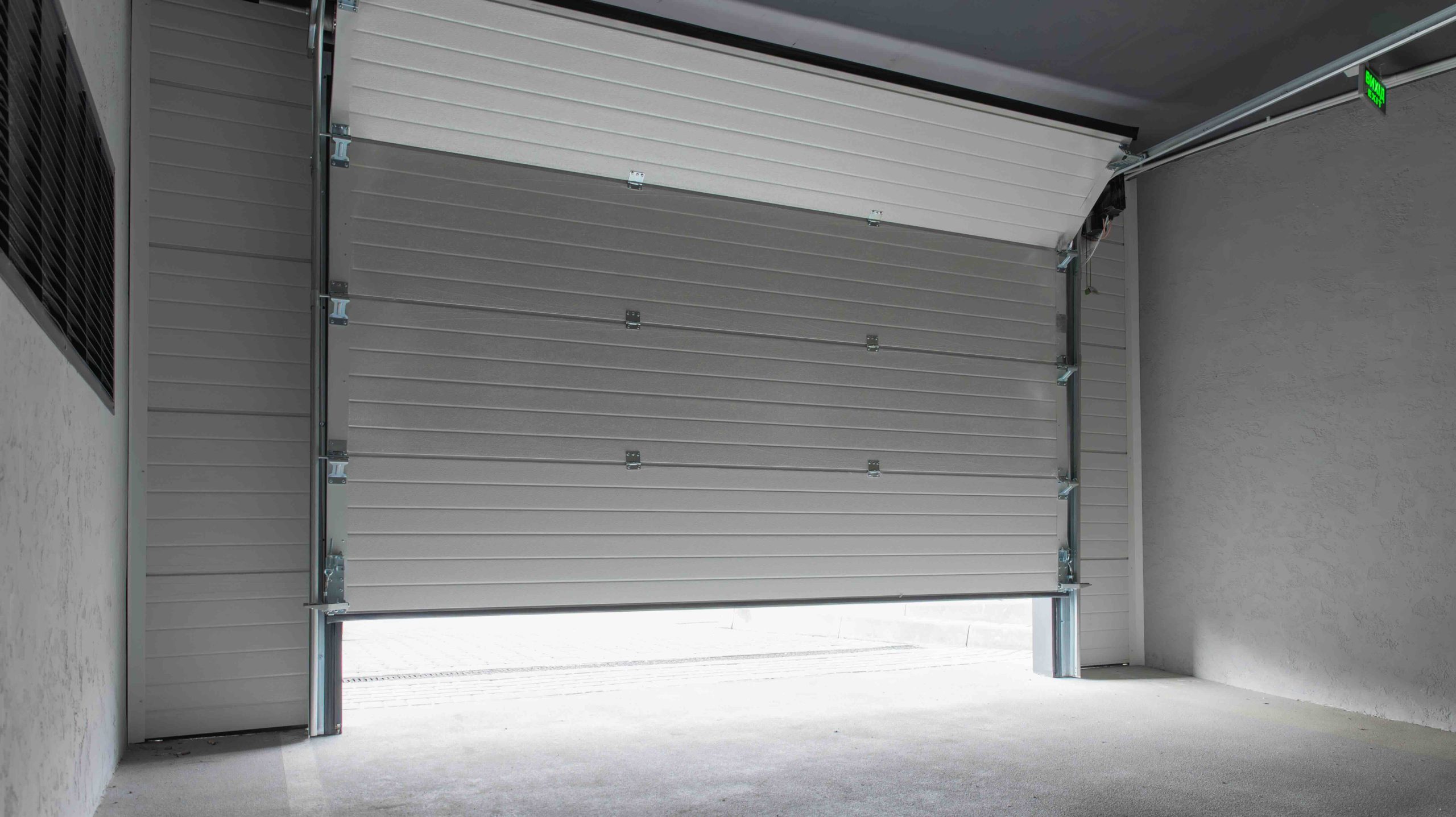
When Your Garage Door Won’t Stay Closed, It’s Telling You Something
A garage door that refuses to stay closed is one of those home problems that feels minor at first and then suddenly feels very urgent, especially at 10 PM when you realize your garage has been wide open for who knows how long. If your garage door won’t stay closed, you are not alone. It is one of the most common service calls homeowners deal with, and the good news is that most causes are identifiable and fixable. The less good news is that ignoring it tends to make things worse. This guide covers exactly what is happening, why it is happening, and what you should actually do about it.
How a Garage Door Closing Mechanism Actually Works
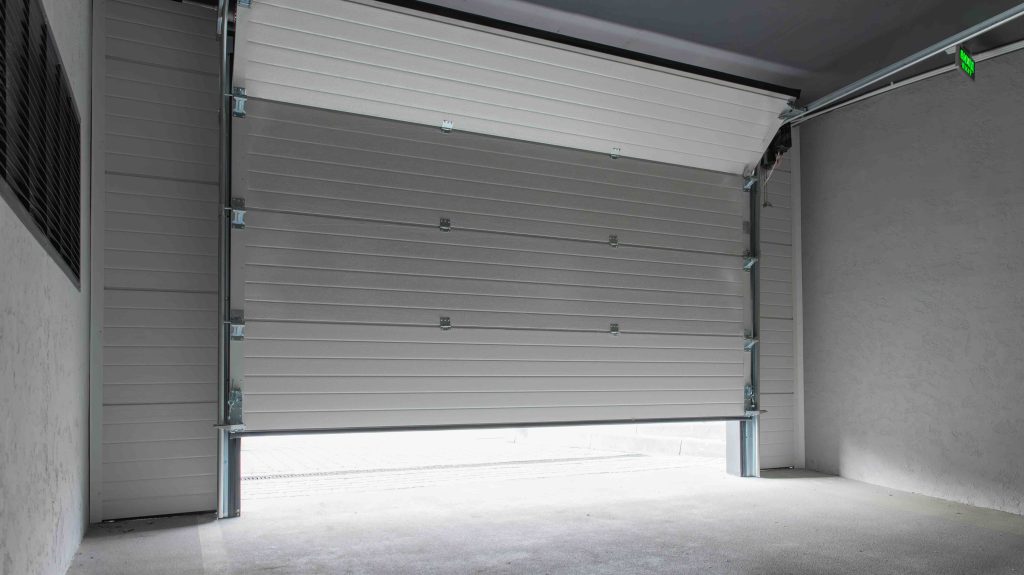
Before diagnosing the problem, it helps to understand the system you are working with. A standard garage door operates using a combination of springs, cables, rollers, tracks, and an opener unit. When you send the close command, the opener motor engages, the drive mechanism pulls or pushes the door down along the track, and limit switches signal the motor to stop once the door reaches the floor. Safety sensors near the base of the door also play a role. They use an infrared beam to detect obstructions, and if anything interrupts that beam, the door reverses automatically. Every one of those components is a potential failure point when your garage door keeps going back up or simply will not stay shut.
The Most Common Reasons a Garage Door Won’t Stay Closed
There are several culprits that come up again and again. Some are quick fixes. Others require professional attention. Here is what to look at first:
- Misaligned or dirty safety sensors that falsely detect an obstruction
- Incorrect limit switch settings that cause the opener to think the door has not reached the floor
- Worn or broken torsion springs that cannot support the door’s weight
- Damaged cables that allow uneven tension across the door panels
- Bent or obstructed tracks that prevent smooth travel
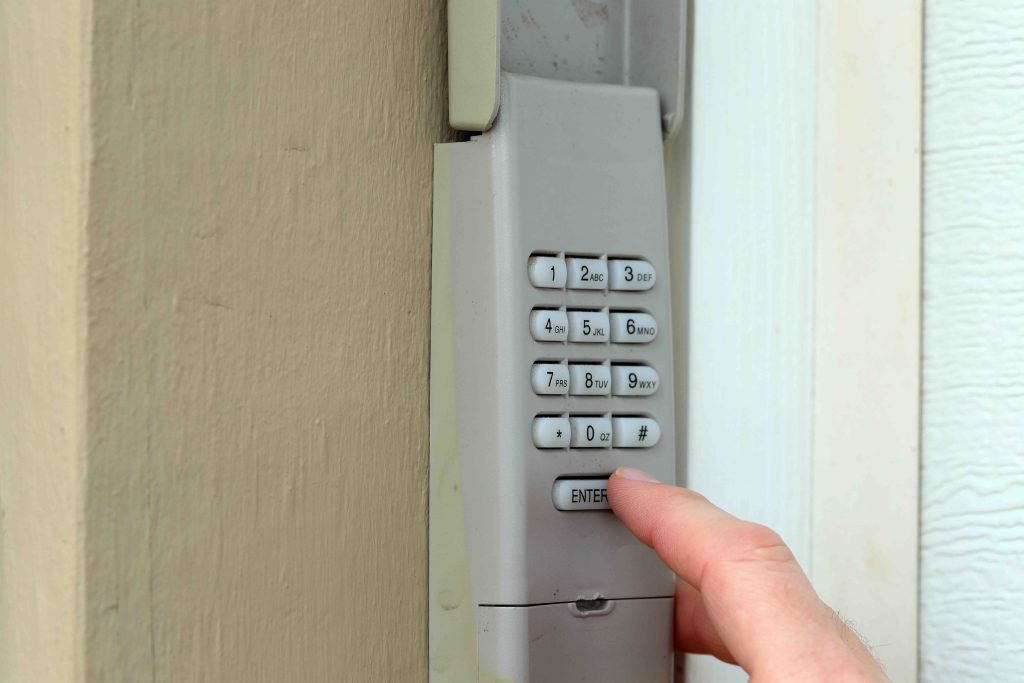
- Remote control or wall button signal interference
- An aging or failing opener motor that loses power mid-cycle
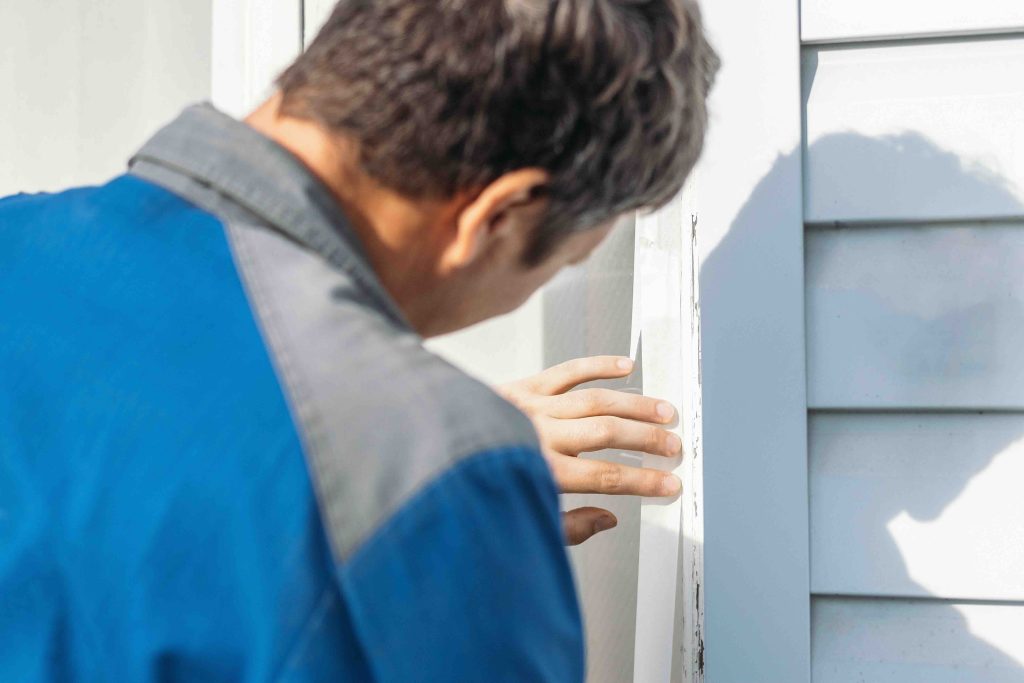
The sensor issue is probably the most frequent offender. Those small sensors are mounted a few inches off the ground on each side of the door frame, and they are surprisingly easy to bump out of alignment. Even a thin coating of dust or a spider web across the lens can trigger a false obstruction reading, sending the door back up every single time.
Diagnosing the Problem Step by Step
Start with the obvious stuff. Check whether the sensor indicator lights are solid or blinking. Most systems show a solid light when the sensors are properly aligned and a blinking or absent light when something is off. Gently wipe the lenses with a soft cloth and confirm both units are pointing directly at each other. If that does not resolve it, check the track for debris or visible damage. Look along the full length of both tracks for dents, bends, or anything wedged inside. Then try closing the door manually by pulling the emergency release cord. If it stays closed manually but not with the opener, the issue likely lives in the opener settings or the sensors rather than the mechanical components.
The Safety Risk You Should Not Underestimate
A garage door that will not stay closed is not just an inconvenience. It is a genuine security and safety concern. An open or improperly secured garage creates easy access to your home, especially if there is an interior door connecting the garage to the living space. Beyond security, a malfunctioning door with spring or cable problems presents a real physical hazard. Torsion springs are under enormous tension, and a failure can be sudden and violent. Cables under load can snap. These are not situations where guessing through a repair is advisable. If the problem involves springs or cables, call a professional.
Limit Switch Adjustments and When They Matter
If your garage door closes most of the way and then reverses, the limit switch is a strong candidate. The limit switch tells the opener motor how far to travel before stopping. If it is set incorrectly, the motor may interpret the floor as an obstruction and reverse the door before it fully closes. Most opener units have adjustment screws, often labeled “down limit,” located on the side of the motor housing. Consult your opener’s manual before touching these, since over-adjusting can cause the door to press too hard against the floor and stress the motor. Small incremental changes are the right approach here.
When the Weather Is Part of the Problem
Temperature and humidity affect garage doors more than most people realize. Wood panels swell with moisture. Metal contracts in cold weather, which can shift track alignment. The lubricant on rollers and hinges thickens in low temperatures, creating drag that the opener may struggle to overcome. If your garage door problems seem to come and go with the seasons, environmental factors are worth considering alongside mechanical ones. Regular lubrication with a silicone-based spray, applied to rollers, hinges, and the drive chain or screw, can make a noticeable difference in how consistently the door operates year-round.
DIY Fixes Versus Professional Repair: Knowing the Line
Cleaning sensors, clearing track obstructions, and making small limit switch adjustments are all within reach for a careful homeowner. Replacing a remote battery is obvious but worth mentioning because it gets overlooked. However, anything involving the springs, cables, or opener motor replacement falls into professional territory. The cost of a service call is much lower than an emergency room visit or a door that falls because a cable was improperly replaced. A qualified garage door technician can assess the full system in under an hour, identify the actual failure point, and handle repairs safely. For persistent or recurring issues, that professional assessment is worth every dollar.
Routine Maintenance That Prevents the Problem in the First Place
A garage door that is properly maintained is far less likely to leave you standing in the driveway wondering why it keeps reversing. A basic maintenance routine does not take long and it genuinely extends the life of the system:
- Lubricate moving parts every six months, including rollers, hinges, and the drive mechanism
- Test the auto-reverse feature monthly by placing a two-by-four flat on the ground in the door’s path
- Inspect cables and springs visually for fraying, rust, or visible wear
- Clean sensor lenses regularly and confirm alignment after any contact
- Tighten hardware, including bolts and roller brackets, that vibration loosens over time
Catching a worn spring early is much cheaper than dealing with a failed one. That is the case with most home systems. Regular attention costs less than deferred repair.
How Armadillo Helps When Garage Door Problems Show Up Uninvited
Here is the thing about garage door repairs: they tend to arrive without warning and without a convenient moment. That is exactly where a home warranty earns its place in the budget. Armadillo home warranty coverage for garage door systems and openers means that when your door refuses to stay closed and the diagnosis points to a covered mechanical failure, you are not writing a full out-of-pocket check for parts and labor. Armadillo is built around making that process straightforward. No runaround, no wondering whether your claim fits some obscure exclusion buried in dense contract language. If you want to understand exactly what is covered before something breaks, you can get a personalized home warranty plan for garage door and home system protection in just a few minutes. For a system you use multiple times every single day, that kind of protection is genuinely practical.

Frequently Asked Questions About Garage Doors That Won’t Stay Closed
Real questions from homeowners dealing with exactly this problem, answered directly.
Why does my garage door close and then immediately go back up?
This is almost always caused by misaligned safety sensors or incorrect limit switch settings. Check whether the sensor lights are solid, clean the lenses, and confirm they are aimed directly at each other. If that does not resolve it, the down limit setting on your opener likely needs adjustment.
Can a bad remote cause my garage door to not stay closed?
A faulty remote is unlikely to cause the door to reverse, but it can cause intermittent closing failures. If the door responds inconsistently to the remote, replace the battery first. If the problem continues, the remote may need to be reprogrammed or replaced.
Is it safe to manually close a garage door that won’t stay shut with the opener?
Closing the door manually using the emergency release is generally safe in the short term and can help you determine whether the issue is mechanical or opener-related. However, if you suspect spring or cable damage, do not force the door. Contact a technician before operating it further.
How do I know if my garage door sensors are misaligned?
Look at the indicator lights on each sensor unit. Most systems display a steady light when alignment is correct and a blinking or extinguished light when it is off. The units should face each other directly with no obstruction between them.
What is a limit switch on a garage door opener?
A limit switch is a small component inside the opener that tells the motor how far to move the door in either direction. If the down limit is set incorrectly, the opener may reverse the door before it reaches the floor, interpreting the resistance of the floor as an obstruction.
How much does it typically cost to fix a garage door that won’t stay closed?
Costs vary depending on the cause. Sensor realignment may be free to handle yourself. A service call for limit switch adjustment or minor repairs typically runs between fifty and one hundred fifty dollars. Spring replacement can cost between two hundred and three hundred dollars or more depending on the spring type and your location.
Can cold weather cause a garage door to not stay closed?
Yes. Cold temperatures can cause metal components to contract, thicken lubricants, and shift track alignment enough to interfere with normal operation. If the problem is seasonal, lubrication and a professional inspection for track alignment are good starting points.
Does a home warranty cover garage door repairs?
Many home warranties do include garage door opener coverage, though specific terms vary by provider and plan. It is important to review what mechanical components are covered and under what conditions. Some plans cover the opener unit itself while others extend to springs and cables as well.
How often should I have my garage door serviced?
An annual professional inspection is a reasonable baseline for most homes. In between professional visits, a monthly auto-reverse test and biannual lubrication of moving parts will keep the system operating reliably and help you catch developing problems before they become failures.
When should I replace my garage door opener instead of repairing it?
If the opener is more than fifteen years old, requires frequent repairs, or lacks modern safety features like automatic reversal, replacement is often more cost-effective than continued repair. Newer units are quieter, more reliable, and include improved security protocols that older models do not support.