Garage Storage Systems: What Every Homeowner Should Know Before Organizing Their Space
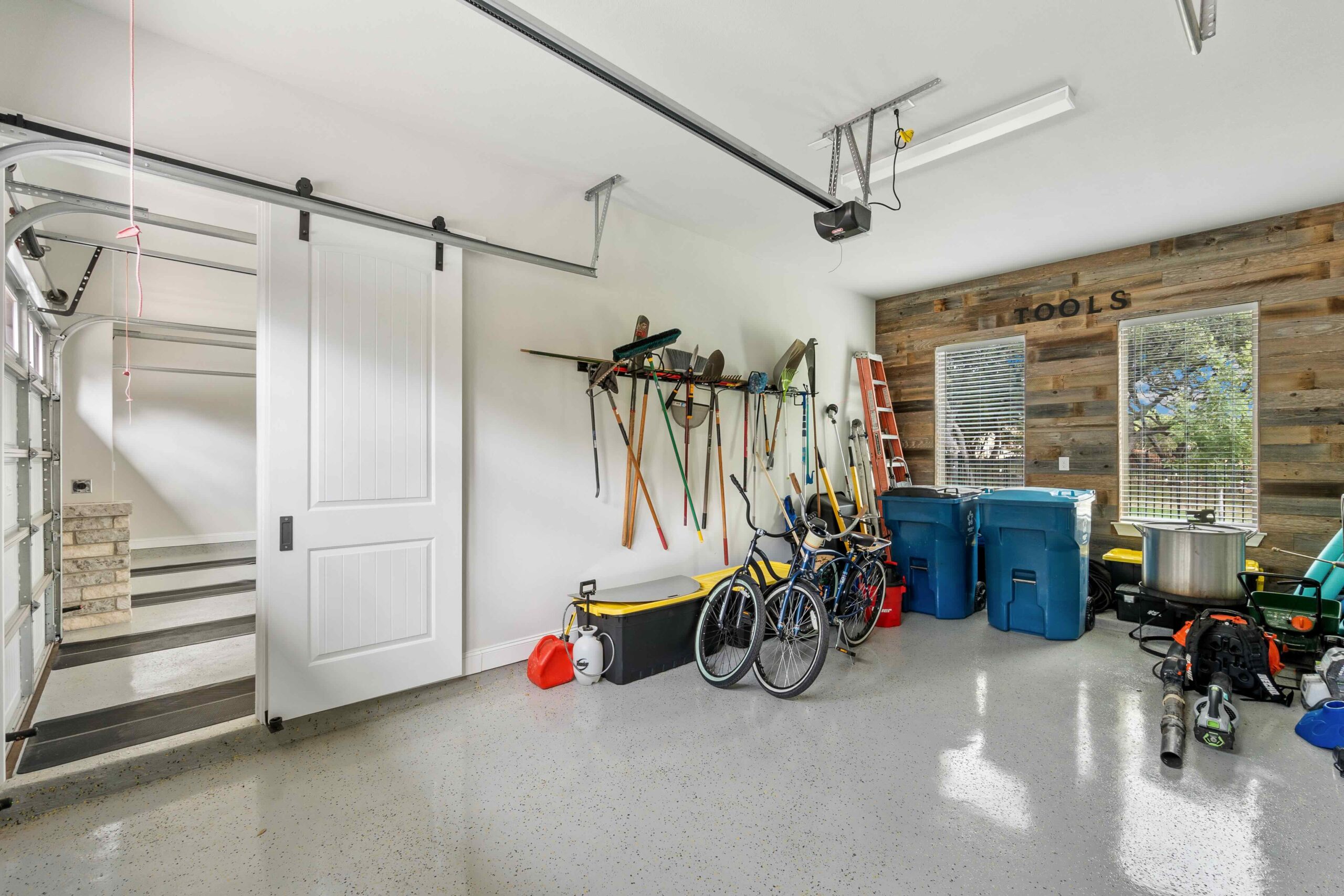
The garage is one of those spaces that quietly absorbs everything the rest of the house rejects. Sports gear, holiday bins, power tools, half-used paint cans — it all ends up there. And at some point, the pile becomes a problem. Garage storage systems are the structured answer to that slow-motion chaos, and if you have never really explored what is available, the options are a lot more thoughtful than you might expect. This guide breaks down how these systems work, what they offer, where they fall short, and what you should actually think about before committing to one.
What Is a Garage Storage System, Exactly?
A garage storage system is an organized framework of shelving, cabinetry, wall panels, overhead racks, and storage accessories designed to maximize the functional space in a residential garage. Unlike freestanding shelving units you might grab from a big-box store, these systems are typically modular and configurable, meaning they can be customized to fit your specific wall dimensions, ceiling height, and storage needs. Some homeowners opt for fully installed professional systems, while others take a hybrid approach using wall-mounted tracks with interchangeable hooks and bins. The defining characteristic is intentionality — the storage is designed to work together as a cohesive solution rather than a random collection of shelves.
How Garage Storage Systems Work
Most garage storage systems are built around one of three core frameworks: wall-mounted panel or slatwall systems, freestanding or anchored shelving units, and overhead ceiling-mounted racks. Wall panel systems use a gridded or slotted panel surface mounted directly to studs, which then supports hooks, baskets, and shelves that can be repositioned at any time. Overhead rack systems use ceiling joists as anchor points and suspend horizontal platforms for bulky or seasonal items. Cabinet-based systems offer enclosed storage with either metal or wood composite construction and are often the most polished-looking option. Most professional installations combine several of these elements to create zones within the garage — one area for tools, another for seasonal gear, another for lawn and garden equipment.
The Key Advantages of Investing in Garage Storage
Getting serious about garage organization pays off in more ways than one. Here is what homeowners consistently report after installing a structured system:
- Reclaimed floor space, which makes room for vehicles and reduces daily frustration
- Improved safety by eliminating tripping hazards and unstable stacks of stored items
- Better visibility and access to tools and equipment, which saves time on a regular basis
- Increased home value and improved curb appeal during resale, since buyers notice organized garages
- Reduced wear on stored items, especially when equipment is properly hung or shelved rather than piled on the ground
Beyond the practical benefits, there is a real psychological component here. A cluttered garage tends to bleed stress into daily life in small, consistent ways. Removing that friction has a compounding effect that most homeowners do not fully appreciate until after the fact.

Common Drawbacks and Limitations to Consider
Garage storage systems are not without their complications. The upfront cost can be significant, particularly for custom-built cabinetry or professionally installed overhead systems. Entry-level modular systems from home improvement stores can run a few hundred dollars, while full custom installations from specialty companies can reach several thousand. Beyond cost, installation complexity is a real factor — anchoring heavy shelving or ceiling racks into studs and joists requires accurate measurements and proper hardware. Doing it wrong creates a safety hazard, not just a cosmetic issue. Climate is also worth noting. In garages without temperature regulation, metal components can rust over time, and wood composites can warp in humid environments. Knowing your garage’s climate tendencies before selecting materials will save you from replacing components earlier than expected.
Wall-Mounted vs. Freestanding vs. Overhead: Which Type Fits Your Garage?
The best system depends on how your garage is used and what you are actually storing. Wall-mounted slatwall or track systems are excellent for frequently accessed items like tools, sports gear, and garden supplies — the adjustability is a major plus. Freestanding shelving works well for heavy bins and boxes but eats into floor space. Overhead ceiling racks are ideal for seasonal items that do not need regular access, like holiday decorations or camping gear. Many homeowners find that a layered approach works best: ceiling racks for long-term storage, wall panels for active-use items, and cabinetry for anything that benefits from being enclosed and protected from dust.
What to Look for in a Quality Garage Storage System
Material quality and weight capacity are the two most important specs to evaluate. Steel shelving with a powder-coated finish offers the best durability and moisture resistance for most climates. Weight ratings matter more than people expect — it is easy to overload a shelf that looked sturdy in the store. Look for systems rated at least 250 to 500 pounds per shelf for general use, and higher for anything storing power equipment or dense tool collections. Adjustability is another consideration worth prioritizing. Life changes, and a system that can be reconfigured without replacing components will serve you far longer than one that is rigid.
DIY Installation vs. Hiring a Professional
For smaller projects — a few wall panels, a basic shelving unit — DIY installation is completely manageable for most homeowners with basic tools and some patience. The primary requirement is locating wall studs and ceiling joists accurately before anchoring anything. That step cannot be rushed. For larger systems involving full-wall cabinetry, multiple overhead racks, or heavy-duty industrial shelving, professional installation is a worthwhile investment. The cost covers not just labor but also design expertise and load-bearing assessment. Many specialty garage organization companies offer free consultations, which is a reasonable starting point even if you ultimately decide to handle installation yourself.
How Garage Systems Connect to Home Maintenance
This is where things get interesting from a homeowner responsibility standpoint. A well-organized garage is not just more pleasant — it actively supports better home maintenance habits. When your tools are visible and accessible, you are more likely to use them. When your HVAC filters are stored on a labeled shelf rather than buried under a pile, you are more likely to change them on schedule. When your water heater and electrical panel are not surrounded by clutter, you are more likely to notice early warning signs of issues. Organization and maintenance have a closer relationship than most people give them credit for.
Why Armadillo Belongs in Your Homeownership Plan
Keeping your garage organized is a smart investment in your home, but it is just one piece of the larger picture. The systems inside your home — heating, cooling, plumbing, electrical, and major appliances — carry their own risks, and when something fails unexpectedly, repair costs can be significant. That is where a home warranty from Armadillo home warranty plans for homeowners becomes part of a genuinely smart ownership strategy. Armadillo is built around transparency and real coverage — no confusing fine print, no frustrating runarounds when something breaks. If you are already putting thought into how to protect and organize your home, the next logical step is making sure your essential systems and appliances are covered. You can get a free home warranty quote for your garage and home systems in just a few minutes and see exactly what coverage looks like before making any commitment.

Frequently Asked Questions About Garage Storage Systems
Here are answers to the questions homeowners ask most when exploring garage storage options and planning their space.
How much does a garage storage system typically cost?
Costs vary widely depending on the type and scale of the system. Basic DIY wall panels and shelving can start around $200 to $500. Mid-range modular systems often run $1,000 to $3,000. Fully custom professional installations can reach $5,000 or more for a two-car garage with cabinetry and overhead racks.
Do garage storage systems increase home value?
Yes, in most cases. An organized, finished-looking garage is a notable selling point during real estate transactions. Buyers perceive it as an indicator of how well the rest of the home has been maintained, which can positively influence offers.
What is the strongest type of garage shelving?
Heavy-duty steel shelving with welded frames and powder-coated finishes typically offers the highest weight capacity and durability. Look for units with individual shelf ratings of 500 pounds or more if you plan to store dense or heavy equipment.
Can I install a garage storage system myself?
Many systems are designed for DIY installation with standard tools. The most important step is properly locating wall studs and ceiling joists before anchoring any hardware. Large or complex systems benefit from professional installation to ensure structural safety.
How do I choose between open shelving and cabinets?
Open shelving is better for items you access frequently and want to see at a glance. Cabinets are better for items that benefit from dust protection, items with irregular shapes, or anything you prefer to keep out of sight for a cleaner appearance.
What materials hold up best in an unheated or uncooled garage?
Powder-coated steel is the most resilient option for garages with temperature and humidity fluctuations. Solid wood can warp in high humidity. MDF and certain wood composites are particularly vulnerable to moisture damage over time.
How much weight can a ceiling-mounted garage rack hold?
Most residential ceiling-mounted racks are rated between 250 and 600 pounds depending on the model and installation method. Always verify that the ceiling joists can support the combined weight of the rack and its contents before installation.
How do I plan the layout of a garage storage system?
Start by categorizing what you store and how often you access it. Items used daily should be at eye level and within easy reach. Seasonal or rarely used items can go on overhead racks or upper shelves. Measure your wall and ceiling dimensions accurately before purchasing any system.
Are garage storage systems covered by a home warranty?
Standard home warranties typically cover built-in home systems and appliances rather than storage structures. However, if your garage includes a garage door opener or electrical outlets that support your storage setup, those components may fall within home warranty coverage depending on your plan.
What is slatwall and is it worth the investment?
Slatwall is a grooved panel system mounted to garage walls that accepts interchangeable hooks, bins, and shelves. It is highly flexible and allows you to reconfigure your storage layout without additional holes or hardware. For homeowners who expect their storage needs to evolve over time, it is generally considered a worthwhile investment.