What Is the Outside Part of an Air Conditioner Called?
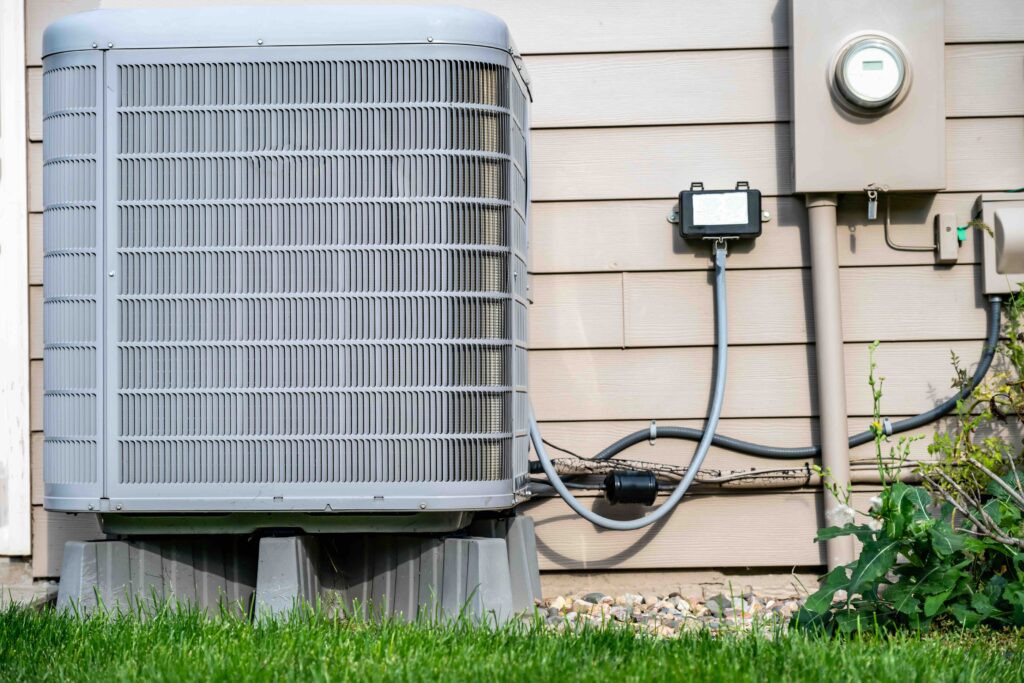
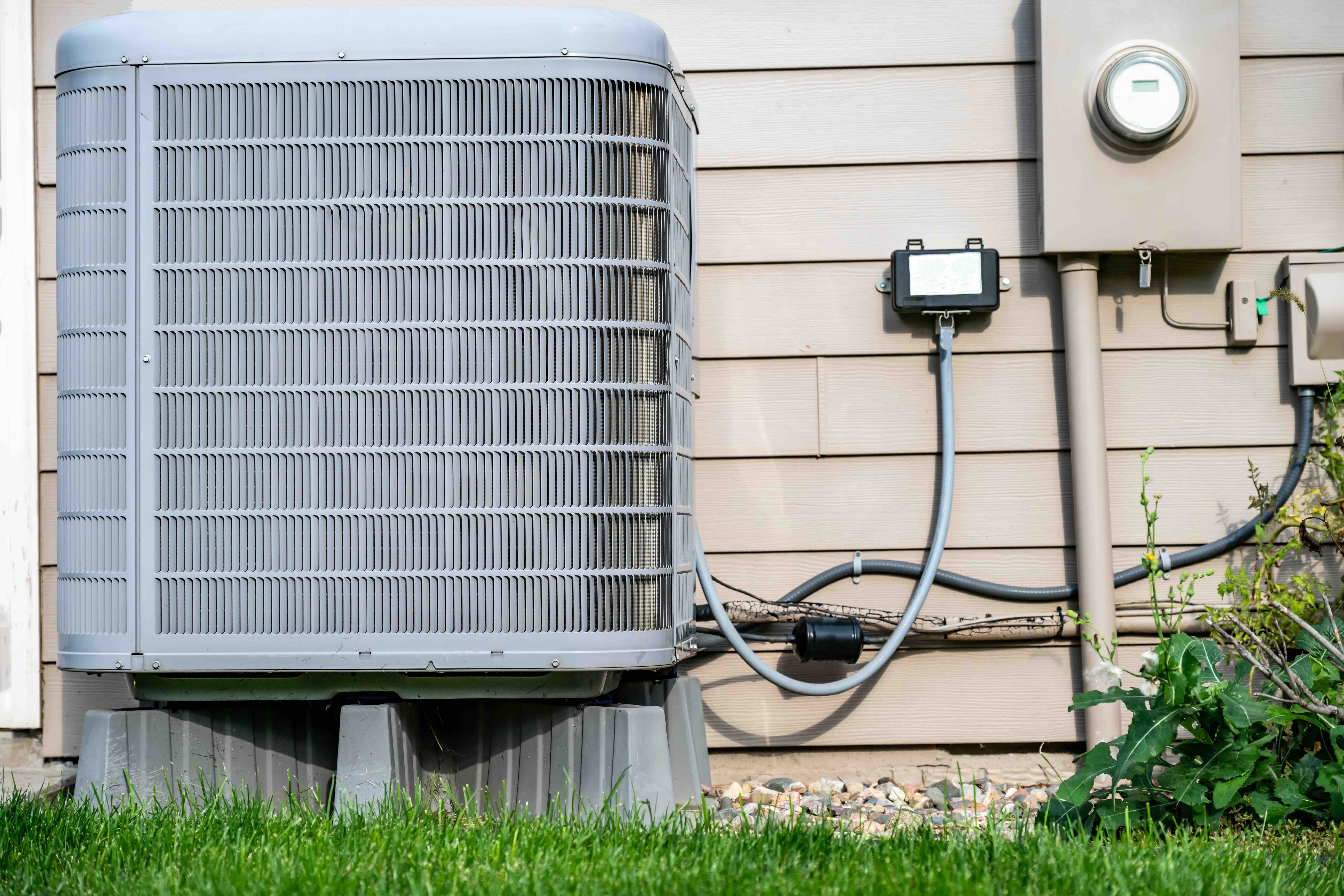
If you have ever stood in your backyard and noticed that large, humming metal box sitting beside your house, you already know the subject of this article. That unit is called the condenser unit, and it is officially the outdoor component of your central air conditioning system. Most people call it the outdoor AC unit, but in the HVAC world, it goes by condenser or condenser unit. It plays a non-negotiable role in keeping your home cool, and understanding how it works is genuinely useful, especially when something goes wrong and a repair bill lands in your inbox.
How the Condenser Unit Fits Into Your Cooling System
Your air conditioning system is essentially split into two halves. The indoor half, called the air handler or evaporator unit, lives inside your home, usually near the furnace or in a utility closet. The outdoor half, the condenser unit, handles the job of releasing heat that has been pulled from inside your home. These two components are connected by refrigerant lines, which carry refrigerant back and forth in a continuous loop. The indoor unit absorbs heat from the air inside your home, the refrigerant carries that heat outside, and the condenser unit dumps it into the outdoor air. That cycle repeats over and over, all day long, until your home reaches the temperature you set on the thermostat.
What Is Inside the Condenser Unit?
The condenser unit is not just a metal box. It contains several critical components working together, and knowing what they are helps you understand why repairs can get expensive fast.
- The compressor is often called the heart of the system. It pressurizes the refrigerant so it can move through the system efficiently.
- The condenser coil wraps around the inside of the unit and is where the actual heat exchange happens. Hot refrigerant passes through these coils and releases heat into the outdoor air.
- The fan pulls air across the condenser coil to help move that heat away from the unit.
- The capacitor helps start and run the compressor and fan motor. It is a small component but one that fails frequently.
- The refrigerant lines connect the outdoor unit to the indoor unit and carry the refrigerant between them.
Why the Condenser Unit Is So Important to Your Home
Without a functioning condenser unit, your air conditioning system simply does not work. The indoor unit cannot cool anything if the outdoor unit is not doing its job. This is why a failed condenser unit in the middle of summer is considered a household emergency by most homeowners. Beyond comfort, extreme heat inside a home can create real health risks, particularly for elderly residents, young children, and pets. The condenser unit is not glamorous, it just sits outside making noise, but it carries enormous responsibility for your household’s livability during warm months.

Key Advantages of Understanding Your Outdoor AC Unit
Knowing what your condenser unit is and how it functions gives you a real advantage as a homeowner. When a technician tells you the compressor has failed or the condenser coil is leaking refrigerant, you will not be standing there nodding without understanding the scope of the problem. You can ask better questions, get second opinions with more confidence, and make informed decisions about repair versus replacement. Homeowners who understand their systems tend to catch problems earlier, maintain their equipment more consistently, and spend less money over time. That is not a small thing.
Common Problems With Condenser Units
Condenser units take a beating. They sit outside through every season, exposed to heat, cold, rain, wind, and debris. The most common issues homeowners encounter include capacitor failure, refrigerant leaks, dirty or bent condenser coils, fan motor failure, and compressor breakdown. Capacitor failure is actually one of the more frequent and relatively affordable repairs. Compressor failure, on the other hand, is one of the most expensive repairs in the HVAC world, sometimes costing as much as a full system replacement depending on the age of the unit. Refrigerant leaks require a licensed technician to address, as handling refrigerant is regulated by federal law.
How to Maintain Your Condenser Unit
Routine maintenance makes a measurable difference in how long your condenser unit lasts and how efficiently it operates. Most HVAC professionals recommend scheduling a professional tune-up once a year, ideally in the spring before the heavy cooling season begins. Between professional visits, there are things you can do yourself to keep the unit in good shape. Keep at least two feet of clearance around the unit at all times, clear away leaves, grass clippings, and debris from the exterior fins, and gently rinse the coils with a garden hose occasionally to remove dirt buildup. Never stack items against the unit or try to cover it with a tarp during the summer months. Airflow is everything for a condenser unit, and restricting it causes the system to work harder and wear out faster.
When to Repair vs. Replace the Condenser Unit
This is the question that comes up constantly, and the honest answer depends on a few key factors. The age of the unit matters significantly. Most condenser units last between 10 and 15 years with proper maintenance. If the unit is over 10 years old and facing a major repair, replacement often makes more financial sense. The cost of the repair relative to the cost of replacement is another key factor. A commonly cited rule of thumb in the HVAC industry is the 5,000 rule: multiply the age of the unit by the cost of the repair. If that number exceeds 5,000, replacement is worth serious consideration. Energy efficiency is also worth factoring in. Older units operate at significantly lower efficiency ratings than modern systems, meaning a new unit could reduce your monthly cooling costs noticeably.
Does a Home Warranty Cover the Outdoor AC Unit?
This is where things get interesting for homeowners. A quality home warranty plan typically covers the condenser unit as part of broader HVAC coverage. That means if your compressor fails or your fan motor gives out, you call your home warranty provider rather than scrambling to find a technician and paying out of pocket for the full bill. Not all home warranty plans are created equal, though. Coverage terms, payout caps, and exclusions vary widely between providers, so reading the fine print before purchasing a plan is genuinely important. Some plans exclude pre-existing conditions or require the system to have been properly maintained to qualify for coverage. Knowing what your plan covers before something breaks is considerably better than learning about exclusions after the fact.
Why Armadillo Is the Right Home Warranty Partner for AC System Protection
When your condenser unit fails, the last thing you want to deal with is a home warranty company that makes the claims process feel like a second job. Armadillo was built with a different philosophy. Coverage is straightforward, the claims process is designed to be simple, and the focus is always on actually protecting the homeowner rather than finding reasons not to. If protecting your outdoor HVAC condenser unit with dependable home warranty coverage matters to you, Armadillo home warranty plans for HVAC and air conditioning systems are worth a serious look. Getting started is easy, and understanding what you are covered for should never require a law degree. Take two minutes and get a free home warranty quote for your air conditioner and home systems today to see exactly what Armadillo covers and what a plan would cost for your home.

Frequently Asked Questions About the Outdoor AC Condenser Unit
These are the questions homeowners ask most often about their outdoor air conditioning unit, answered directly and without unnecessary complexity.
What is the outside part of an air conditioner called?
The outside part of an air conditioner is called the condenser unit or outdoor condenser. It is the large metal cabinet that sits outside your home and is responsible for releasing heat from inside your house into the outdoor air.
What does the outdoor condenser unit actually do?
The condenser unit receives hot, pressurized refrigerant from the compressor, runs it through the condenser coils where heat is released into the outside air, and then sends the cooled refrigerant back inside to absorb more heat from your home.
How long does an outdoor AC condenser unit last?
With proper maintenance, most condenser units last between 10 and 15 years. Units in harsher climates or those that have not been regularly serviced may fail sooner.
Why is my outdoor AC unit running but the house is not cooling?
This is often caused by a refrigerant leak, a dirty condenser coil, a failed compressor, or a problem with the indoor evaporator unit. A licensed HVAC technician should diagnose the issue before any repairs are attempted.
Can I cover my condenser unit in the winter?
Covering the top of the unit to keep out debris and ice is acceptable in climates with heavy snowfall, but avoid fully encasing the unit in a cover, as trapped moisture can cause corrosion and provide shelter for pests.
Does a home warranty cover the outdoor AC condenser unit?
Many home warranty plans include coverage for the outdoor condenser unit as part of HVAC coverage. However, coverage terms, caps, and exclusions vary by provider, so reviewing the contract details carefully is essential before purchasing a plan.
How much does it cost to replace an outdoor AC condenser unit?
Replacing just the condenser unit typically costs between $1,500 and $4,000 depending on the size of the system, the brand, and local labor rates. A full system replacement including both indoor and outdoor units will cost more.
How often should the outdoor condenser unit be serviced?
Annual professional maintenance is the standard recommendation. A spring tune-up before the cooling season is ideal, and basic homeowner maintenance like clearing debris and rinsing coils can be done more frequently throughout the year.
What causes an outdoor AC condenser unit to fail?
Common causes include age-related wear, refrigerant leaks, capacitor failure, coil damage, fan motor failure, and compressor breakdown. Lack of regular maintenance accelerates wear on all of these components.
Is it worth repairing an old outdoor condenser unit?
If the unit is more than 10 years old and requires a significant repair, replacement is often the more cost-effective option when factoring in improved energy efficiency and the reduced likelihood of additional failures in the near term.