What Is a Garbage Disposal and Why Does It Matter in Your Home?
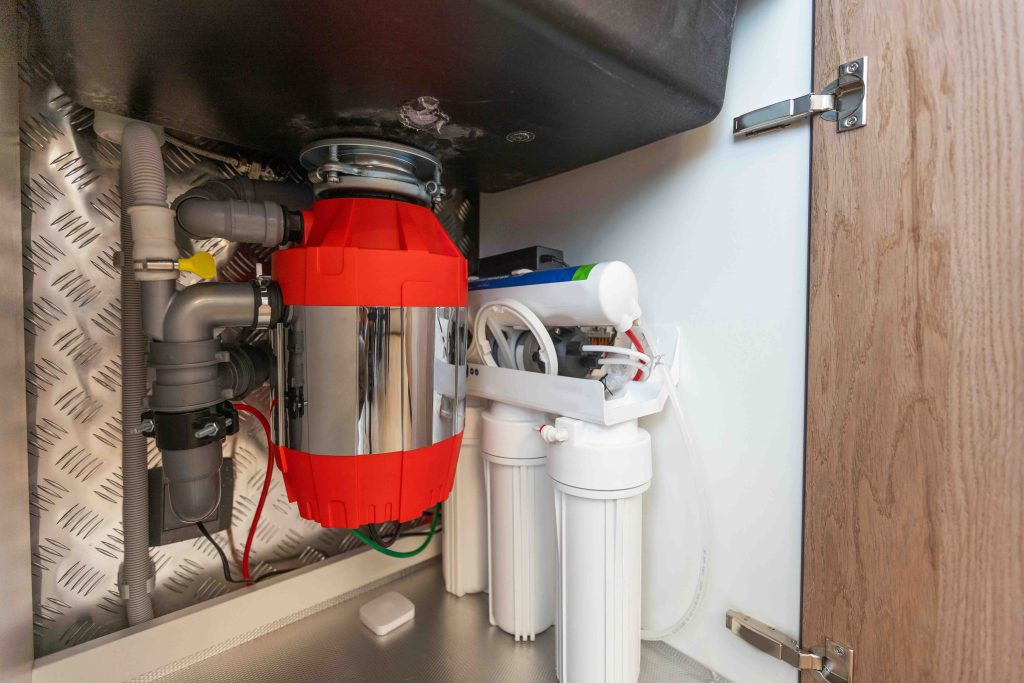
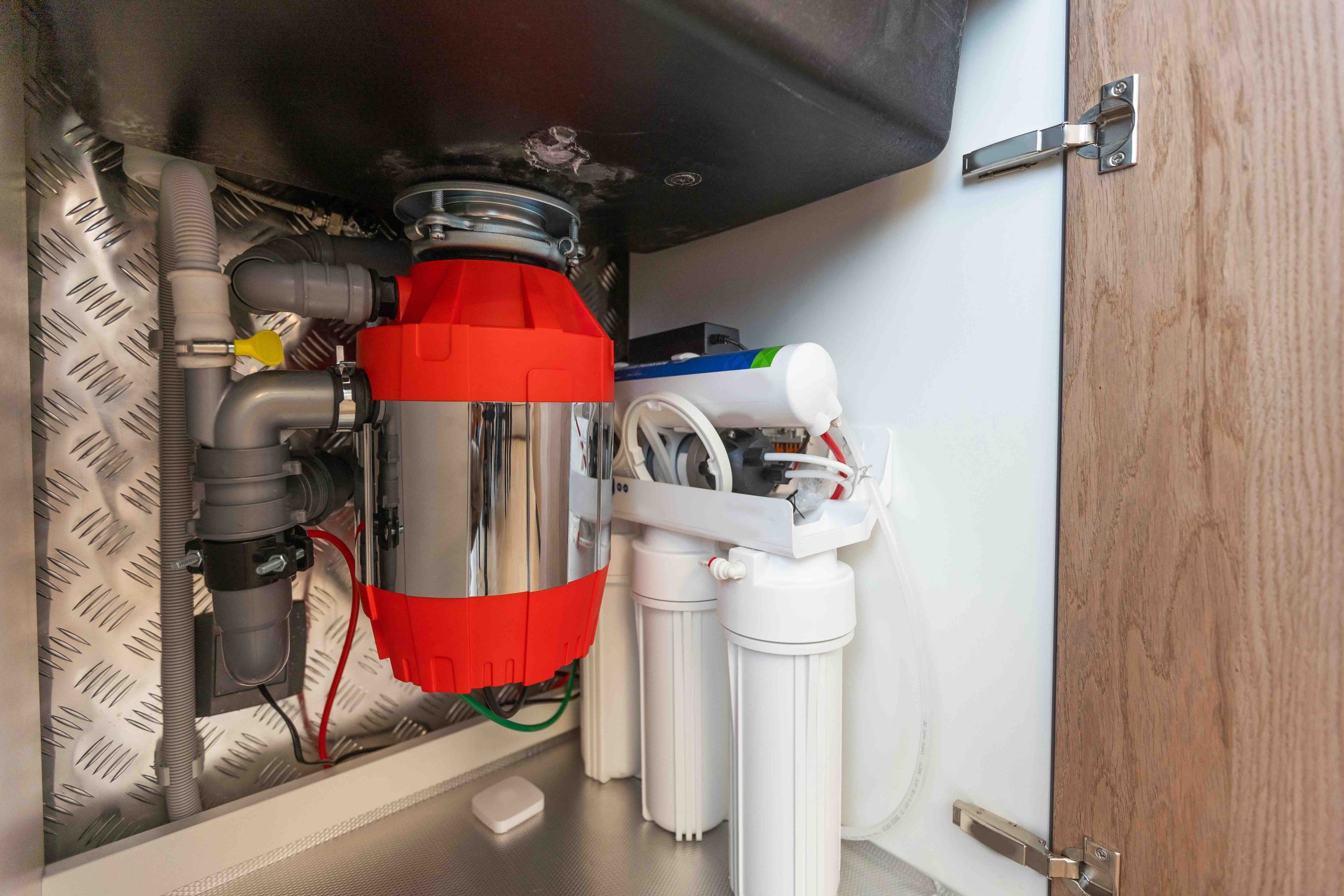
A garbage disposal is one of those appliances that quietly earns its keep every single day. Mounted beneath your kitchen sink and connected directly to the drain, it grinds food waste into small particles that pass safely through your plumbing and into the municipal sewer system or septic tank. It is a small but mighty piece of your home’s kitchen infrastructure, and when it works well, you barely think about it. When it does not, you know immediately. Understanding how this appliance functions, how to treat it properly, and what can go wrong is genuinely useful knowledge for any homeowner.
How a Garbage Disposal Actually Works
Most homeowners assume a garbage disposal works like a blender, with spinning blades chopping everything up. That is actually a misconception worth clearing up. A standard disposal uses an electric motor to spin a plate called an impeller. That spinning plate flings food waste outward against a grind ring, which breaks the material down through a combination of centrifugal force and abrasion. The result is a fine slurry that flows out through your drain. There are no sharp blades involved, which is both a safety feature and a reason why certain hard or fibrous materials cause so much trouble for the unit.
The Real Benefits of Having a Garbage Disposal
There are some genuinely practical reasons why garbage disposals have become a standard feature in millions of American homes. They reduce the volume of food waste ending up in landfills, which has a measurable environmental upside. They also make kitchen cleanup faster and less messy. No scraping plates into a trash bin, no lingering odors from food sitting in a wastebasket. From a home warranty perspective, a working disposal is considered a core kitchen appliance, and protecting it as part of a broader home protection plan makes a lot of sense for homeowners who rely on it daily.
Garbage Disposal Dos: What You Should Put Down the Drain
Not everything is off-limits. A well-maintained disposal handles a reasonable variety of everyday food scraps without any trouble. Here is what generally works well:
- Soft food scraps like cooked vegetables, fruit pieces, and small amounts of leftover meals
- Citrus peels in small quantities, which can actually help deodorize the unit
- Ice cubes, which help clean the grind ring and sharpen performance
- Cold water run continuously while the disposal is operating
- Small amounts of dish soap to help flush debris through the drain line
Running cold water before, during, and after use is not optional. It keeps the motor cool, helps move ground particles through the drain, and prevents buildup along the pipe walls. This one habit alone extends the life of a disposal significantly.
Garbage Disposal Don’ts: What Should Never Go Down There
This is where homeowners tend to run into real problems. The list of things that should never enter a garbage disposal is longer than most people expect, and ignoring it leads to jams, clogs, motor burnout, and plumbing issues that ripple far beyond the sink itself. Here is what to keep out:
- Grease, oil, and fat, which solidify in pipes and coat the grinding components
- Fibrous vegetables like celery, artichokes, and corn husks, which tangle around the impeller
- Hard items like bones, fruit pits, and shellfish shells, which can damage the grind ring
- Starchy foods like pasta, rice, and potato peels, which expand with water and create dense clogs
- Coffee grounds, which accumulate in traps and cause drainage problems over time
- Non-food items, cleaning wipes, or any kind of packaging material

Common Garbage Disposal Problems Homeowners Face
Even with careful use, disposals develop issues over time. The most frequent complaints include humming without grinding, which usually signals a jam or a tripped reset button. Leaks at the sink flange or discharge pipe are also common and often point to worn seals or loose connections. Persistent odors suggest trapped food buildup along the grind ring or splash guard. Slow draining typically means a clog has developed further down the drain line. Most of these issues are repairable, but some, particularly motor failure or a cracked housing, mean the unit needs full replacement. Average disposal lifespans run between eight and fifteen years depending on use and maintenance habits.
How to Reset and Troubleshoot a Garbage Disposal
Before calling a technician, there are a few basic troubleshooting steps worth knowing. If the disposal hums but does not spin, turn it off immediately to avoid burning out the motor. Look for the reset button on the bottom of the unit and press it once. Then use the hex wrench that came with your disposal, typically a quarter-inch Allen key, to manually rotate the impeller plate from the bottom of the unit. This frees most jams quickly. Never put your hand inside the disposal, even when the unit is off. If the disposal will not turn on at all, check the circuit breaker as well as the reset button. These two steps resolve the majority of common disposal issues without any professional help needed.
Maintenance Habits That Keep Your Disposal Running Longer
Routine care does not require much effort, but it pays off. Run the disposal regularly, even when you have minimal food waste to process, to prevent rust and corrosion on internal components. Clean the splash guard by lifting the rubber flap and scrubbing the underside with a brush and dish soap. Deodorize the unit monthly by grinding a handful of ice cubes along with some coarse salt and a few citrus peels. Avoid chemical drain cleaners inside the disposal, as they can corrode seals and damage plastic components. If you smell something consistently unpleasant and cleaning does not resolve it, that often signals food trapped beneath the splash guard or inside the drain baffle, which is a quick fix with the right brush.
Garbage Disposals and Home Warranty Coverage: What to Know
Here is something worth thinking about. Garbage disposals are categorized as built-in appliances in most home warranty plans, and coverage terms vary significantly across providers. Some plans cover mechanical failure of the motor and internal components but exclude damage caused by misuse, such as grinding bones or overloading the unit with prohibited materials. This is where proper usage habits connect directly to your warranty protection. If a disposal fails due to normal wear and tear, a solid home warranty plan helps cover repair or replacement costs. If it fails because someone consistently put the wrong things down it, that distinction matters when a claim is reviewed. Reading your coverage terms and maintaining the appliance properly are two sides of the same coin.
Why Armadillo Is Worth Considering for Garbage Disposal and Kitchen Appliance Coverage
Kitchen appliances work hard, and garbage disposals are no exception. When something goes wrong, the last thing you want is a complicated claims process or vague coverage language that leaves you guessing. That is where Armadillo’s home warranty plans for kitchen appliances and built-in systems stand apart from the competition. Armadillo offers straightforward, transparent protection designed around how homeowners actually live. Coverage terms are clear, service is responsive, and there are no unnecessary hoops to jump through when you need help. Whether your disposal motor gives out, your dishwasher stops mid-cycle, or something more significant fails in your home, having real protection in place means one less thing to worry about. If you are ready to stop crossing your fingers every time an appliance acts up, take two minutes to get a free home warranty quote and see what Armadillo covers in your area. Your kitchen will thank you.

Frequently Asked Questions About Garbage Disposals
Here are answers to some of the most common questions homeowners have about garbage disposals, from basic operation to maintenance and home warranty coverage.
Can I put eggshells down a garbage disposal?
Eggshells are a debated topic. Small amounts are unlikely to cause immediate harm, but the thin membrane inside the shell can wrap around the impeller over time, and the gritty particles can accumulate in drain traps. It is safer to compost eggshells rather than grind them regularly.
Why does my garbage disposal smell even after I clean it?
Persistent odors usually come from food residue trapped beneath the rubber splash guard or along the underside of the baffle. Scrubbing those surfaces with a brush, dish soap, and baking soda typically resolves the issue. If the smell continues, there may be buildup deeper in the drain line.
How long does a garbage disposal typically last?
With proper use and routine maintenance, most garbage disposals last between eight and fifteen years. Higher-end models with stronger motors and stainless steel components tend to last longer than entry-level units.
Is it safe to use chemical drain cleaners in a garbage disposal?
No. Chemical drain cleaners can corrode the rubber seals and plastic components inside a disposal, shortening its lifespan and potentially voiding any warranty coverage. Stick to manual cleaning methods and enzymatic cleaners designed for drains.
What should I do if my garbage disposal is leaking?
First, identify where the leak originates. Leaks at the sink flange typically indicate a worn putty seal, while leaks at the side or bottom suggest a cracked housing or failed internal seal. Minor seal issues are repairable, but a bottom leak often means the unit needs to be replaced.
Does a home warranty cover garbage disposal replacement?
Many home warranty plans include garbage disposals as part of their kitchen appliance or built-in appliance coverage. However, coverage usually applies to mechanical failures from normal wear and tear, not damage caused by misuse. Always review your specific plan terms to understand what is included.
How often should I clean my garbage disposal?
A light cleaning once a week and a more thorough deodorizing treatment once a month is a reasonable maintenance schedule. Regular cleaning prevents odor buildup, keeps the splash guard residue-free, and helps the unit drain efficiently.
Why is my garbage disposal humming but not spinning?
This almost always indicates a jam. Turn the unit off immediately to avoid motor damage, then use the reset button on the bottom of the disposal and a hex wrench to manually free the impeller. Once cleared, run cold water and test the unit again.
Can a garbage disposal damage my plumbing?
When used correctly, a disposal poses minimal risk to well-maintained plumbing. However, putting prohibited items like grease, fibrous vegetables, or starchy foods down the drain regularly can cause buildup and clogs that affect pipes well beyond the disposal itself, including traps and sewer lines.
Is it worth repairing a garbage disposal or should I just replace it?
If the unit is less than five years old and the issue is a simple jam, a leaking seal, or a tripped reset button, repair is usually the right call. If the motor has failed, the unit is over ten years old, or repairs are estimated to cost more than half the price of a new unit, replacement is the more practical investment.