When the Screw Won’t Budge: Understanding Garbage Disposals and Home Protection
It starts with a hum. You flip the switch expecting the satisfying grind of your kitchen garbage disposal, but instead, silence—or worse, a buzz and a groan. You lean in, maybe tap the side, maybe grab a flashlight. Then you see it: a screw, lodged improperly or stripped, refusing to come out. Garbage disposals are one of those appliances that feel deceptively simple—until something goes wrong. Whether it’s a seized impeller, a jammed flywheel, or—yes—that stubborn screw, servicing your garbage disposal can go from a quick fix to a comprehensive learning curve. This article explores how garbage disposals work, what can go wrong, and how a home warranty can turn repair stress into peace of mind.
What Exactly Does a Garbage Disposal Do?
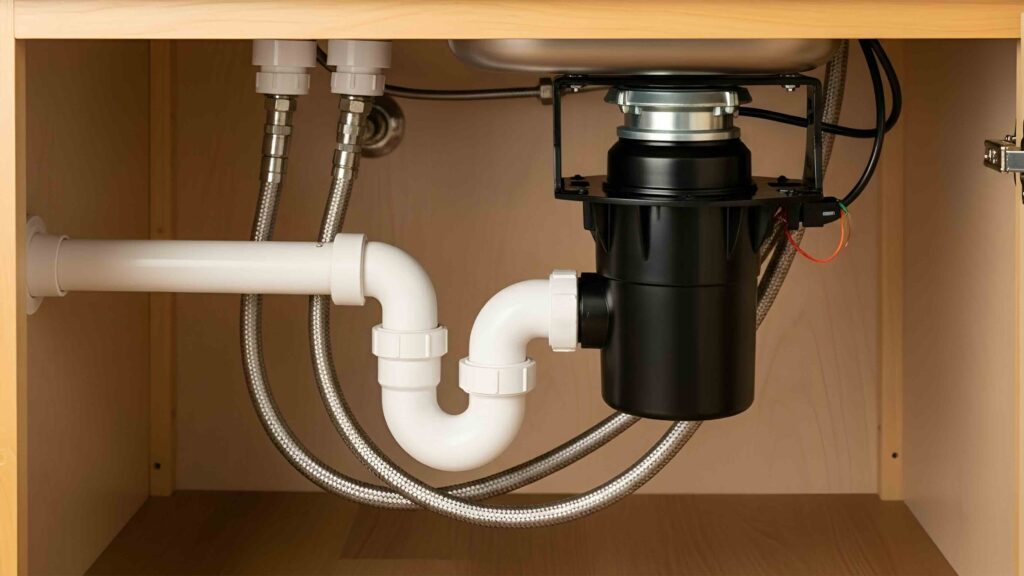
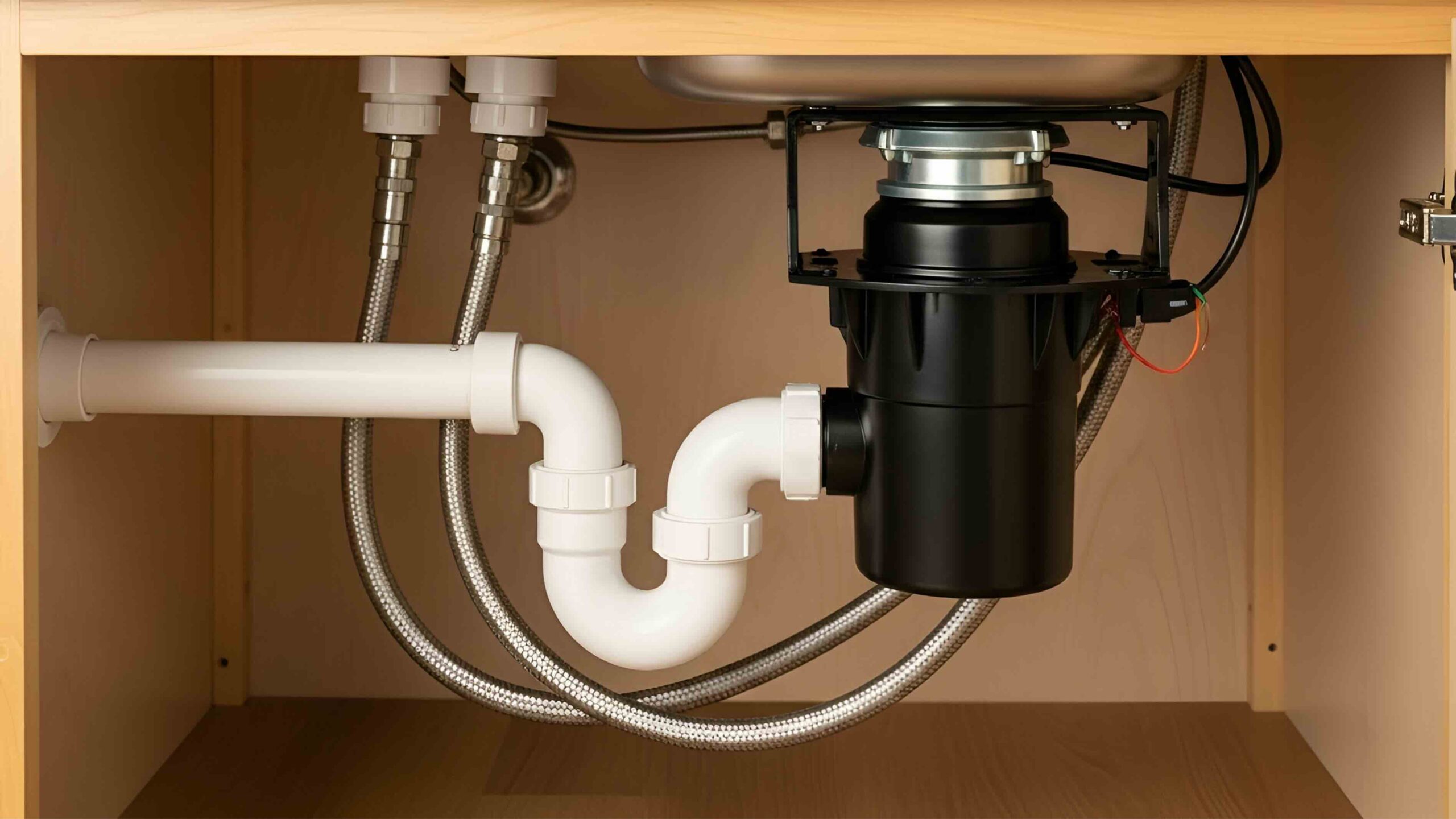
At its core, a garbage disposal is a motorized appliance installed under your kitchen sink that shreds food waste into small enough particles to pass through your plumbing. Contrary to common belief, garbage disposals don’t actually have sharp blades; instead, they use a series of impellers mounted on a spinning plate, relying on centrifugal force to push food particles against a stationary grind ring. The grinding ring has a textured surface that pulverizes the food waste until it’s washed away through your drain pipes. It’s a mix of mechanical design and hydraulic pressure—efficient, out of sight, and incredibly helpful when functioning as intended.
Common Mechanical Issues with Garbage Disposals
Despite their sturdy appearance, garbage disposals are prone to specific mechanical issues. A frozen flywheel—caused by starchy foods hardening inside the chamber—or an electrical fault can stop the unit entirely. Impeller blades often accumulate residue or become misaligned. But more often than not, the real problem lies in attempting a manual fix: stripped mounting screws, jammed hex keys, and seized fasteners can grind repair efforts to a full stop. A stuck screw can make simple maintenance exponentially more complicated. When that screw won’t come out, either due to rust, wear, or poor installation technique, it risks damaging the entire unit housing if improperly forced.
How Installation Quality Affects Long-Term Performance
Garbage disposal installation isn’t just about hooking it up to your power and sink drain. Proper support mounting, correct torque on the fasteners, adequate sealing, and thoughtful drain line connections all affect the system’s longevity. Improper tension on component screws and over-rotation during installation can cause stress fractures or early wear at key joints—making minor issues, like a jammed fastener, more costly over time. It’s also common to see issues arise from DIY methods devoid of torque-specific tools. That leads to those notorious stuck screws and occasionally warped brackets, inevitably requiring a complete disposal replacement rather than a minor fix.
Signs It Might Be Time to Repair or Replace
While noise and poor performance are obvious signals, subtler signs hint at deeper issues. Slow drainage often precedes total failure, indicating residue buildup or an obstructed discharge tube. Frequent resets on the unit’s thermal overload switch suggest the motor is straining. If you repeatedly encounter spinning issues or hear metal-on-metal grinding, the internal plate system might be unseated. And of course, if you’ve tried to remove a fastener multiple times to no success—even after applying lubricant or using an extractor—it may be more efficient to replace the whole system than bore into the unit shell. Prevention here is key, but protection—like a home warranty—can be a savings lifeline.
Why Garbage Disposal Failures Matter More Than You Think
Though modest in cost compared to larger home systems, garbage disposal unit issues often overlap with plumbing, electrical, or cabinetry problems when neglected. A slow leak unnoticed due to a backed-up disposal can lead to wood warping under the sink or mold growth. Jamming incidents that trip circuit breakers repeatedly stress adjacent electrical circuits. In essence, one small part malfunctioning—yes, even a stuck screw—can cause a ripple effect of problems in the connected systems. Yet due to its location and design, the disposal often goes unchecked until it’s too late or too expensive to handle as merely a one-off repair job.
The True Cost of Out-of-Pocket Repairs for Homeowners
In-home contractor visits for a damaged or stuck disposal generally start between $150 and $300. This doesn’t include parts or disposal replacement. If cabinetry repair becomes necessary due to water damage, the total can escalate into thousands. For homeowners without a warranty, every jammed fastener or burned-out motor becomes a negotiation between immediate cost and long-term necessity. The decision ends up less about the problem itself and more a test of your home systems’ interconnectivity and your budget’s elasticity. For a single malfunctioning screw to lead to a larger-scale home maintenance burden should not be the standard—and it doesn’t have to be.
Protecting Your Kitchen (and Sanity) with Armadillo Home Warranty
Here’s where proactive coverage steps in. With a modern home warranty from Armadillo, including plans that cover kitchen appliances like your garbage disposal, you gain not just peace of mind but access to pre-screened repair technicians and significantly reduced service costs. If a repair requires disassembly, resets, or even full replacement, you’re protected. That includes those infuriating screws that won’t budge. Instead of wrestling under the sink for hours, you submit a claim, and a professional handles the dirty work. With customizable plans available through Armadillo’s plan builder at this link, you avoid surprise costs and save your frustration for something else—like choosing paint colors, perhaps. Because homeowners shouldn’t lose whole weekends to a $4 fastener gone rogue.