When Your Gas Cooker Igniter Stops Clicking: What It Means and What to Do
You turn the burner knob, wait for that familiar rapid clicking sound, and nothing happens. No spark, no flame, just silence. A gas cooker igniter not clicking is one of those kitchen problems that feels minor right up until you realize you cannot cook dinner. The good news is that this issue is more common than you might think, it usually has a straightforward cause, and in many cases it is something you can address yourself before calling in a technician. Let us walk through exactly what is going on under the hood, why igniters fail, and how to handle it smartly.
How a Gas Cooker Igniter Actually Works
Understanding the problem starts with understanding the mechanism. A gas cooker igniter uses a spark module to generate a high-voltage electrical pulse. That pulse jumps across a small gap at the igniter tip, creating a spark that ignites the gas released when you open the valve by turning the knob. Most modern gas cooktops use an electronic ignition system, meaning there is no standing pilot light. Instead, every time you turn a burner on, the system sends that electrical signal to the igniter electrode positioned near the burner head. When the system is working correctly, you hear that crisp clicking sound and see a small blue spark. When it stops clicking entirely, something in that chain has broken down.
Common Reasons a Gas Cooker Igniter Stops Clicking
There are several well-established reasons this happens, and most fall into predictable categories. Knowing which category applies to your situation can save you a lot of time and unnecessary expense.
- Food debris and moisture buildup around the igniter electrode or burner cap
- A displaced or misaligned burner cap sitting incorrectly after cleaning
- A damaged or cracked igniter electrode tip
- A faulty spark module that no longer sends voltage to the igniter
- Worn or damaged wiring connecting the module to the igniter
- A tripped or blown fuse related to the ignition circuit
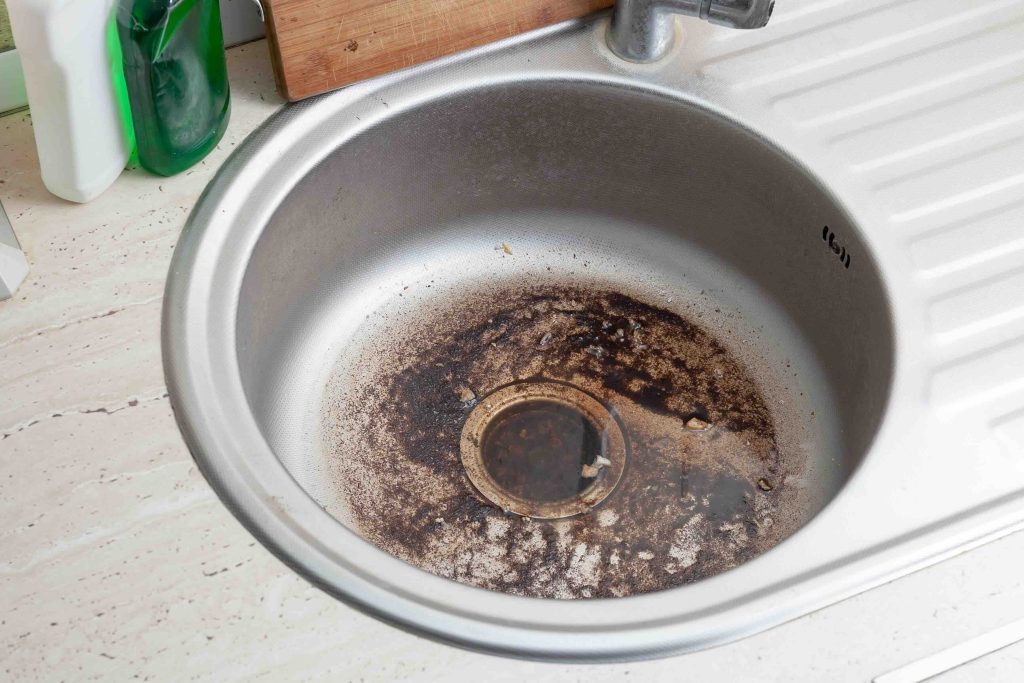
The most frequent culprit, especially in busy kitchens, is simply food residue and moisture. Spillovers land near the burner, crust over the electrode tip, and block or short out the spark before it ever forms. This is frustrating but often fixable in under ten minutes.
DIY Troubleshooting Steps You Can Take Right Now
Before assuming the worst, work through some basic checks. First, make sure the cooker is unplugged or the power is off at the circuit breaker. Then remove the burner grate and burner cap carefully. Use a soft toothbrush or a dry cloth to clean around the igniter electrode, removing any visible food deposits or moisture. Do not use excessive water directly on the igniter components. Once cleaned and dried, replace the burner cap so it sits flat and centered. A cap that is even slightly tilted can interrupt the ignition cycle. Plug the cooker back in, turn the burner knob, and check if the clicking resumes. If it does, the problem was debris. If it does not, you are likely dealing with something deeper, like a faulty electrode or spark module.

When the Fix Goes Beyond Cleaning
If cleaning did not solve the problem, the next step is inspecting the igniter electrode itself. A cracked or visibly damaged electrode tip cannot generate a proper spark. These components can be replaced, but doing so requires some technical comfort and the right replacement part for your specific cooker model. Similarly, if you hear no clicking from any burner at all, the spark module is a likely suspect. The spark module powers every igniter on the cooktop, so when it fails, the entire ignition system goes quiet. Replacing a spark module involves working with wiring connections and is generally considered a job for a qualified appliance technician, particularly if your cooker is still under warranty or covered by a home warranty plan.
The Risks of Ignoring a Non-Clicking Igniter
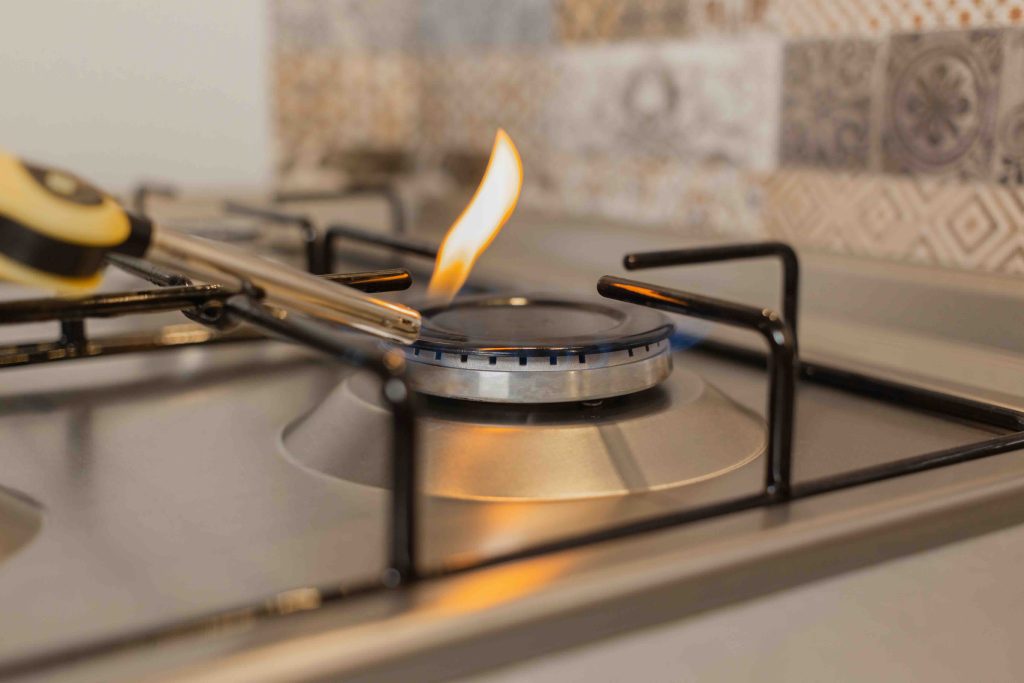
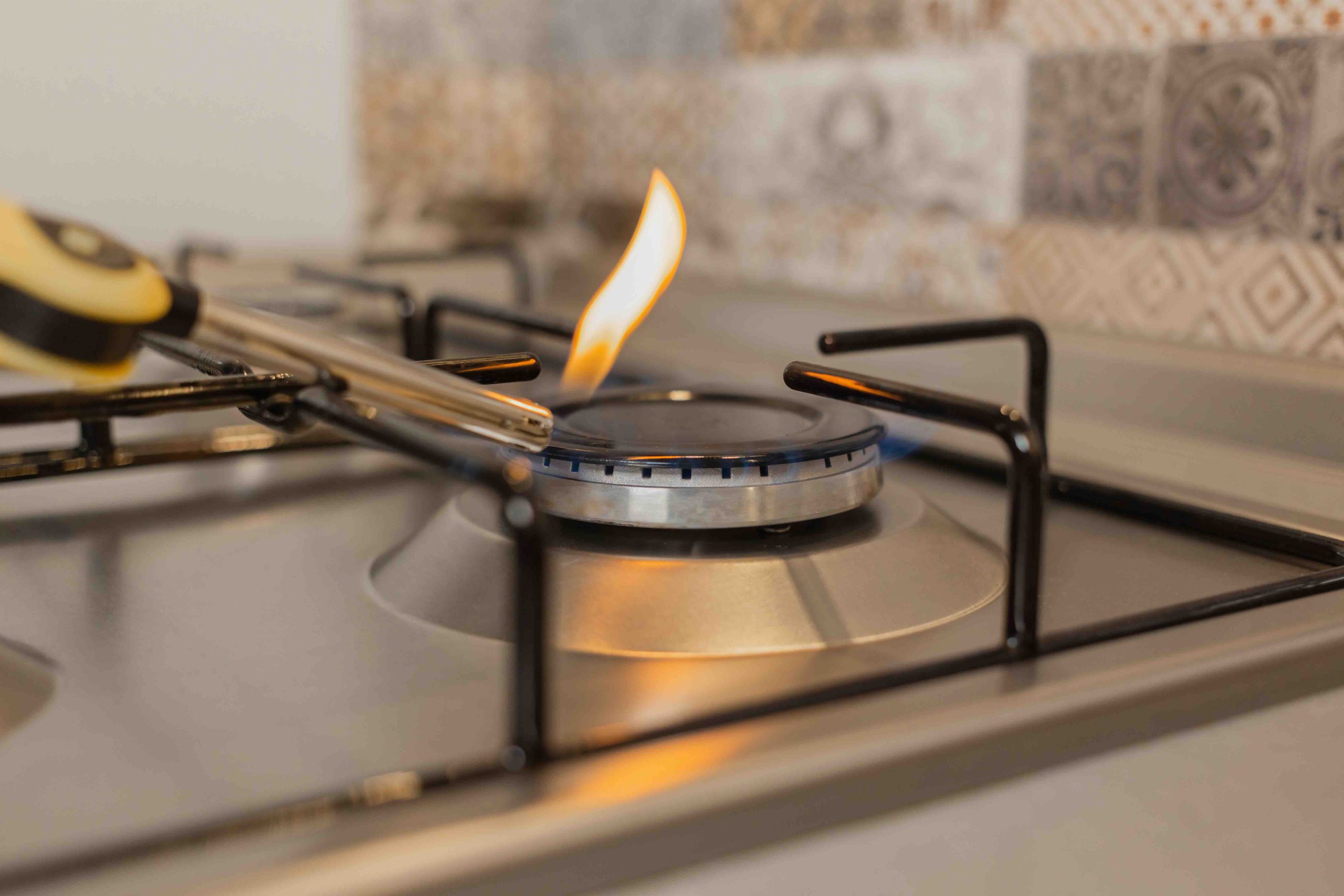
It is tempting to work around the problem by using a long lighter to manually ignite the burner. That works in the short term, but it is not a sustainable or entirely safe practice. If you turn the gas on and fumble with a lighter, you risk a small but real accumulation of unburned gas before the flame catches. Over time, an ignored ignition problem can mask other underlying issues with your cooker, including gas valve inconsistencies or wiring deterioration that could lead to larger safety concerns. Addressing the igniter problem promptly is not just about convenience. It is a reasonable safety habit for any homeowner.
Maintenance Habits That Prevent Igniter Problems
The majority of gas cooker igniter failures that homeowners experience are preventable with routine care. Keeping burner caps clean and dry after each use is the single most effective habit. Avoid letting liquid spills sit near the igniter area. When you do deep-clean your cooktop, allow all components to dry completely before using the cooker again. Even trapped moisture from a thorough cleaning session can temporarily prevent clicking. Inspect the igniter electrode periodically for visible cracks or carbon buildup, and replace it proactively if you see wear. Appliance longevity is largely a product of consistent, low-effort maintenance done regularly rather than emergency repairs done rarely.
When to Call a Professional Technician
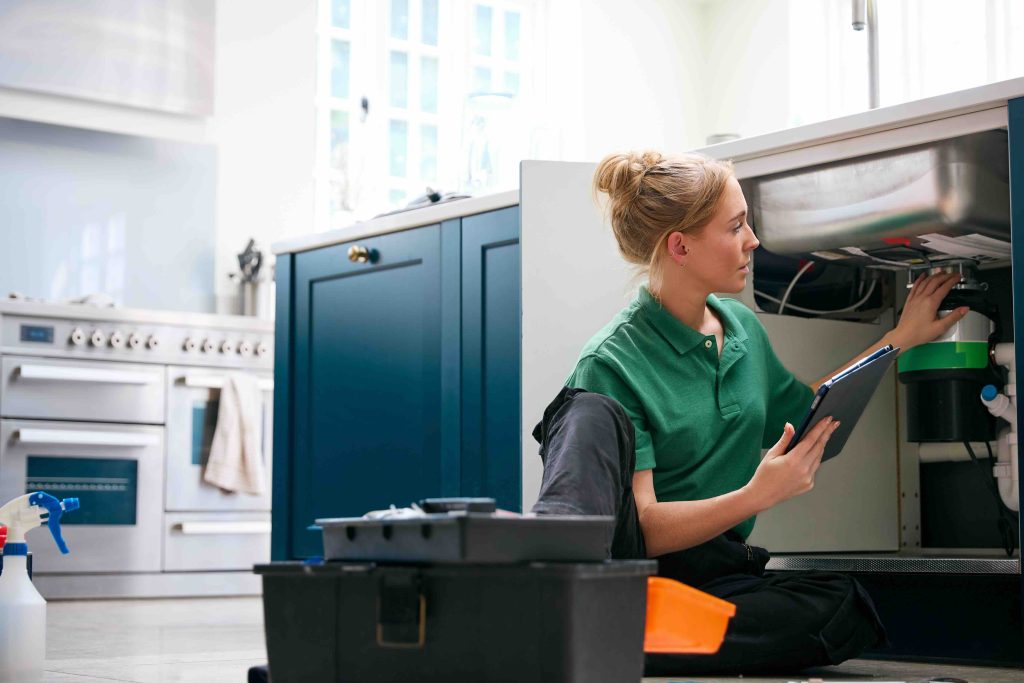
Some igniter problems genuinely require a licensed appliance technician. If you have ruled out debris, moisture, and burner cap alignment and the igniter still refuses to click, do not keep experimenting with internal components unless you have specific appliance repair experience. Gas cookers involve both electrical and gas systems, and a misstep in either area carries real risk. A technician can test the spark module voltage, inspect wiring continuity, and determine whether a component replacement will resolve the issue or whether the cooker itself has reached the end of its serviceable life. Getting a professional diagnosis also matters for home warranty purposes, as most plans require a qualified service call rather than self-performed repairs to maintain coverage eligibility.
What Home Warranty Coverage Looks Like for Appliance Igniter Repairs
This is where things get practical for homeowners who already have or are considering a home warranty. A solid home warranty plan typically covers the repair or replacement of built-in appliances when they fail due to normal wear and use. A gas cooker igniter that stops clicking because of a failed spark module or damaged electrode generally qualifies as a mechanical breakdown, which is exactly the kind of failure a home warranty is designed to address. Coverage details vary between providers, so reading your plan carefully matters. What you want to look for is explicit coverage of the ignition system components within your cooktop or range coverage. Plans that cover appliances comprehensively should not carve out igniter components as exclusions.
Why Armadillo Is Worth Considering for Your Gas Cooker Coverage
When a gas cooker igniter stops clicking and the fix goes beyond a quick wipe-down, the last thing you want to worry about is an unexpected repair bill. That is where having the right home warranty in place changes the experience entirely. Armadillo home warranty plans built for modern homeowners are designed to cover the appliance failures that actually happen in real households, including the kind of ignition system breakdowns that send people searching for answers at dinnertime. With straightforward coverage terms and a claims process that does not bury you in fine print, Armadillo takes the stress out of appliance repairs. If you have been thinking about getting coverage in place before the next thing breaks, now is a reasonable time to act. Get a home warranty quote for gas cooker and appliance protection and see what a plan looks like for your home in just a few minutes.

Frequently Asked Questions About a Gas Cooker Igniter Not Clicking
Here are answers to the questions homeowners ask most often when their gas cooker igniter stops working.
Why is my gas cooker igniter not clicking at all?
The most common reasons include food debris or moisture blocking the igniter electrode, a misaligned burner cap, a failed spark module, or a damaged wiring connection within the ignition circuit. Start by cleaning the igniter area and reseating the burner cap before moving on to component-level diagnostics.
Is it safe to use my gas cooker if the igniter is not clicking?
Using a manual lighter to ignite the burner is possible in the short term, but it is not recommended as a long-term workaround. Allowing gas to briefly accumulate while you light it manually increases risk. The igniter problem should be diagnosed and repaired promptly.
Can moisture stop a gas cooker igniter from clicking?
Yes. Moisture around the igniter electrode is a frequent cause of ignition failure, particularly after cleaning the cooktop. Allow the appliance to dry fully before using it again, and the clicking typically returns on its own once the moisture clears.
How do I know if the spark module is the problem?
If none of the burners on your cooktop produce a clicking sound, the spark module is a likely culprit since it powers the entire ignition system. If only one burner fails to click, the issue is more likely isolated to that burner’s electrode or wiring connection.
Can I replace a gas cooker igniter myself?
Replacing an igniter electrode is a task some mechanically confident homeowners handle, provided they source the correct replacement part for their cooker model. However, replacing a spark module or repairing wiring involves more risk and is generally better handled by a licensed appliance technician.
How much does it typically cost to repair a gas cooker igniter?
Repair costs vary based on the failed component and your location. An electrode replacement tends to be less expensive than a spark module replacement, which may also involve labor charges for wiring work. A home warranty plan can offset or eliminate these costs when the failure qualifies as a covered repair.
Does a home warranty cover a gas cooker igniter not clicking?
Many home warranty plans that include appliance coverage will cover ignition system failures caused by normal wear and use. It is important to review your specific plan terms and confirm that gas cooktop igniter components are not listed as exclusions before filing a claim.
How often should I clean my gas cooker igniter area?
A light wipe-down of the burner area after each use is good practice. A more thorough cleaning of the igniter electrode and burner caps should happen at least monthly in an actively used kitchen, or any time there has been a significant spill near the burner.
Why does my gas cooker igniter click but not produce a flame?
This is a different problem from a silent igniter. If clicking is happening but no flame ignites, the issue may be with gas supply, a clogged burner port, or a gas valve problem rather than the igniter itself. A technician should evaluate this scenario since it involves the gas delivery side of the system.
What is the lifespan of a gas cooker igniter?
Igniter electrodes and spark modules can last many years with proper care, but frequent cooking, spills, and heavy use accelerate wear. Regular cleaning and periodic inspection extend igniter life considerably, while neglect tends to shorten it significantly.