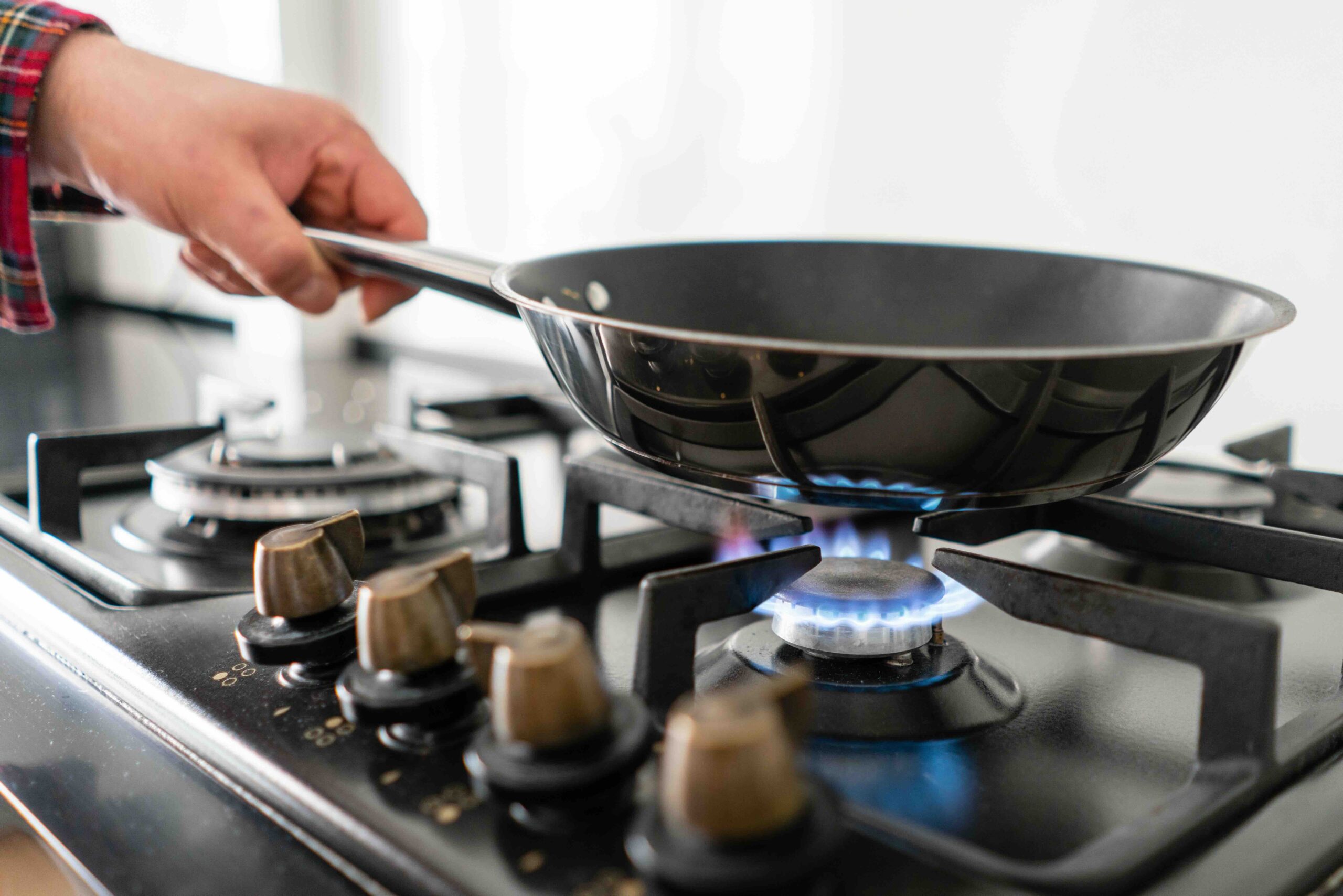
What Is a Gas Hob and Why Does It Matter in Your Home?
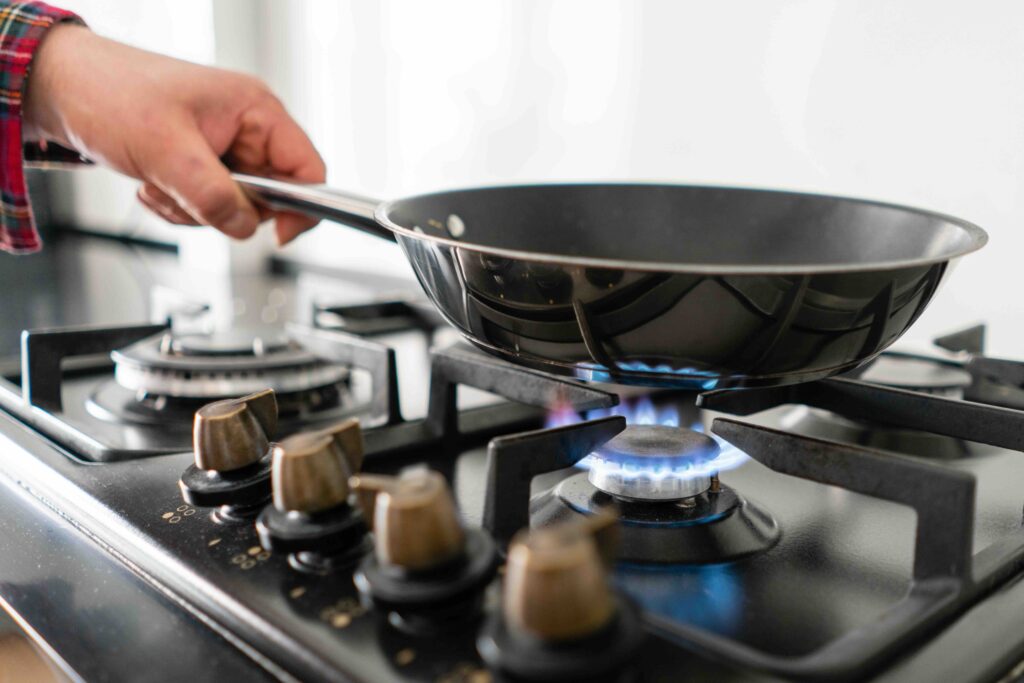
A gas hob is one of those appliances that quietly anchors your entire kitchen routine. You use it every day, probably multiple times, and you barely think about it until something goes wrong. At its core, a gas hob is a cooking surface that uses natural gas or liquefied petroleum gas to produce an open flame beneath your cookware. That flame gives you immediate, responsive heat, which is why so many home cooks and professional chefs swear by gas over electric. But like any appliance that sees daily use, a gas hob has its quirks, its failure points, and its maintenance requirements. Understanding how it works can save you money, keep your household safe, and help you make smarter decisions when something breaks down.
How a Gas Hob Actually Works
The mechanics behind a gas hob are straightforward, though the components working together are more nuanced than most people realize. When you turn a burner knob, you are opening a valve that releases gas through an internal line toward the burner head. At the same time, an igniter, usually a piezoelectric spark igniter, generates a small electric spark that lights the gas. The burner cap sits over the burner head and distributes the flame evenly in a circular pattern around the base of your pan. Most modern hobs also include a thermocouple or flame failure device, which is a safety sensor that detects whether a flame is present. If the flame goes out unexpectedly, this sensor automatically cuts the gas supply within a few seconds to prevent dangerous gas buildup. The entire system is designed to be responsive and relatively simple, but each component needs to function properly for the hob to operate safely and efficiently.
Common Reasons a Gas Hob Stops Working
When a gas hob starts acting up, the problem is usually one of a handful of recurring issues that repair technicians see constantly. Knowing what you are dealing with can help you describe the problem accurately and decide whether it is a DIY fix or a call-the-professional situation.
- Clogged burner heads from food debris, grease, or spilled liquids blocking gas flow
- Faulty igniter that clicks but does not spark, or sparks continuously without lighting
- Damaged or worn thermocouple causing the hob to cut the gas even when the flame is lit
- Broken burner cap that sits unevenly and disrupts flame distribution
- Gas valve issues that restrict or completely block the flow of gas to a specific burner
- Wiring faults connected to the ignition system or control module
Some of these issues, like cleaning out a clogged burner, can be handled carefully at home. Others, especially anything involving gas valves or internal wiring, should always be handled by a licensed technician. Gas repairs are not the place to cut corners.
The Key Advantages of Owning a Gas Hob
Gas hobs have maintained their popularity for good reason. The instant heat control is arguably their strongest selling point. When you turn the flame down, the temperature drop is immediate, which makes a real difference when you are trying to simmer a delicate sauce or melt chocolate without scorching it. Gas hobs also tend to work during power outages, provided you can light them manually, which is a practical advantage that electric and induction alternatives cannot match. They are generally compatible with all types of cookware, including cast iron and stainless steel, without any special requirements. From a running cost perspective, gas is often cheaper than electricity depending on your location and utility rates, which means long-term savings can add up meaningfully over years of use.

The Drawbacks You Should Know About
No appliance is without its downsides, and a gas hob is no exception. Open flames introduce an inherent safety risk, particularly in households with young children or in kitchens where flammable materials are stored nearby. Gas leaks, though uncommon with well-maintained appliances, are a serious hazard that requires immediate attention. Cleaning a gas hob is also more involved than cleaning a flat electric or induction surface because burner caps, grates, and heads all need to be removed and scrubbed individually. Ambient heat from the open flame can also make the kitchen warmer, which matters in summer months or in homes without strong ventilation. And while the components themselves are not overly expensive, repair costs can climb quickly when technical labor is involved, particularly for gas valve replacements or ignition system overhauls.
How to Maintain Your Gas Hob and Extend Its Lifespan
Routine maintenance is genuinely one of the best things you can do for a gas hob. The burner heads and caps should be cleaned regularly, ideally after any significant spill and at minimum once a week in an active kitchen. Remove the caps and soak them in warm soapy water, then use a soft brush to clear out any debris from the gas ports. Make sure everything is completely dry before reassembling, since moisture near the igniter can cause it to click without sparking. Check the flame pattern periodically as well. A healthy gas flame should be blue with a small inner cone. Yellow or orange flames typically indicate incomplete combustion, which can be a sign of clogged ports or a gas pressure issue worth investigating. Having a professional service your hob annually is a reasonable investment that catches problems early and keeps the appliance running safely.
When to Repair Versus When to Replace a Gas Hob
This is a question most homeowners eventually face, and the answer depends on a few practical factors. If your hob is less than ten years old and the repair cost is under half the price of a comparable replacement, repair almost always makes more financial sense. Components like igniters, thermocouples, and burner caps are relatively affordable and straightforward for a qualified technician to replace. However, if the hob is older, has multiple failing components, or requires a major repair like a full gas manifold replacement, the calculation shifts. At that point, putting that money toward a new appliance with a fresh warranty may be the smarter call. Age matters here, but so does frequency of issues. If you are calling for repairs every few months, that pattern is telling you something worth listening to.
Gas Hob Safety Tips Every Homeowner Should Follow
Safety around a gas hob is non-negotiable, and a few consistent habits can make a meaningful difference. Always ensure your kitchen is well ventilated when cooking, particularly if you are using high heat for extended periods. Install a carbon monoxide detector near your kitchen if you do not already have one. Never leave a lit burner unattended for more than a short moment, and keep flammable items like dish towels and paper products away from active burners. If you ever smell gas and cannot identify an obvious source like an unlit burner, leave the house immediately and contact your gas provider and emergency services. Do not attempt to locate the source yourself. For ongoing peace of mind, having a licensed gas technician inspect your hob as part of an annual home systems checkup is a genuinely worthwhile habit.
How a Home Warranty Can Protect You When Your Gas Hob Breaks Down
Unexpected repairs have a way of arriving at the worst possible moment, financially and otherwise. A gas hob repair can range from a relatively modest service call to several hundred dollars depending on the component and the labor involved. That is where having a solid home warranty plan becomes genuinely valuable. Rather than scrambling to find a reputable technician and negotiating repair costs under pressure, a home warranty gives you a clear process and predictable costs. When a covered appliance breaks down, you contact your warranty provider, they coordinate a qualified technician, and you pay a straightforward service fee instead of absorbing the full bill. For homeowners who rely heavily on their gas hob, that kind of coverage is more than just a financial safety net. It is a practical tool for managing the inevitable wear and tear that comes with daily home life.
If you are looking for a home warranty that actually delivers when it counts, Armadillo home warranty coverage for kitchen appliances and home systems is built around transparency, fast service, and real protection for the appliances you depend on most. There are no confusing exclusions buried in fine print and no runaround when you need a repair. You can get a free home warranty quote that covers gas hob repairs and more in just a few minutes, so you know exactly what protection you have before the next unexpected breakdown happens.

Frequently Asked Questions About Gas Hob Repair and Home Warranty Coverage
Here are answers to the questions homeowners ask most often about gas hob issues, repair decisions, and home warranty protection.
Why does my gas hob keep clicking even after the burner is lit?
This usually means moisture has gotten into the igniter. Clean and thoroughly dry the burner cap and surrounding area. If the clicking continues after drying, the igniter itself may need to be replaced by a qualified technician.
Is it safe to use a gas hob if one burner is not working?
You can generally use the other functioning burners while one is out of service, as long as there is no smell of gas and the faulty burner is fully closed. However, you should schedule a repair promptly rather than leaving the issue unaddressed.
How long does a gas hob typically last?
With proper maintenance, a gas hob can last between 15 and 20 years. Regular cleaning, timely repairs, and annual professional servicing all contribute significantly to reaching the upper end of that range.
Can I replace a gas hob igniter myself?
Replacing an igniter is sometimes a manageable DIY task if you are comfortable working with appliance components. However, because the work involves a gas appliance, having a licensed technician handle it is always the safer and more reliable choice.
What does a yellow or orange flame on a gas hob mean?
A yellow or orange flame typically indicates incomplete combustion, which can be caused by clogged burner ports, an incorrect air-to-gas ratio, or a gas pressure issue. A blue flame is the correct and safe indicator of proper combustion.
Does a home warranty cover gas hob repairs?
Many home warranty plans do cover built-in gas hobs and cooking appliances, though coverage details vary by provider and plan tier. Reviewing your specific plan terms or speaking with your provider directly will clarify exactly what is included.
How much does a typical gas hob repair cost?
Repair costs vary depending on the component and labor rates in your area, but most common repairs such as igniter replacements or thermocouple fixes fall in the range of 100 to 300 dollars. More complex repairs involving gas valves or control modules can cost significantly more.
How often should a gas hob be professionally serviced?
An annual inspection by a qualified gas technician is the general recommendation for most household gas hobs. More frequent checks may be warranted if the appliance sees very heavy use or if any performance concerns arise between scheduled visits.
What should I do if I smell gas near my hob but all burners are off?
Do not attempt to investigate or operate any switches. Leave the property immediately, leave the door open if it is safe to do so, and contact your gas utility provider and emergency services from outside the building.
Can a dirty gas hob cause a fire hazard?
Yes. Accumulated grease and food debris around burner heads and grates can ignite under high heat. Regular cleaning is a basic but genuinely important safety practice that reduces this risk substantially.