When Your GFCI Outlet Stops Working: What Every Homeowner Needs to Know
You plug something in and nothing happens. The outlet is completely dead. You check the breaker, everything looks fine, but still nothing. Sound familiar? There is a decent chance the culprit is a GFCI outlet that has tripped, failed, or was never wired correctly in the first place. GFCI outlets are one of those things most homeowners do not think about until they stop working, and when they do stop working, the confusion sets in fast. This guide breaks down everything you need to know about GFCI outlets, why they fail, what you can do about it, and when to call a professional.
What Is a GFCI Outlet and Why Does It Exist
GFCI stands for Ground Fault Circuit Interrupter. That is a technical name for something that does a very practical job. A GFCI outlet monitors the flow of electricity traveling through a circuit and detects any imbalance between the hot and neutral wires. If it senses even a small deviation, as little as 4 to 5 milliamps, it cuts power almost instantly. The whole point is to prevent electrocution, especially in areas where water and electricity are in close proximity. Bathrooms, kitchens, garages, outdoor outlets, and laundry rooms are all common locations where GFCI protection is required by modern electrical codes. The National Electrical Code has mandated GFCI protection in various locations since the 1970s, and those requirements have expanded significantly over the decades.
How a GFCI Outlet Actually Works
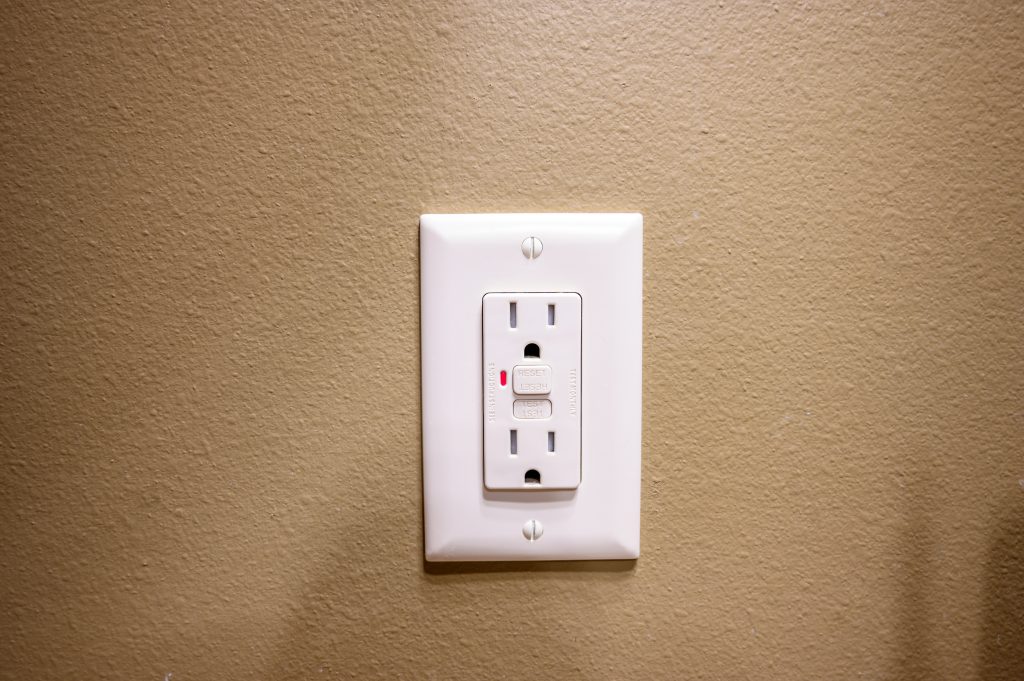
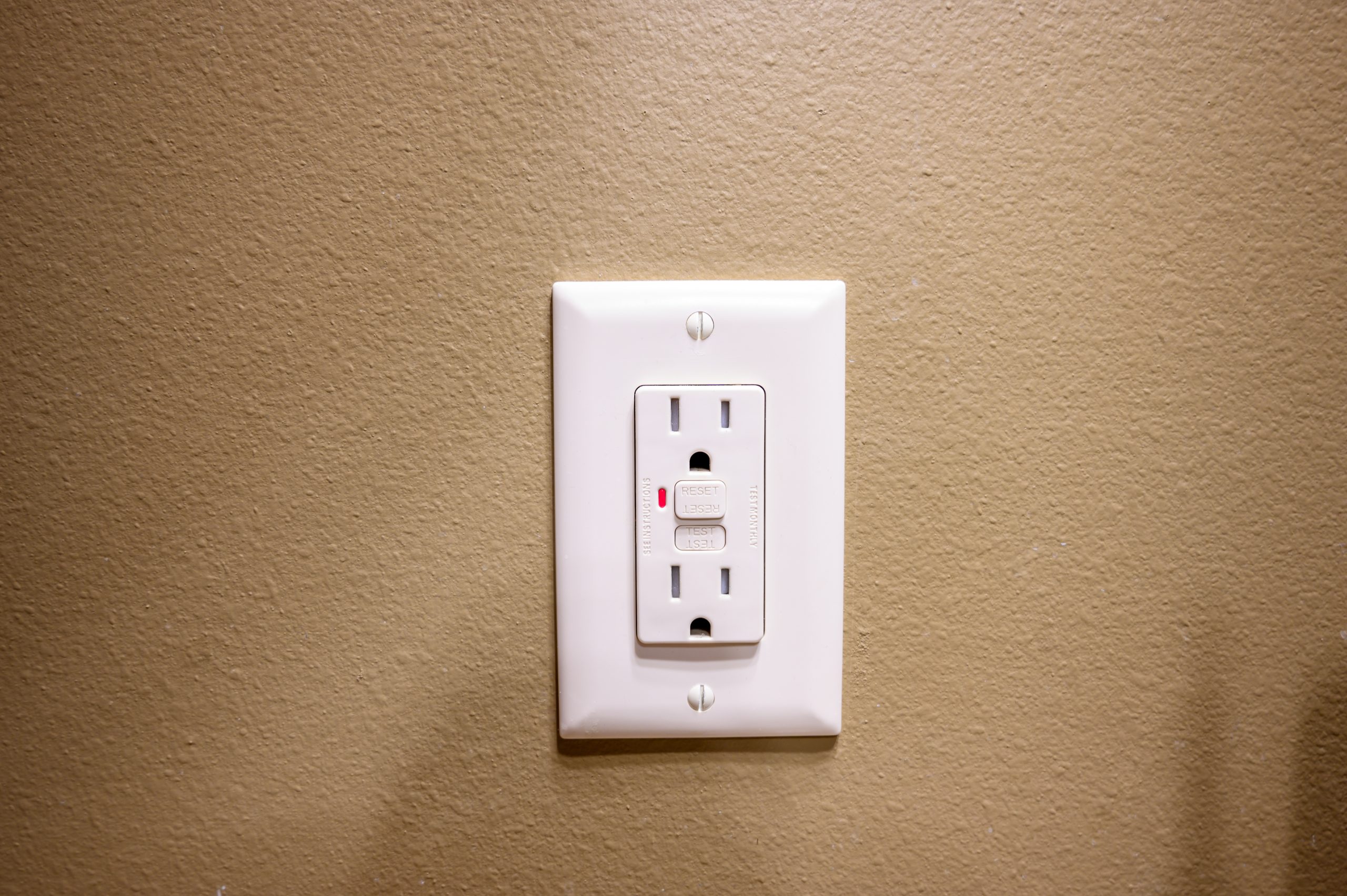
Inside the outlet, there is a small sensor that continuously measures the current going out through the hot wire and returning through the neutral wire. Under normal conditions, those two values match. If something goes wrong, like a person touching a live wire or water getting into a device, some of that current takes an unintended path. The GFCI detects the imbalance and trips the internal mechanism in a fraction of a second. That is fast enough to prevent serious injury in many situations. The two small buttons on the face of the outlet, labeled TEST and RESET, are how you manually trigger and restore the outlet. Pressing TEST should cut power to the outlet. Pressing RESET should restore it. If the outlet does not behave that way, something is wrong.
Common Reasons a GFCI Outlet Stops Working
GFCI outlets do not last forever. They have a lifespan, and they can fail for a number of reasons. Understanding the most common causes can help you figure out your next move without guessing.
- The outlet has tripped and simply needs to be reset by pressing the RESET button firmly until it clicks
- A downstream outlet or appliance on the same circuit has a fault that is keeping the GFCI from resetting
- The GFCI outlet itself has reached the end of its useful life, typically 10 to 15 years
- Moisture or humidity has damaged the internal components, especially in outdoor or bathroom locations
- The outlet was wired incorrectly during installation, which prevents proper function
- A power surge or lightning strike has damaged the internal sensor
- The GFCI is protecting multiple outlets downstream and one of those devices is causing a fault
One thing homeowners often miss is that a single GFCI outlet can protect several regular outlets on the same circuit. If a GFCI in your bathroom is tripped, it might be the reason outlets in your hallway or bedroom are also dead. Always check for a tripped GFCI before assuming a bigger electrical problem exists.
How to Troubleshoot a Non-Working GFCI Outlet
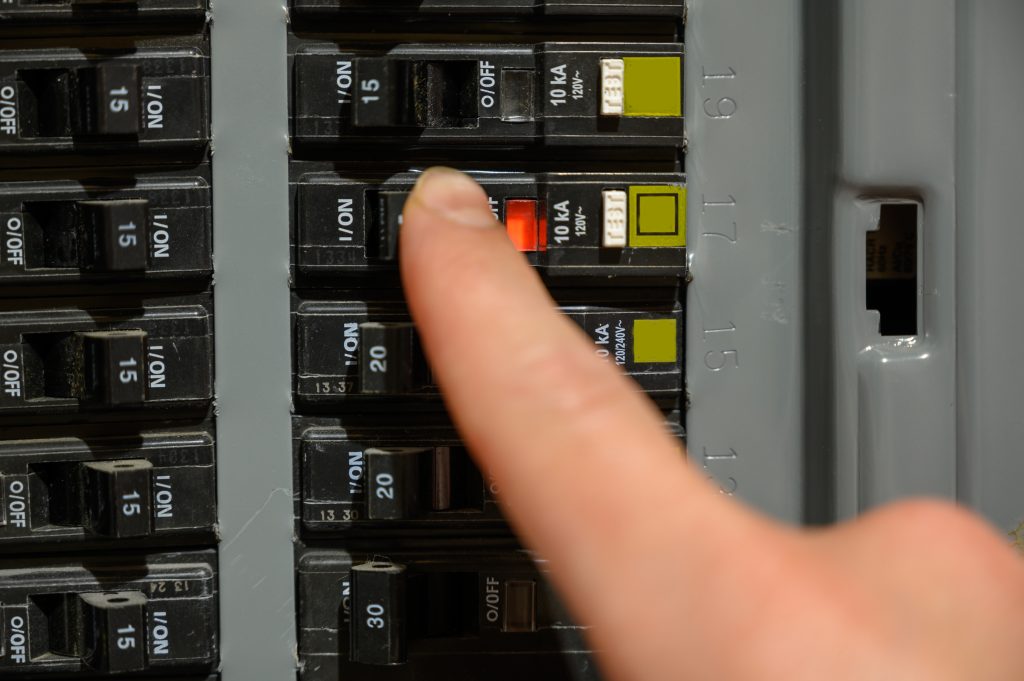
Start simple. Press the RESET button on the GFCI outlet firmly. If it clicks and power is restored, you are done. If the button will not stay in, something on the circuit is still causing a fault. Unplug every device from every outlet on that circuit and try again. If it resets now, plug devices back in one at a time until the GFCI trips again. That last device you plugged in is likely the problem. If the outlet still will not reset with everything unplugged, the GFCI itself may have failed and needs to be replaced. If the outlet has no power at all and the RESET button appears to be in the correct position already, check your home’s electrical panel for a tripped breaker. Sometimes the issue is upstream and has nothing to do with the GFCI itself.

Can You Replace a GFCI Outlet Yourself
In many cases, yes. Replacing a GFCI outlet is a manageable DIY project for a homeowner who is comfortable working with basic electrical tasks. The process involves turning off the breaker for that circuit, removing the old outlet, taking a photo of how the wires are connected before disconnecting anything, and then connecting those same wires to the new outlet following the labeled terminals. New GFCI outlets come with clear instructions and the terminals are typically marked LINE and LOAD. The LINE terminals connect to the wires coming from the panel. The LOAD terminals are optional and only used if you want the GFCI to protect additional outlets downstream. That said, if you are not confident around electrical work, there is no shame in calling a licensed electrician. Wiring mistakes in this context can create serious hazards.
Key Advantages of GFCI Outlets in Your Home
GFCI outlets are genuinely one of the most cost-effective safety upgrades available to homeowners. A single outlet costs between ten and thirty dollars. The protection it provides is significant. Electrocution and electrical fires are real risks in homes without proper GFCI coverage, particularly in older homes built before modern code requirements existed. Beyond personal safety, GFCI outlets can also protect sensitive electronics by responding quickly to abnormal current conditions. They are also required for legal compliance in many situations, including real estate transactions, rental property inspections, and permitted renovation work. Installing or updating GFCI protection is rarely optional when electrical work is being done under permit.
Common Drawbacks and Limitations to Understand
GFCI outlets are not without their frustrations. They can trip unexpectedly due to small leakage currents in older appliances, even when there is no real danger present. Some power tools, refrigerators, and older hair dryers can cause nuisance tripping. GFCI outlets also have a finite lifespan, and many homeowners have no idea when theirs were last replaced. A GFCI that appears functional may actually have a failed internal mechanism and no longer provide protection, which is one reason regular testing with the TEST button matters. Additionally, improperly wired GFCI outlets are surprisingly common in older homes, meaning the outlet may appear to work but offers no actual ground fault protection.
How Home Warranties Interact With Electrical Issues Like GFCI Failures
This is where things get interesting for homeowners. Electrical systems are often included in home warranty coverage, but the specifics vary considerably by provider and plan. Some home warranties cover the repair or replacement of wiring, outlets, and panels when they fail due to normal wear and tear. A failed GFCI outlet could potentially fall under that coverage, depending on how it failed and what caused the failure. What typically is not covered includes code violations, pre-existing conditions, or damage caused by external events like storms or power surges. Understanding your home warranty coverage before an issue occurs is far better than trying to sort it out in the middle of a repair situation.
Why Armadillo Is the Right Choice for Electrical and Home System Protection
When something like a GFCI outlet fails, it is a reminder that homes are full of systems and components that eventually need attention. Having a plan in place before that moment arrives is what separates a stressful situation from a manageable one. Armadillo home warranty coverage for electrical systems and essential home components is designed to give homeowners real protection without the confusing fine print that makes other plans feel like a trap. Armadillo approaches home warranty coverage the way it should be, transparent, straightforward, and built around what homeowners actually need. If you want to know exactly what you are covered for before you ever file a claim, get a personalized home warranty quote that covers your electrical system and more in just a few minutes. That kind of preparation is exactly what turns a broken outlet into a quick repair rather than an unexpected expense.

Frequently Asked Questions About GFCI Outlets
Here are answers to the questions homeowners ask most often about GFCI outlets, how they work, and what to do when they stop functioning properly.
Why is my GFCI outlet not resetting?
If your GFCI outlet will not reset, it is usually because something on the circuit is still causing a ground fault. Unplug all devices from outlets on that circuit and try again. If it still will not reset, the GFCI itself may have failed and needs to be replaced.
How do I know if a GFCI outlet is bad?
Press the TEST button. Power to the outlet should cut off. Then press RESET and power should return. If the outlet does not respond to either button, or if it trips constantly without explanation, the outlet has likely failed and should be replaced.
Can a tripped GFCI outlet affect other outlets in the house?
Yes. A single GFCI outlet can be wired to protect multiple regular outlets downstream on the same circuit. If that GFCI trips, all of those outlets will lose power as well, even if they are in a different room.
How long do GFCI outlets last?
Most GFCI outlets have a lifespan of 10 to 15 years. After that, the internal sensor can degrade and the outlet may no longer provide reliable protection, even if it appears to function normally.
Is it safe to replace a GFCI outlet myself?
Yes, for most homeowners who are comfortable with basic electrical tasks. Always turn off the breaker first, verify the power is off with a voltage tester, photograph the existing wiring before disconnecting anything, and follow the manufacturer instructions carefully.
Why does my GFCI keep tripping for no reason?
Nuisance tripping is often caused by small current leakages in older appliances, long wire runs, or moisture in the circuit. Try identifying which device causes the trip by plugging items in one at a time. If no device causes it, moisture or a wiring issue may be the culprit.
Where are GFCI outlets required in a home?
Current electrical code requires GFCI protection in bathrooms, kitchens within six feet of a sink, garages, outdoor locations, crawl spaces, unfinished basements, boathouses, and near swimming pools or hot tubs. Requirements vary slightly by local jurisdiction and the age of the home.
Does a home warranty cover GFCI outlet replacement?
It depends on the provider and plan. Many home warranties that include electrical system coverage will cover outlets that fail due to normal wear and tear. Coverage for code-related upgrades or pre-existing conditions is typically excluded, so reviewing your policy details is essential.
How much does it cost to replace a GFCI outlet?
The outlet itself typically costs between ten and thirty dollars. Professional installation by a licensed electrician usually adds between fifty and one hundred fifty dollars in labor, depending on your location and the complexity of the installation.
Can a GFCI outlet fail without showing any signs?
Yes, and this is one of the more concerning aspects of GFCI aging. An outlet can appear to function and even deliver power while the internal protection mechanism has failed entirely. This is why testing your GFCI outlets monthly using the TEST and RESET buttons is recommended by electricians and safety organizations.