When Your Outlet Reset Button Stops Working: What Every Homeowner Needs to Know
You walk into the bathroom, flip the switch, and nothing. The hair dryer is dead. The outlet is unresponsive. So you do what any reasonable person does — you find that little reset button on the outlet and press it. Still nothing. That moment of mild frustration is more common than you might think, and it usually points to something worth understanding before you call an electrician or, worse, ignore it entirely. GFCI outlets — those are the outlets with the small TEST and RESET buttons built right into the face — are one of the most important safety features in your home. When the reset button stops working, it is not just an inconvenience. It is a signal that something needs attention.
What Is a GFCI Outlet and Why Does Your Home Have Them
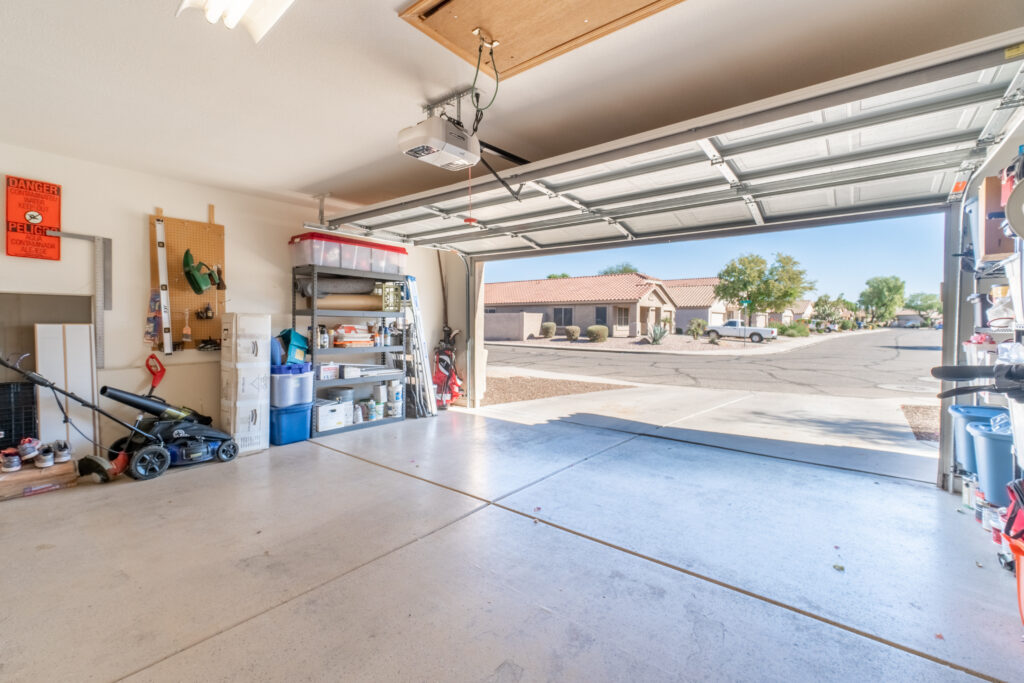
GFCI stands for Ground Fault Circuit Interrupter. It sounds technical, but the idea behind it is straightforward. A GFCI outlet constantly monitors the flow of electricity running through a circuit. The moment it detects even a tiny imbalance — we are talking about as little as 4 to 5 milliamps — it cuts power almost instantly. That reaction time is fast enough to prevent a serious or even fatal electric shock. These outlets are typically installed anywhere water and electricity might get too close for comfort, including bathrooms, kitchens, garages, outdoor spaces, and laundry rooms. Building codes have required them in those locations for decades, and for good reason. The technology is simple, reliable, and genuinely life-saving when it works correctly.
How the Reset Button Actually Works
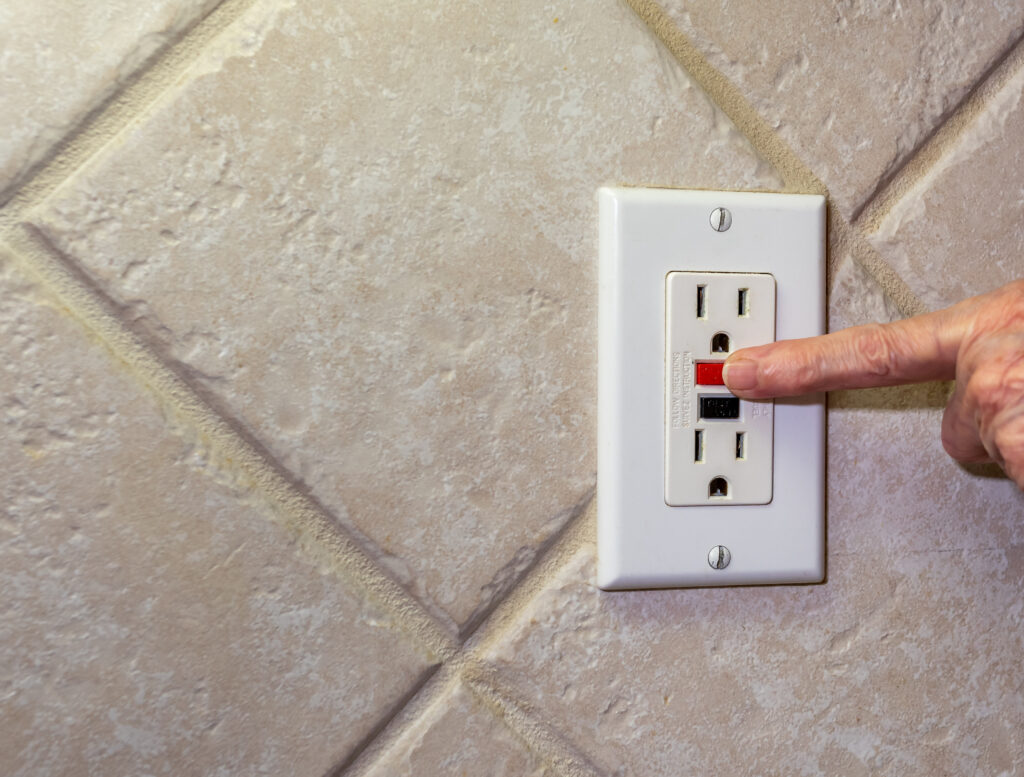
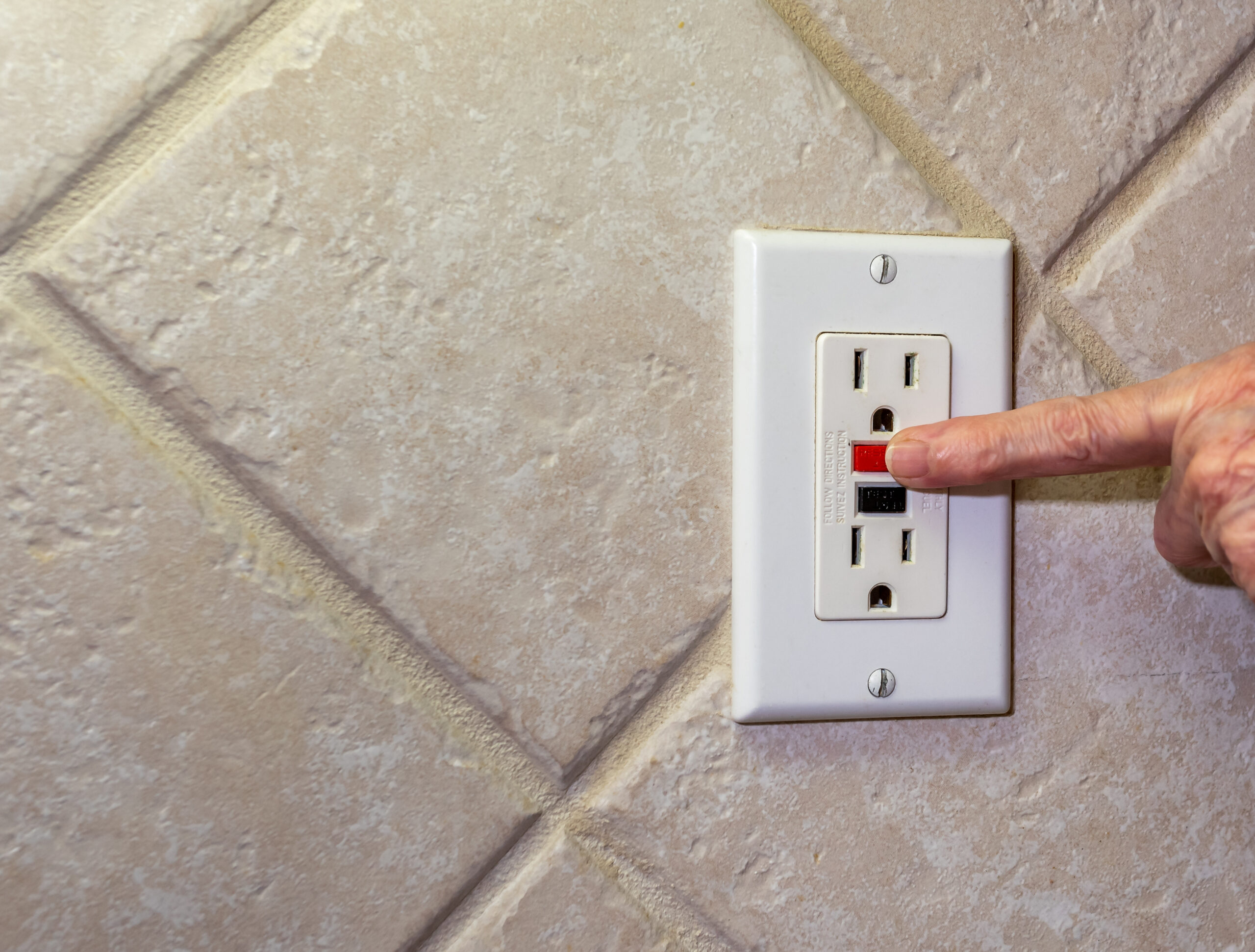
Inside every GFCI outlet is a small but sophisticated mechanism. When the outlet detects a ground fault — essentially electricity leaking where it should not go — it trips an internal switch that cuts off power to that receptacle and sometimes to other outlets connected downstream on the same circuit. The RESET button is what restores power once the fault has been cleared. Press the TEST button intentionally and the outlet cuts power. Press RESET and it comes back. That two-button system is your first line of defense, and it should work cleanly every time. When the RESET button does not click in, feels mushy, or restores no power at all, the outlet is telling you it has either tripped for a real reason or the outlet itself has failed. Neither situation should be left alone.
Common Reasons the Reset Button Stops Working
There are several reasons a GFCI outlet reset button may fail to respond or restore power, and not all of them are equally serious. Understanding what you are dealing with can help you decide whether this is a DIY situation or one that calls for a licensed electrician.
- The outlet has tripped due to an actual ground fault and the underlying problem has not been resolved, so it will not reset until the fault is cleared
- The GFCI outlet itself has reached the end of its lifespan — these devices do wear out, typically after 10 to 15 years of use
- There is no power reaching the outlet because of a tripped breaker in the main panel
- Moisture or physical damage inside the outlet has compromised the internal mechanism
- A downstream outlet or appliance connected to the same GFCI circuit is causing a persistent fault
- The outlet was wired incorrectly during installation, which can cause it to behave erratically
Steps to Take Before Calling a Professional
Before assuming the worst, there are a few things worth checking on your own. Start by making sure no appliances plugged into the outlet or connected outlets are damaged or wet. Unplug everything from every outlet on that circuit. Then check your home’s electrical panel to see whether a breaker has tripped — if it has, reset it and try the GFCI button again. If the outlet is outdoors or in a garage, check whether there is a separate GFCI outlet elsewhere that controls the circuit, because sometimes one outlet protects multiple others. If none of these steps restore function, the outlet likely needs to be replaced. GFCI outlets are not expensive as electrical components go, but replacing one safely requires turning off power at the breaker and understanding basic wiring, which is where many homeowners reasonably decide to hand things off.
The Key Advantages of GFCI Protection in Your Home
It is easy to take GFCI outlets for granted until one stops working. But these outlets represent one of the most cost-effective safety upgrades in residential electrical systems. The protection they provide is significant, particularly in households with children, older adults, or anyone who uses electric appliances near water. Beyond personal safety, GFCI outlets also protect your appliances from damage caused by irregular electrical currents. They are durable under normal conditions, relatively inexpensive to replace when they do fail, and their presence in a home often satisfies insurance and code requirements that can affect your coverage and property value. In older homes that may have been built before GFCI requirements existed, retrofitting these outlets is one of the smartest investments a homeowner can make.
Common Drawbacks and Frustrations Homeowners Experience
As reliable as GFCI outlets are, they come with a few quirks that can catch homeowners off guard. The most common complaint is nuisance tripping — when the outlet cuts power in response to something minor, like a worn appliance or brief power surge, rather than a genuine danger. This can disrupt refrigerators, freezers, or sump pumps if those are connected to GFCI-protected circuits, which is why most electrical codes specify where GFCI protection is and is not required. Another frustration is that a failed GFCI outlet can knock out power to other outlets in the same circuit, leaving homeowners confused about why outlets in a different room have suddenly stopped working. Diagnosing which GFCI controls which downstream outlets can require some patient troubleshooting.
When to Call a Licensed Electrician
Some electrical issues are within reach for a motivated homeowner with basic knowledge. A GFCI outlet that simply needs replacement, with power turned off at the breaker and wiring carefully reconnected, is one of them. However, there are situations that should go straight to a licensed professional. If you reset the GFCI and it trips again immediately, there is a real fault in the circuit that needs to be found and corrected. If you notice burning smells, discoloration around the outlet, or any sign of heat near the outlet plate, stop using it and call someone. If your home is older and wired with aluminum wiring or two-prong ungrounded outlets, the entire conversation about GFCI replacement becomes more complex and requires professional evaluation. Electrical work done incorrectly is not just ineffective — it is dangerous.
How a Home Warranty Can Help When Electrical Problems Arise
Electrical repairs have a way of arriving uninvited and at the least convenient times. What starts as a non-working reset button can sometimes reveal a larger issue — a failing outlet, a wiring problem, or a circuit that needs professional attention. That is where a home warranty can genuinely change the experience of homeownership. A quality home warranty plan covers the cost of diagnosing and repairing systems like your electrical system, which means you are not absorbing the full cost of a service call every time something goes wrong. When you have coverage in place, a non-working GFCI outlet or a tripped circuit that will not reset becomes a manageable service request rather than an unexpected bill. Armadillo offers home warranty coverage that is built around the real, everyday systems homeowners depend on, including electrical. Armadillo home warranty plans for electrical system protection are designed to give homeowners confidence that when something fails, they are not facing it alone. If you have been weighing your options and wondering what kind of protection actually makes sense for your home, now is a reasonable time to take a closer look. You can get a free home warranty quote for electrical and systems coverage in just a few minutes and see exactly what fits your home and budget.
Frequently Asked Questions About GFCI Outlet Reset Button Problems
Why won’t my GFCI outlet reset button click in?
If the reset button will not click or depress properly, the outlet has likely reached the end of its functional life and needs to be replaced. Internal components can wear out over time, especially in outlets that are 10 or more years old.
Can a tripped GFCI outlet affect other outlets in my home?
Yes. Many GFCI outlets are wired to protect additional outlets downstream on the same circuit. If the GFCI trips, all connected outlets lose power until the GFCI is reset.
How do I find which GFCI controls a dead outlet?
Check every GFCI outlet in the same area or on the same circuit, including bathrooms, the garage, and any outdoor outlets. Look for a tripped button that has popped out slightly from the outlet face.
Is it safe to keep using an outlet if the GFCI reset button is not working?
No. A GFCI outlet that cannot be reset may not be providing any shock protection. The outlet should be treated as non-functional and replaced before use.
How long do GFCI outlets typically last?
Most GFCI outlets have a lifespan of 10 to 15 years under normal conditions. Outlets exposed to moisture, heavy use, or power surges may fail sooner.
Can I replace a GFCI outlet myself?
A homeowner with basic electrical knowledge can replace a GFCI outlet safely by turning off power at the breaker, documenting the existing wiring, and connecting the new outlet correctly. If you are uncertain about any step, hiring a licensed electrician is the safer choice.
Why does my GFCI outlet keep tripping repeatedly?
Repeated tripping usually indicates a persistent ground fault somewhere in the circuit, a damaged appliance that is causing leakage current, or moisture inside the outlet itself. The underlying cause needs to be identified and resolved.
Does a home warranty cover GFCI outlet replacement?
Coverage varies by plan and provider. Many home warranty plans cover electrical systems, which can include outlet repair or replacement. Reviewing the terms of your specific plan will clarify what is and is not included.
Where are GFCI outlets required by electrical code?
Current electrical codes in the United States require GFCI outlets in bathrooms, kitchens within six feet of a sink, garages, outdoor locations, unfinished basements, crawl spaces, and near pools or hot tubs.
What is the difference between a GFCI outlet and a GFCI breaker?
A GFCI outlet provides protection only at that specific outlet and any connected downstream outlets. A GFCI breaker is installed in the electrical panel and protects every outlet and fixture on that entire circuit. Both serve the same core protective function but operate at different points in the electrical system.