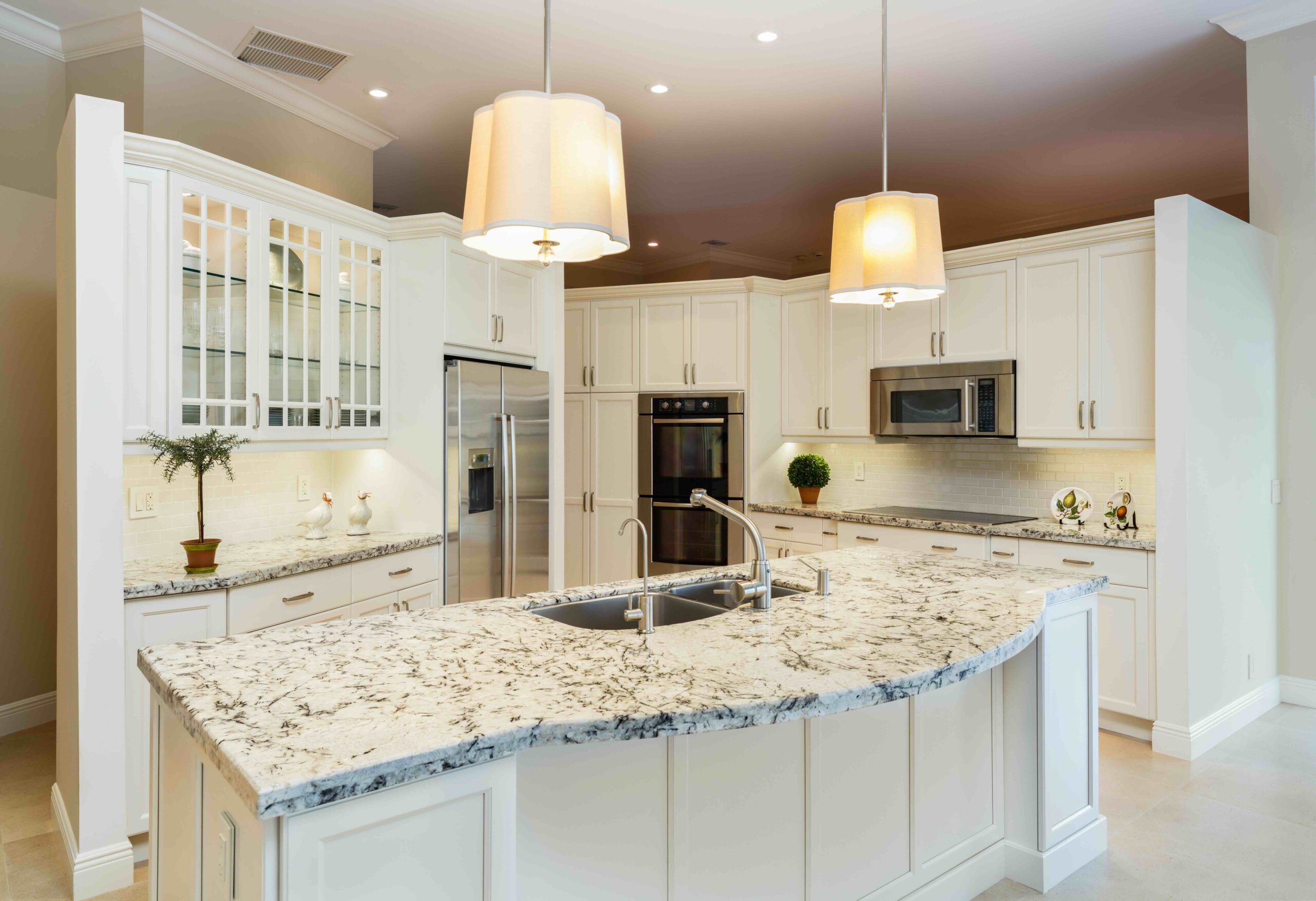
Granite Countertops: What Every Homeowner Should Know Before Committing
Granite countertops have held their reputation as a premium kitchen upgrade for decades, and that status has not faded. Walk through any upscale home listing and there is a strong chance the kitchen features granite. But popularity does not automatically mean the right fit for every household. If you are weighing your options, it helps to understand exactly what granite is, how it performs in a real home environment, and where it tends to fall short. This guide breaks all of that down in plain terms so you can make a decision grounded in facts rather than aesthetics alone.
What Granite Countertops Actually Are
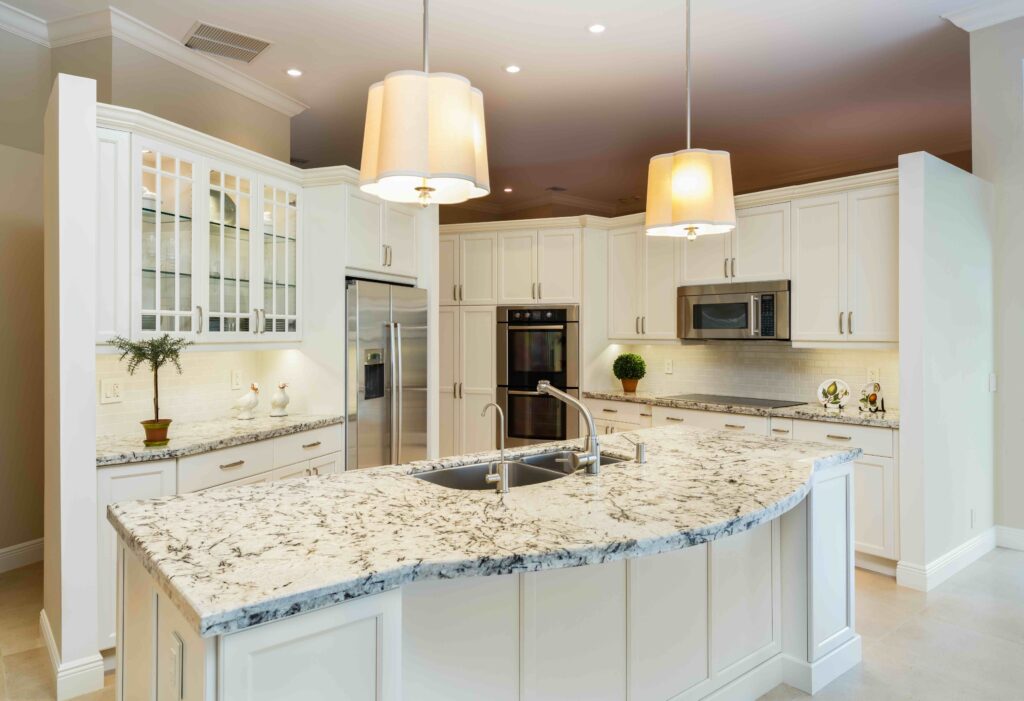
Granite is a naturally occurring igneous rock formed deep within the earth through the slow cooling of magma. Each slab is pulled directly from quarries located around the world, meaning no two pieces are identical. The mineral composition, which typically includes quartz, feldspar, and mica, gives granite its signature speckled appearance and remarkable hardness. When used for countertops, the stone is cut into slabs, polished to varying finishes, and installed directly onto cabinetry. The result is a surface that carries millions of years of geological history straight into your kitchen. That is not marketing language, that is just what it is.
How Granite Countertops Are Installed
Installation is not a casual weekend DIY project for most homeowners. Granite slabs are extraordinarily heavy, often weighing several hundred pounds depending on size and thickness. A professional fabricator will template your space, cut the slabs to fit your specific layout, and seal the edges. Seams are carefully joined and filled with color-matched epoxy to minimize visibility. The countertop is then secured to cabinetry using adhesive and sometimes additional support structures. The finishing step involves applying a sealant to protect the porous surface from staining. This is where long-term maintenance begins, and it is worth paying attention to from day one.
The Key Advantages of Choosing Granite
Granite brings a strong list of benefits to the table, and most of them hold up well over time. Here is a quick look at what granite does exceptionally well:
- Durability that rivals most other countertop materials, resisting scratches from everyday kitchen use
- High heat resistance, making it safe to place warm pots and pans without immediate surface damage
- A unique, natural appearance that adds visual character no manufactured material can fully replicate
- Strong resale value that appeals to homebuyers and appraisers alike
- A wide range of color and pattern options sourced from quarries across multiple continents
- Long-term cost efficiency when properly maintained, since well-sealed granite can last the lifetime of the home
The durability factor alone makes granite a serious contender for busy households. It is the kind of surface that holds up under real conditions, not just controlled showroom lighting.
The Real Drawbacks You Should Not Overlook
Here is where things get more honest. Granite is not without its complications, and some of them carry costs that homeowners underestimate. The material is porous, which means it can absorb liquids and develop stains if not sealed correctly or regularly. Red wine, citrus juice, and cooking oils are particularly problematic. Resealing is typically recommended once a year, sometimes more depending on usage and the specific granite variety. Beyond maintenance, the upfront cost is significant. Material and installation combined can run anywhere from a few thousand dollars to well over ten thousand for larger kitchens. Weight is another factor that occasionally requires reinforcement of existing cabinetry. Chips and cracks, while uncommon, do happen, and repairs require professional attention to look right. None of these issues are dealbreakers on their own, but together they paint a picture of an investment that demands ongoing attention.

Granite vs. Other Popular Countertop Materials
Granite is frequently compared to quartz, marble, laminate, and butcher block. Quartz is engineered rather than natural, which means it is more uniform in appearance and does not require sealing. Marble offers a softer, more elegant aesthetic but scratches and stains more easily than granite. Laminate is far more affordable but lacks the durability and perceived value of stone. Butcher block brings warmth and texture but requires significant upkeep to prevent moisture damage. Granite sits in a performance tier that balances durability, aesthetics, and value in a way few other materials can replicate across all three categories simultaneously. That said, it is worth noting that quartz has quietly closed much of that gap in recent years, particularly in low-maintenance performance.
Maintenance Tips That Actually Make a Difference
Caring for granite properly extends its lifespan and preserves its appearance significantly. Wipe up spills quickly, especially acidic substances. Use cutting boards rather than cutting directly on the surface. Avoid abrasive cleaning products that can degrade the sealant over time. Mild dish soap and warm water are genuinely all that most granite surfaces need on a daily basis. Test your seal annually by placing a few drops of water on the surface. If the water beads up, the seal is intact. If it absorbs into the stone and darkens the surface, reseal as soon as possible. These are small habits that prevent expensive problems down the road.
What Granite Installation Costs in Today’s Market
Pricing fluctuates based on granite grade, slab origin, edge profile, and regional labor rates. Entry-level granite typically starts around thirty to forty dollars per square foot installed, while premium or exotic varieties can exceed one hundred and fifty dollars per square foot. A standard kitchen renovation often falls somewhere in the range of two thousand to five thousand dollars for mid-range granite with professional installation. Custom edge profiles, undermount sink cutouts, and backsplash integration all add to the total. It is also worth factoring in the cost of annual sealing products or professional sealing services if you prefer not to handle it yourself. Budgeting beyond the initial installation quote is smart planning, not pessimism.
Granite and Home Warranty Coverage: Understanding the Connection
This is a nuance that surprises many homeowners. Granite countertops themselves are generally not covered under a standard home warranty plan. Home warranties typically protect mechanical systems and appliances rather than fixed surfaces or structural elements. However, the systems that support your kitchen, such as the plumbing underneath your sink, your garbage disposal, and your kitchen appliances, absolutely can be covered. A cracked slab or a stain from a sealing failure falls outside warranty territory. But a burst pipe that damages the underside of your countertop? That is precisely the kind of situation where having a solid home warranty plan in place makes a noticeable difference in what comes out of your pocket.
Why Armadillo Should Be Part of Your Home Ownership Plan
Investing in granite countertops reflects a commitment to quality in your home. That same mindset should extend to how you protect the systems and appliances that keep your home functional day to day. Armadillo home warranty coverage for kitchen appliances and home systems is designed with real homeowners in mind, offering transparent plans that do not bury the fine print. When your dishwasher fails, your garbage disposal quits, or your refrigerator stops cooling, the last thing you want is a repair bill that disrupts the budget you carefully planned for that granite upgrade. With Armadillo, those covered repair and replacement costs are handled without the scramble. Get a free home warranty quote to protect your kitchen investment and see exactly what kind of coverage makes sense for your home. Protecting a smart home investment starts with making smart decisions at every level, and a reliable home warranty is one of the most practical ones a homeowner can make.

Frequently Asked Questions About Granite Countertops
These are the questions homeowners ask most often when researching granite countertops for the first time or reconsidering their current kitchen surfaces.
How often do granite countertops need to be resealed?
Most granite countertops should be resealed once a year, though high-traffic kitchens or more porous granite varieties may require resealing every six months. A simple water bead test helps determine whether the sealant is still intact.
Are granite countertops heat resistant?
Granite is naturally heat resistant and can generally withstand brief contact with warm cookware without damage. However, placing extremely hot pans directly on the surface repeatedly can stress the sealant over time, so using trivets is still a recommended practice.
Can granite countertops crack or chip?
Yes, though it is not common under normal use. Heavy impacts to edges, particularly from dropped heavy objects, are the most frequent cause of chipping. Cracks can also develop if the countertop lacks proper support beneath seams. Professional repair is typically required to restore the surface.
Does granite add value to a home?
Granite countertops are widely recognized by real estate professionals as a value-adding feature. They appeal to buyers and often contribute positively to kitchen appraisal value, particularly in mid-to-upper market homes.
Is granite safe for food preparation?
Properly sealed granite is safe for food contact surfaces. The sealant prevents bacteria from entering the porous stone. However, cutting directly on granite is not recommended, as it can dull knife blades and gradually wear down the surface sealant.
What is the difference between polished and honed granite?
Polished granite has a high-gloss reflective finish that makes colors appear deeper and more vibrant. Honed granite has a matte or satin finish that offers a softer look and hides fingerprints more effectively, though it tends to show stains more readily if not sealed consistently.
How long do granite countertops last?
With proper maintenance and sealing, granite countertops can last the entire lifetime of the home. The material itself does not degrade, and damage is typically the result of neglect or physical impact rather than natural wear over time.
Are granite countertops covered by a home warranty?
Standard home warranty plans do not cover granite countertops, as warranties are designed to protect mechanical systems and appliances rather than fixed surface materials. However, kitchen appliances and plumbing systems that interact with your countertop area may be covered depending on your plan.
Can I install granite countertops myself?
Professional installation is strongly recommended. Granite slabs are extremely heavy, cutting requires specialized equipment, and improper seam alignment or inadequate cabinet support can lead to costly problems. The investment in professional labor is worthwhile for a material at this price point.
What cleaning products are safe to use on granite?
Mild dish soap mixed with warm water is the safest and most effective daily cleaning solution for granite. Avoid bleach, vinegar, ammonia-based cleaners, and abrasive scrubbing pads, as these can break down the sealant and etch the stone surface over time.