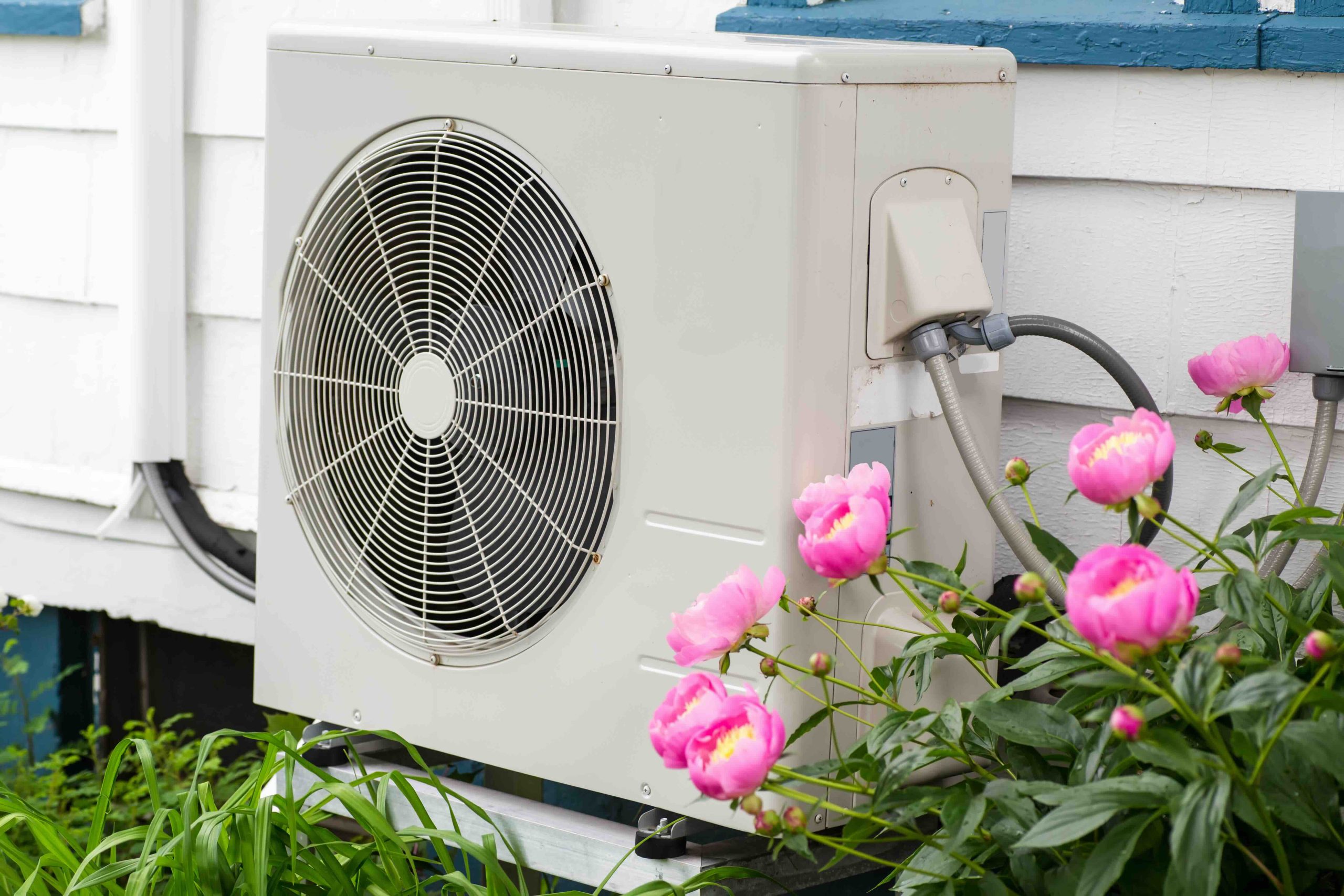
What Is a Heat Pump and Why Are Homeowners Talking About It?
If you have spent any time researching heating and cooling options lately, chances are you have come across the term heat pump more than once. It shows up in conversations about energy efficiency, utility bills, and home upgrades with increasing frequency. And honestly, it deserves the attention. A heat pump is a single system that both heats and cools your home, and it does so in a way that is fundamentally different from a traditional furnace or central air conditioner. Understanding what it actually does, and whether it makes sense for your home, is worth your time before you commit to anything.
How a Heat Pump Actually Works
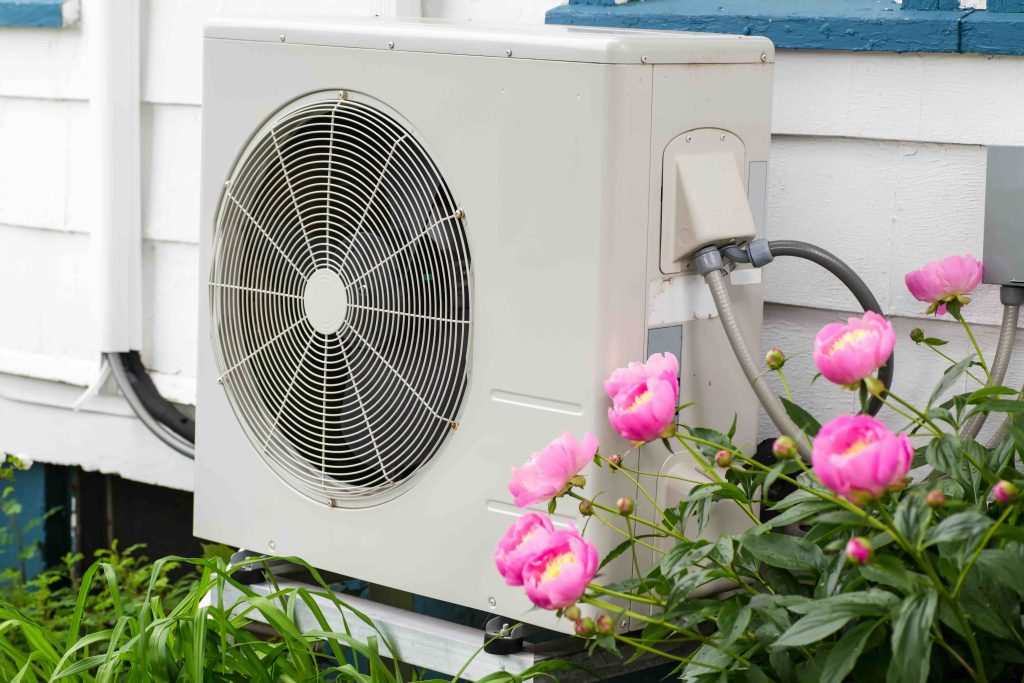
Here is the part that trips people up at first. A heat pump does not generate heat the way a furnace does. It moves heat. In the winter, it pulls heat energy from the outdoor air, even when it is cold outside, and transfers it into your home. In the summer, it reverses the process, pulling heat out of your home and releasing it outdoors. Think of it like a refrigerator that can run in both directions. The system relies on refrigerant, a compressor, and two sets of coils, one inside and one outside, to manage this transfer. Because it is moving energy rather than creating it, a heat pump can be significantly more efficient than systems that burn fuel to produce warmth.
The Different Types of Heat Pumps You Should Know
Not all heat pumps are built the same, and the type you choose depends heavily on your home’s layout, your climate, and your budget. The most common variety is the air-source heat pump, which pulls heat from outdoor air and is the most widely installed across the country. Then there are ground-source heat pumps, often called geothermal systems, which extract heat from the earth below the frost line where temperatures remain stable year-round. Ductless mini-split heat pumps offer flexibility for homes without existing ductwork, delivering conditioned air directly into individual rooms. Each type has its own cost structure, efficiency profile, and installation requirements, so it pays to understand the differences before making a call.

Key Advantages of Choosing a Heat Pump System
There are some genuinely compelling reasons homeowners are making the switch, and it goes beyond trend-chasing. Heat pumps offer a range of benefits that can have a real impact on comfort and long-term costs.
- Energy efficiency that often exceeds traditional furnaces and central air systems, sometimes delivering two to three times more energy than they consume
- Year-round functionality from a single system, eliminating the need for separate heating and cooling equipment
- Reduced reliance on fossil fuels, which aligns with both environmental goals and long-term energy cost stability
- Quieter operation compared to many conventional HVAC setups
- Potential eligibility for federal tax credits and local utility rebates, which can meaningfully offset installation costs
- Improved indoor air quality in some configurations, since the system does not combust fuel and produces no combustion byproducts
These advantages stack up, especially for homeowners planning to stay in their homes for several years and looking for ways to reduce recurring utility expenses.
Common Drawbacks and Limitations to Consider
No system is perfect, and heat pumps are no exception. The most frequently cited limitation is performance in extremely cold climates. Older heat pump models struggled significantly once outdoor temperatures dropped below freezing, because there was simply less heat energy in the air to extract. Modern cold-climate heat pumps have improved dramatically and can operate efficiently at much lower temperatures, but it is still a factor worth understanding before you invest. Upfront installation costs tend to be higher than a standard furnace or central air unit, which can give homeowners pause. Ductwork compatibility is another consideration, since homes without existing ducts will require either ductless systems or a new duct installation. Finally, like any complex mechanical system, heat pumps require regular maintenance and do experience component failures over time, which brings us to a topic every homeowner should keep in mind.
What Maintenance Does a Heat Pump Require?
Consistent maintenance is what keeps a heat pump running efficiently and extends its lifespan. Filters should be checked monthly and replaced or cleaned regularly. The outdoor unit needs to stay clear of debris, leaves, and ice buildup. Coils on both the indoor and outdoor units should be inspected and cleaned at least once a year. A professional HVAC technician should perform a full tune-up annually, checking refrigerant levels, inspecting electrical connections, and verifying that the reversing valve, which allows the system to switch between heating and cooling modes, is functioning correctly. Skipping maintenance does not just reduce efficiency, it accelerates wear on components that are expensive to replace.
Heat Pumps and Home Warranties: What You Need to Know
Because heat pumps serve as both heating and cooling systems, they are typically classified as a core home system, much like a traditional HVAC unit. This means they are often eligible for coverage under home warranty plans that include heating and cooling systems. However, the specific components covered, and the conditions under which coverage applies, can vary significantly from one provider to the next. Homeowners should pay close attention to whether their warranty plan covers the compressor, refrigerant issues, the reversing valve, and both the indoor air handler and outdoor condenser unit. Reading the fine print carefully and confirming what is and is not covered before a breakdown occurs is always the smarter approach.
Is a Heat Pump the Right Choice for Your Home?
The honest answer is that it depends. A heat pump makes a lot of sense in moderate climates where temperatures rarely dip to extreme lows for extended periods. It also makes strong financial sense for homeowners who are replacing an aging HVAC system anyway, since the cost differential becomes less significant when you factor in what you would spend on a new furnace and air conditioner separately. If your home already has ductwork in good condition, the transition to an air-source heat pump is relatively straightforward. If you are in a colder region, a cold-climate heat pump paired with a backup heating source could be a practical hybrid approach. The key is matching the system to your actual climate, your home’s infrastructure, and your budget.
Practical Tips Before You Install a Heat Pump
- Get a Manual J load calculation from a qualified HVAC contractor to ensure the system is properly sized for your home’s square footage and insulation levels
- Research available federal tax credits under the Inflation Reduction Act, which may cover a portion of installation costs for qualifying systems
- Ask your utility company about rebates specific to heat pump installation, since many offer incentives tied to efficiency improvements
- Check the HSPF2 and SEER2 ratings of any system you consider, as these measure heating and cooling efficiency respectively
- Confirm that your electrical panel can support the system, since some homes require an upgrade before installation
- Inquire with your home warranty provider about adding or confirming coverage for heat pump systems before you finalize your purchase
Why Armadillo Is the Smart Companion to Your Heat Pump Investment
Investing in a heat pump is a meaningful upgrade, and protecting that investment with the right coverage is just as important as choosing the right equipment. Heat pumps are sophisticated systems with components that will, over time, need repair or replacement. That is simply the reality of any mechanical system working around the clock to keep your home comfortable. Armadillo understands the way home systems actually work, and its warranty plans are designed with real homeowners in mind, not just the fine print. If you are looking for a home warranty provider that approaches heating and cooling coverage with clarity and transparency, Armadillo’s home warranty plans for heating and cooling systems are worth a close look. When your heat pump needs attention, having coverage in place means you are not staring down a large, unexpected repair bill. You can take the first step toward protecting your system today by visiting Armadillo and taking a moment to get a free heat pump home warranty quote tailored to your home.

Frequently Asked Questions About Heat Pumps
These are some of the most common questions homeowners ask when exploring heat pump systems and how they interact with home warranty coverage.
Can a heat pump work as the sole heating source in a cold climate?
Modern cold-climate heat pumps are capable of operating efficiently in temperatures well below freezing, often down to negative 13 degrees Fahrenheit or lower, but supplemental heating is sometimes recommended for regions with prolonged extreme cold snaps to maintain consistent comfort.
How long does a heat pump typically last?
With proper maintenance, a heat pump generally lasts between 15 and 20 years, though the outdoor unit may experience wear sooner in harsh climates with significant temperature swings or exposure to salt air.
Is a heat pump covered under a standard home warranty?
Many home warranty plans cover heat pumps under their heating and cooling system categories, but coverage details vary by provider, so reviewing what specific components are included before purchasing a plan is essential.
What is the difference between a heat pump and a traditional HVAC system?
A traditional HVAC system uses a furnace to generate heat through combustion and a separate air conditioner to cool the home, while a heat pump handles both functions by transferring heat rather than generating it, making it more energy efficient in many conditions.
How much does it cost to install a heat pump?
Installation costs vary widely depending on the type of heat pump, the size of your home, and whether ductwork modifications are needed, but homeowners can generally expect to spend anywhere from four thousand to ten thousand dollars or more for a full air-source system installation.
Do heat pumps require more maintenance than a furnace?
Heat pumps require comparable maintenance to a traditional HVAC system, including filter changes, coil cleaning, and annual professional inspections, though because they run year-round for both heating and cooling, consistent upkeep is especially important.
Can I add a heat pump to my existing ductwork?
In most cases, yes, if your existing ductwork is in good condition and properly sized, an air-source heat pump can connect to it without major modifications, though a contractor should assess the duct system before installation.
What does HSPF2 mean and why does it matter?
HSPF2 stands for Heating Seasonal Performance Factor 2 and is the current efficiency rating standard for heat pump heating performance, with higher numbers indicating greater efficiency and lower operating costs over a heating season.
Are there tax credits available for heat pump installation?
Yes, qualifying heat pump installations may be eligible for federal tax credits under current energy efficiency incentive programs, and many state and local utility programs offer additional rebates, so checking both federal and regional resources is recommended before purchasing.
What happens if my heat pump breaks down and I have a home warranty?
If your heat pump experiences a covered mechanical failure, your home warranty provider will typically dispatch a qualified technician to diagnose the issue and coordinate the repair or replacement of covered components, subject to the specific terms of your plan.