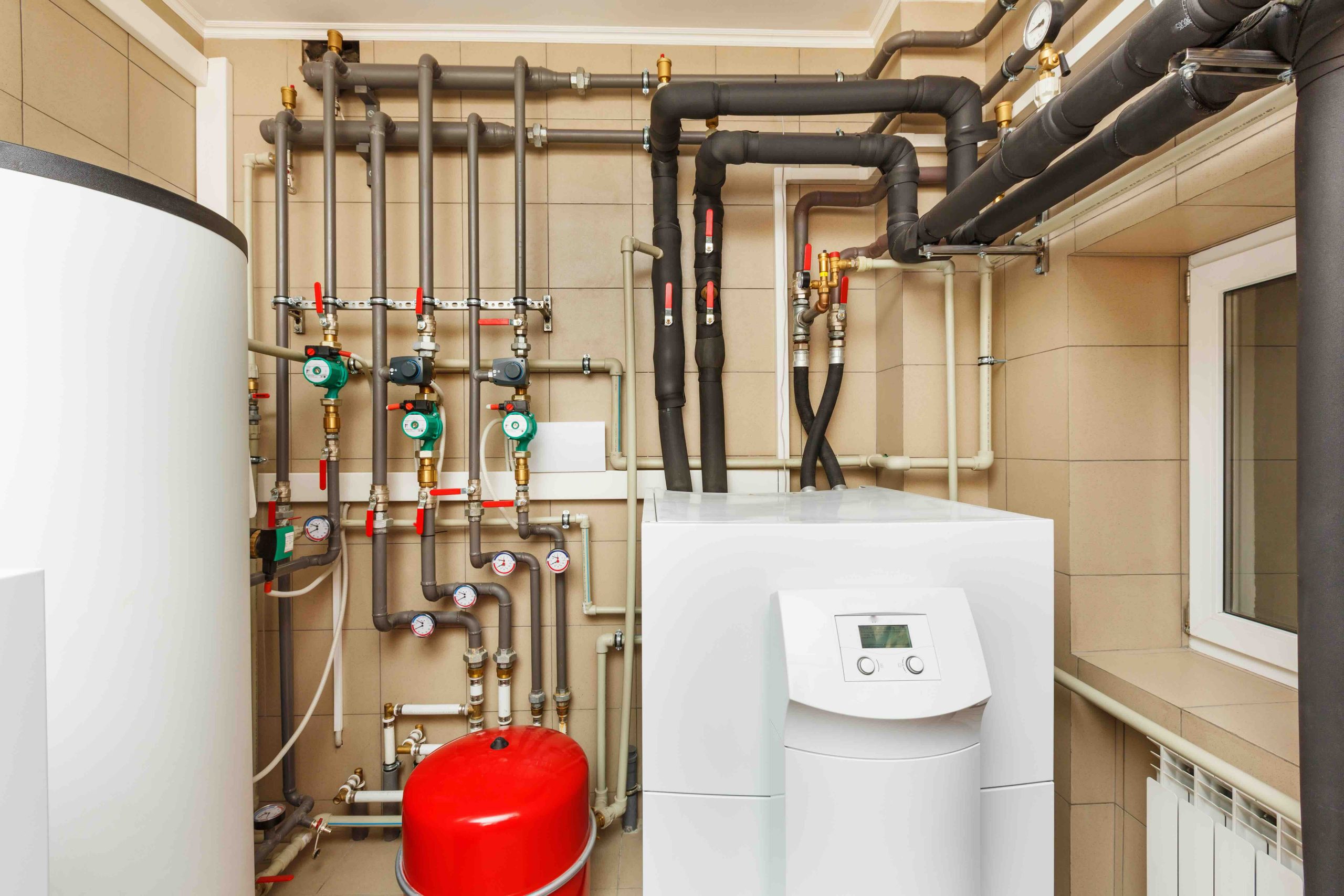
What Is a Heat Pump and Why Are Homeowners So Interested in It Right Now?
If you have spent any time researching ways to heat and cool your home more efficiently, you have probably run into the term heat pump more than once. And honestly, the name does not do it justice. It sounds mechanical and unremarkable, but the technology behind it is genuinely impressive. A heat pump is a single system that handles both heating and cooling, making it one of the more versatile home comfort solutions available to homeowners today. With energy costs climbing and environmental awareness growing, it is no surprise that more people are asking whether a heat pump is the right move for their home.
How a Heat Pump Actually Works
Here is where things get interesting. Unlike a furnace, which generates heat by burning fuel, a heat pump moves heat from one place to another. In the winter, it pulls warmth from the outdoor air and transfers it inside. In the summer, it reverses the process and pulls heat from inside your home and pushes it outside. Yes, there is usable heat in cold outdoor air. Even at temperatures that feel frigid, there is enough thermal energy to extract and use. The system relies on refrigerant, a compressor, and two sets of coils to make this exchange happen. It runs on electricity, which is a key point we will come back to.
The Different Types of Heat Pumps You Should Know About
Not all heat pumps are built the same, and knowing the differences will help you figure out which one makes sense for your home. The three most common types are air-source, ground-source, and mini-split systems.
- Air-source heat pumps are the most widely used. They transfer heat between your home and the outside air and work well in moderate climates.
- Ground-source heat pumps, also called geothermal systems, pull heat from the ground, which stays at a more consistent temperature year-round. They are more efficient but significantly more expensive to install.
- Mini-split heat pumps are ductless systems that work well for additions, older homes without existing ductwork, or rooms that need individual climate control.
The Key Advantages of Choosing a Heat Pump
There are several compelling reasons homeowners are making the switch. First, efficiency. Heat pumps can deliver two to four times more heating energy than the electricity they consume. That ratio puts them far ahead of electric resistance heating and even competitive with gas in many scenarios. Second, they offer year-round comfort from one system. You are not maintaining a separate furnace and air conditioner. Third, because they run on electricity, they pair naturally with solar panels if you are moving in that direction. Fourth, many regions offer rebates and tax incentives for heat pump installations, which can meaningfully offset the upfront cost. And finally, they tend to improve indoor air quality because they do not involve combustion, meaning no carbon monoxide risk and no byproducts of burning fuel.
Common Drawbacks You Should Not Overlook
No system is perfect, and heat pumps come with real considerations. The most frequently cited limitation is performance in extreme cold. Traditional air-source heat pumps lose efficiency as outdoor temperatures drop well below freezing. Newer cold-climate models have improved significantly, but it is still worth understanding your local weather patterns before committing. The upfront cost is another sticking point. Heat pump installation typically runs higher than a standard HVAC replacement, though operating savings often make up the difference over time. Homes without ductwork may face added costs if they are not going the mini-split route. And like any mechanical system, heat pumps have components that will eventually wear out and need attention.

What to Expect From Installation
Installing a heat pump is not a weekend DIY project. It requires a licensed HVAC technician, and depending on the type of system you choose, the process can take anywhere from a single day to several days. For an air-source system replacing an existing central HVAC setup, the process is relatively straightforward. Ground-source installations are more involved, often requiring excavation or drilling on your property. Before installation, a good contractor will assess your home’s size, insulation quality, and existing ductwork to recommend the right system capacity. Getting that sizing right matters. An undersized unit will struggle to keep up, and an oversized one will cycle on and off too frequently, reducing efficiency and wear over time.
How to Maintain a Heat Pump and Keep It Running Well
Maintenance for a heat pump is not dramatically different from what you would do for a traditional HVAC system, but it does have some specific requirements. Filters should be checked monthly and replaced or cleaned regularly. The outdoor unit needs to stay clear of debris, leaves, and in winter, ice buildup. Coils should be cleaned periodically, and the refrigerant level should be checked by a professional. Annual professional tune-ups are a smart investment. Heat pumps run year-round, which means they log more hours of operation than a system that only heats or only cools. That wear and tear adds up, so staying ahead of it with regular service goes a long way toward protecting your investment.
Is a Heat Pump Right for Your Home?
The honest answer is that it depends on where you live, how your home is built, and what your priorities are. If you are in a mild to moderate climate and your current system is aging, a heat pump is a genuinely strong choice. If you live somewhere with brutal winters and your home is not well insulated, you may want to pair it with a backup heat source or look at a cold-climate model. Consider getting an energy audit before you decide. That assessment will tell you where your home loses energy and what system would serve it best. Talking to multiple HVAC contractors will also give you a clearer picture of real-world costs in your area.
Practical Tips for Homeowners Considering a Heat Pump
- Research available federal tax credits and local utility rebates before purchasing. They can reduce your installation cost significantly.
- Check your home’s insulation before installation. A well-insulated home allows a heat pump to perform at its best.
- Ask your contractor about cold-climate heat pump models if your winters regularly dip below 20 degrees Fahrenheit.
- Consider a home warranty plan that covers HVAC systems to protect yourself after installation once manufacturer warranties expire.
- Get at least three quotes from licensed HVAC professionals and ask each one to explain their sizing calculations.
Why Armadillo Is a Smart Choice for Heat Pump Coverage
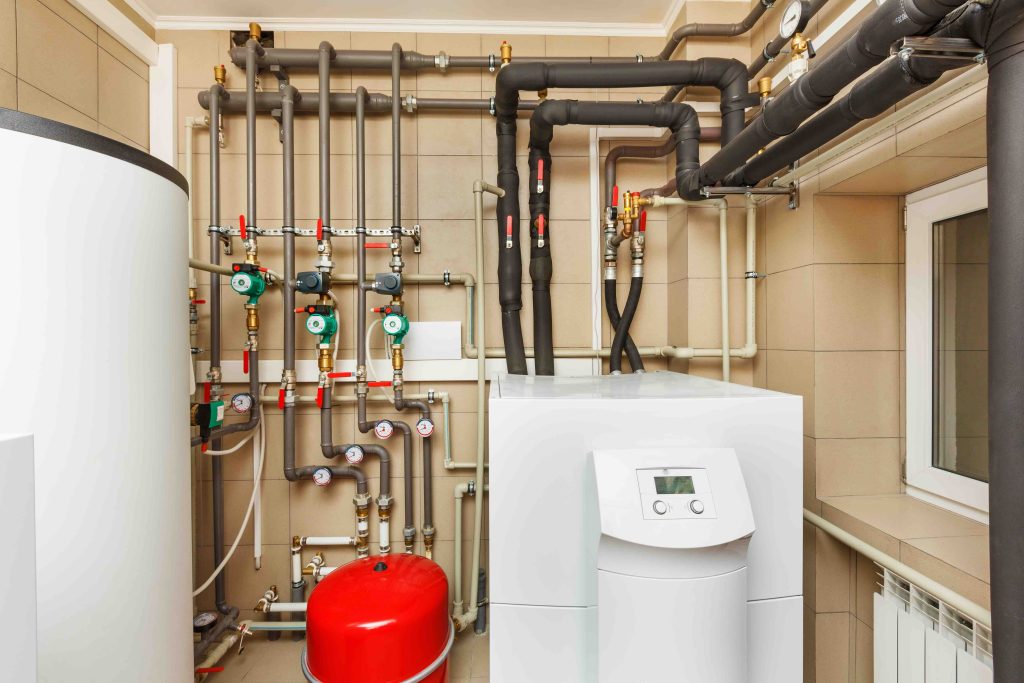
Once your heat pump is installed, the last thing you want is an unexpected repair bill catching you off guard. Heat pump components, from compressors to reversing valves, are not cheap to replace, and the system runs every single month of the year. That kind of continuous use accelerates wear, and repairs can arrive with little warning. That is exactly where a home warranty plan earns its place. Armadillo offers straightforward, honest coverage designed for homeowners who want real protection without the headache of confusing contracts and buried exclusions. If you are looking for a home warranty that covers heat pumps and HVAC systems with transparent terms, Armadillo is built to deliver that. When you are ready to see what coverage looks like for your specific home, you can get a personalized heat pump home warranty quote in minutes and know exactly what you are getting before you commit to anything.

Frequently Asked Questions About Heat Pumps for Homeowners
These are some of the most common questions homeowners ask when researching heat pumps for the first time.
Can a heat pump replace both my furnace and air conditioner?
Yes. A heat pump handles both heating and cooling in a single system, making it a full replacement for a traditional furnace and central air conditioner setup in most climates.
How long does a heat pump typically last?
Most heat pumps last between 15 and 20 years with proper maintenance. Because they operate year-round, consistent servicing is important to reaching the higher end of that range.
Are heat pumps effective in cold climates?
Modern cold-climate heat pumps can operate efficiently in temperatures as low as minus 13 degrees Fahrenheit, though performance does decrease in extreme cold. In very harsh climates, a backup heat source is sometimes recommended.
How much does it cost to install a heat pump?
Installation costs typically range from around 4,000 dollars to over 10,000 dollars depending on the system type, home size, and local labor rates. Ground-source systems cost significantly more due to excavation requirements.
Will a heat pump lower my energy bills?
In most cases, yes. Heat pumps are significantly more efficient than electric resistance heating and often competitive with gas systems, which can translate to meaningful monthly savings over time.
Does a heat pump need a lot of maintenance?
Heat pumps require routine maintenance similar to a traditional HVAC system, including regular filter changes, coil cleaning, and annual professional inspections. Because they run year-round, staying consistent with upkeep matters more than it does with seasonal systems.
Are there tax incentives for installing a heat pump?
Yes. The Inflation Reduction Act includes federal tax credits for qualifying heat pump installations, and many state and local utility programs offer additional rebates. Availability and amounts vary, so checking with a local contractor or your utility provider is worthwhile.
What is the difference between a heat pump and a mini-split?
A mini-split is a type of heat pump. The key difference is that mini-splits are ductless systems designed to condition specific zones or rooms, while traditional heat pumps typically connect to existing ductwork to condition the whole home.
Can I use a heat pump in a home without ductwork?
Yes. Ductless mini-split heat pumps are specifically designed for homes without existing duct systems. They require only a small wall penetration for the refrigerant line connecting the indoor and outdoor units.
Does a home warranty cover heat pump repairs?
Many home warranty plans cover heat pumps under their HVAC coverage, but the specifics vary by provider and plan. It is important to review what components are included and whether the plan covers both heating and cooling functions of the system before purchasing.