What Is an Irrigation Pipe Leak and Why Should Homeowners Care?
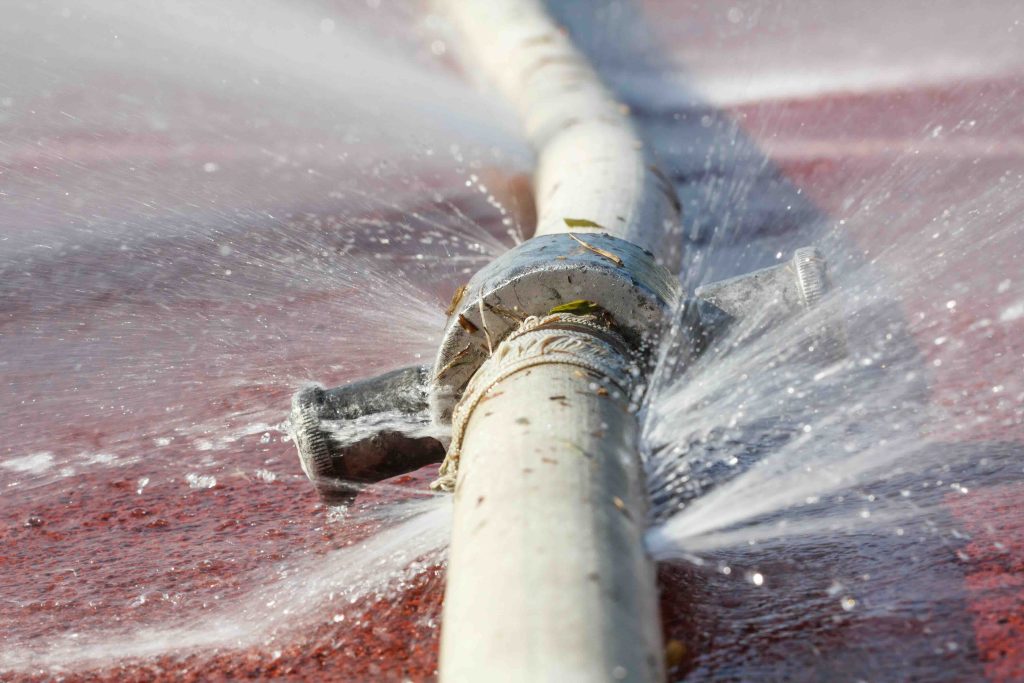
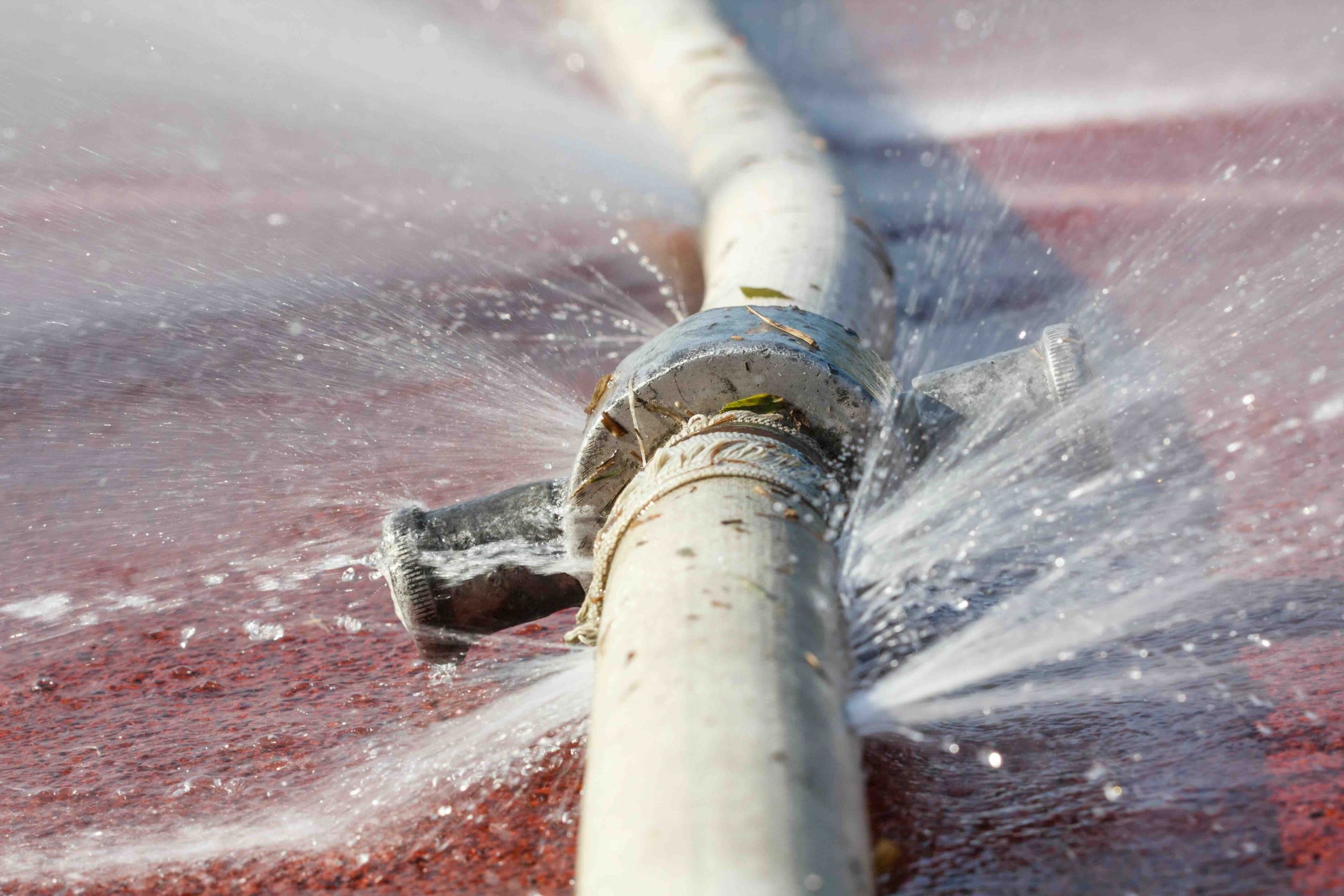
An irrigation pipe leak is exactly what it sounds like: a break, crack, or failure somewhere within the underground or above-ground piping system that delivers water to your lawn, garden beds, or landscape. These systems run quietly beneath the surface most of the time, doing their job without much fanfare. But when something goes wrong, and it does go wrong more often than people expect, the consequences can range from a slightly soggy yard to a significantly inflated water bill, or worse, structural damage near your home’s foundation. The thing is, most homeowners do not even realize there is a problem until the damage has already set in. That is the part that makes irrigation leaks particularly frustrating to deal with.
How Irrigation Systems Work: A Quick Breakdown
Before diving into leaks specifically, it helps to understand how a residential irrigation system actually operates. Most systems connect directly to your home’s main water supply and distribute water through a network of pipes, valves, and sprinkler heads or drip emitters. A controller, sometimes called a timer or smart hub, manages when each zone activates and for how long. Zones are essentially different sections of your yard grouped together based on water needs. Water flows from the supply line through lateral pipes buried underground, then up through risers to reach the sprinkler heads. Pressure regulators and backflow preventers are also common components. The system is designed to be efficient and automated, but that complexity also means there are multiple points where a failure can occur.
Common Causes of Irrigation Pipe Leaks
Irrigation leaks do not usually happen randomly. There are some very consistent culprits that show up again and again. Understanding what causes them gives homeowners a better chance of catching problems early, or ideally preventing them from developing in the first place.
- Freeze and thaw cycles that cause pipes to expand and contract, eventually cracking the pipe material
- Tree root intrusion, which is slow but relentless and can crush or pierce lateral lines over time
- Physical damage from lawn equipment, shovels, or even heavy foot traffic above buried lines
- Corrosion in older metal components or fittings that have been in the ground for years
- Improper installation, including connections that were never fully sealed or pipes laid without adequate depth
- High water pressure that puts excessive stress on joints and fittings, gradually wearing them down
- UV degradation on above-ground components that become brittle with prolonged sun exposure
How to Spot an Irrigation Leak Before It Gets Worse
This is where a lot of homeowners get caught off guard. Irrigation leaks are not always dramatic. You are not going to walk outside and see a geyser shooting up from your lawn most of the time. More often, the signs are subtle, and if you are not paying attention, weeks can go by before you connect the dots. Watch for unusually green or lush patches of grass in specific areas, which can indicate a pipe is feeding water into the soil constantly. Soggy or muddy spots that do not dry out after rain is another red flag. Reduced pressure in certain sprinkler zones, or heads that are not popping up fully, can point to a leak upstream in the line. One of the clearest indicators, and the one that tends to get people’s attention, is a water bill that climbs significantly without any obvious explanation. If your usage has jumped and nothing in your household routine has changed, the irrigation system is a smart place to start investigating.

The Real Cost of Ignoring an Irrigation Pipe Leak
Let’s talk numbers for a second, because this is where the stakes become very real. A single leaking irrigation head can waste several gallons per minute during a watering cycle. Multiply that by multiple cycles per week across an entire season, and you are looking at potentially thousands of gallons of wasted water. Beyond the environmental impact, that translates directly to money out of your pocket. According to EPA estimates, landscape irrigation accounts for nearly one-third of all residential water use, and a significant portion of that is lost to leaks, overspray, and inefficiency. Beyond water costs, persistent moisture near your home’s foundation or crawl space can contribute to mold growth, soil erosion, and in serious cases, foundational shifting. None of those outcomes are cheap to address after the fact.
Steps to Diagnose and Locate an Irrigation Leak
If you suspect a leak, there are a few practical steps you can take before calling in a professional. Start by running each zone individually and walking the perimeter carefully, looking for wet patches, bubbling soil, or misting that does not match the sprinkler pattern. Check the meter box near the street: turn off all water in the house, note the meter reading, wait about 15 minutes without using any water, and check again. If it has moved, water is flowing somewhere it should not be. You can also check individual valves and manifolds for signs of moisture or mineral buildup around the fittings. That said, locating a buried leak with precision often requires professional leak detection equipment, and there is no shame in calling someone who has the tools to find the problem quickly rather than digging up half your yard guessing.
Repairing an Irrigation Pipe Leak: What to Expect
Repair complexity varies quite a bit depending on where the leak is located and what caused it. A cracked sprinkler head or a loose fitting near the surface is a relatively simple fix that a capable DIYer can handle with parts from a hardware store. A burst lateral pipe buried several inches underground is a different story entirely. That typically involves locating the damaged section, excavating carefully, cutting out the compromised pipe, and splicing in new material with appropriate fittings and sealant. Pressure testing after the repair is essential to confirm the fix held. Labor costs for professional irrigation repair can range widely, from a couple hundred dollars for a simple fix to several hundred or more for extensive underground work, depending on your region and the scope of the damage.
Preventive Maintenance Tips Every Homeowner Should Know
Keeping your irrigation system in good shape does not require a lot of effort, but it does require consistency. A few proactive habits can go a long way toward avoiding surprise leaks and costly repairs.
- Winterize your system before the first hard freeze by blowing out lines with compressed air or following your system manufacturer’s guidelines for your climate
- Inspect sprinkler heads at the start of each season for cracks, clogs, or misalignment before running the system for the first time
- Adjust your controller settings as the seasons change so you are not overwatering, which puts unnecessary pressure on the system
- Watch your water bill month over month during irrigation season and flag any unexplained increases immediately
- Have a professional audit your system every two to three years, especially if your system is more than a decade old
How Home Warranty Coverage Applies to Irrigation Systems
Here is something worth knowing, because it surprises a lot of homeowners. Not all home warranty plans include irrigation systems in their standard coverage. Many base-level plans focus on appliances and core home systems like HVAC, plumbing, and electrical. Irrigation systems are often listed as an optional add-on or are covered under specific plan tiers. That matters because when a buried lateral line fails or a valve manifold needs replacement, the out-of-pocket cost without coverage can be significant. Reading the fine print of any home warranty plan is essential, and knowing exactly what your irrigation system coverage includes, components, labor, access costs, before something breaks is far smarter than figuring it out in the middle of a soggy yard emergency.
Why Armadillo Is the Right Partner When Your Irrigation System Springs a Leak
When you own a home, things break. That is not pessimism, it is just the reality of maintaining a complex property over time. And irrigation systems, with all their underground complexity and seasonal stress, are one of those systems that tend to fail when you least expect it. Having a home warranty plan that actually covers what matters is the difference between a minor inconvenience and a major financial hit. Armadillo home warranty plans built for real homeowners are designed to cover the systems and appliances you actually rely on, with straightforward terms and no fine-print surprises. If you have been putting off getting covered because the process felt complicated or opaque, it does not have to be. You can get a free home warranty quote that includes irrigation system protection in just a few minutes, without the runaround. Armadillo keeps things simple, transparent, and genuinely useful, which is exactly what you want when something unexpected happens at home.

Frequently Asked Questions About Irrigation Pipe Leaks
Answers to the most common questions homeowners have about irrigation system leaks, coverage, and repairs.
How do I know if my irrigation system has a leak?
Common signs include unexplained increases in your water bill, soggy or unusually green patches of grass, reduced sprinkler pressure in certain zones, and visible wet spots or muddy areas in your yard that do not dry out between watering cycles.
Can a small irrigation leak cause serious damage?
Yes. Even a slow, minor leak can waste thousands of gallons of water over a season and contribute to soil erosion, mold growth, and in some cases, moisture intrusion near your home’s foundation if left unaddressed for an extended period.
How much does it cost to repair an irrigation pipe leak?
Costs vary based on the location and severity of the leak. Surface-level repairs may cost under two hundred dollars, while underground pipe repairs requiring excavation can range from several hundred to over a thousand dollars depending on the scope of work and your region.
Does homeowners insurance cover irrigation pipe leaks?
Standard homeowners insurance typically does not cover irrigation system leaks, particularly those resulting from normal wear and tear or gradual deterioration. Coverage may apply in limited cases involving sudden and accidental damage, but policy terms vary significantly.
Does a home warranty cover irrigation systems?
It depends on the plan. Irrigation systems are often available as optional add-ons or included in higher-tier home warranty plans. Always review your plan’s terms carefully to understand exactly what components and repair types are covered before a problem occurs.
What is the most common cause of irrigation pipe leaks?
Freeze and thaw damage is one of the most frequent causes, particularly in climates with cold winters. Tree root intrusion, physical damage from landscaping equipment, and degraded fittings in aging systems are also very common culprits.
Can I fix an irrigation leak myself?
Minor repairs like replacing a cracked sprinkler head or tightening a loose surface fitting are often manageable for a capable DIYer. However, buried pipe repairs typically require professional tools and expertise to locate the leak accurately and make a lasting repair.
How can I prevent irrigation pipe leaks?
Winterizing your system before freezing temperatures arrive, inspecting heads at the start of each season, monitoring your water bill for unusual spikes, and scheduling professional system audits every few years are the most effective prevention strategies.
How long do irrigation pipes typically last?
Most modern irrigation pipes made from PVC or polyethylene can last between 20 and 40 years under normal conditions. However, fittings, valves, and sprinkler heads may require replacement much sooner depending on water quality, pressure levels, and climate exposure.
What should I do if I find a leak in my irrigation system?
Turn off the affected zone immediately using your controller, then shut off the system’s main water supply if needed. Document the location and visible symptoms, then contact a licensed irrigation technician to assess and repair the damage before running the system again.