How to Locate a Leak in Your Home Before It Becomes a Costly Disaster
Water is patient. It will find the smallest crack, the weakest seal, the most overlooked joint in your plumbing system, and it will work at it quietly until one day you notice a stain on the ceiling or a soft spot on the floor that definitely was not there last month. Locating a leak early is one of the most practical skills a homeowner can develop, and the good news is that you do not need specialized training to do a meaningful first pass. You just need to know where to look and what to look for.
Why Leak Detection Matters More Than Most Homeowners Realize
A slow leak that goes unnoticed for weeks or months can quietly cause thousands of dollars in structural damage, foster mold growth behind walls, and compromise the integrity of flooring, insulation, and cabinetry. The Environmental Protection Agency estimates that household leaks waste nearly one trillion gallons of water annually in the United States alone. That is not just an environmental concern. For homeowners, that translates directly to elevated water bills, preventable repair costs, and the kind of damage that can complicate home warranty claims if the source is not identified quickly. Catching a leak early keeps your options open and your repair bill manageable.
Start With Your Water Meter: The First Diagnostic Tool
Before you pull out a flashlight and start inspecting every pipe under every sink, let your water meter do the initial work. Locate your meter, usually near the street or at the edge of your property, and take a reading. Then do not use any water in the home for one to two hours. Take a second reading. If the numbers have changed, water is moving through your system somewhere it should not be. This test will not tell you where the leak is, but it will confirm that one exists. It is a fast, free, and surprisingly reliable first step that most homeowners skip entirely.

Common Places Leaks Hide in a Typical Home
Leaks are opportunistic. They tend to show up in the same places repeatedly across different homes, which makes the search more systematic than it might seem at first. Knowing where to concentrate your attention saves time and helps you avoid chasing phantom moisture in the wrong direction.
- Under kitchen and bathroom sinks, especially around supply lines and drain connections
- Around the base of toilets, where the wax ring seal can degrade over time
- Behind washing machines, where hoses are under constant pressure
- Near the water heater, particularly around the pressure relief valve and inlet connections
- At outdoor hose bibs and irrigation system connections
- Inside walls adjacent to bathrooms, where slow drain leaks often hide
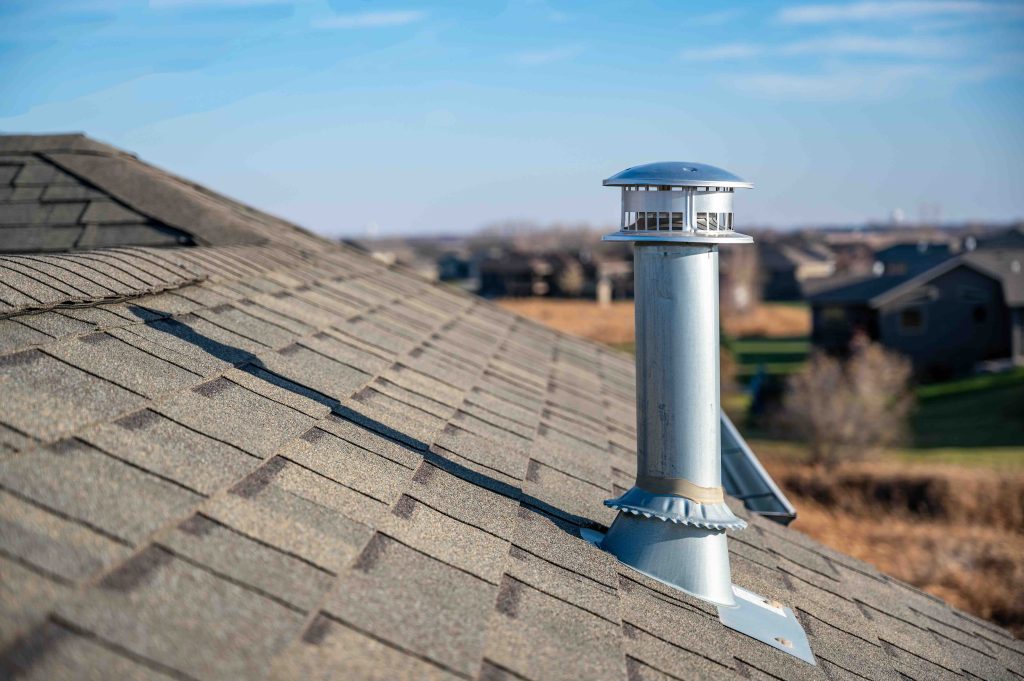
- At the roof line, where flashing failures allow water to enter around chimneys and vents
How to Check for Toilet Leaks Without Any Tools
Toilets are responsible for a significant percentage of indoor water waste, and most toilet leaks are silent. The flapper valve, which controls water release from the tank to the bowl, degrades over time and allows a constant trickle that you will never hear. To test this, place a few drops of food coloring in the tank and wait ten to fifteen minutes without flushing. If the color migrates into the bowl, you have a flapper leak. Replacement flappers are inexpensive and widely available, and this is typically a straightforward DIY repair. However, if the leak is at the base of the toilet rather than internally, you are looking at a wax ring replacement, which involves removing the toilet entirely and is better left to a licensed plumber.
Reading the Signs: Moisture Clues You Should Not Ignore
Sometimes a leak announces itself clearly. A drip under a cabinet, a puddle near the water heater, a stain spreading across drywall. Other times, the signs are subtle and easy to rationalize away. Training yourself to recognize early indicators makes a real difference in how quickly you can intervene.
- Unexplained increases in your monthly water bill
- Musty or earthy odors in rooms that should not have them
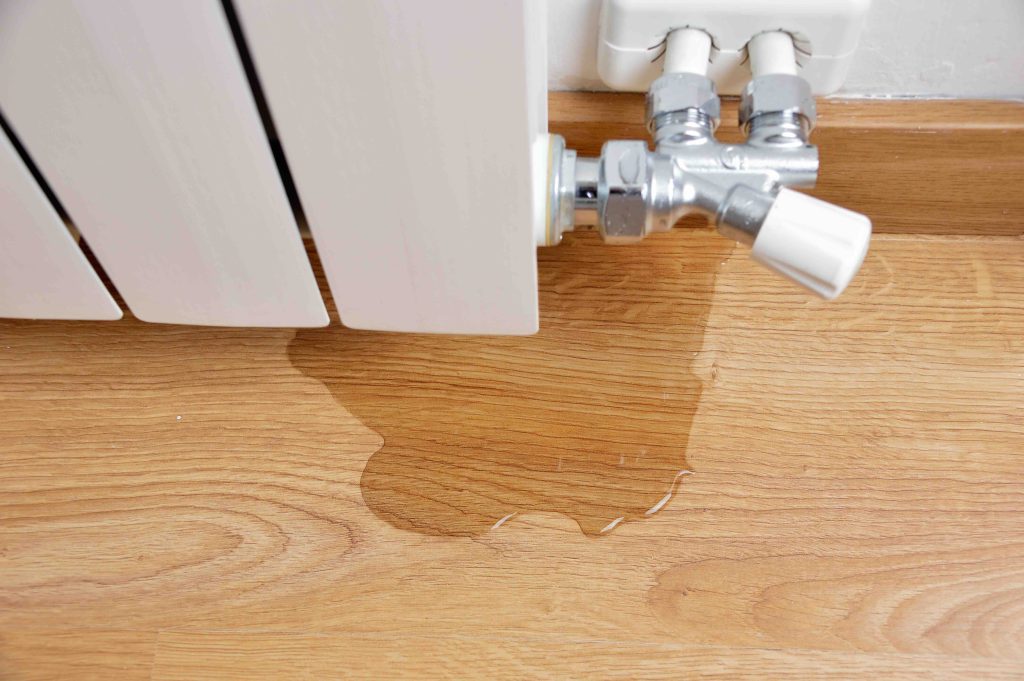
- Soft, spongy, or discolored flooring near water-using appliances
- Peeling paint or bubbling wallpaper on interior walls
- Visible mold or mildew in areas not directly exposed to steam or humidity
- Sounds of running water when all fixtures are off
When the Leak Is Behind the Wall
This is where things get more complicated. Leaks inside walls are harder to locate without specialized equipment, and they are also the type most likely to cause serious long-term damage if left unaddressed. A few practical approaches exist for the average homeowner. Thermal imaging cameras, now available as smartphone attachments at a reasonable cost, can detect temperature differentials caused by moisture. Moisture meters, which are contact probes that measure water content in building materials, are another useful tool. If you suspect a wall cavity leak but cannot confirm it visually, these tools give you a way to narrow down the location before calling a professional. Cutting into walls without a reasonable idea of where the leak is located can turn a manageable repair into an extensive one.
Checking Your Roof and Attic for Water Intrusion
Roof leaks rarely show up directly below the point of entry. Water travels along rafters, decking, and insulation before it finds a seam where it can drip into living space. After a heavy rain, inspect your attic with a flashlight and look for water stains, wet insulation, or daylight showing through where it should not. Trace any staining uphill from where it appears, since gravity and capillary action will have moved the water away from the actual entry point. On the exterior, pay close attention to flashing around chimneys, skylights, and roof penetrations. Cracked or lifted flashing is one of the most common causes of roof-related water intrusion and is significantly less expensive to fix than the interior damage it causes when ignored.
When to Call a Professional Leak Detection Specialist
There are leaks within the confident reach of most homeowners, and there are leaks that require professional intervention. Slab leaks, which occur in the water lines that run beneath the concrete foundation of a home, are a prime example. These require acoustic detection equipment or pressurized gas testing to locate, and they have significant repair implications whether the solution involves tunneling, rerouting pipes through the walls, or full slab access. Similarly, leaks in main supply lines between the meter and the home often require excavation. If your water meter test confirms a leak but you cannot find any visible source inside the home, escalating to a licensed plumber with leak detection capability is the right call. Attempting to locate or repair a slab or main line leak without proper equipment typically causes more harm than it prevents.
How Armadillo Home Warranty Coverage Supports You When Leaks Lead to System Failures
Locating a leak is only part of the equation. Once you find it, the real concern becomes what it has affected, and what the repair or replacement is going to cost you. If a leak has damaged a covered appliance or home system component, that is exactly where a home warranty earns its keep. Armadillo home warranty plans for plumbing system protection are built around the reality that homeowners deal with exactly these kinds of unexpected failures, the ones that catch you mid-week and mid-budget and demand immediate attention. Armadillo covers the kinds of system failures that a leak can trigger, from water heater breakdowns to plumbing component failures, so that when the damage goes deeper than a simple fix, you are not absorbing the full cost alone. If you have been thinking about protecting your home against the kind of damage that leaks routinely cause, now is a practical time to act. Get a free home warranty quote for plumbing and system coverage and find out exactly what a plan would cost you and what it would cover before the next unexpected leak becomes an unexpected bill.

Frequently Asked Questions About Locating a Leak in Your Home
These are some of the most common questions homeowners ask when they suspect a leak but are not sure where to begin or what to do next.
How do I know if I have a water leak if I cannot see any visible water?
Check your water meter before and after a period of no water use. If the reading changes, water is moving through your system. Other indicators include rising water bills, musty odors, soft flooring, or the sound of running water when all fixtures are off.
Can a slow leak increase my water bill significantly?
Yes. Even a small drip from a faucet or toilet flapper can waste thousands of gallons per month. A continuously running toilet alone can waste up to 200 gallons per day, which will show up noticeably on your monthly statement.
What is a slab leak and how do I know if I have one?
A slab leak is a leak in the water supply or drain lines that run beneath your home’s concrete foundation. Signs include warm spots on the floor, the sound of running water with no fixtures in use, unexplained wet areas in the yard, or a sudden spike in your water bill with no identifiable indoor source.
Is it safe to use my home if I suspect a leak inside a wall?
In most cases, yes, but you should act quickly. Wall leaks can cause mold growth within 24 to 48 hours under humid conditions. If you suspect the leak is near electrical wiring or panels, contact a professional immediately and avoid that area of the home until it is assessed.
Does a home warranty cover water leak damage?
Home warranties typically cover the repair or replacement of systems and appliances that fail due to normal wear and tear. They generally do not cover secondary water damage, which falls under homeowners insurance. However, if a covered component like a water heater or plumbing system fails and causes a leak, the repair or replacement of that component is often covered.
How often should I check my home for potential leaks?
A basic inspection of common leak points, including under sinks, around toilets, near appliances, and in the attic, is worth doing at least once per season. Conducting a water meter test twice a year is also a good habit, especially before and after winter when pipe stress is highest.
Can I repair a leaking pipe myself or should I always call a plumber?
Minor repairs such as replacing a supply line hose, fixing a faucet cartridge, or swapping out a toilet flapper are manageable DIY tasks for most homeowners. Anything involving the main supply line, drain stacks, slab penetrations, or significant disassembly of plumbing systems should be handled by a licensed professional.
What tools are most useful for finding hidden leaks?
A moisture meter is one of the most practical tools for detecting moisture inside walls and floors without destructive testing. Thermal imaging cameras can identify temperature differentials caused by water. For toilets, simple food coloring works reliably. For broader system checks, your water meter is the most accessible starting point.
How long can a small leak go undetected inside a wall?
A slow leak can go undetected for months, sometimes longer, particularly in areas of the home that are not used frequently. By the time visible signs appear, such as staining or soft drywall, the structural materials and insulation behind the wall may have sustained significant damage.
Will my homeowners insurance cover a water leak that I did not catch in time?
Homeowners insurance generally covers sudden and accidental water damage but typically excludes damage caused by long-term neglect or maintenance failures. If a leak developed slowly over time and was not addressed, insurers may deny the claim on the basis that it was a preventable maintenance issue rather than an unforeseen event.