What Is a Toilet Vent Pipe and Why Does Your Home Need One?
If you have ever noticed a slow-draining toilet, heard strange gurgling sounds from your bathroom plumbing, or caught an unpleasant odor creeping into your home for no obvious reason, there is a good chance your toilet vent pipe is trying to get your attention. Most homeowners never think about this component until something goes wrong, which is honestly pretty understandable. It is tucked behind walls and runs up through your roof, doing its job quietly and consistently. But when it stops working properly, you notice fast. Understanding what a toilet vent pipe is, how it functions, and what can go wrong gives you a real advantage as a homeowner.
The Basic Function of a Toilet Vent Pipe
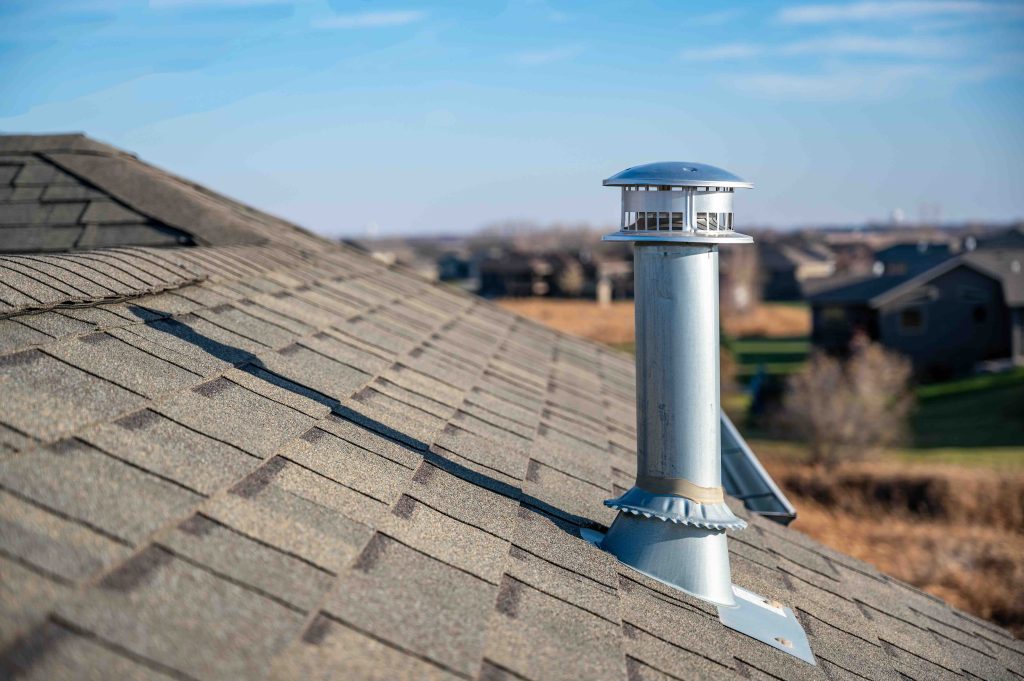
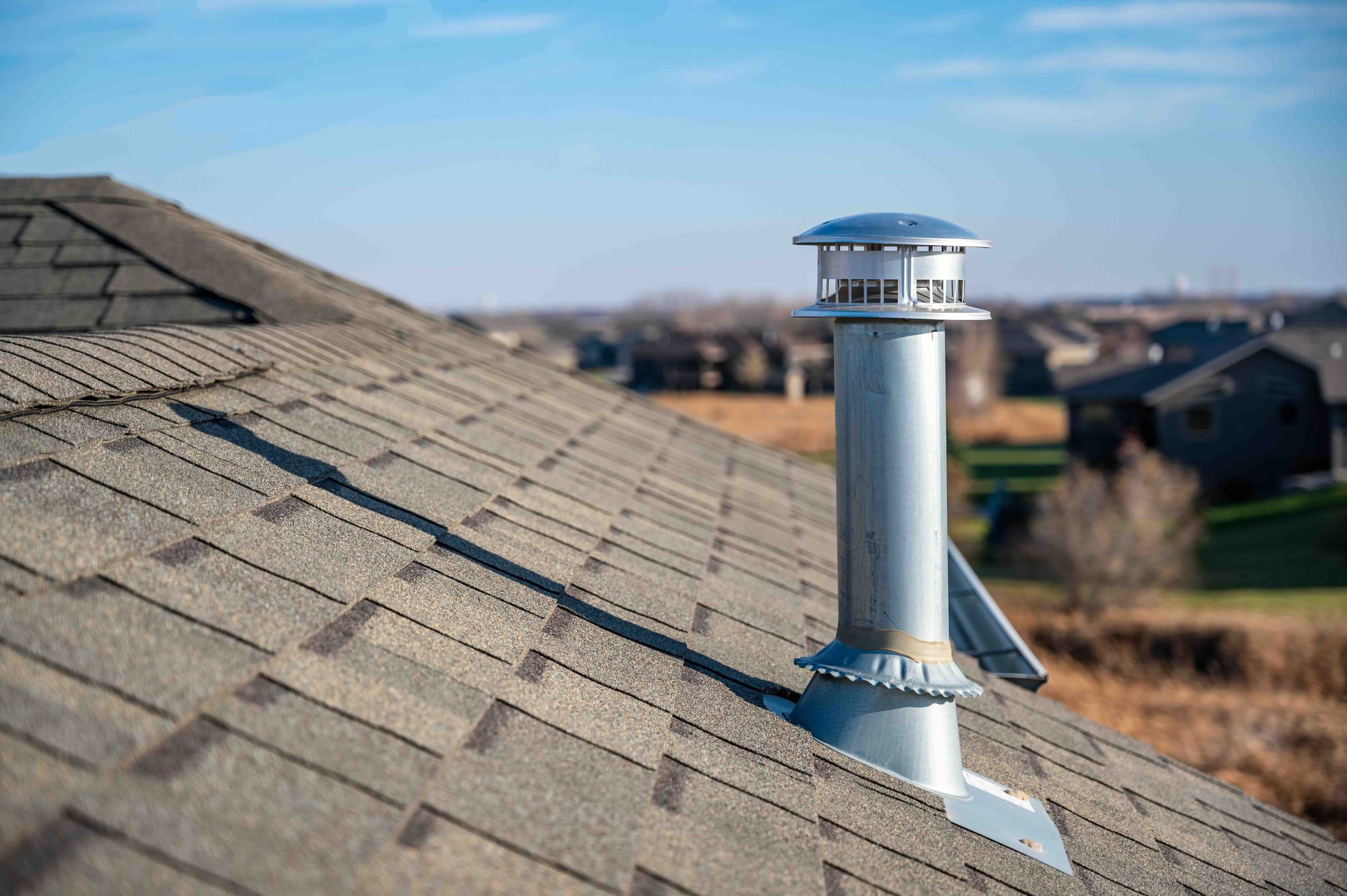
A toilet vent pipe, often called a plumbing vent or soil stack vent, is a vertical pipe that runs from your drain system up through your roof. Its primary job is twofold. First, it allows sewer gases, including methane and hydrogen sulfide, to escape safely out of your home rather than backing up into your living spaces. Second, it introduces fresh air into your drain system, which helps maintain proper pressure so water can flow freely through your pipes. Without adequate airflow, the negative pressure created by draining water can pull water out of your P-traps, which are the curved pipe sections designed to hold water and block gas from entering your home. The vent pipe essentially keeps the whole drainage ecosystem balanced and functional.
How a Toilet Vent Pipe Works Inside Your Home’s Plumbing System
Picture your plumbing system as a sealed environment. When you flush a toilet, water rushes through the drain and creates a pressure differential. That pressure needs somewhere to go. The vent pipe provides a pathway for air to enter the system from outside, equalizing pressure and allowing water to drain smoothly without gurgling, bubbling, or sluggish movement. The pipe connects to your main drain line and rises vertically, typically exiting through the roof as an open pipe. Outside air flows in through the top while sewer gases flow out. It is a continuous, passive exchange that requires no mechanical parts and no energy input, which is part of what makes it so reliable under normal circumstances.

Key Advantages of a Properly Functioning Toilet Vent Pipe
When your vent pipe is clear and working correctly, the benefits extend throughout your entire plumbing system, not just your toilet. Here are the main advantages homeowners experience with a well-maintained vent pipe:
- Sewer gases are safely expelled before they can accumulate indoors, protecting your household from unpleasant and potentially hazardous air quality issues.
- Drains throughout your home, including sinks, showers, and tubs, operate more efficiently because the pressure within the system stays balanced.
- P-traps maintain their water seals, which serves as a consistent barrier against gas intrusion from the sewer line.
- Reduced risk of slow drains, which can otherwise lead to buildup, clogs, and eventually more significant plumbing repairs.
- The longevity of your pipes improves because the drainage system is not working against vacuum pressure every time water flows through it.
Common Problems That Affect Toilet Vent Pipes
Vent pipes are exposed to the outdoor environment at the top, which makes them vulnerable to a handful of recurring issues. Debris is the most frequent culprit. Leaves, bird nests, small animals, and even ice during cold winters can block the opening of the vent pipe on your roof. Once that happens, air cannot circulate freely, and you will start noticing the symptoms fairly quickly. Gurgling drains are usually the first sign. Then comes slow drainage, followed by sewer odor if the problem persists long enough for P-trap seals to fail. In older homes, vent pipes can also corrode, crack, or develop joint failures that compromise their effectiveness. Tree roots near your foundation can occasionally impact underground sections of the vent system as well, though this is less common than a simple rooftop blockage.
Signs Your Toilet Vent Pipe May Be Blocked or Damaged
Catching a vent pipe issue early can save you from a more complicated and costly plumbing repair. The warning signs are usually consistent and recognizable once you know what to look for:
- Gurgling or bubbling sounds coming from your toilet or nearby drains after flushing
- Slow drainage in multiple fixtures throughout the home, not just one isolated drain
- A persistent sewage or rotten egg smell inside the bathroom or near floor drains
- Water in a toilet bowl that seems to fluctuate in level without any clear reason
- Visible debris or nesting material around the vent pipe opening on your roof
How Toilet Vent Pipe Issues Are Diagnosed and Repaired
Diagnosing a vent pipe problem typically starts with a visual inspection of the rooftop opening and then moves to a more thorough assessment of the drain system if the cause is not immediately apparent. A licensed plumber may use a plumbing snake to clear a blockage or a camera inspection tool to look deeper into the pipe for cracks, debris buildup, or animal nesting. If the blockage is at the roof opening, it can often be cleared in a single visit. More serious damage to the pipe itself, such as cracking or separation at a joint, may require partial pipe replacement. In cases where the issue is below ground or inside wall cavities, repairs become more involved and can increase in cost significantly. Preventive maintenance, which includes an annual inspection of the rooftop vent opening, is typically the most cost-effective approach.
DIY Versus Professional Repair: What Homeowners Should Know
Some homeowners with comfort working on a roof and a basic understanding of plumbing will attempt to clear a vent pipe blockage themselves. It is doable in straightforward situations. You would access the roof safely, locate the vent pipe opening, and use a garden hose or plumbing snake to dislodge the blockage. That said, roof work carries real risk, and if you are uncertain about your footing or unfamiliar with the pipe layout, calling a professional is always the smarter call. If the issue is more than a simple blockage, such as a cracked pipe, misaligned joint, or a symptom that turns out to be something other than the vent pipe entirely, a licensed plumber has the diagnostic tools and experience to identify and fix the real problem without guesswork. Misdiagnosing plumbing issues can lead to secondary damage that ends up costing more than the original repair would have.
Protecting Your Plumbing System With the Right Home Warranty Coverage
Here is where things get practical. Plumbing repairs, especially those involving your vent system or drain lines, can range from a couple hundred dollars for a simple clearance to several thousand for more extensive work. That kind of unpredictability is exactly what a strong home warranty is designed to address. Armadillo home warranty plans built for whole-home plumbing protection are designed with the reality of homeownership in mind, covering the systems that quietly do their jobs until they suddenly do not. When a vent pipe issue spirals into a larger plumbing repair, having coverage in place means you are not absorbing the full cost alone. You can get a personalized home warranty quote for plumbing system coverage in just a few minutes, and the peace of mind that follows is genuinely worth it. Armadillo works to make the claims process straightforward and the coverage transparent, so you always know what you are working with before something breaks, not after.

Frequently Asked Questions About Toilet Vent Pipes
These are the questions homeowners ask most often about toilet vent pipes, answered directly and without the technical runaround.
What happens if a toilet vent pipe is blocked?
A blocked toilet vent pipe disrupts the air pressure balance in your drain system, causing gurgling sounds, slow drains, and potentially allowing sewer gases to enter your home through dry P-traps.
How do I know if my toilet vent pipe is clogged versus a regular drain clog?
If the slow drainage or gurgling affects multiple fixtures at the same time rather than just one drain, a vent pipe blockage is more likely than a standard local clog.
Where does a toilet vent pipe exit the house?
In most homes, the vent pipe exits through the roof as an open vertical pipe. It is typically a few inches in diameter and visible from the exterior.
Can a toilet vent pipe freeze in winter?
Yes. In colder climates, moisture inside the vent pipe can freeze at the opening and gradually close it off. This usually causes the same symptoms as a debris blockage and often resolves on its own when temperatures rise, though it may need professional attention if it causes persistent issues.
How often should a toilet vent pipe be inspected?
An annual visual inspection of the rooftop vent opening is a reasonable maintenance habit. If you live in an area with heavy tree coverage or wildlife activity, inspecting twice a year is worth the extra step.
Is a toilet vent pipe the same as the main sewer vent?
Not exactly. Your home’s main vent stack serves all plumbing fixtures, and individual branch vents, including those connected to your toilet, tie into that main stack. They are part of the same interconnected system.
Can I install a toilet without a vent pipe?
Technically, air admittance valves can be used as an alternative to traditional vent pipes in some situations, but they are not universally accepted by local codes and do not replace the full function of a properly vented plumbing system in most residential applications.
Does a home warranty cover toilet vent pipe repairs?
Coverage depends on the specific plan and provider. Some home warranties include plumbing system coverage that extends to vent stacks and drainage components. It is important to review the terms of any plan carefully to understand what is and is not included.
How much does it cost to repair or replace a toilet vent pipe?
A simple blockage clearance can cost anywhere from $100 to $300. More involved repairs involving pipe replacement inside walls or underground sections can run from $500 to several thousand dollars depending on the scope of the work and local labor rates.
Can a damaged vent pipe cause health problems?
Yes. If sewer gases like methane or hydrogen sulfide build up inside a home due to a compromised vent system, they can cause headaches, nausea, and in extreme cases, more serious health effects. Addressing vent pipe issues promptly is not just a plumbing concern, it is a health concern as well.