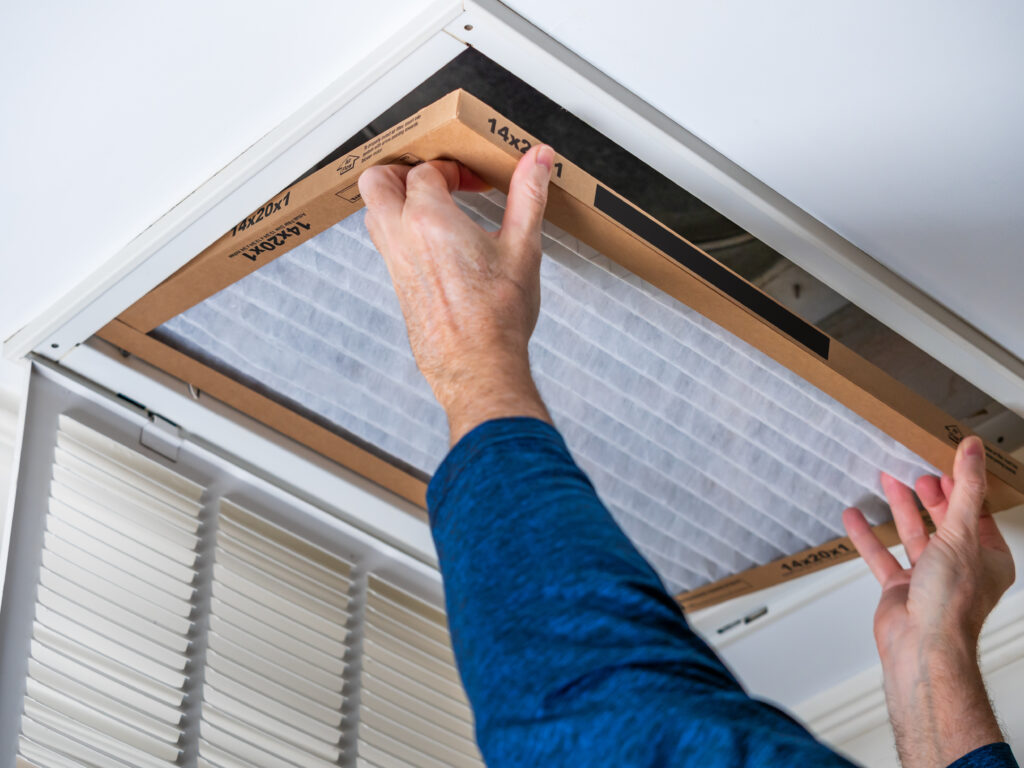
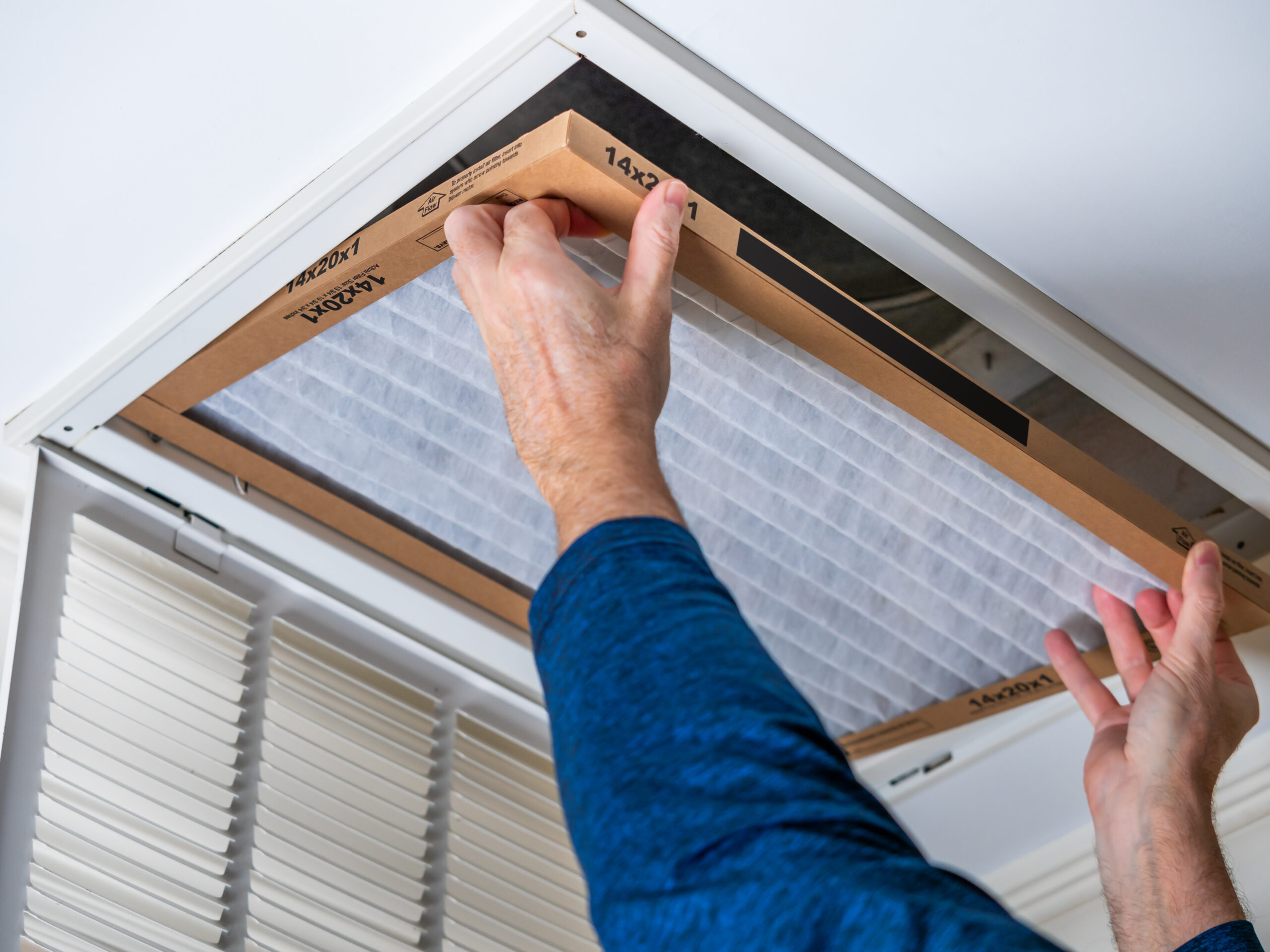
What Are Home Air Ducts and Why Should You Actually Care?
Most homeowners think about their HVAC system when something breaks. The unit stops working, the house gets hot, they call someone. But the ductwork — the network of channels running through your walls, ceilings, and floors — tends to stay invisible until something goes obviously wrong. And by then, it has usually been quietly underperforming for years. Air ducts are the delivery system for your entire heating and cooling setup. Without them functioning correctly, it almost does not matter how good your HVAC unit is. You are losing conditioned air before it even reaches the room.
How Home Air Duct Systems Actually Work
The concept is simpler than most people expect. Your HVAC system — whether a furnace, air conditioner, or heat pump — conditions air and then pushes it through a series of ducts. Those ducts branch out from a central plenum, which connects directly to the unit, and distribute air to each room through supply vents. Once that air circulates through the space, it gets pulled back to the system through return vents, reconditioned, and the cycle repeats. The whole thing runs on pressure differentials and airflow balance. When one part of that system is off — a leaky joint, a collapsed section, a vent that is partially blocked — the whole network feels it. Rooms get uneven temperatures. Your system works harder. Your energy bill goes up. It is interconnected in ways most people do not fully appreciate until they have a problem.
Types of Ductwork Found in Residential Homes
Not all duct systems are built the same, and the type of ductwork in your home has a real effect on efficiency and maintenance needs. The three most common types are sheet metal ducts, flexible ducts, and fiberboard ducts. Sheet metal — usually galvanized steel or aluminum — is durable, easy to clean, and resistant to mold growth. Flexible ducts, sometimes called flex ducts, are the coiled plastic-and-wire tubes you often find in attics or tight spaces. They are cost-effective to install but more prone to kinking and improper installation. Fiberboard ducts are made from compressed fiberglass and insulated naturally, but they can deteriorate over time and are harder to clean. Many homes have a combination of these types depending on when sections were added or renovated.

The Real Advantages of a Well-Maintained Duct System
When your ductwork is in good shape, the benefits stack up fast. Energy efficiency improves because conditioned air actually gets where it is supposed to go. Indoor air quality improves because sealed, clean ducts are not circulating dust, allergens, and debris through your living space. HVAC equipment tends to last longer because it is not straining against pressure imbalances or running overtime to compensate for heat loss. And honestly, comfort just improves. Rooms heat and cool more evenly, and that hot-in-summer, cold-in-winter bedroom situation tends to resolve itself. Good ductwork is also quieter — rattling and whistling sounds are often a sign that something in the duct system is loose or improperly sealed.
Common Problems Homeowners Encounter With Air Ducts
This is where things get real. Duct systems can fail in a number of ways, and some of them are subtle enough to go unnoticed for a long time. Here are the issues that come up most frequently:
- Air leaks at joints and seams, which can waste 20 to 30 percent of conditioned air before it reaches living spaces
- Collapsed or kinked flex duct sections that restrict airflow significantly
- Inadequate insulation on ducts running through unconditioned spaces like attics or crawl spaces
- Dirty or clogged ducts that circulate dust, pet dander, and mold spores
- Improperly sized ductwork that cannot support the capacity of the HVAC system
- Pest intrusion, particularly in crawl spaces where rodents can damage duct material and nesting debris accumulates
Any one of these issues can reduce system efficiency and impact indoor air quality. Multiple issues compounding together can cause noticeable comfort problems and significantly shorten the life of HVAC equipment.
What Duct Sealing and Cleaning Actually Involve
Duct sealing is the process of closing gaps, cracks, and loose connections throughout the duct system. It is usually done with mastic sealant — a paste-like compound — or metal-backed tape, which is different from standard duct tape despite what the name implies. Some contractors use a process called Aeroseal, which injects an aerosolized sealant into the duct system and lets it adhere to leak points from the inside. Duct cleaning involves using specialized vacuums and brushes to remove accumulated debris from inside the ducts. The EPA recommends cleaning only when there is visible mold growth, pest infestation, or significant debris buildup — routine cleaning every year is generally unnecessary and sometimes overstated by service providers. Knowing the difference between a legitimate recommendation and an upsell is worth something.
Signs Your Home’s Ductwork Needs Attention
Most duct problems are not immediately obvious, but there are signals worth watching for. Uneven temperatures between rooms are often the first clue. If one part of the house is noticeably warmer or cooler than another when the system is running, airflow imbalance is a likely cause. Higher-than-usual energy bills without a corresponding change in usage patterns can also point to duct leakage. Visible dust buildup around supply vents, musty odors when the system runs, or rooms that never seem to reach the set temperature are all worth investigating. If your home is older than 15 years and the ductwork has never been inspected, that alone is a reasonable enough reason to schedule a professional evaluation.
What to Expect From a Professional Duct Inspection
A qualified HVAC technician or duct specialist will typically start with a visual inspection of accessible duct sections and evaluate airflow at each supply and return vent. More thorough evaluations use a blower door test combined with duct pressurization testing to quantify leakage rates. This gives a concrete picture of how much conditioned air the system is losing and where. Costs for a full duct inspection vary by region and home size, but they are generally worth the investment before committing to duct repairs or a full replacement. If a contractor recommends complete duct replacement without explaining what is wrong, that is a prompt to get a second opinion.
How Armadillo Helps Protect Your Home’s Heating and Cooling Systems
When your air duct system develops a problem, the costs can escalate quickly — especially when the issue involves the HVAC equipment connected to it. That is where having the right home warranty coverage in place makes a genuine difference. Armadillo home warranty plans for HVAC systems and ductwork are designed to cover the repair and replacement costs that catch homeowners off guard. Rather than absorbing the full financial hit of a broken component or a failing system, you have a plan that works when you need it most. If you have never looked into your coverage options or you are not confident your current plan protects the systems your home depends on, now is the right time to take a closer look. You can get a free home warranty quote that covers your heating, cooling, and duct-connected systems in just a few minutes. Armadillo keeps things simple, transparent, and built around what homeowners actually need — not a list of exclusions designed to complicate a claim.

Frequently Asked Questions About Home Air Ducts
These are the questions homeowners ask most often when they start paying closer attention to their duct systems.
How long do residential air ducts typically last?
Most duct systems last between 20 and 25 years when properly maintained. Flexible ducts may deteriorate sooner, often around the 15-year mark, depending on installation quality and environmental conditions like humidity and temperature fluctuations in unconditioned spaces.
Does duct leakage really affect energy bills that much?
Yes, significantly. The U.S. Department of Energy estimates that leaky ducts can reduce HVAC efficiency by 20 to 30 percent. In practical terms, that means a portion of every dollar spent heating or cooling your home is being lost before the conditioned air reaches the living space.
How often should air ducts be cleaned?
The EPA does not recommend routine duct cleaning on a set schedule. Cleaning is warranted when there is confirmed mold growth inside the ducts, evidence of pest infestation, or a significant accumulation of dust and debris that is visibly affecting airflow. Cleaning without a specific reason may not provide measurable benefit.
Can I seal air ducts myself or does it require a professional?
Accessible duct sections in basements or crawl spaces can sometimes be sealed by a motivated homeowner using mastic sealant or metal-backed tape. However, ducts running through walls or attics typically require professional access, and pressurization testing to confirm the results of any sealing work is best left to a qualified technician.
What is the difference between duct sealing and duct cleaning?
Duct sealing closes gaps and leaks in the duct system to prevent conditioned air from escaping. Duct cleaning removes dust, debris, and biological contaminants from the interior surfaces of the ducts. They address different problems and are not interchangeable services.
Are certain rooms always harder to heat or cool even with good ductwork?
Sometimes. Rooms at the far end of the duct run, rooms above garages, or spaces with significant sun exposure can be harder to condition regardless of duct quality. In those cases, zoning systems, supplemental equipment, or damper adjustments may provide more relief than duct work alone.
Does a home warranty cover air duct repairs?
Coverage varies significantly by provider and plan. Some home warranty plans include ductwork as part of HVAC system coverage, while others treat it as a separate or excluded component. Reviewing your plan details carefully and asking specific questions before signing is the best way to know what you are actually protected against.
How do I know if my ductwork is properly sized for my HVAC system?
Improperly sized ducts are a common issue in older homes or homes where HVAC equipment was upgraded without adjusting the duct system. Signs include excessive noise from the vents, rooms that never reach the set temperature, and higher-than-expected energy usage. An HVAC contractor can perform a Manual D calculation to evaluate whether your duct sizing is appropriate for your system’s capacity.
Is it worth replacing old ductwork when replacing an HVAC system?
In many cases, yes. If your ductwork is more than 20 years old, heavily leaking, or improperly sized for a new, more efficient HVAC system, replacing or significantly repairing the ducts alongside the equipment makes sense. Installing a high-efficiency system in a leaky duct network undermines most of the efficiency gains you paid for.
What materials are used to seal ducts professionally?
The two most common professional-grade materials are mastic sealant, a flexible compound applied with a brush, and metal-backed foil tape designed specifically for HVAC applications. For harder-to-reach leaks, Aeroseal technology injects a polymer-based mist through the duct system that adheres to and seals gaps from the inside without requiring physical access to every section.