The Garbage Bag Oven Rack Cleaning Method Every Homeowner Should Know
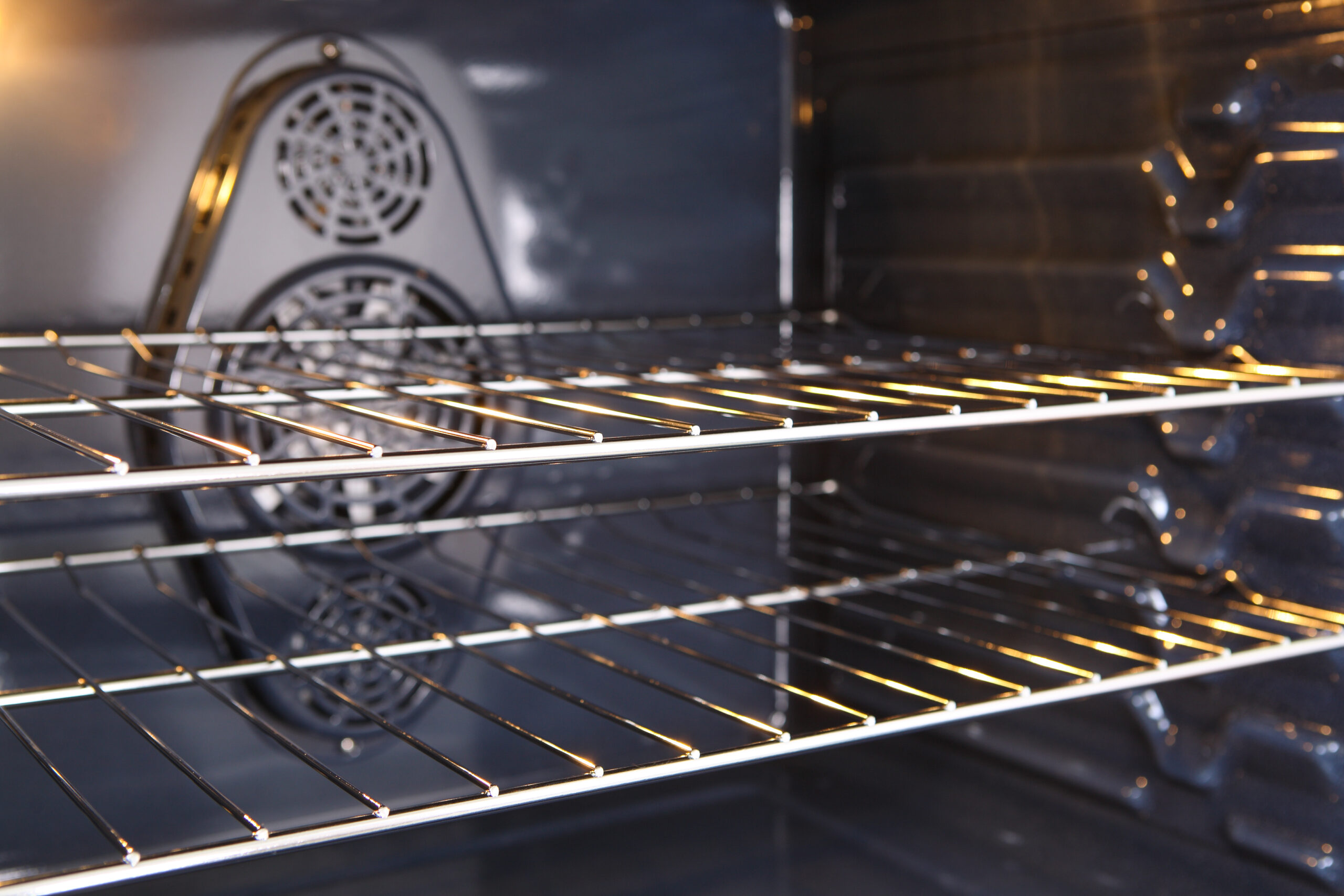
There is a good chance your oven racks have not been cleaned in longer than you would like to admit. That baked-on grease, the charred remnants of a casserole that bubbled over last Thanksgiving — it is all still there, slowly carbonizing every time you preheat. The good news is that cleaning oven racks does not have to be a brutal, elbow-grease-heavy project. The garbage bag method is one of the most surprisingly effective and low-effort cleaning techniques available to homeowners, and it is worth understanding how it works, why it works, and how to do it correctly.
What Is the Garbage Bag Oven Rack Cleaning Method
The garbage bag method for cleaning oven racks is exactly what it sounds like — you place your oven racks inside a heavy-duty garbage bag along with a cleaning solution, seal it, and let chemistry do the hard work overnight. The process relies on soaking the racks in an enclosed environment, which keeps the cleaning agent concentrated against the surface of the metal. Most commonly, people use either dish soap and hot water, a dryer sheet soak, or an ammonia-based solution depending on the level of buildup they are dealing with. The bag traps heat and moisture, amplifying the soaking effect and loosening grease that would otherwise require serious scrubbing to remove.
What You Need Before You Start
Before you get into the actual process, gather everything in advance. Running around mid-cleaning is frustrating and completely avoidable. Here is what you will need:
- One or two heavy-duty contractor or large garbage bags — standard kitchen bags tend to rip under the weight of the racks
- Dish soap or ammonia (not both — never mix cleaning agents)
- A bathtub, large utility sink, or outdoor space where the bag can lay flat
- Old towels to protect the bathtub surface from scratches
- Rubber gloves, especially if you are using ammonia
- A scrub brush or non-scratch pad for any residual spots after soaking
Setting everything up in advance makes the process go smoothly, and it means the racks can soak overnight without you needing to intervene until the morning.
Step-by-Step Instructions for the Garbage Bag Method
Start by removing the oven racks completely and letting them cool if the oven was recently used. Lay an old towel in the bottom of your bathtub to prevent the racks from scratching the surface. Slide the racks into your heavy-duty garbage bag — you may need to angle them slightly to fit. Add roughly half a cup of dish soap and pour in enough hot water to partially submerge the racks, or alternatively, add a quarter cup of ammonia if you are dealing with heavy carbonized grease. Seal the bag tightly, pressing out as much air as possible, and lay it flat in the tub. Let the racks soak for a minimum of eight hours, though overnight is ideal. In the morning, open the bag carefully — especially if ammonia was used — and rinse the racks thoroughly with warm water. Most of the buildup will wipe away with minimal effort. A light scrub with a non-scratch pad handles anything left behind.

Why This Method Works So Well
The science behind this is straightforward. Grease and carbonized food residue bond to metal surfaces through prolonged heat exposure. Breaking those bonds requires either mechanical force — scrubbing — or chemical reaction over time. The garbage bag creates a sealed, humid environment that keeps the cleaning solution in constant contact with the rack surface without allowing it to evaporate or dilute. The extended soak time gives the soap or ammonia the opportunity to penetrate and lift the grease at a molecular level. It is the same principle behind soaking a crusty pan overnight in the sink, just more concentrated and more effective because the bag prevents the solution from cooling or dispersing.
Key Advantages of This Cleaning Approach
The garbage bag method has earned its reputation for good reason. The advantages are practical and genuinely meaningful for homeowners who want results without a lot of physical effort. The most obvious benefit is that it dramatically reduces scrubbing time. Instead of spending an hour working through caked grease with a steel wool pad, you spend about ten minutes of actual hands-on effort. It is also relatively inexpensive — dish soap and a garbage bag cost almost nothing. The method does not require purchasing specialty oven cleaning products, many of which contain harsh chemicals that require serious ventilation. It is also flexible, meaning you can adjust the soaking agent based on the severity of the buildup. Light grease responds well to dish soap. Heavy carbonization calls for ammonia.
Common Drawbacks and Limitations to Keep in Mind
No cleaning method is perfect, and this one has a few limitations worth knowing. First, extremely heavy buildup — years of carbonized residue — may not fully dissolve even after an overnight soak. In those cases, a second soak or a supplemental cleaning product may be necessary. Second, ammonia produces fumes that require proper ventilation. If you are using ammonia, the bag must be opened carefully and ideally outdoors or near an open window. Third, this method takes time. If you need clean oven racks before dinner tonight, this is not the approach. It is a plan-ahead solution, not a quick fix. Finally, standard garbage bags are not strong enough for this task — using a thin bag risks tearing, spilling cleaning solution, and a very unpleasant cleanup situation.
How Often Should Oven Racks Be Cleaned
Most home maintenance professionals recommend a deep clean of oven racks every three to six months, depending on how frequently the oven is used. If you cook daily, leaning toward every three months makes sense. For light home cooks, twice a year is reasonable. The goal is to prevent buildup from reaching the carbonized stage, where it becomes significantly harder to remove. Regular light cleaning — wiping down racks after the oven cools — can extend the time between deep cleans considerably. Integrating oven rack maintenance into a broader home maintenance schedule, similar to how you would track HVAC filter changes or water heater flushes, keeps the task from becoming overwhelming.
Protecting Your Oven Beyond the Racks
Clean oven racks are one piece of oven maintenance, but the appliance as a whole benefits from consistent care. The interior walls, door gasket, and heating elements all accumulate grease and debris over time. Using oven-safe liners on the bottom of your oven can significantly reduce the amount of drip residue that bakes onto the interior surface. Checking the door seal periodically ensures the oven maintains accurate temperature, which both improves cooking performance and reduces energy consumption. The self-cleaning function available on many modern ovens is convenient, but it runs at extremely high temperatures and can place stress on heating elements and door hinges when used too frequently. Supplementing with manual cleaning methods like the garbage bag technique is a smart way to reduce reliance on that cycle.
Why Home Warranty Coverage Matters for Appliances Like Your Oven
Keeping your oven clean is a meaningful form of preventative maintenance, and it absolutely helps extend the life of the appliance. But even well-maintained ovens experience mechanical failures — heating elements burn out, ignitors fail, temperature sensors malfunction. These are not maintenance failures; they are simply the reality of appliances that work hard over years of use. That is exactly the scenario where having reliable home warranty coverage changes the financial picture entirely. trusted home warranty protection for your kitchen appliances and major home systems means that when your oven stops heating properly, you are not facing an unexpected repair bill on your own. Armadillo offers straightforward, homeowner-friendly coverage designed to actually deliver when something breaks down. If you have been putting off getting covered, now is a reasonable time to take a few minutes and get a free home warranty quote that covers your oven and other essential appliances. Maintenance keeps appliances running longer — coverage protects you when they do not.

Frequently Asked Questions About Cleaning Oven Racks in a Garbage Bag
Can I use any type of garbage bag for this method?
No. Standard kitchen garbage bags are too thin and tend to tear under the weight of oven racks. Use heavy-duty contractor bags or extra-large trash bags rated for heavier loads to avoid leaks and spills during the soaking process.
Is it safe to use ammonia to clean oven racks?
Ammonia is effective for heavy grease buildup, but it must be used with proper ventilation and rubber gloves. Never mix ammonia with bleach or other cleaning products, as the combination produces toxic fumes. Open the bag carefully and in a well-ventilated area.
How long should oven racks soak in the garbage bag?
A minimum of eight hours is recommended, but overnight soaking for approximately twelve hours produces the best results. Longer soaking allows more time for the cleaning solution to penetrate and lift baked-on grease and carbonized residue.
Will the garbage bag method remove all baked-on grease?
For moderate buildup, yes. For years of heavy carbonized residue, one soak may not be sufficient. A second soak or the addition of a commercial degreaser may be necessary for particularly stubborn buildup on heavily neglected oven racks.
Can I use dryer sheets instead of dish soap or ammonia?
Yes. Placing dryer sheets in the bag along with warm water is a popular alternative. The fabric softening agents in dryer sheets help loosen grease and leave the rack surface easier to wipe down, though this method works best on lighter buildup rather than heavy carbonization.
Will soaking oven racks damage the metal or the coating?
Standard chrome oven racks hold up well to soaking with dish soap or ammonia solutions. Avoid abrasive scrubbing pads on racks with non-stick or specialty coatings, as these can scratch or degrade the surface finish even after soaking has loosened the debris.
Where is the best place to do the garbage bag soak?
A bathtub is the most common location because it provides a flat, contained surface. Place old towels under the bag to protect the tub from scratches. If using ammonia, working near an open window or outdoors in a shaded area with good air circulation is advisable.
How do I prevent oven racks from getting this dirty in the first place?
Wiping down oven racks with a damp cloth after each use once the oven has cooled prevents grease from building up between deep cleans. Using oven-safe liners or baking sheets under dishes that tend to bubble over also reduces the amount of residue that reaches the rack surface directly.
Does cleaning oven racks affect oven performance or energy efficiency?
Indirectly, yes. Heavy grease buildup can absorb heat unevenly and cause slight temperature inconsistencies during cooking. Clean racks allow heat to circulate more efficiently, which supports more consistent cooking results and reduces the likelihood of smoke during preheating.
Is oven repair covered under a standard home warranty plan?
Many home warranty plans do cover built-in ovens and ranges, including failures related to heating elements, ignitors, and control boards. Coverage details vary by provider and plan, so reviewing what is included before a breakdown occurs is the most practical approach for homeowners.