What Does a Home HVAC System Actually Cost?
If you have ever stood in front of a contractor holding a quote that made your stomach drop, you are not alone. HVAC systems rank among the most expensive components in any home, and the cost range is wide enough to genuinely confuse even seasoned homeowners. Understanding what drives those numbers, what you are actually paying for, and how to protect yourself after installation is the kind of knowledge that can save you thousands over the life of your home. This article breaks it all down in plain language, no engineering degree required.
What Is a Home HVAC System and Why Does It Matter So Much
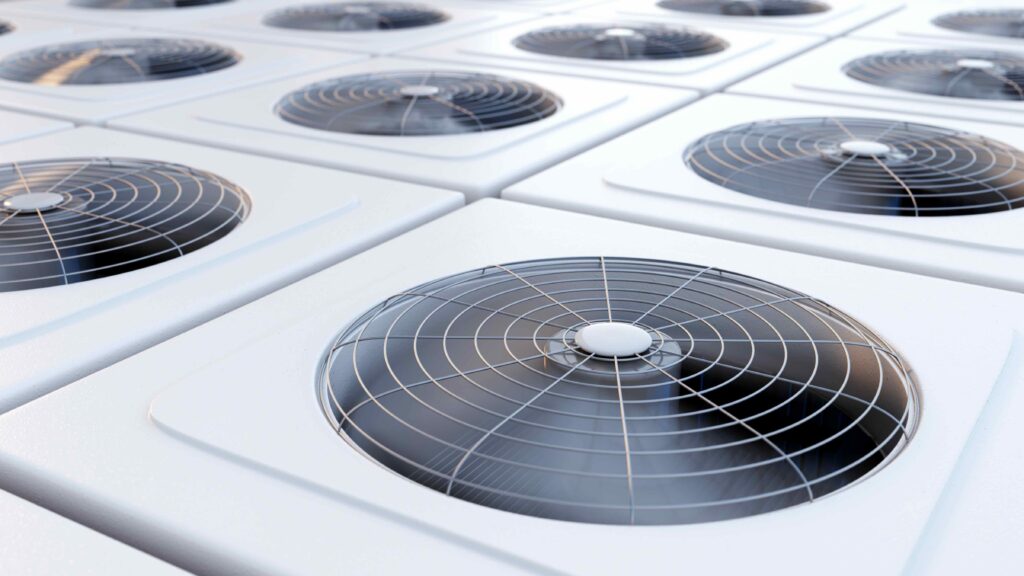
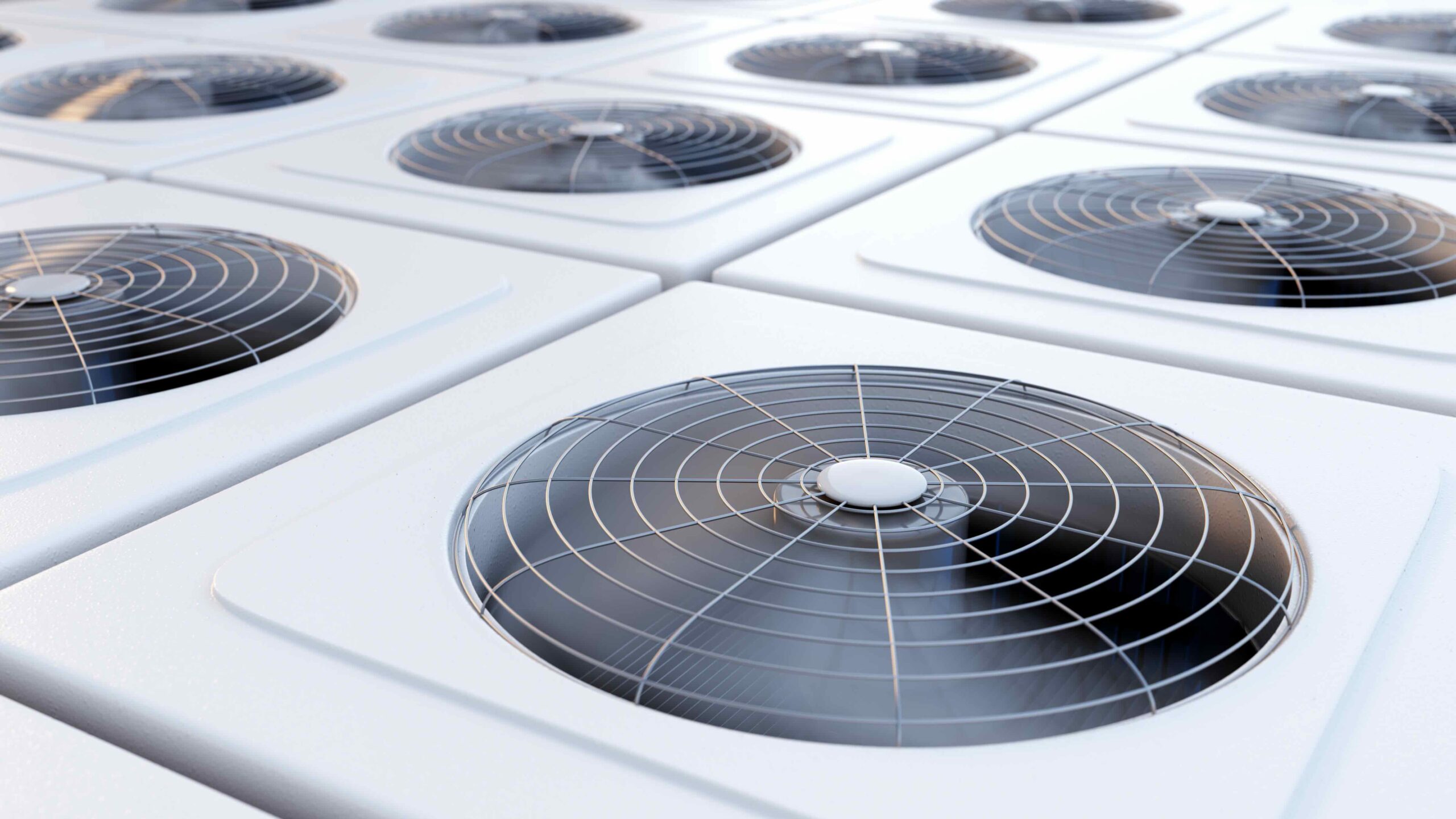
HVAC stands for Heating, Ventilation, and Air Conditioning. It is the system responsible for maintaining comfortable temperatures inside your home year-round while also managing air quality and humidity. A central HVAC system typically includes a furnace or air handler, a central air conditioner or heat pump, ductwork that distributes conditioned air throughout the home, and a thermostat to control it all. Some homes use ductless mini-split systems instead, which skip the ductwork entirely and deliver conditioned air directly into individual rooms. Either way, the HVAC system is not optional. It is one of the most actively used systems in your entire home, running potentially thousands of hours per year.
Average HVAC System Costs for Homeowners
The national average cost to replace a full HVAC system ranges from approximately $5,000 to $12,500, though that number climbs quickly depending on home size, system type, and regional labor rates. Here is a general breakdown of what you might expect to pay:
- Central air conditioner replacement: $3,500 to $7,500
- Gas furnace replacement: $2,500 to $6,000
- Heat pump system: $4,000 to $10,000
- Ductless mini-split system: $3,000 to $14,500 depending on the number of zones
- Full HVAC system replacement with ductwork: $10,000 to $20,000 or more
Labor typically accounts for 30 to 50 percent of the total cost. Equipment brands, SEER ratings (which measure energy efficiency), and local permit requirements all affect the final price. A higher SEER rating means better efficiency and lower monthly utility bills, but it also means a higher upfront equipment cost.
Factors That Influence Your Total HVAC Cost
No two HVAC quotes are identical, and that is by design. Several variables shape the final number a contractor puts in front of you. The size of your home matters significantly because HVAC systems are sized by tonnage, and a larger home requires a larger, more powerful, and more expensive unit. The condition of your existing ductwork is another major factor. If ducts are leaking, undersized, or simply old, a contractor may recommend replacing them alongside the equipment, which adds thousands to the project. The age and type of refrigerant your current system uses can also affect costs, particularly since older R-22 refrigerant has been phased out and systems using it are increasingly expensive to service. Finally, geographic location plays a role. Labor rates in coastal metropolitan areas can be nearly double those in rural Midwest markets.
Key Advantages of Investing in a Quality HVAC System
Replacing or upgrading an aging HVAC system is not just about staying comfortable. A modern, properly sized system delivers real, measurable benefits that affect both your wallet and your daily quality of life. Energy efficiency improvements alone can reduce monthly utility bills by 20 to 40 percent compared to units that are more than 15 years old. Newer systems also come equipped with variable-speed motors and smart thermostat compatibility, giving you far more control over how and when your home is conditioned. Indoor air quality improves as well, since modern systems include better filtration and humidity management. There is also the reliability factor: a new system simply breaks down less often, which translates directly into fewer emergency service calls and less disruption to your household.

Common Drawbacks and Limitations to Keep in Mind
No major home investment is without its downsides, and HVAC systems are no exception. The upfront cost is the most obvious barrier. For many homeowners, a full system replacement represents a significant financial strain, especially when it happens unexpectedly. Installation disruption is another consideration. Depending on the scope of work, a replacement can take one to three days and may temporarily affect your ability to use certain areas of the home. Ongoing maintenance is a real commitment as well. Filters need regular replacement, coils need cleaning, and annual tune-ups are strongly recommended to keep the system running efficiently. Skip the maintenance and you risk voiding manufacturer warranties and shortening the system’s lifespan noticeably.
How Long Does an HVAC System Last
Lifespan varies by component. A gas furnace typically lasts 15 to 20 years. Central air conditioning units average 12 to 17 years. Heat pumps, which handle both heating and cooling, generally last 10 to 15 years because they run year-round. Ductless mini-split systems can stretch to 20 years with proper care. These are averages, not guarantees. Systems that are poorly maintained, oversized, or undersized for the home they serve tend to fail earlier. Systems that receive annual professional servicing and operate in mild climates often exceed those estimates comfortably.
Smart Tips for Managing HVAC Costs
There are practical steps you can take to stretch both your HVAC budget and the life of your system. Getting at least three quotes from licensed HVAC contractors before committing to any work is a standard best practice that can surface significant price variation for the same job. Scheduling replacements during the off-season, typically late fall or early spring, often results in better pricing and contractor availability. Investing in a programmable or smart thermostat reduces runtime and wear on the system without sacrificing comfort. Keeping up with filter replacements every one to three months, depending on your household, is one of the simplest and most cost-effective things you can do. And finally, do not ignore minor issues. A refrigerant leak or a strange noise caught early is almost always less expensive to address than a compressor failure caught late.
Understanding HVAC Warranties and What They Cover
Most new HVAC equipment comes with a manufacturer warranty that covers parts for five to ten years, sometimes longer if you register the equipment promptly after installation. Labor, however, is typically not included. That means even under a manufacturer warranty, you may still owe a technician for the time it takes to diagnose and repair a covered component. Manufacturer warranties also tend to have specific requirements around professional installation and annual maintenance records. Missing those requirements can void coverage entirely, which is a frustrating outcome after spending thousands on a new system. This gap between parts coverage and total protection is exactly where additional coverage options, like a home warranty, become worth examining.
Why Armadillo Is Worth Considering for Your HVAC Protection
When an HVAC system fails, the timing is rarely convenient and the cost is almost never small. That reality is precisely why home warranty coverage for HVAC systems and major home appliances deserves a serious look from any homeowner. Armadillo offers straightforward, transparent plans that are designed to close the coverage gap that manufacturer warranties leave wide open. With Armadillo, HVAC breakdowns due to normal wear and tear are covered without the scramble to find a reputable contractor on your own. The service experience is built around speed and clarity, not fine print and runaround. If protecting your heating and cooling investment sounds like a reasonable next step, you can get a personalized home warranty quote for HVAC and whole-home coverage in minutes. The right protection plan does not just cover a breakdown. It covers your peace of mind.

Frequently Asked Questions About Home HVAC System Costs
These are the questions homeowners ask most often when navigating HVAC costs, replacement decisions, and coverage options.
What is the average cost to replace a full HVAC system?
The average cost to replace a complete HVAC system ranges from $5,000 to $12,500 for most homes. Larger homes, premium equipment brands, or projects requiring ductwork replacement can push that total above $20,000.
How do I know if I should repair or replace my HVAC system?
A common guideline is the 5,000 rule: multiply the age of the unit by the repair cost. If the result exceeds $5,000, replacement is generally the more economical choice. Systems older than 15 years that require expensive repairs are usually better candidates for full replacement.
Does a home warranty cover HVAC systems?
Many home warranty plans include HVAC systems as a covered component, protecting against breakdowns caused by normal wear and tear. Coverage details, caps, and exclusions vary by provider, so reviewing the specific plan terms is important before purchasing.
What SEER rating should I look for in a new HVAC system?
Current federal minimum standards require a SEER rating of at least 14 to 15 depending on your region. For the best balance of upfront cost and long-term energy savings, most experts recommend targeting a SEER rating between 16 and 20.
How long does HVAC installation typically take?
A straightforward system swap with existing compatible ductwork usually takes one full day. More complex installations involving new ductwork, additional zones, or structural modifications can take two to three days or longer.
Can I finance an HVAC replacement?
Yes. Many HVAC contractors offer financing options directly, and manufacturer programs, utility company rebates, and personal loans are all common ways homeowners manage the upfront cost. Some energy-efficient upgrades also qualify for federal tax credits.
What maintenance does an HVAC system require to stay under warranty?
Most manufacturer warranties require annual professional maintenance and timely filter replacements to remain valid. Keeping dated service records is important because warranty claims may require proof of maintenance compliance.
Is a heat pump cheaper to operate than a traditional furnace and AC combo?
In moderate climates, heat pumps are generally more energy-efficient and less expensive to operate than traditional split systems because they move heat rather than generate it. In extremely cold climates, a heat pump may need a supplemental heating source, which can affect overall operating costs.
How much does it cost to add ductwork to a home without existing ducts?
Installing new ductwork in a home without existing infrastructure typically costs between $2,000 and $10,000 depending on home size and complexity. Ductless mini-split systems are often considered as an alternative in these situations to avoid that added expense.
What is the difference between a home warranty and a manufacturer warranty for HVAC systems?
A manufacturer warranty covers defects in the equipment itself and is provided by the brand for a set period. A home warranty is a separate service contract that covers mechanical failures due to normal use across multiple home systems and appliances, often including labor costs that manufacturer warranties exclude.