What Is Home Winterization and Why Does It Matter More Than You Think
Every fall, millions of homeowners across the country start thinking about what winter might do to their homes. Pipes freeze, heating systems strain, drafts creep in through gaps you forgot existed, and suddenly a season that should feel cozy turns into an expensive headache. Home winterization is the process of preparing your home’s systems, structure, and appliances to handle cold weather safely and efficiently. It covers everything from insulating exposed pipes to servicing your furnace, sealing air leaks, and protecting outdoor plumbing. Done right, it can prevent thousands of dollars in damage and keep your home running smoothly from the first frost through the final thaw.
How the Home Winterization Process Actually Works
Winterization is not a single task. It is a systematic review of your home’s most vulnerable components, addressed before temperatures drop low enough to cause real damage. Professionals who specialize in winterizing homes typically follow a structured checklist that moves through exterior, interior, and mechanical systems. On the outside, that means inspecting the roof, gutters, and foundation for vulnerabilities. Inside, the focus shifts to insulation quality, window and door seals, and pipe protection. Mechanically, it involves servicing your HVAC system, checking your water heater, and testing smoke and carbon monoxide detectors. The goal is to create a home that is sealed, efficient, and protected against whatever the season brings.
The Key Systems and Areas Covered During Winterization
Understanding what gets addressed during a proper winterization helps homeowners know what to expect and what to prioritize. The most critical areas include the following:
- Plumbing and pipes, particularly those in unheated spaces like garages, basements, and crawl spaces
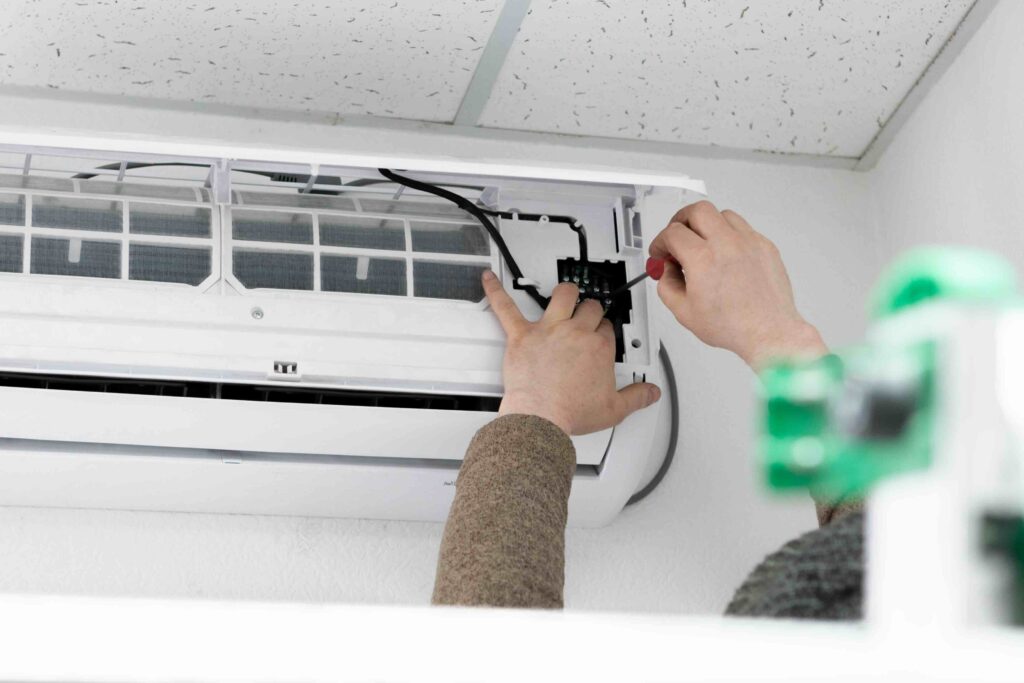
- The heating system, including furnace filters, heat pumps, and ductwork inspections
- Windows and doors, where drafts and air leaks quietly drive up energy bills
- Gutters and downspouts, which need to be cleared before ice dams can form
- The attic and insulation levels, which directly affect heat retention throughout the home
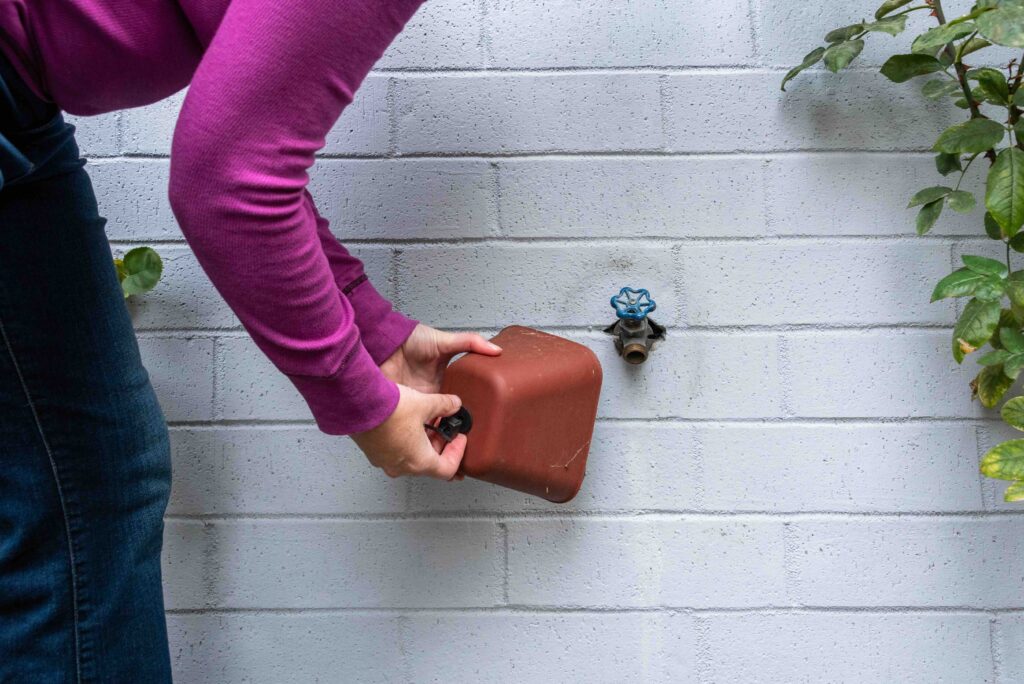
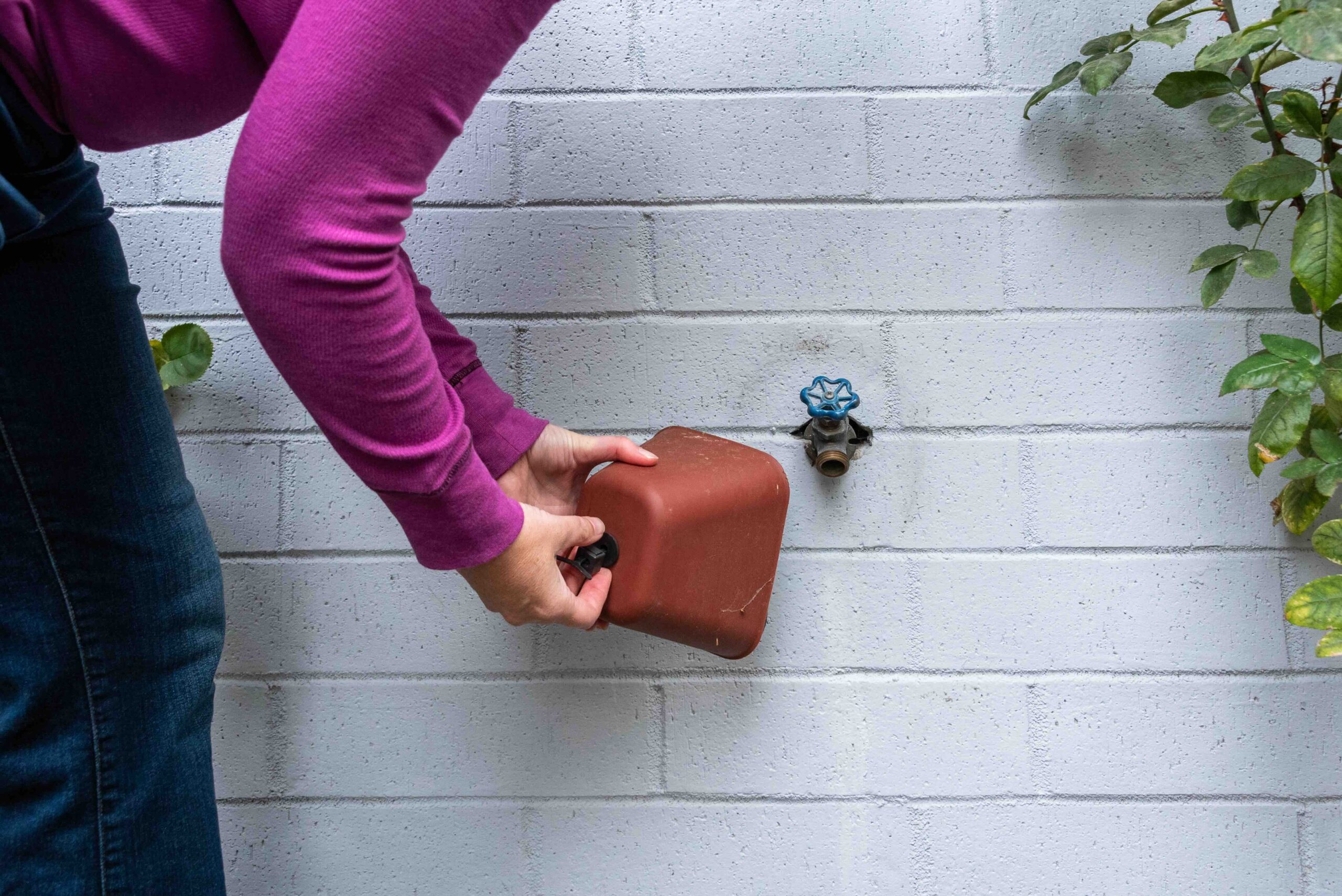
- Outdoor faucets, irrigation systems, and garden hoses that must be drained and shut off
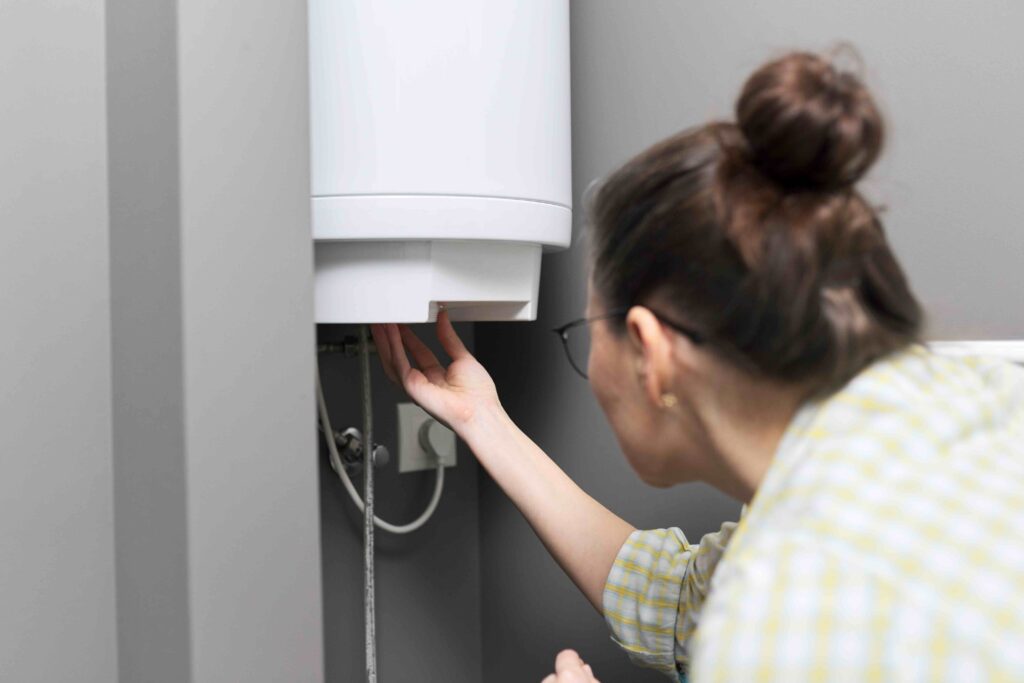
- The water heater, which works harder in winter and benefits from a flush and temperature check
Each of these areas plays a distinct role in your home’s overall performance during cold months. Missing even one can create a chain reaction of issues that compounds quickly once the temperature drops.
The Advantages of Professional Home Winterization Services
Hiring a qualified professional to winterize your home offers several advantages that a casual DIY walkthrough simply cannot replicate. Professionals carry specialized tools for pressure-testing pipes, identifying thermal leaks with infrared technology, and servicing HVAC components that require certification to touch. They also bring experience. Someone who has winterized hundreds of homes in your region knows exactly which failure points are most common in your climate and construction type. Beyond technical expertise, there is the time factor. A full professional winterization typically takes a few hours and leaves you with a documented checklist of what was done and what may need attention before next season.
Common Drawbacks and Limitations to Be Aware Of
Winterization services are valuable, but they are not without their limitations. Cost is the most immediate concern. Depending on the size of your home and the scope of work, professional winterization can range from a few hundred dollars to well over a thousand. Scheduling is another issue. Demand spikes in October and November, which means booking late can leave you scrambling. It is also worth noting that winterization addresses prevention, not warranty protection. If a pipe bursts or a furnace fails after winterization, the service itself does not cover repair or replacement costs. That gap is significant and something every homeowner should factor into their planning.

DIY Winterization Tips That Actually Make a Difference
Not every part of winterizing your home requires a professional. There are several steps homeowners can handle on their own with minimal tools and a free afternoon. Replacing worn weatherstripping around doors and windows is one of the highest-impact, lowest-cost improvements you can make. Wrapping exposed pipes in foam insulation sleeves takes less than an hour and costs almost nothing. Reversing the direction of ceiling fans so they push warm air down from the ceiling is a simple switch that improves heat distribution noticeably. Draining and disconnecting garden hoses before the first freeze prevents outdoor spigot damage that surprises homeowners every single year. These small steps, done consistently, add up to real protection over a full season.
How Winterization Connects to Long-Term Home Maintenance
Winterization is not just a seasonal checkbox. It is part of a broader approach to home maintenance that protects your investment over time. Homes that are consistently prepared for seasonal transitions tend to experience fewer emergency repairs, lower energy bills, and longer system lifespans. A furnace that gets serviced annually before the heating season simply lasts longer than one that runs hard without attention. Insulation that is maintained at appropriate levels keeps heating and cooling costs predictable year after year. Gutters that are cleared every fall prevent water intrusion issues that silently damage fascia, soffits, and foundations over time. Treating winterization as a recurring investment rather than a one-time fix changes how you relate to your home entirely.
What to Look for When Hiring a Home Winterization Company
Choosing the right company to winterize your home matters. The industry is not uniformly regulated, which means the quality of service can vary widely. When evaluating providers, consider the following:
- Licensing and insurance relevant to plumbing, HVAC, and general contracting work in your state
- Documented service checklists that specify exactly what is and is not included
- Reviews from local homeowners, particularly those in similar home types and climates
- Clear pricing with no vague line items that could lead to unexpected charges
- Experience with the specific systems in your home, especially older or less common configurations
A reputable winterization company should be transparent, responsive, and willing to explain their process before any work begins. If a provider is evasive about scope or pricing, that is worth taking seriously before you sign anything.
Why a Home Warranty Is the Natural Complement to Winterization
Winterization does an excellent job of reducing risk. What it cannot do is eliminate it entirely. Systems age, components wear out, and even a well-maintained furnace can fail mid-January without warning. That is precisely where a home warranty earns its place in a homeowner’s financial strategy. A home warranty covers the repair and replacement costs for major systems and appliances when they break down due to normal wear and use. Paired with proactive winterization, it creates a two-layer defense. One layer prevents problems from happening. The other covers you when they happen anyway. If you are investing in winterizing your home this season, it makes real sense to ensure that investment is backed by coverage for the systems you are protecting. trusted home warranty coverage for heating systems, plumbing, and major appliances gives homeowners the financial safety net that seasonal maintenance alone cannot provide. When you are ready to take that next step, get a personalized home warranty quote built around your home’s specific systems and find out exactly what protection looks like for your situation.

Frequently Asked Questions About Home Winterization
Answers to the questions homeowners ask most often about preparing their homes for cold weather.
When is the best time to winterize your home?
The ideal window is late September through mid-October, before the first hard freeze arrives in your region. Scheduling earlier gives you time to address any issues discovered during the process without rushing.
How much does professional home winterization cost?
Costs vary based on home size, location, and the scope of services included. Most homeowners spend between $200 and $1,000 for a comprehensive professional winterization, with larger homes or those requiring HVAC servicing trending toward the higher end.
Can I winterize my home myself or do I need a professional?
Many tasks, such as sealing drafts, wrapping pipes, and clearing gutters, are manageable for homeowners with basic tools. However, systems like furnaces, heat pumps, and pressurized plumbing lines typically benefit from professional service to ensure safety and proper function.
What happens if I skip winterization and a pipe freezes?
A frozen pipe that bursts can release hundreds of gallons of water into your home before the issue is contained. Repair and remediation costs can reach tens of thousands of dollars depending on the extent of the water damage and what materials are affected.
Does homeowners insurance cover damage from frozen pipes?
Standard homeowners insurance policies often cover sudden and accidental water damage from burst pipes, but coverage can be denied if the insurer determines the damage resulted from neglect or failure to maintain adequate heat in the home.
Does a home warranty cover winterization services?
Home warranties generally cover the repair and replacement of covered systems and appliances when they fail due to normal wear and tear. They do not typically cover the cost of preventive maintenance services like winterization itself.
How long does a full home winterization take?
A professional winterization covering plumbing, HVAC, insulation checks, and exterior inspection typically takes between two and four hours for an average-sized home. More complex properties or those with older systems may require additional time.
Are there specific regions where home winterization is more critical?
Homes in climates that regularly experience temperatures below freezing face the highest risk of winter-related damage. That said, homes in milder climates are sometimes more vulnerable because their plumbing and insulation are not designed to handle even occasional cold snaps.
What is an ice dam and how does winterization prevent it?
An ice dam forms when heat escapes through a poorly insulated roof, melts snow near the peak, and refreezes at the cold eaves. The resulting ice buildup can force water under shingles and into the home. Proper attic insulation and ventilation, both addressed during winterization, significantly reduce ice dam risk.
How does winterizing an irrigation system work?
Irrigation system winterization, often called a blowout, involves using compressed air to force all remaining water out of the irrigation lines and heads before freezing temperatures arrive. Water left in underground lines can freeze, expand, and crack pipes or heads, leading to costly repairs in spring.