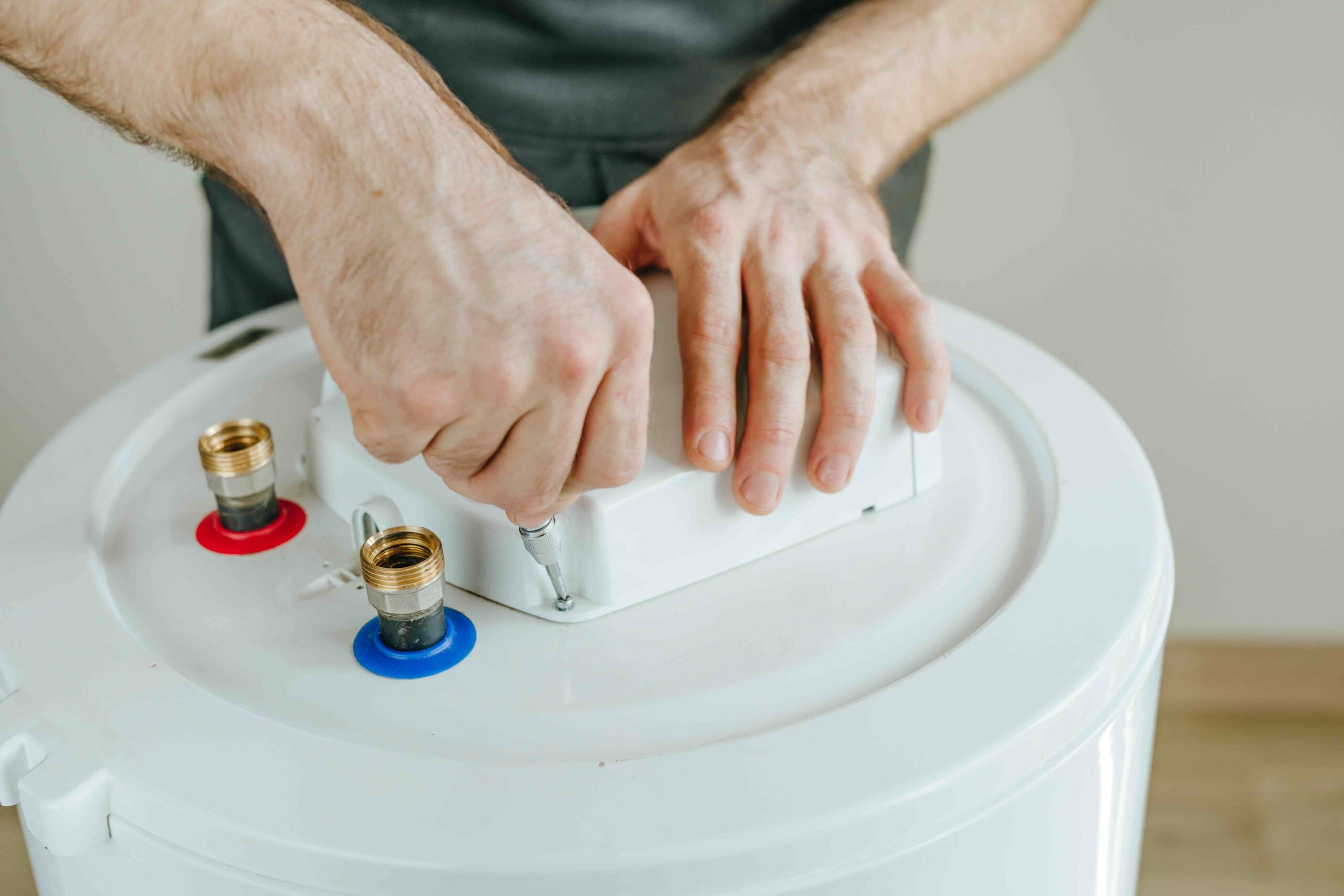
Hot Water Heater Problems: What Every Homeowner Should Know
There is nothing quite like stepping into a cold shower first thing in the morning to make you realize just how much you depend on your water heater. It is one of those appliances that quietly does its job every single day until, suddenly, it does not. Understanding how your hot water heater works, what can go wrong, and how to protect yourself financially when it does can save you a significant amount of stress and money. This guide covers everything you need to know, from the basics of how the system operates to the most common failure points and what to do when trouble shows up uninvited.
How Your Hot Water Heater Actually Works
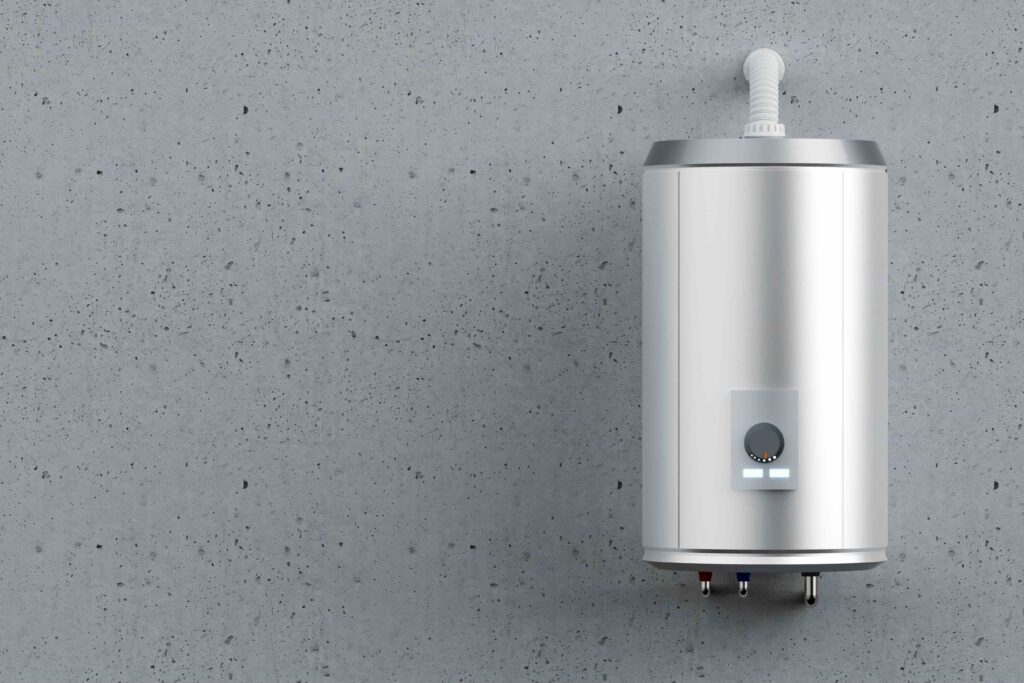
Most homes in the United States use a traditional storage tank water heater. Cold water enters through a dip tube at the top and sinks to the bottom of the tank, where a burner or heating element warms it to your set temperature, typically somewhere between 120 and 140 degrees Fahrenheit. A thermostat monitors the temperature and signals the heating element to kick on whenever the water cools below the threshold. Once heated, the water sits ready inside the tank until you turn on a faucet and draw it out. Tankless water heaters work differently. They heat water on demand as it passes through a heat exchanger, which means no stored water and no standby heat loss. Both types have their merits, but both are also vulnerable to a range of mechanical and component failures over time.
The Average Lifespan of a Water Heater and Why It Matters
Traditional tank water heaters typically last between 8 and 12 years. Tankless models tend to run longer, often 15 to 20 years with proper maintenance. The problem is that most homeowners have no idea how old their water heater is until something goes wrong. You can usually find the manufacture date encoded in the serial number on the unit’s label. Knowing this number is actually important because an aging water heater is not just a potential inconvenience, it is a liability. Units approaching the end of their expected lifespan are far more likely to leak, fail, or cause water damage. Getting ahead of the timeline is always better than reacting to a flooded utility room at midnight.
The Most Common Hot Water Heater Problems
Water heater issues tend to follow predictable patterns, which is actually good news because it means you can often spot warning signs before a full failure occurs. The following problems represent the most frequent complaints homeowners deal with:
- No hot water at all, typically caused by a failed heating element, tripped circuit breaker, or pilot light outage
- Inconsistent water temperature or water that runs lukewarm, often pointing to a malfunctioning thermostat
- Discolored or rust-colored water, which usually indicates a corroding anode rod or deteriorating tank interior
- Strange noises like rumbling, popping, or banging, typically caused by sediment buildup at the bottom of the tank
- Visible leaking around the tank base, pressure relief valve, or supply connections
- Unpleasant sulfur or rotten egg odor in the hot water, often linked to bacteria reacting with a magnesium anode rod
Each of these issues ranges in severity and cost to repair. Some are simple fixes, others require full component replacement or even a new unit entirely.
Why Sediment Buildup Is a Bigger Deal Than You Think
Sediment buildup is probably the most underestimated water heater problem out there. As hard water flows into your tank, mineral deposits like calcium and magnesium settle at the bottom over time. That layer of sediment forces your heating element to work harder to warm the water above it, which reduces efficiency, increases energy costs, and accelerates wear on internal components. You will usually hear it before you see it. That rumbling or popping sound when your heater is running is sediment being disturbed by the heating process. Flushing your tank annually can help slow this down considerably, and it is one of the easiest maintenance tasks a homeowner can do themselves.

Signs That Repair Is No Longer Worth It
At some point, throwing money at repair after repair simply does not make financial sense. The general rule is that if a repair costs more than 50 percent of what a new unit would cost, and your heater is already more than halfway through its expected lifespan, replacement is usually the smarter call. Other clear signals that it is time to move on include persistent leaks from the tank body itself, which cannot be patched, recurring heating element failures within a short span of time, and hot water that is never fully adequate regardless of thermostat adjustments. These are not small fixes. These are symptoms of a system that has run its course.
What a Hot Water Heater Replacement Actually Costs
This is where things get uncomfortable for a lot of homeowners. A standard 40 to 50 gallon tank water heater typically costs between $300 and $700 for the unit itself, plus another $300 to $600 or more in labor depending on your location and whether any code upgrades are required. Tankless systems run considerably higher, often ranging from $1,000 to $3,500 installed. Emergency replacements, which happen more often than anyone would like, can push costs even higher due to after-hours service calls and expedited scheduling. These are not small numbers, and they tend to arrive at the worst possible time, which is exactly why proactive financial planning around major home systems is worth taking seriously.
Maintenance Tips That Can Extend Your Water Heater’s Life
You cannot control every failure, but you can absolutely influence how long your water heater performs reliably. A few consistent habits make a measurable difference:
- Flush the tank once a year to remove sediment accumulation
- Test the pressure relief valve annually to confirm it opens and closes properly
- Inspect the anode rod every two to three years and replace it when it shows significant corrosion
- Set your thermostat to 120 degrees Fahrenheit to balance efficiency with safety and reduce mineral buildup
- Insulate older tanks and exposed hot water pipes to reduce standby heat loss
- Keep the area around the unit clear to allow adequate ventilation and easier visual inspections
These are not complicated tasks. Most take less than an hour and require minimal tools. The payoff, in terms of extended appliance life and avoided emergency repairs, is well worth the modest effort.
Tank vs. Tankless: Which One Makes More Sense for Your Home
Choosing between a traditional tank and a tankless water heater is not just about upfront cost. It is about household size, usage patterns, energy goals, and budget. Tank heaters are less expensive to purchase and install, and most plumbers can service them quickly. The downside is standby heat loss and a finite supply of hot water per cycle. Tankless systems eliminate standby loss and provide continuous hot water on demand, but they cost significantly more upfront, require specific venting and gas line configurations in many cases, and can struggle to keep up with simultaneous high-demand usage across a large household without a properly sized unit. Neither option is universally better. The right answer depends on your specific home and how your household uses hot water day to day.
How a Home Warranty Can Protect You When Your Water Heater Fails
When your water heater fails unexpectedly, the last thing you want is to be scrambling to find a reputable technician while simultaneously calculating how to cover a repair or replacement that costs well over a thousand dollars. That is precisely where a home warranty earns its value. A quality home warranty plan covers the repair or replacement of major systems and appliances, including your water heater, when they fail due to normal wear and tear. Instead of absorbing the full financial hit on your own, you pay a manageable service fee and let a qualified technician handle the rest. If you are looking for coverage that is straightforward, honest, and built around what homeowners actually need, Armadillo home warranty plans for water heaters and major home systems are designed with exactly that in mind. Armadillo keeps things simple, with transparent pricing and no confusing fine print that leaves you guessing when it is time to file a claim. Whether your tank unit is aging out or your tankless system develops an unexpected fault, having a plan in place before the problem occurs is the kind of preparation that actually pays off. Take two minutes and get a free home warranty quote that covers your water heater and more to see what protection looks like for your specific home.

Frequently Asked Questions About Hot Water Heater Problems and Coverage
Here are answers to some of the most common questions homeowners ask about water heater issues, maintenance, and home warranty protection.
How do I know if my water heater is failing?
Common signs include inconsistent water temperature, discolored or rusty water, unusual noises like rumbling or popping, visible leaks around the tank or connections, and a unit that is more than 10 years old. Any of these symptoms warrants a closer inspection by a qualified technician.
Can a water heater be repaired, or does it always need to be replaced?
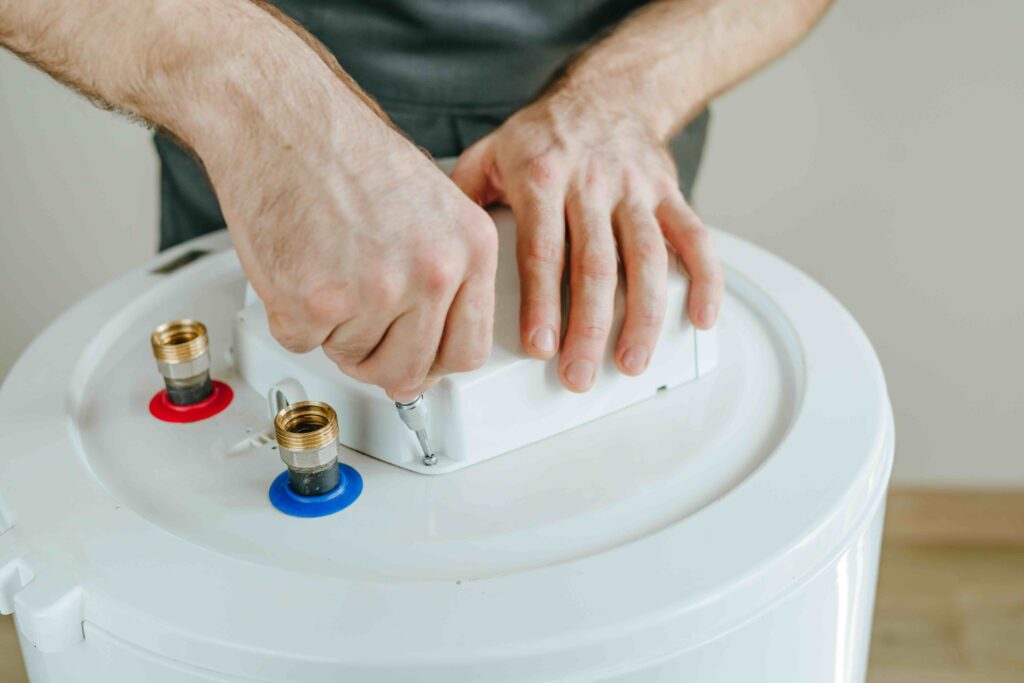
Many water heater issues can be repaired, including failed heating elements, faulty thermostats, corroded anode rods, and pressure relief valve problems. However, leaks from the tank body itself or severe internal corrosion typically mean replacement is the only viable option.
How long does a hot water heater last on average?
Traditional tank water heaters last approximately 8 to 12 years. Tankless models can last 15 to 20 years with proper maintenance. Factors like water quality, usage frequency, and routine upkeep all influence lifespan.
What causes a water heater to stop producing hot water?
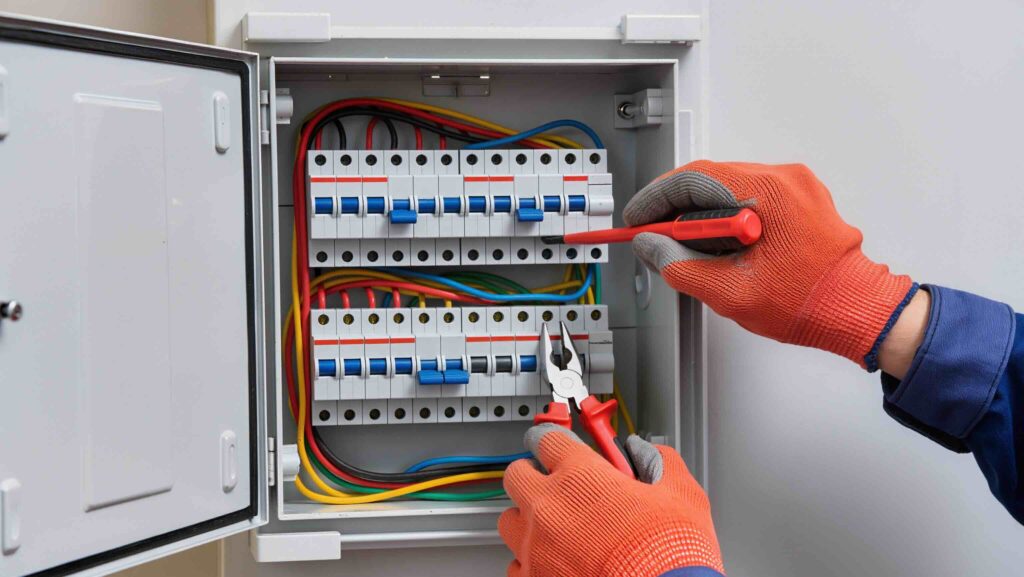
For electric units, the most common causes are a burned-out heating element or a tripped circuit breaker. For gas units, a pilot light outage or faulty thermocouple is often responsible. Sediment buildup can also reduce heating efficiency to the point where water never reaches an adequate temperature.
Does a home warranty cover water heater repair and replacement?
Most standard home warranty plans include water heater coverage for failures caused by normal wear and tear. This typically covers both repairs and replacements, though coverage terms vary by provider. Always review what is included before purchasing a plan.
How often should I flush my water heater tank?
It is generally recommended to flush your tank water heater once per year to remove sediment buildup. Homes with particularly hard water may benefit from flushing more frequently, closer to every six months.
Is a tankless water heater worth the higher upfront cost?
It depends on your household’s hot water usage, energy goals, and long-term plans. Tankless units offer energy savings through eliminated standby heat loss and a longer lifespan, but they require a higher initial investment and may need infrastructure upgrades. For many homeowners, the long-term savings justify the cost.
What temperature should I set my water heater to?
The U.S. Department of Energy recommends setting your water heater to 120 degrees Fahrenheit. This reduces energy consumption, slows mineral buildup, and minimizes the risk of scalding while still providing adequate hot water for everyday household use.
Why does my hot water smell like rotten eggs?
This odor is typically caused by sulfur-reducing bacteria reacting with the magnesium anode rod inside your tank. It is more common in homes with well water or water supplies high in sulfate content. Replacing the anode rod with an aluminum or zinc alternative often resolves the issue.
What should I do immediately if my water heater starts leaking?
Turn off the water supply to the unit immediately using the cold water shutoff valve located above or near the heater. For gas units, shut off the gas supply as well. For electric units, turn off the corresponding circuit breaker. Contact a licensed plumber as soon as possible to assess whether the unit can be repaired or needs full replacement.