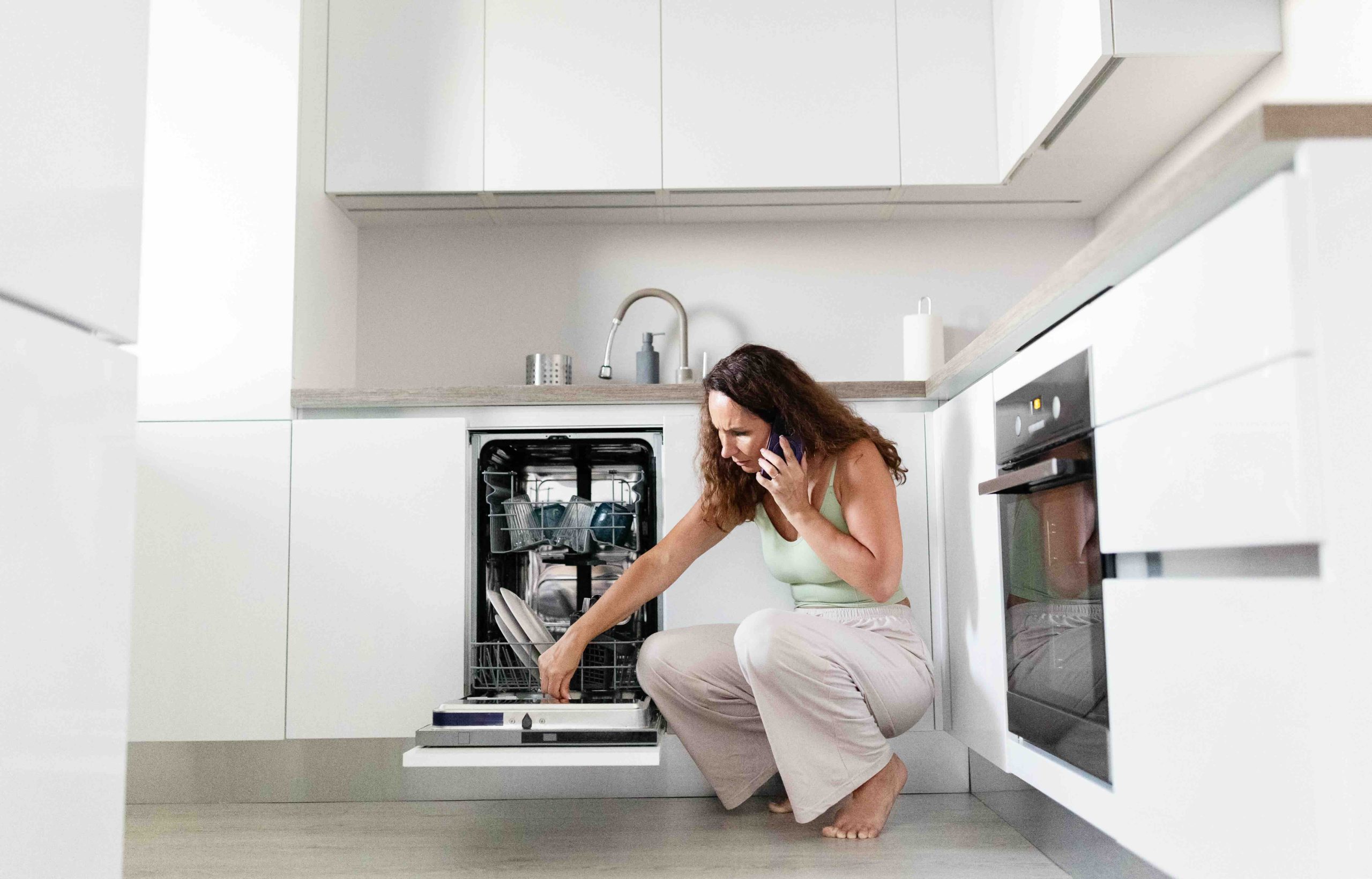
What Is Household Appliance Cover and Do You Actually Need It?
If you have ever stood in your kitchen watching your refrigerator make a noise it definitely was not making yesterday, you already know the specific kind of dread that comes with owning home appliances. Things break. That is just the reality of homeownership. Household appliance cover exists precisely because that reality can get expensive fast. But what exactly is it, how does it work, and is it worth paying for? Those are fair questions, and this article is going to walk you through all of it.
Defining Household Appliance Cover
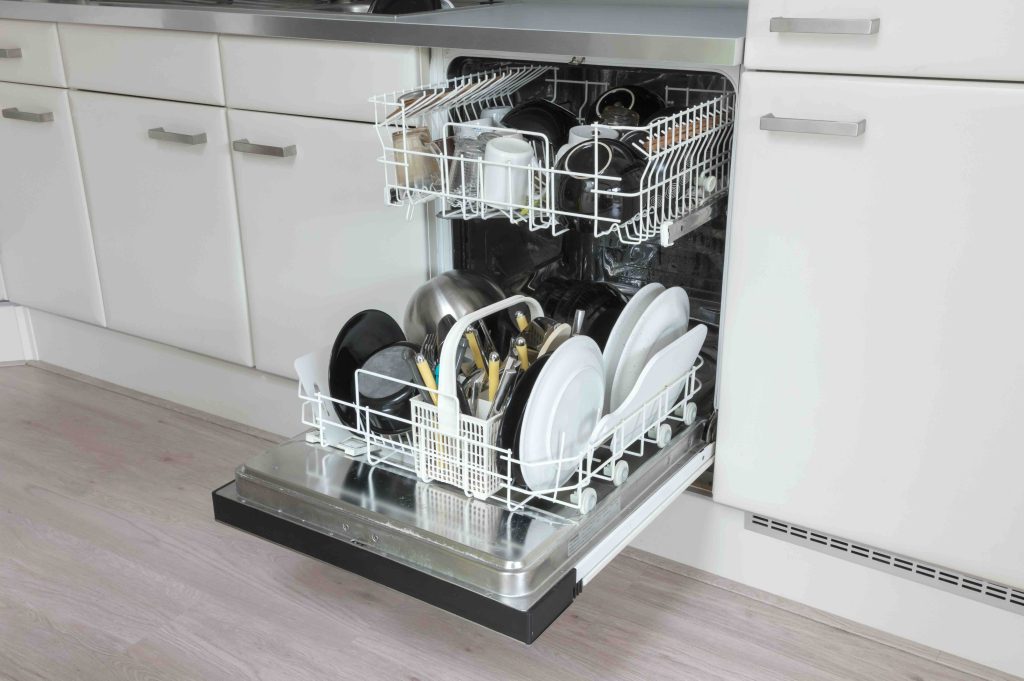
Household appliance cover is a type of protection plan, often included within or sold alongside a home warranty, that pays for the repair or replacement of major home appliances when they break down due to normal use. We are talking about things like your refrigerator, dishwasher, washing machine, dryer, oven, range, and sometimes smaller built-in units depending on the plan. The core idea is straightforward: you pay a regular fee, and when a covered appliance stops working, the plan helps cover the cost of getting it fixed or replaced. It fills the gap that homeowners insurance does not cover, because standard homeowners insurance typically handles damage from events like fires or floods, not mechanical failure.
How Household Appliance Cover Actually Works
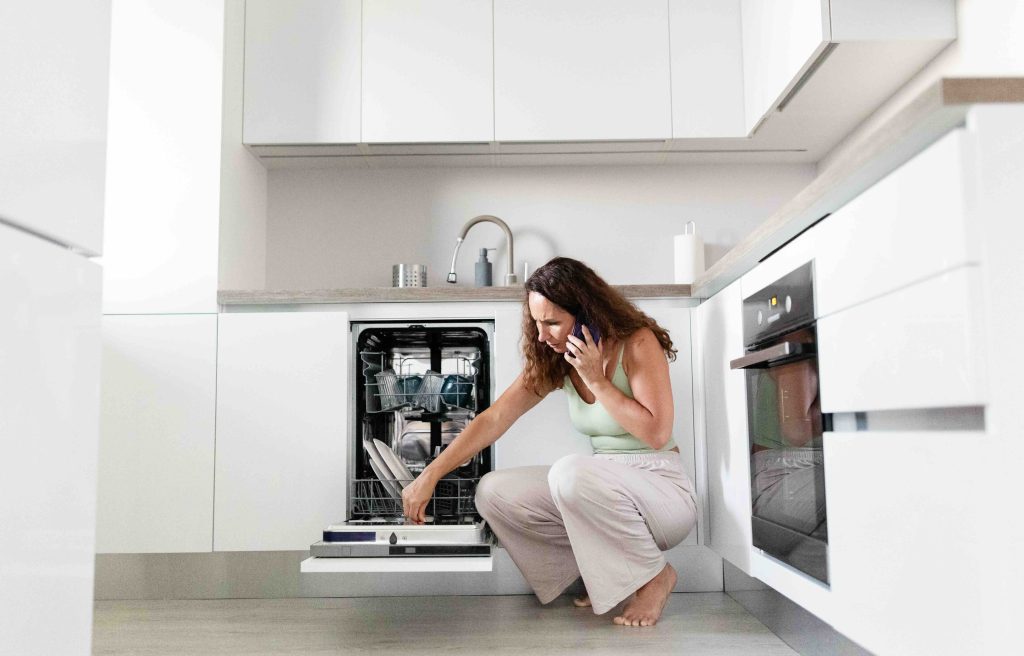
The mechanics are pretty simple once you see them laid out. You purchase a plan, either as a standalone appliance protection policy or as part of a broader home warranty that also covers systems like HVAC and plumbing. When something breaks, you contact your provider and file a claim. The provider then dispatches a qualified service technician to diagnose the problem. If the repair falls within the terms of your coverage, the plan pays for it, minus any service call fee or deductible you agreed to upfront. If the appliance is beyond repair, the plan may offer a replacement or a cash-equivalent payout based on the coverage limits. The process is designed to remove the scramble of finding a contractor and negotiating a repair bill on your own.
The Key Advantages of Having Appliance Cover in Place
- Predictable costs: Instead of an unexpected repair bill in the hundreds or thousands of dollars, you pay a manageable monthly or annual fee.
- Convenience: You do not have to search for a reputable technician yourself. The provider handles dispatch.
- Broad protection: A solid plan covers multiple appliances under one agreement, reducing the number of individual warranties you have to track.
- Budget protection: Major appliance failures, especially refrigerators or washers, can cost a significant amount to repair. Coverage keeps those surprises from derailing your finances.
- Peace of mind: There is real value in knowing that when something fails, you have a plan and a process already in place.
That last point matters more than people expect. Homeownership carries a constant low-level awareness of everything that could go wrong. Having household appliance cover takes at least one category of worry off the table.
Common Drawbacks and Limitations You Should Know
No coverage product is perfect, and household appliance cover is no exception. The most common frustration homeowners run into is exclusions buried in the fine print. Most plans will not cover pre-existing conditions, meaning if your dishwasher was already on its last leg when you signed up, you may not receive a payout when it finally gives out. Coverage limits are also worth scrutinizing. Some plans cap the reimbursement on any single appliance at an amount that might not fully cover a high-end replacement. There is also the service call fee to account for, which you typically owe each time a technician visits regardless of outcome. And response times can vary. If your refrigerator dies on a Friday evening, you might not get a technician out until the following week, depending on your provider and location. Reading the contract carefully before signing is not optional. It is genuinely the most important step in the entire process.

What Appliances Are Typically Covered
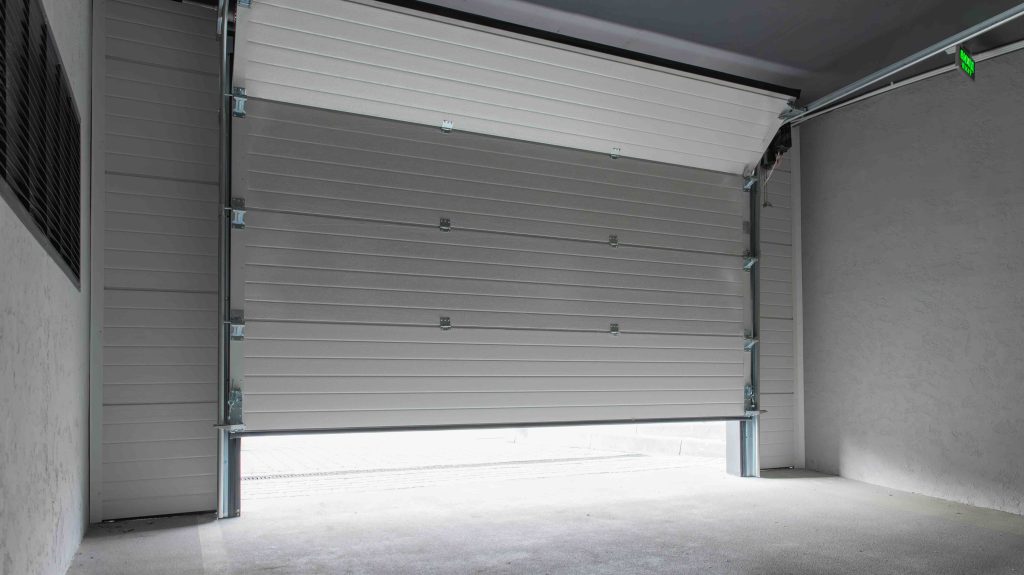
Coverage varies by plan and provider, but there is a fairly consistent list of appliances that most household appliance cover plans include. Refrigerators, dishwashers, built-in microwaves, ovens, ranges, cooktops, washing machines, and dryers tend to be the standard lineup. Some plans extend coverage to garbage disposals and garage door openers. What is usually excluded includes stand-alone freezers, portable appliances, and anything with cosmetic damage only. If you have specialty appliances, like a wine cooler or a second refrigerator in the garage, you will want to ask specifically whether those are included before assuming they fall under the plan.
Household Appliance Cover vs. Manufacturer Warranty
These two things are related but not the same. A manufacturer warranty comes with your appliance at purchase and typically covers defects in parts or workmanship for a limited time, often one to three years. Once that window closes, you are on your own. Household appliance cover steps in where the manufacturer warranty leaves off. It is designed for appliances that have aged past that initial coverage period and are now entering the phase of life where breakdowns become more statistically likely. For newer appliances, the manufacturer warranty may be sufficient. For anything older than three to five years, having additional cover starts to make a lot more financial sense.
How Home Maintenance Habits Affect Your Coverage
Here is something that does not always get enough attention: how you maintain your appliances can directly affect whether your claims get approved. Most household appliance cover plans include language about proper maintenance. If a technician determines that a breakdown was caused by neglect, such as a dryer vent that was never cleaned or a refrigerator coil that was never dusted, the provider may deny the claim. Regular maintenance is not just good for appliance longevity. It is also a condition of coverage. Cleaning filters, checking hoses, and following manufacturer guidelines for upkeep are all things that protect both your appliances and your ability to make a successful claim when something does go wrong.
Tips for Choosing the Right Household Appliance Cover Plan
- Compare coverage limits for individual appliances, not just the overall plan maximum.
- Check whether the plan covers both parts and labor, since some only cover one or the other.
- Look at the service call fee structure and calculate your true out-of-pocket cost per claim.
- Read reviews that specifically mention the claims experience, not just the sales process.
- Confirm whether the plan lets you choose your own technician or requires you to use their network.
- Ask about replacement value policy if an appliance cannot be repaired.
Doing this comparison work upfront saves a significant amount of frustration later. The best household appliance cover is the one that aligns with the appliances you actually own and the risk tolerance you actually have.
Why Armadillo Belongs on Your Shortlist for Household Appliance Cover
When you are comparing options for household appliance cover, you want a provider that is straightforward about what is included, transparent about pricing, and reliable when it actually comes time to file a claim. That is exactly what Armadillo is built around. If you are exploring what a modern home warranty that genuinely covers your appliances looks like, Armadillo home warranty coverage for household appliances is a strong place to start. The plans are designed to be clear, not filled with the kind of confusing language that makes you feel like you need a lawyer to understand what you purchased. And when you are ready to see what protection looks like for your specific home, you can get a personalized household appliance cover quote from Armadillo in just a few minutes. No long phone calls, no pressure, just a plan that fits your home and your budget.

Frequently Asked Questions About Household Appliance Cover
Here are answers to the questions homeowners ask most often about household appliance cover.
What does household appliance cover typically include?
Most plans cover the repair or replacement of major appliances such as refrigerators, dishwashers, ovens, washing machines, and dryers when they break down due to normal wear and use. Specific inclusions vary by provider and plan tier.
Is household appliance cover the same as a home warranty?
Not exactly. A home warranty can include appliance cover alongside coverage for home systems like plumbing, electrical, and HVAC. Standalone appliance cover focuses exclusively on appliances without extending to those broader systems.
Does household appliance cover include pre-existing conditions?
Generally, no. Most plans exclude appliances that were already malfunctioning before the coverage start date. Some providers conduct inspections or require disclosure of known issues before issuing coverage.
How do I file a claim under my household appliance cover plan?
You contact your provider through their claims line or online portal, describe the issue, and they dispatch a technician from their service network. You typically pay a service call fee at the time of the visit.
What is a service call fee?
A service call fee is the amount you pay each time a technician visits your home to diagnose or repair a covered appliance. It functions similarly to a copay and is separate from your regular plan premium.
Can I keep my existing appliance warranties if I also have appliance cover?
Yes. Manufacturer warranties and household appliance cover plans can coexist. Typically, the manufacturer warranty is used first while it is active, and the appliance cover plan takes over once that warranty expires.
Does regular maintenance affect my appliance cover claims?
Yes, it can. If a breakdown is attributed to neglect or lack of maintenance, a provider may deny the claim. Keeping up with basic appliance care, like cleaning filters and inspecting hoses, helps protect your coverage eligibility.
Is there a waiting period before my household appliance cover becomes active?
Many providers do include a waiting period of 15 to 30 days after enrollment before coverage kicks in. This prevents homeowners from signing up specifically to file a claim on an appliance that is already failing.
What happens if my covered appliance cannot be repaired?
If a covered appliance is deemed irreparable, most plans offer either a replacement appliance of comparable value or a cash reimbursement up to the plan’s stated coverage limit for that item.
How much does household appliance cover typically cost?
Costs vary depending on the provider, the number of appliances covered, and your location. Monthly premiums can range from roughly twenty dollars for a basic plan to over eighty dollars for comprehensive coverage that includes home systems as well.