What Is a Gas Oven and Why Does It Matter in Your Home?
If you have a gas oven in your kitchen, you already know it handles a heavy workload — roasting, baking, broiling, reheating leftovers at 11 p.m. on a Tuesday. But most homeowners do not have a clear picture of what is actually happening inside that appliance when they twist the knob or tap the ignition button. Understanding how your gas oven operates is not just trivia. It directly affects how well you maintain it, when you call for repairs, and whether your home warranty actually steps in to help when something goes wrong.
How a Gas Oven Actually Works: The Basics
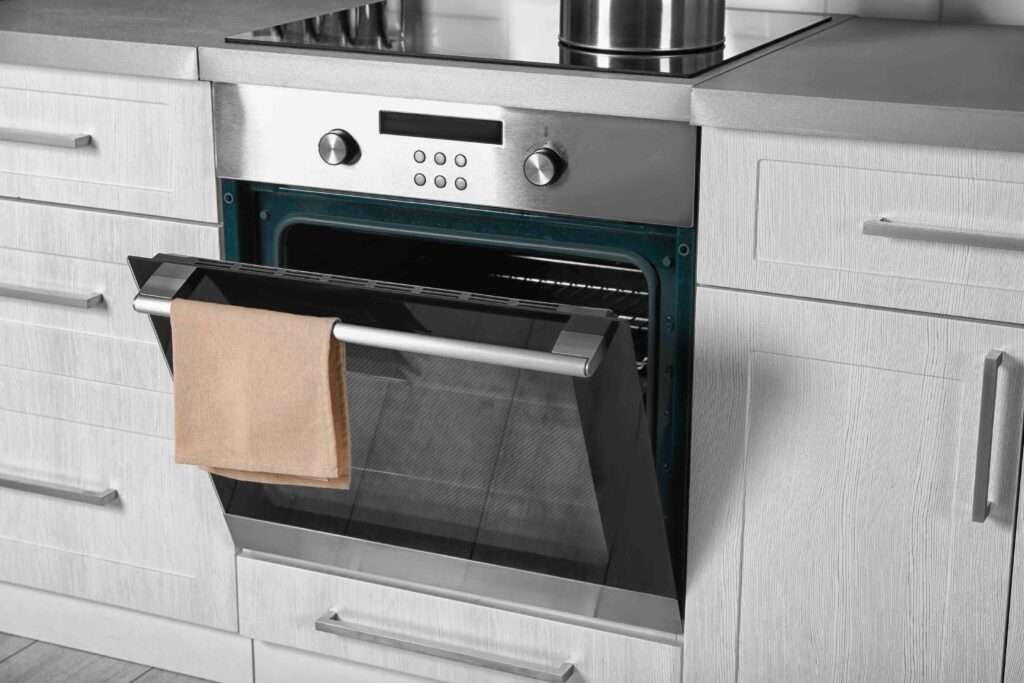
A gas oven runs on natural gas or propane, which is delivered through a supply line connected to your home’s gas system. When you turn on the oven, the igniter — either a standing pilot light or an electronic igniter depending on the age of the appliance — activates and ignites the burner at the bottom of the oven cavity. That burner heats the air inside the oven, which then rises and circulates to cook your food. Most modern gas ovens also have a broiler burner, typically located at the top of the cavity or in a separate drawer below, which provides intense direct heat for browning and crisping. The oven thermostat monitors the internal temperature and signals the gas valve to open or close to maintain the target heat level. It sounds simple, but there are several components involved, and each one can fail independently over time.
The Key Components Inside a Gas Oven
Knowing the parts of your gas oven helps you understand both how it performs and what can break down. Here are the main components that make everything run:
- Igniter: The most frequently replaced part in a gas oven. It glows hot to ignite the gas, and when it weakens, the oven struggles to heat or fails to light entirely.
- Gas valve: Controls the flow of gas to the burner. A faulty valve can prevent ignition or cause temperature inconsistencies.
- Thermostat or temperature sensor: Reads the oven’s internal temperature and regulates the burner cycle. A miscalibrated sensor leads to uneven cooking.
- Burner tubes: Distribute the gas evenly across the burner. Clogs or cracks here affect heat distribution significantly.
- Control board: In modern ovens, the electronic control board manages all functions including temperature, timing, and safety shutoffs.
Advantages of Owning a Gas Oven
Gas ovens have remained a preferred choice among home cooks and professional chefs for several reasons. First, they tend to heat up faster than electric ovens, which saves time on busy weeknights. The moist heat that gas combustion produces is also considered better for baking certain foods like bread and roasted meats, as it prevents the outside from drying out too quickly. Gas is often less expensive than electricity depending on your local utility rates, which means lower operating costs over time. Precise temperature control is another strong point — gas burners respond almost instantly when you adjust the temperature, giving you more real-time control during cooking. And in the event of a power outage, many gas ovens can still be manually lit with a match, keeping your kitchen functional when the lights go out.

Common Drawbacks of Gas Ovens
No appliance is without trade-offs, and gas ovens have a few worth knowing. Uneven heat distribution is a common complaint — because the heat source is at the bottom, hot spots can develop, and baking results may vary unless you rotate your pans. Gas ovens also require a gas line connection, which means installation can be more complex and costly if your kitchen is not already plumbed for gas. There are also safety considerations. Gas leaks, while relatively rare in properly maintained appliances, carry serious risks. Carbon monoxide is another concern if combustion is incomplete or venting is inadequate. Regular inspections and proper maintenance are non-negotiable with any gas appliance.
Routine Maintenance Tips Every Gas Oven Owner Should Follow
Preventive care goes a long way in extending the life of your gas oven and avoiding costly repairs. Keeping the oven clean is the most important habit — grease buildup around burner ports can interfere with ignition and heat distribution. Wipe down the interior after spills rather than letting residue accumulate. Inspect the igniter periodically; if it takes more than 90 seconds to glow orange or if it fails to light the burner consistently, it likely needs replacement. Check the door seal or gasket for cracks or warping, since a damaged seal causes heat loss and drives up energy use. Also pay attention to unusual smells, clicking sounds after the burner is lit, or visible damage to burner components. These are early warning signs that something needs professional attention.
How Long Should a Gas Oven Last?
The average gas oven has a lifespan of approximately 15 years, though this varies based on usage patterns, brand quality, and maintenance consistency. High-frequency use in a busy household will naturally accelerate wear. Igniter failures typically appear within the first 5 to 7 years. Control board issues in newer digital models tend to emerge as the appliance ages past the 8 to 10 year mark. Knowing where your oven falls in its life cycle helps you plan for repairs versus replacement — and it is a key factor when evaluating whether a home warranty plan makes financial sense for your household.
When to Repair Versus Replace Your Gas Oven
The general rule of thumb used widely in the home warranty industry is the 50 percent rule: if the cost of a repair exceeds 50 percent of the oven’s current replacement value, replacement is usually the smarter financial move. For example, replacing an igniter or a faulty temperature sensor is relatively affordable and absolutely worth doing on an oven that still has several functional years ahead of it. But a failed control board or a cracked heat exchanger on a 13-year-old appliance may not justify the repair cost. Keeping records of past repairs is helpful here — a pattern of recurring failures is often a clearer signal than any single breakdown.
Why Home Warranty Coverage for Your Gas Oven Is Worth Considering
Gas ovens fail in predictable ways, and most homeowners are caught off guard when they do. Repair costs can range from a modest igniter replacement to several hundred dollars for a control board or gas valve issue. That unpredictability is exactly what a home warranty is designed to manage. With comprehensive home warranty protection for gas appliances and kitchen systems, you are not left scrambling to find a qualified technician or absorb unexpected expenses out of pocket. Armadillo offers straightforward coverage built around how real homeowners actually live — no confusing fine print, no runaround. If your gas oven breaks down, having a plan in place means a single call gets the process moving. You can get a free home warranty quote that covers your gas oven and major appliances in just a few minutes and know exactly what you are protected against before the next repair comes due.

Frequently Asked Questions About Gas Ovens
Here are answers to the most common questions homeowners ask about gas ovens, how they work, and how to keep them running reliably.
How do I know if my gas oven igniter is failing?
The most common signs are the oven taking an unusually long time to preheat, the burner failing to light on the first attempt, or the igniter glowing dimly instead of bright orange. If it takes longer than 90 seconds to ignite, replacement is likely needed.
Is it safe to use a gas oven if I smell a faint gas odor?
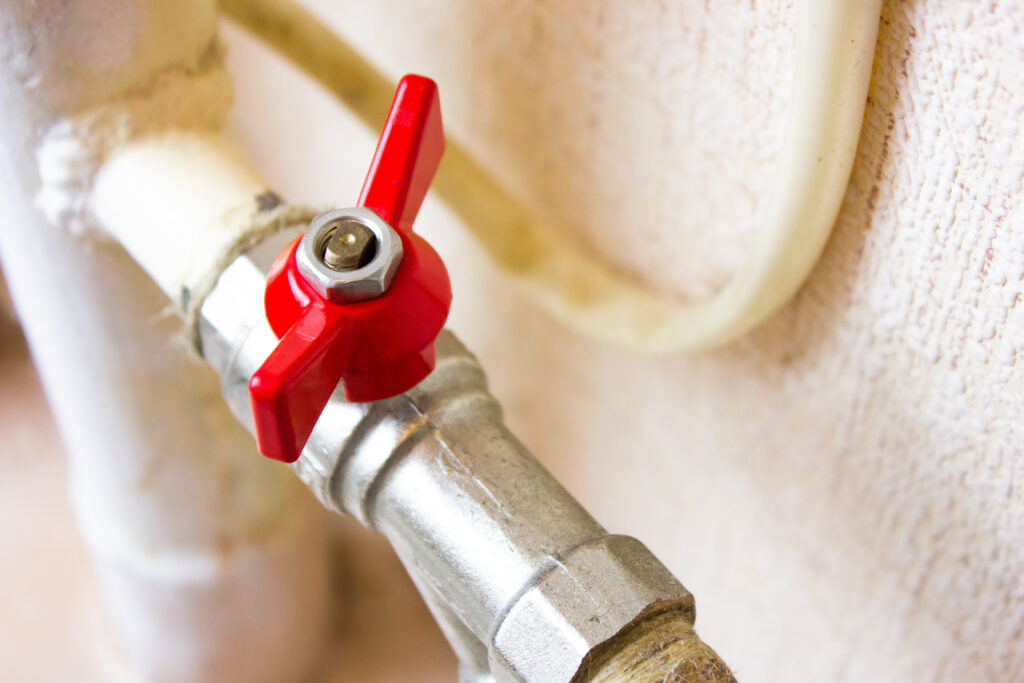
A brief whiff of gas at startup is normal as unburned gas escapes before ignition. However, a persistent or strong gas smell indicates a potential leak and requires immediate action — turn off the gas supply, ventilate the space, and contact your gas utility or a licensed technician before using the appliance again.
Why is my gas oven heating unevenly?
Uneven heating is commonly caused by a miscalibrated temperature sensor, blocked burner ports, or a damaged door seal. Rotating pans midway through cooking can help short-term, but the underlying issue should be diagnosed and repaired for consistent results.
Can a gas oven work without electricity?
Many gas ovens can be manually ignited with a match or lighter during a power outage, though electronic ignition systems will not function without power. The oven cavity itself can still be used once lit, but digital controls and interior lighting will remain off.
How often should a gas oven be professionally serviced?
A professional inspection every two to three years is a reasonable baseline for most households. If the oven is used heavily or is more than 10 years old, annual checkups are a smart precaution to catch wear before it becomes a repair emergency.
What is the average cost to repair a gas oven?
Repair costs vary widely by component. Igniter replacements typically range from $150 to $300 including labor. Control board repairs can run between $200 and $500. Gas valve replacement often falls in the $200 to $400 range. These figures depend on your location and the specific appliance model.
Does a home warranty cover gas oven repairs?
Most home warranty plans that include appliance coverage will cover gas oven repairs caused by mechanical or electrical failure due to normal use. Coverage specifics vary by provider, so reviewing what components are included — particularly the control board and igniter — is important before selecting a plan.
How long does a gas oven igniter last?
A gas oven igniter typically lasts between 5 and 7 years under normal use. Frequent high-temperature cooking cycles and poor maintenance habits can shorten that lifespan. It is one of the more predictable repair items on a gas oven’s maintenance timeline.
Is a gas oven more energy-efficient than an electric oven?
Gas ovens generally have lower operating costs in areas where natural gas is priced competitively against electricity. However, electric ovens — particularly convection models — can be more energy-efficient in terms of heat distribution. The answer depends largely on your local utility rates and cooking habits.
What should I do if the gas oven burner lights but then goes out?
If the burner lights and then extinguishes shortly after, the most likely causes are a weak igniter that cannot sustain the flame, a malfunctioning gas valve, or a faulty thermostat that is cutting off the gas supply prematurely. This issue should be evaluated by a licensed appliance technician.