What It Really Costs to Change Your House Locks — And Why It Matters More Than You Think
Most homeowners do not think twice about their locks until something goes wrong. A key breaks off, someone moves out under bad terms, or you just bought the house and have no idea who has a copy of the old key. Suddenly, changing your locks moves to the top of the list. But how much does it actually cost, and is there a smarter way to approach the whole thing? There is more to it than just the price of a locksmith showing up at your door.
Understanding What Lock Replacement Actually Involves
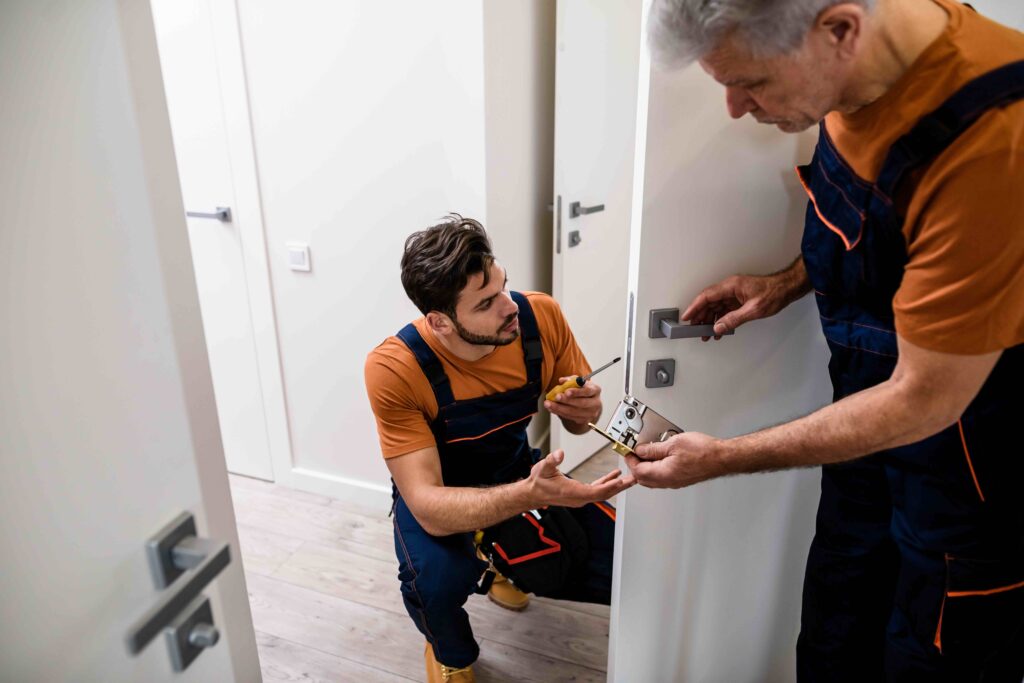
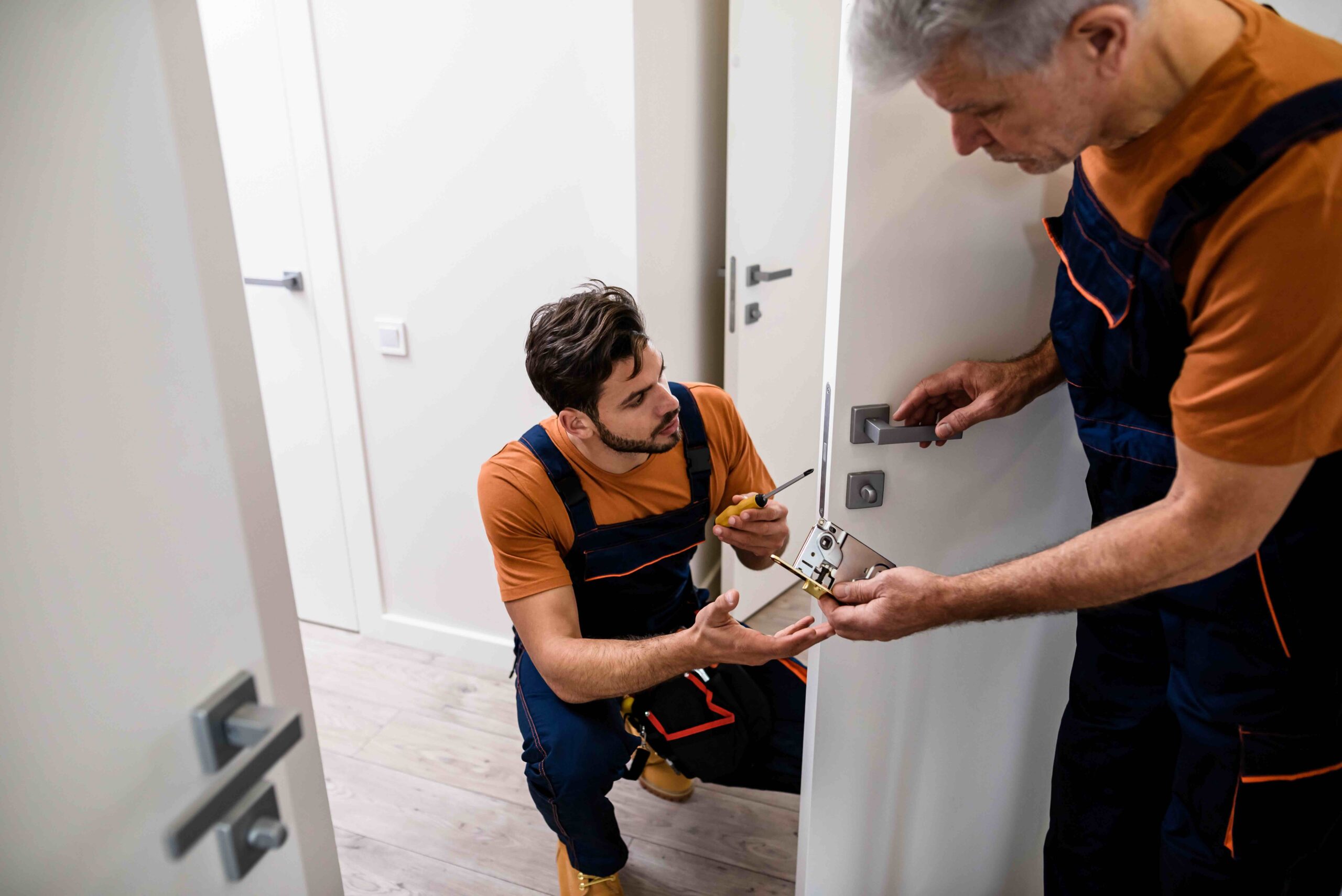
Changing a lock is not a one-size-fits-all job. The cost depends on the type of lock, the number of doors, where you live, and whether you are calling a locksmith or doing it yourself. A basic rekeying service, where the locksmith adjusts the lock cylinder so old keys no longer work, typically runs between $20 and $50 per lock. A full lock replacement, where the hardware is entirely swapped out, usually costs between $75 and $200 per lock when you factor in both parts and labor. Upgrading to high-security or smart lock systems can push that number to $300 or more per door. For a home with three or four exterior entry points, you are looking at a potentially significant out-of-pocket cost if you are not prepared.
Rekeying vs. Replacing — What Is the Difference and Which Should You Choose
This is where a lot of homeowners get confused, and honestly, it is a fair question. Rekeying means a locksmith adjusts the internal pins of your existing lock so that only a new key will work. It is faster, cheaper, and perfectly effective in most situations. Lock replacement means the entire lock hardware, including the cylinder, knob or lever, and deadbolt, gets removed and installed fresh. If your locks are outdated, damaged, or you want to upgrade to a smart lock system, replacement makes more sense. If the hardware is in good shape and you just want to cut off access from previous key holders, rekeying is the smarter and more cost-effective choice. Both options have legitimate use cases, and a qualified locksmith can help you determine which route fits your situation.

Common Scenarios That Trigger a Lock Change
There are several situations where changing your locks is not just a good idea — it is the responsible thing to do as a homeowner. Knowing these scenarios ahead of time helps you budget for it rather than get caught off guard.
- Moving into a newly purchased home where you do not know who has copies of the existing keys
- After a break-in or attempted forced entry, even if nothing was taken
- Following a divorce, separation, or a roommate moving out under difficult circumstances
- When keys are lost or stolen, especially with any identifying information attached
- After a contractor, house cleaner, or service provider had temporary key access
- When existing locks show signs of wear, rust, or mechanical failure
The Real Factors That Affect Lock Change Costs
Pricing for lock services varies more than most people expect, and the range can be wide enough to cause sticker shock if you are not informed going in. Geographic location plays a big role — urban areas tend to have higher labor rates than suburban or rural ones. Emergency or after-hours service calls add a premium, sometimes doubling the base rate. The type of door also matters; a solid wood door is easier to work with than a metal or fiberglass door with a complex frame. Finally, the brand and grade of lock you choose significantly affects the materials cost. Builder-grade locks are inexpensive, while commercial-grade or smart locks carry a higher price tag but often deliver better long-term value and security.
Smart Locks — Are They Worth the Extra Cost
Smart locks have become increasingly popular, and the reasons are fairly compelling. They eliminate the need for physical keys entirely, allow remote access control, and let you generate temporary codes for guests or service providers. Some models integrate directly with home security systems or smart home hubs. Installation for a smart lock typically costs between $100 and $300 for the hardware, plus $50 to $100 in professional installation labor depending on your setup. The ongoing value, though, goes beyond just the upfront number. You are not paying a locksmith every time someone loses a key. You are not rekeying after every contractor visit. That convenience has a real dollar value over time that offsets the higher initial investment.
DIY Lock Installation — When It Makes Sense and When to Call a Pro
Some homeowners are perfectly capable of replacing a standard doorknob lock or deadbolt on their own. The tools needed are minimal, and most lock manufacturers include clear installation instructions. If you are comfortable with basic home improvement tasks and the door frame is in good condition, a DIY replacement on a straightforward exterior door is a reasonable project. That said, there are situations where hiring a professional locksmith is the wiser call. High-security locks, smart lock installations involving wiring, older homes with unusual door configurations, or any situation where the door frame itself needs attention — these are scenarios where a professional’s expertise saves you time, money, and potential headaches down the road.
How Often Should You Change Your Locks
There is no universal rule, but most security professionals suggest evaluating your locks every few years and replacing them if you notice wear or reduced performance. More importantly, certain life events should trigger an immediate assessment regardless of time elapsed. Beyond those moments, a general inspection of your lock hardware every two to three years is a solid practice. Check for corrosion, loose components, and keys that feel sticky or difficult to turn. These are early indicators that a lock is approaching the end of its reliable service life. Staying ahead of the issue is far less stressful than dealing with a lock failure at an inconvenient moment.
How Home Warranties Relate to Lock and Security Hardware
It is worth understanding where home warranties fit into the picture when it comes to locks and entry hardware. Standard home warranty plans typically cover major systems and appliances — think HVAC, plumbing, electrical, and kitchen appliances. Locks, deadbolts, and door hardware generally fall outside the scope of most warranty plans because they are classified as security components rather than mechanical systems. That said, a comprehensive home warranty still provides meaningful financial protection for the systems and appliances that support the overall security and comfort of your home. When your garage door opener fails, your electrical panel needs attention, or a plumbing issue compromises access to your home, warranty coverage can be the difference between a manageable repair and an overwhelming expense.
Why Armadillo Home Warranty Is Worth Considering for Your Whole-Home Protection Strategy
Protecting your home goes well beyond changing the locks on your front door. It means having a reliable plan in place for the systems and appliances that keep your household running smoothly every single day. That is exactly what Armadillo was built for. As a trusted home warranty provider for homeowners focused on whole-home protection, Armadillo offers straightforward coverage plans designed without the confusing fine print that makes most warranty claims feel like a battle. Whether you are worried about your HVAC going out in the middle of summer or your water heater calling it quits unexpectedly, Armadillo steps in so you are not left managing those costs entirely out of pocket. If you are ready to take the next step, you can get a free home warranty quote tailored to your home’s systems and appliances in just a few minutes. Smart homeownership means planning ahead — and a home warranty is one of the most practical tools in that plan.
Frequently Asked Questions About Changing House Locks
Here are answers to some of the most common questions homeowners have about lock replacement, rekeying, and related costs.
How much does it cost to rekey a house lock?
Rekeying a single lock typically costs between $20 and $50 when performed by a licensed locksmith. Many locksmiths offer per-lock pricing, and the cost may decrease per unit if you are rekeying multiple locks at the same time.
Is it cheaper to rekey or replace locks?
Rekeying is almost always the cheaper option. It uses your existing hardware and only requires the internal pins to be reconfigured. Full lock replacement involves new hardware, which adds material costs on top of labor.
How long does it take to change a house lock?
A professional locksmith can typically rekey or replace a standard lock in 15 to 30 minutes per door. More complex installations, such as smart locks or high-security deadbolts, may take longer depending on the door setup.
Should I change locks when I buy a new house?
Yes, this is strongly recommended. You have no way of knowing how many copies of the existing keys are in circulation. Changing or rekeying the locks immediately after closing is one of the most practical security steps a new homeowner can take.
Can I change my own house locks without a locksmith?
Yes, for standard deadbolts and knob locks, most homeowners with basic DIY skills can handle a replacement. Smart locks or unusual door configurations may require professional assistance to ensure proper fit and function.
Do smart locks provide better security than traditional locks?
Smart locks offer enhanced access control and convenience features, but security depends heavily on the grade and brand you choose. High-quality smart locks can be as secure as traditional deadbolts while adding remote management capabilities.
Does a home warranty cover lock replacement?
Most standard home warranty plans do not cover locks or door hardware, as these are classified as security components rather than mechanical systems. Home warranties generally focus on major systems like HVAC, plumbing, and electrical, as well as covered appliances.
How often should house locks be replaced?
There is no fixed timeline, but most security experts suggest inspecting locks every two to three years and replacing them when you notice corrosion, difficulty turning the key, loose components, or after a significant life event such as a move or break-in.
What is the average cost to change all the locks in a house?
For a typical home with three to four exterior entry points, a full lock replacement using mid-grade hardware and professional labor can cost anywhere from $300 to $800 or more. Upgrading to smart locks on all entry points can push that figure higher.
What should I look for when hiring a locksmith?
Look for a licensed and insured locksmith with verifiable reviews and transparent pricing. Ask for a written estimate before work begins, and confirm they are familiar with the specific lock brand or system you want installed or serviced.