What Is In-Floor Heating and Why Are Homeowners Talking About It?
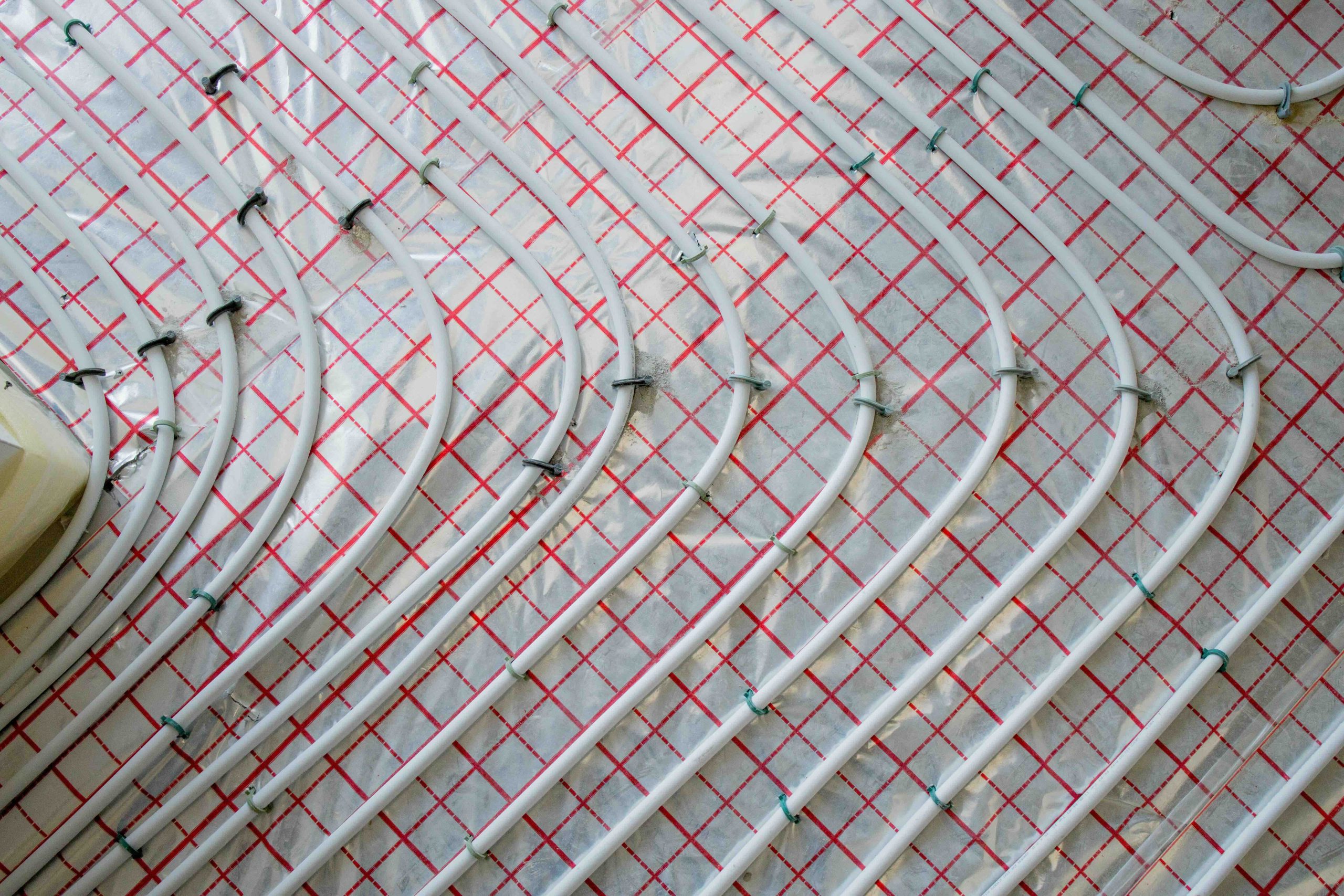
In-floor heating, also called radiant floor heating, is exactly what it sounds like. Heat comes from beneath your feet rather than from vents, baseboards, or radiators mounted on walls. The system works by warming the floor surface itself, which then radiates heat upward through the room evenly and gradually. There are two primary types: electric radiant systems, which use heating cables or mats installed beneath flooring, and hydronic systems, which circulate warm water through a network of tubing laid under the floor. Both approaches aim for the same result, which is consistent, comfortable warmth throughout a room without the noise, dust circulation, or uneven hot and cold spots that come with forced-air heating systems.
How Does In-Floor Heating Actually Work?
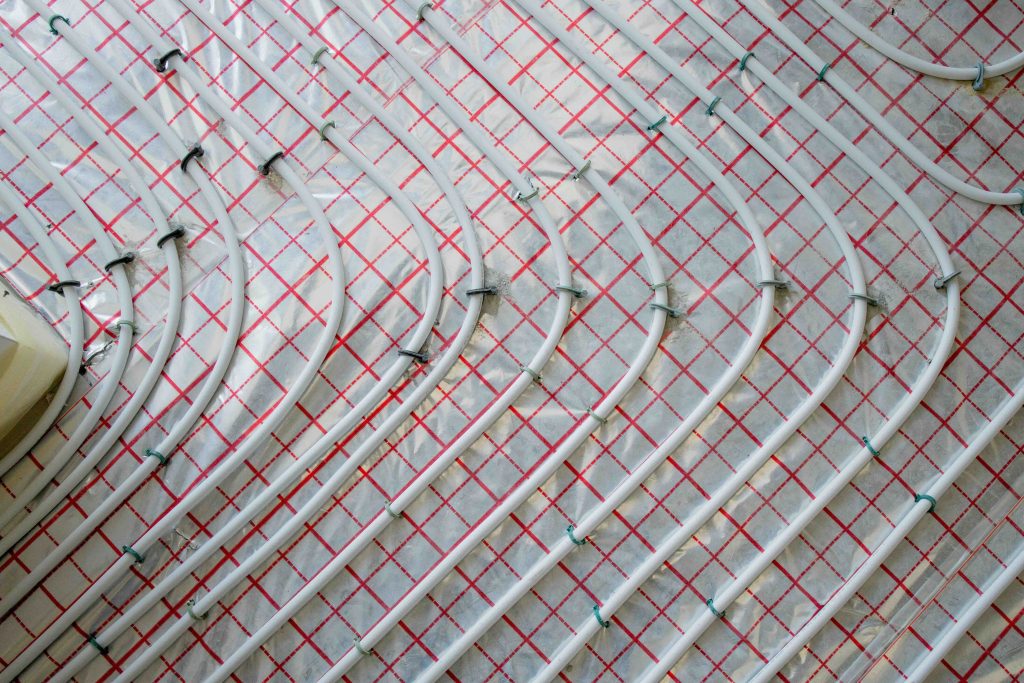
Electric radiant floor heating uses thin heating cables or pre-made mats embedded in mortar or installed just beneath finished flooring. When electricity passes through the cables, resistance generates heat that radiates upward into the room. These systems are typically connected to a thermostat and can be zone-controlled, meaning you can heat specific rooms independently. Hydronic radiant systems are more involved. A boiler heats water, which then circulates through flexible PEX tubing installed in a grid pattern beneath the floor. The tubing can be embedded in a concrete slab, installed in a thin layer of lightweight concrete over existing subfloors, or suspended beneath the subfloor between joists. Hydronic systems are generally more efficient over time because water retains and transfers heat more effectively than electrical resistance, but they require significantly more infrastructure to install.
How Much Does It Cost to Install In-Floor Heating?
This is usually the first question homeowners ask, and the answer depends heavily on the type of system, the size of the space, and the condition of the existing floors. Electric radiant systems are the more affordable option upfront. For a bathroom or small room, installation can run anywhere from $500 to $1,500 for materials and labor, though larger spaces will increase that range considerably. For whole-home electric radiant systems, costs can climb to $10,000 or more. Hydronic systems cost significantly more to install because of the boiler, tubing, and labor involved. Expect to pay between $6,000 and $20,000 or higher for a whole-home hydronic installation, depending on your home’s size and whether new flooring needs to be laid afterward. Retrofit installations, meaning adding radiant heat to an existing home rather than building it in during new construction, tend to cost more because of the additional labor required to access and modify existing floor structures.

Key Advantages of In-Floor Heating Systems
There are real, tangible reasons homeowners choose to invest in radiant floor heating beyond the novelty of warm floors in the morning. The benefits go well beyond comfort.
- Even heat distribution eliminates cold spots and drafts that forced-air systems commonly create
- Improved energy efficiency, particularly with hydronic systems, can reduce heating costs over time
- No ductwork means no air is circulated, which benefits people with allergies or respiratory sensitivities
- Radiant systems operate quietly with no blower noise or cycling sounds
- Zone control allows different rooms to be heated at different temperatures
- Compatible with a range of flooring types including tile, stone, hardwood, and laminate
The comfort factor is genuine and often underestimated. Stepping out of a shower onto a heated tile floor is a different experience than any forced-air system can provide. For rooms with high ceilings or large glass windows where heat tends to escape quickly, radiant systems are especially effective because they heat the objects and surfaces in a room rather than just the air.
Common Drawbacks to Consider Before Installing
In-floor heating is not a perfect solution for every home or every budget, and being realistic about the limitations is part of making a sound decision. The upfront cost is the most obvious barrier, particularly for hydronic systems. Installation is also disruptive because floors typically need to be removed and reinstalled, which adds cost and downtime. Radiant systems are slow to respond compared to forced-air heating. If you turn the heat up in the evening, you may not feel the full effect for an hour or two. This makes smart thermostat programming important for day-to-day usability. Not all flooring types work equally well with radiant systems. Thick carpet, for instance, acts as an insulator and significantly reduces efficiency. And while electric systems have fewer mechanical components that can fail, hydronic systems involve a boiler, pump, thermostat, and an extensive network of tubing, all of which introduce potential failure points over time.
Is In-Floor Heating Worth the Investment?
That depends on your priorities, your climate, and how long you plan to stay in your home. For homeowners in cold climates who are already planning a full renovation or building new, radiant floor heating is often worth the added investment, particularly hydronic systems that deliver long-term energy efficiency. For homeowners in milder climates or those looking to add warmth to a single bathroom or kitchen, an electric mat system is a relatively affordable upgrade with a high return in daily comfort. Resale value is another consideration. In-floor heating is considered a premium feature and can add appeal in competitive real estate markets, though it is difficult to quantify the return on investment precisely. Where the value calculation gets clearest is this: if you plan to live in the home for more than a decade, the daily quality-of-life improvement combined with potential energy savings makes a strong case for the investment.
What to Know Before You Hire a Contractor
Installation is not a weekend DIY project for most homeowners, especially for hydronic systems. Hiring an experienced contractor with specific radiant heating experience is essential. Before signing anything, ask for references from previous radiant installations, confirm that the contractor is licensed and insured in your state, and request a detailed written estimate that includes flooring removal and replacement, not just the heating system itself. Also verify that your electrical panel has adequate capacity if you are installing an electric system, and confirm that your existing boiler or water heater can support a hydronic addition if that is the route you are taking. Getting two to three competitive bids is standard practice and often reveals significant price variation for the same scope of work.
Flooring Compatibility and Practical Planning Tips
Not every floor material works the same way with radiant heat, and understanding the differences before you commit to a system can save you money and frustration. Tile and stone are the best conductors and retain heat efficiently, making them ideal for bathrooms and kitchens. Engineered hardwood performs well, though solid hardwood can expand and contract with heat cycles over time and should be carefully matched to the system. Laminate and luxury vinyl plank are generally compatible but require low-temperature radiant systems to avoid warping. Thick carpet should be avoided or paired with a higher-powered system to compensate for the insulating effect. Planning the thermostat schedule in advance is also smart. Because radiant systems respond slowly, programming them to begin warming up an hour before you wake or return home makes the experience far more seamless and prevents the temptation to manually crank the temperature, which wastes energy.
How Home Warranties Factor Into Radiant Floor Heating
Once your in-floor heating system is installed, protecting it becomes the next priority. Electric radiant systems have fewer moving parts, but the cables and thermostats can still fail. Hydronic systems are significantly more complex, with boilers, pumps, tubing connections, and zone controllers all subject to wear over time. Standard homeowners insurance typically does not cover mechanical breakdown of heating systems unless failure results from a covered peril like a fire or flood. That gap is exactly where a home warranty adds value. A quality home warranty plan covers the repair or replacement of major home systems and appliances that break down due to normal wear and use, which is precisely what happens with radiant heating components as they age.
When your system develops an issue, whether it is a failed heating mat, a faulty thermostat, or a component failure in your hydronic setup, having a warranty means you call one number rather than scrambling to find a contractor and negotiate costs on your own. Armadillo home warranty plans built for modern homeowners are designed to address exactly this kind of scenario, offering coverage that keeps pace with how people actually live in and invest in their homes today. If you have made the decision to install radiant floor heating, it makes sense to protect that investment alongside your other major systems. You can get a home warranty quote that covers your home heating system in just a few minutes and know exactly what you are covered for before a problem ever comes up. That kind of clarity is worth a lot, especially after a significant home investment.

Frequently Asked Questions About In-Floor Heating
Real answers to the questions homeowners actually search for before making this decision.
How much does it cost to install in-floor heating in a bathroom?
For a standard bathroom, electric radiant floor heating typically costs between $500 and $1,500 installed, depending on the size of the space, the type of flooring, and local labor rates. Larger or more complex bathrooms can push that figure higher.
Is hydronic or electric radiant floor heating better?
Hydronic systems are more energy efficient for whole-home heating and cost less to operate long term. Electric systems are more affordable to install and better suited for smaller areas like single rooms or bathrooms. The right choice depends on your budget, home size, and heating goals.
Can radiant floor heating be installed in an existing home?
Yes, but it is more complex and expensive than installing during new construction. Retrofit installations typically require removing existing flooring and may involve raising floor heights, which can create transitions between rooms. Electric mat systems are often easier to retrofit than full hydronic systems.
Does in-floor heating increase home value?
Radiant floor heating is considered a premium feature and can increase buyer appeal, particularly in colder markets. However, the direct increase in appraised value varies and may not fully offset the installation cost in every market.
How long does in-floor heating last?
Electric radiant heating cables and mats typically last 20 to 30 years when properly installed. Hydronic systems can last 30 to 50 years or more, though components like the boiler and pump will require maintenance and eventual replacement within that lifespan.
Does in-floor heating work under hardwood floors?
Yes, but engineered hardwood is preferred over solid hardwood because it is more dimensionally stable under heat cycling. Solid hardwood can warp or gap over time if the system operates at temperatures that are too high. Always check the flooring manufacturer’s guidelines before installation.
Is radiant floor heating energy efficient?
Hydronic radiant systems are notably energy efficient, often consuming 15 to 30 percent less energy than forced-air systems in well-insulated homes. Electric systems are efficient at the point of use but depend on local electricity rates, which can offset savings in some regions.
Does a home warranty cover radiant floor heating?
Coverage varies by provider and plan. Some home warranty plans cover heating systems broadly, which may include components of a radiant system such as the boiler or thermostat. It is important to review the specific terms of any warranty plan to confirm what is and is not included before purchasing.
Can I install electric radiant floor heating myself?
Some electric mat systems are marketed as DIY-friendly, and experienced homeowners with electrical knowledge have installed them successfully. However, most experts recommend professional installation to ensure proper connections, thermostat wiring, and compliance with local building codes, all of which affect both safety and warranty validity.
How long does it take for radiant floor heating to warm up a room?
Radiant systems are slower to respond than forced-air heating. Depending on the system and the floor material, it can take one to two hours to reach a comfortable temperature. This makes programmable or smart thermostats particularly important for getting the most out of a radiant system without wasting energy.