What Does It Mean to Dewinterize a Home?
Every spring, millions of homeowners face the same question: where do I even start? Dewinterizing a house is the process of reversing all the precautions taken before cold weather arrived, restoring water flow, inspecting systems that sat dormant for months, and making sure everything is ready to function safely and efficiently. Whether the home was a seasonal property, a vacation rental, or simply a house that was closed up during a prolonged absence, dewinterizing is not something to rush through. Done right, it protects your investment, prevents costly repairs, and sets the stage for a smooth spring and summer season.
Why Dewinterizing Is More Involved Than You Might Think
There is a tendency to treat dewinterizing like flipping a switch. You turn the water back on, the heat comes up, and you are done. That is not quite how it works. Pipes that sat under pressure changes, appliances that went weeks or months without use, and systems that were exposed to temperature swings all need careful attention before being brought back online. Skipping steps here can mean a flooded basement, a failed water heater, or a furnace that trips a safety shutoff on the first warm day you actually need it. The good news is that a methodical approach makes the whole process manageable, even if this is your first time doing it.
Starting with the Plumbing System
Plumbing is typically the most critical component to address when dewinterizing a home. If the pipes were winterized correctly, they were either drained or blown out with compressed air, and any remaining water was treated with antifreeze. To reverse that process safely, begin by locating the main shutoff valve and opening it slowly. A gradual pressure increase reduces the risk of joints and fittings failing under sudden stress. Move through the house and open each faucet individually, starting from the lowest floor and working upward. Let the water run until it flows clear and steady. If you used RV-safe antifreeze in the drains, flush each fixture thoroughly. Check under every sink, around the toilet bases, and behind appliances for signs of moisture or slow drips.
Inspecting Your Water Heater Before Turning It On
A water heater that has been sitting idle deserves its own inspection before you fire it up. Sediment buildup accelerates when units go unused, and the pilot assembly on gas heaters can deteriorate during extended downtime. Before restoring power or relighting the pilot, confirm that the water supply line to the unit is fully open and that the tank has filled completely. Running a water heater without water inside can permanently damage the heating element. Once you have confirmed water is present, check the pressure relief valve, look for corrosion around fittings, and inspect the area around the base for any signs of prior leaking. If anything looks questionable, have a licensed plumber or HVAC technician take a look before you proceed.

HVAC Systems Need Attention Too
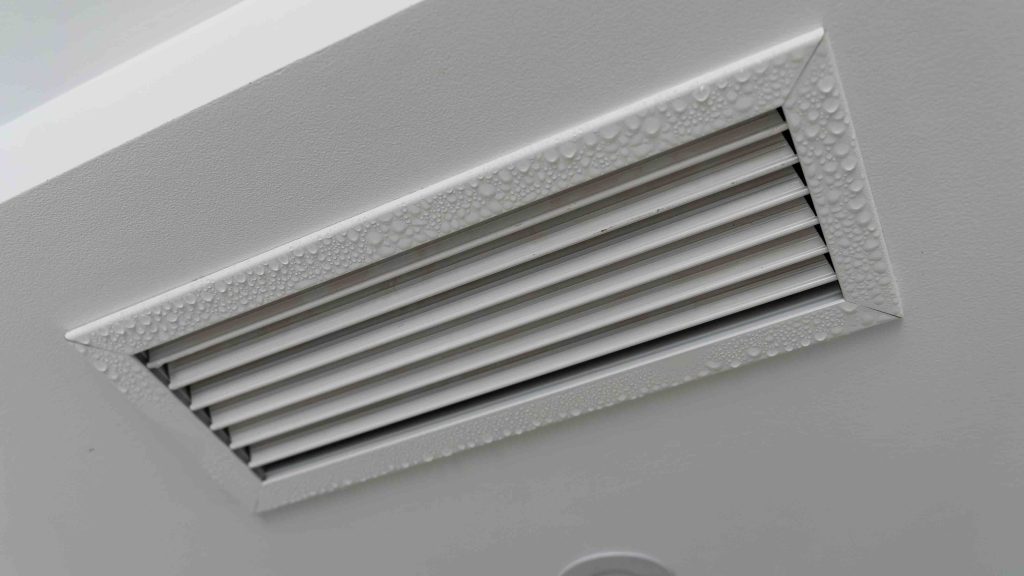
Heating and cooling systems are easy to overlook when the weather is just starting to warm up, but spring is actually the best time to get ahead of any issues. Check or replace the air filter, which may have collected dust and debris during the off-season. Inspect the area around your outdoor condenser unit for debris, leaves, or nesting animals that may have settled in during winter. Restore power to the system, set the thermostat, and listen for any unusual sounds during the first cycle. If you have a central air system, give it a full run before temperatures climb to a point where you actually need it. Catching a refrigerant issue or a failing capacitor now is far less stressful than discovering it on the first hot day of the year.
Checking the Exterior of the Home
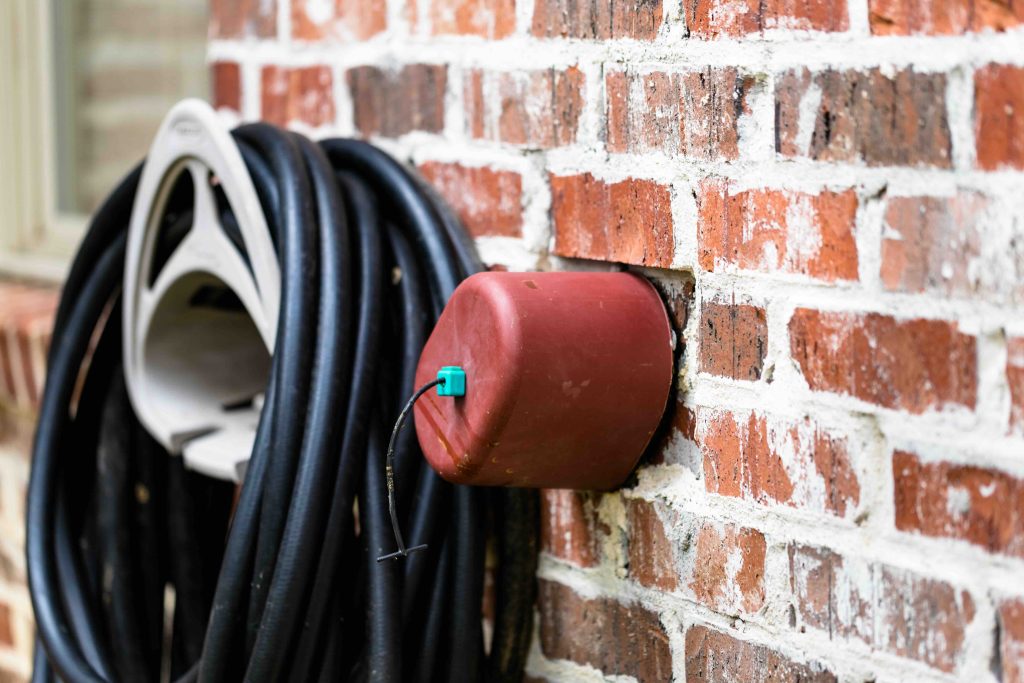
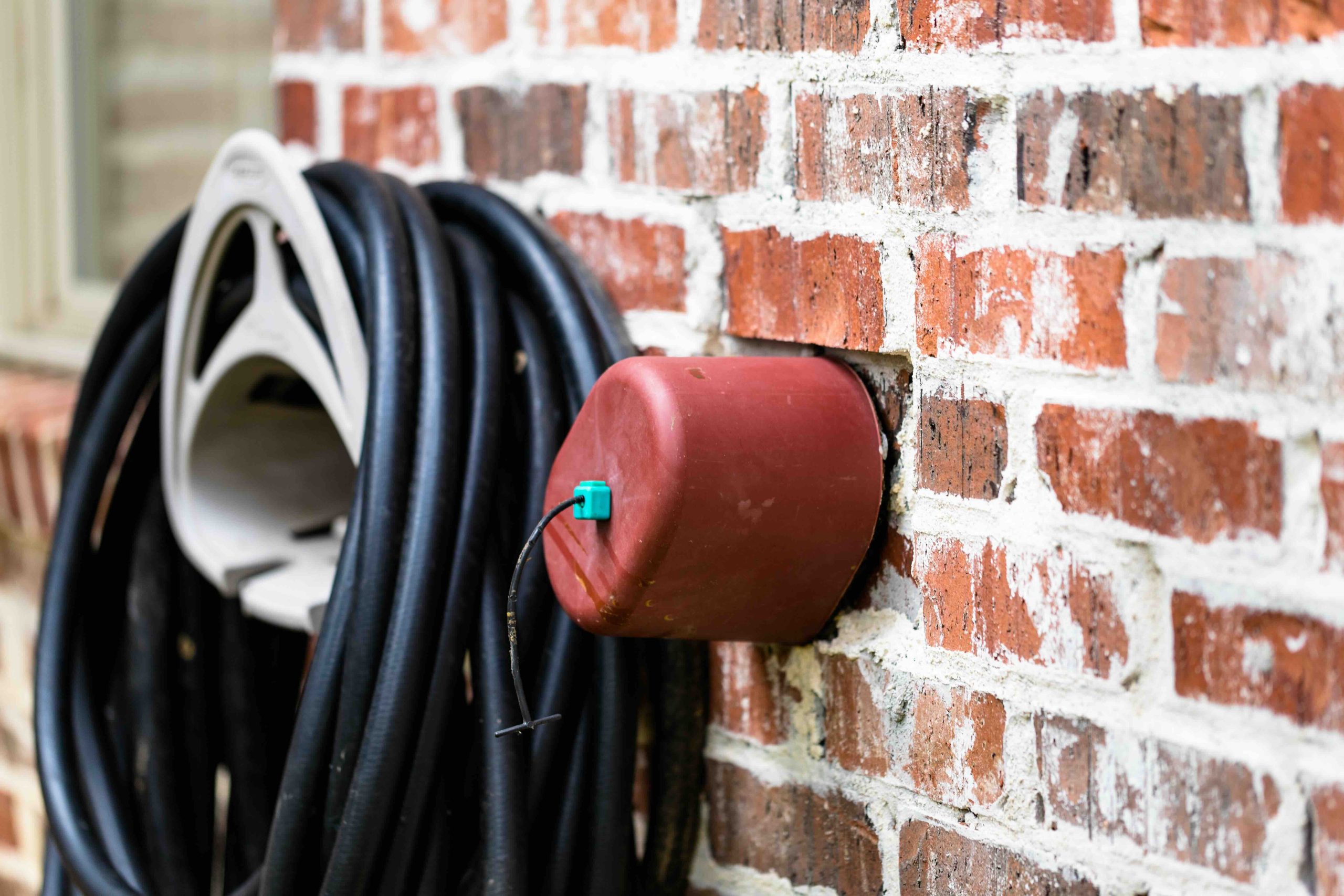
Dewinterizing is not only an interior project. Winter is hard on a home’s exterior, and a thorough walkthrough outside is essential. Look at the roof for missing, lifted, or damaged shingles that could allow water intrusion once spring rains arrive. Inspect the gutters for debris and make sure they are properly attached and draining away from the foundation. Check exterior hose bibs, which are the outdoor spigots, to confirm they were properly drained and show no signs of cracking from a hard freeze. If you have a deck or patio, look for warped boards, loose fasteners, or any signs of wood rot that developed under snow cover.
Common Problems Found During Dewinterization
Even with careful winterization, problems can surface when a home is brought back online. Some of the most frequently encountered issues include:
- Pinhole leaks in copper pipes caused by freeze-thaw expansion
- Water heater elements burned out from sediment or dry firing
- HVAC systems that fail to start due to tripped safety switches
- Cracked exterior hose bibs that were not fully drained before the freeze
- Sump pumps that failed during winter and were never noticed
- Pest intrusion in ductwork or behind appliances during the colder months
Knowing what to look for means you can address issues before they escalate. A small drip caught on day one is a very different repair bill than a slow leak that went undetected for two weeks after reopening the house.
Appliances and Electrical Systems
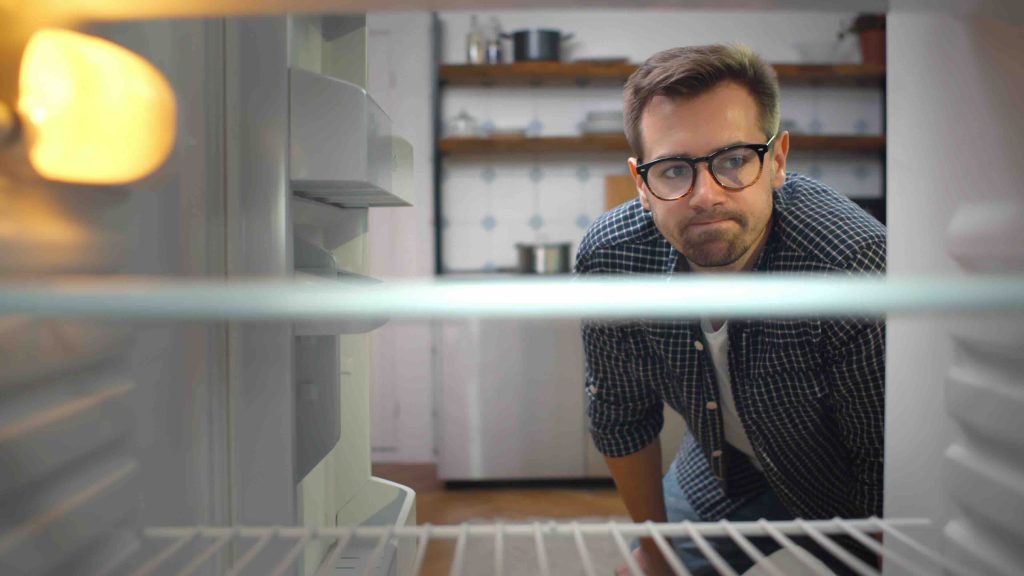
Restore power to appliances gradually and test each one individually. The refrigerator should be powered on and given several hours to reach temperature before loading it with food. The dishwasher, washing machine, and dryer each need a test run to confirm water connections are secure and drains are flowing properly. For homes that were completely shut off at the breaker panel, restore circuits one at a time and check GFCI outlets in kitchens, bathrooms, and garages for proper operation. Smoke and carbon monoxide detectors that sat unused should be tested and have their batteries replaced as part of the standard dewinterization routine.
Why a Home Warranty Makes Dewinterization Season Less Stressful
Dewinterizing a home brings a lot of moving parts back to life at once, and the reality is that any one of those systems can fail. When they do, repair costs can escalate quickly. That is exactly where having a reliable home warranty becomes a genuine advantage. Armadillo home warranty coverage for essential home systems and appliances is built to protect homeowners from unexpected repair and replacement costs on the systems they depend on most, including plumbing, HVAC, water heaters, and major appliances. When you are working through your dewinterization checklist and something breaks down, knowing you have coverage in place means you are calling a service professional, not your bank. If spring has you thinking about protecting your home the right way, now is the time to get a home warranty quote for seasonal home protection and see what a plan looks like for your property.

Frequently Asked Questions About Dewinterizing a Home
What is the first step in dewinterizing a home?
The first step is to restore the main water supply slowly by opening the main shutoff valve gradually, then moving through the home to open individual faucets and check for leaks before turning on any water-using appliances or systems.
How long does it take to dewinterize a house?
A thorough dewinterization typically takes between two and six hours depending on the size of the home, the number of systems involved, and whether any issues are discovered during the process.
Can I dewinterize my home myself, or do I need a professional?
Many homeowners can handle the basic steps of dewinterizing on their own, but it is advisable to have a licensed plumber inspect the water system and an HVAC technician evaluate the heating and cooling system, especially if the home was vacant for an extended period.
What happens if you forget to dewinterize a home before using water?
If antifreeze was used in the plumbing system and is not flushed out before use, it can contaminate drinking water. Additionally, turning on water before checking for pipe damage can result in flooding from cracks that formed during the winter.
How do I know if my pipes burst during winter?
Signs of a burst pipe include visible wet spots on walls or ceilings, a significant drop in water pressure when the supply is restored, water pooling in unexpected areas, or a water meter that continues to run even when all fixtures are closed.
Should I run all the faucets at once when dewinterizing?
It is better to open faucets one at a time, starting from the lowest level of the home and working upward. This allows air to escape the lines gradually and makes it easier to identify specific locations where pressure or flow issues exist.
Does a home warranty cover damage found during dewinterization?
Home warranties typically cover mechanical failures of covered systems and appliances but may not cover damage resulting from deferred maintenance or pre-existing conditions. Reviewing your specific plan terms will clarify what is and is not included in your coverage.
Is there anything I should do to my HVAC before the cooling season starts?
Yes, replace the air filter, clear debris from around the outdoor condenser unit, restore power to the system, and run a full cooling cycle before hot weather arrives. Scheduling a professional tune-up before peak season is also a sound investment.
What should I do with my outdoor hose bibs during dewinterization?
Inspect each exterior spigot for cracks or frost damage before attaching hoses. Turn on the water supply to the bib slowly and check for leaks at the wall connection. If any spigot shows signs of cracking or poor water flow, have it replaced before regular use.
How does dewinterizing differ from a routine home inspection?
Dewinterizing is a targeted process focused on restoring dormant systems to active use after cold weather exposure. A routine home inspection is a broader evaluation of the home’s overall condition and is typically conducted during a real estate transaction rather than at the start of a new season.