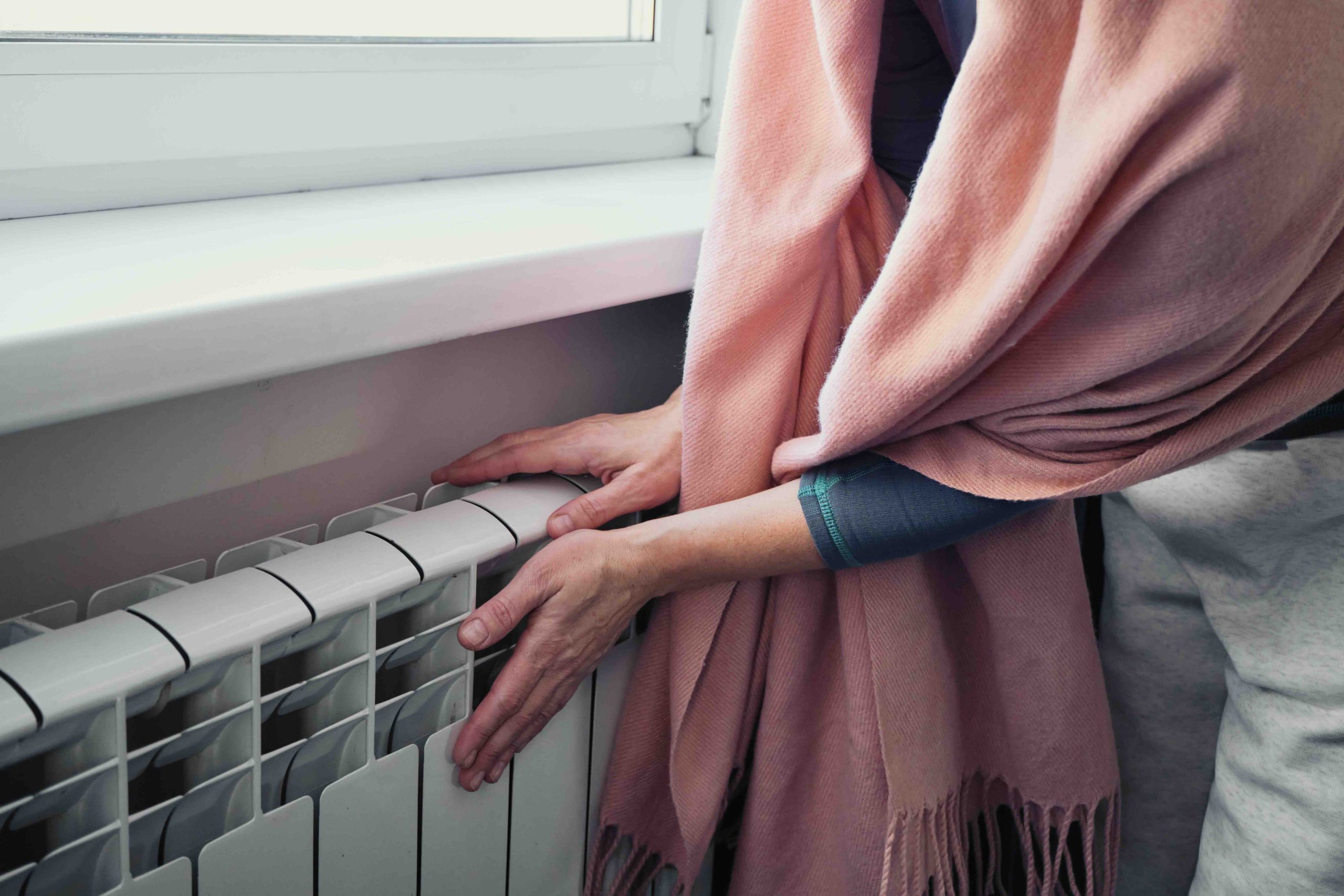
Why Your Home Feels Drafty and What You Can Actually Do About It
If you have ever walked past a window in January and felt a cold ribbon of air wrap around your ankles, you already know what a drafty house feels like. It is not just uncomfortable. It is expensive. That persistent chill means your heating system is working overtime to compensate for air that keeps sneaking in through gaps, cracks, and poorly sealed openings throughout your home. The good news is that fixing a drafty house is one of the most rewarding home improvement projects you can tackle, and most of the solutions are surprisingly accessible for the average homeowner.
What Actually Makes a House Drafty
A drafty house is essentially a leaky envelope. The building envelope refers to every surface that separates your conditioned interior from the outside world, including walls, floors, ceilings, windows, and doors. When that envelope has gaps, outside air infiltrates freely. Common culprits include deteriorating weatherstripping around doors, cracked caulking around window frames, gaps where pipes or wires pass through walls, poorly insulated attic hatches, and recessed lighting fixtures that open directly into unconditioned attic space. Older homes tend to suffer more simply because materials degrade over time, but even newer construction can develop air leakage issues as the house settles.
How Air Infiltration Affects Your Energy Bills
The U.S. Department of Energy estimates that air leakage accounts for 25 to 40 percent of the energy used for heating and cooling in a typical home. That is a significant number. When cold air enters through gaps, your furnace or heat pump has to run longer and harder to maintain the indoor temperature you have set. The result shows up on your utility bill month after month. Beyond energy costs, excessive air infiltration can also introduce moisture into wall cavities, which creates conditions favorable for mold growth and structural deterioration over time. So addressing drafts is not just about comfort. It is genuinely a long-term investment in your home’s health.

How to Find Drafts in Your Home
Before you fix anything, you need to find the source. There are a few reliable methods for locating air leaks. The incense stick test involves holding a lit incense stick near suspected problem areas on a windy day and watching for smoke disturbance. A more thorough approach is a professional blower door test, where a technician depressurizes your home and uses diagnostic equipment to identify exactly where air is entering. For most homeowners, a careful visual inspection combined with the hand or incense method will reveal the most significant leaks. Pay close attention to these common locations:
- Around window and door frames where caulking may have cracked or separated
- At the base of exterior walls where the sill plate meets the foundation
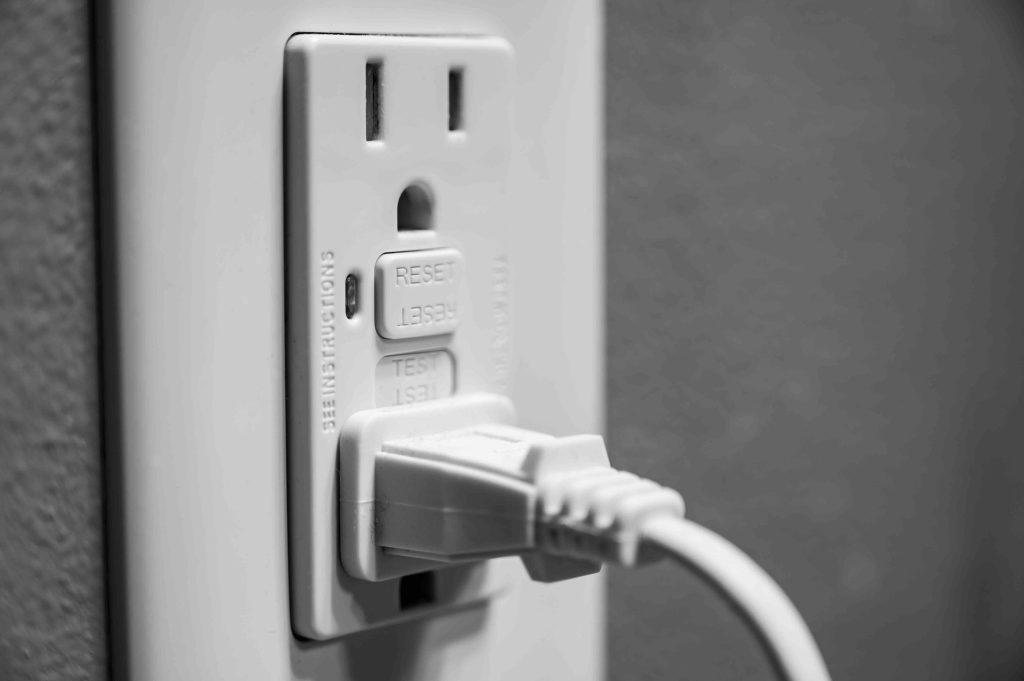
- Around electrical outlets and switch plates on exterior walls
- Where pipes, wires, or ducts penetrate walls, floors, or ceilings
- At attic access hatches and pull-down stair assemblies
Weatherstripping and Caulking: The First Line of Defense
For most homeowners, weatherstripping and caulking are the starting point, and for good reason. These are relatively low-cost materials that can deliver meaningful results when applied correctly. Weatherstripping is used on movable components like doors and operable windows. It compresses to form a seal when the door or window closes. Caulking, on the other hand, is used on stationary surfaces like the joint between a window frame and the surrounding wall. Both materials degrade over time due to temperature cycling, UV exposure, and general wear. Replacing them is typically a straightforward DIY task that requires basic tools and a few hours of time.
Insulation and Its Role in Stopping Drafts
Weatherstripping and caulk address air infiltration at specific points, but insulation addresses the broader thermal performance of your home. If your attic lacks sufficient insulation, heat rises and escapes constantly, creating a stack effect that pulls cold air in at lower levels of the house. The same principle applies to crawl spaces and rim joists. Adding insulation to these areas reduces the temperature differential between inside and outside, which in turn reduces the pressure driving air infiltration. Spray foam insulation is particularly effective for sealing irregular gaps and penetrations because it expands to fill voids that rigid materials cannot reach.
Windows and Doors: When Repair Is Not Enough
Sometimes weatherstripping and caulk can only do so much. Older single-pane windows, for example, lose heat through conduction as much as through air leakage. If your windows are original to a home built several decades ago, the frames may be warped or the glazing compound may have completely failed. In these cases, window replacement becomes a more practical long-term solution than repeated patching. Double or triple-pane windows with low-emissivity coatings significantly reduce heat transfer. Similarly, exterior doors that have warped or whose thresholds have worn down may simply need replacement rather than repair. The upfront cost is higher, but the combined benefit of reduced drafts and improved insulation value makes replacement worthwhile in the right circumstances.
Key Advantages of Sealing a Drafty Home
- Lower monthly heating and cooling costs through reduced energy consumption
- More consistent indoor temperatures and improved comfort in every room
- Reduced strain on your HVAC system, which can extend equipment life
- Better indoor air quality by limiting the entry of outdoor allergens and pollutants
- Potential increase in home resale value due to improved energy efficiency ratings
Common Drawbacks and Considerations to Keep in Mind
Sealing a home too tightly without addressing ventilation is a real concern worth understanding. Modern building science recognizes that homes need a controlled exchange of fresh air to maintain healthy indoor air quality. When you significantly reduce natural air infiltration, you may need to introduce mechanical ventilation through an energy recovery ventilator or heat recovery ventilator to compensate. Additionally, some draft-sealing projects involve working in attics or crawl spaces, which can be physically demanding and require appropriate safety precautions. Spray foam applications, while effective, should typically be handled by professionals when used in large quantities. And of course, window replacement is a substantial financial investment that should be evaluated carefully relative to the age and overall condition of your existing windows.

How Armadillo Helps Homeowners Protect What They Fix
Here is the thing: once you have invested time and money into sealing your home and optimizing its efficiency, the last thing you want is an unexpected system failure to undo that progress. A failing furnace in the middle of winter, for instance, turns a well-sealed home into an icebox fast. That is where a home warranty from Armadillo, a trusted home warranty provider for energy-conscious homeowners, becomes genuinely valuable. Armadillo covers the major systems and appliances that keep your home running, including your heating system, cooling equipment, plumbing, and more. When something breaks, you are not scrambling to find a contractor or absorbing a large unexpected repair bill on your own. You simply file a claim and let Armadillo handle the coordination. If you have been working hard to make your home more efficient and comfortable, it makes sense to also make it more protected. Take a moment to get a personalized home warranty quote for HVAC and home system coverage and see exactly what plan fits your home and your budget.
Frequently Asked Questions About Fixing a Drafty House
What is the most common cause of drafts in a house?
The most common cause is deteriorated weatherstripping and caulking around windows and doors. Over time, these materials crack, compress, or separate from surfaces, allowing outside air to enter freely.
Can I fix a drafty house myself or do I need a professional?
Many draft-sealing tasks like replacing weatherstripping, applying caulk, and adding outlet gaskets are well within DIY capabilities. Larger projects like spray foam insulation in a crawl space or a professional blower door test are better handled by qualified contractors.
How much can I save on energy bills by fixing drafts?
The U.S. Department of Energy estimates that properly sealing and insulating a home can reduce heating and cooling costs by 10 to 20 percent or more, depending on the severity of existing air leakage.
How do I know if my attic is causing drafts?
If certain rooms in your home are noticeably colder than others, especially on upper floors, inadequate attic insulation or air sealing is often the cause. Heat rising through the ceiling creates a negative pressure that draws cold air in at lower levels.
Does fixing drafts really extend the life of my HVAC system?
Yes. When a home is properly sealed, your heating and cooling equipment does not need to run as frequently or as long to maintain your target temperature. Reduced run time means less wear on components, which can meaningfully extend equipment lifespan.
What is a blower door test and should I get one?
A blower door test is a diagnostic procedure where a technician installs a calibrated fan in an exterior door frame and depressurizes the home to measure overall air leakage. It is the most accurate way to identify where drafts are entering and quantify how leaky your home actually is.
Is spray foam insulation safe to use in my home?
When fully cured, spray foam insulation is generally considered safe and is widely used in residential construction. During application, proper ventilation and protective equipment are necessary. For large-scale applications, hiring a licensed insulation contractor is recommended.
Can drafts cause moisture problems in my home?
Yes. When warm interior air meets cold surfaces through gaps in the building envelope, condensation can form inside wall cavities. Over time this moisture accumulation can lead to mold growth and deterioration of structural materials.
At what point should I replace windows instead of just resealing them?
If your windows are single-pane, have visibly warped or damaged frames, show signs of seal failure between panes, or consistently allow drafts even after weatherstripping is replaced, replacement is likely the more cost-effective long-term solution.
Does a home warranty cover damage caused by drafts or air leaks?
Home warranties typically cover mechanical system and appliance failures rather than structural issues like air leakage. However, if a draft-related problem such as excessive moisture causes a covered system component to fail, the repair may be eligible depending on your specific plan terms.