Why Your Craftsman Garage Door Opener Stopped Working and What to Do About It
There is something uniquely frustrating about pulling into the driveway and pressing the button on your Craftsman garage door opener, only for nothing to happen. No hum, no movement, just silence. Craftsman has been making garage door openers for decades and they are genuinely solid machines, but like any mechanical system in your home, things eventually go sideways. Before you call a technician or start shopping for a replacement, it helps to understand how these systems actually work, what tends to fail, and what you can do about it. That knowledge will save you time, money, and a fair amount of unnecessary stress.
How a Craftsman Garage Door Opener Actually Works
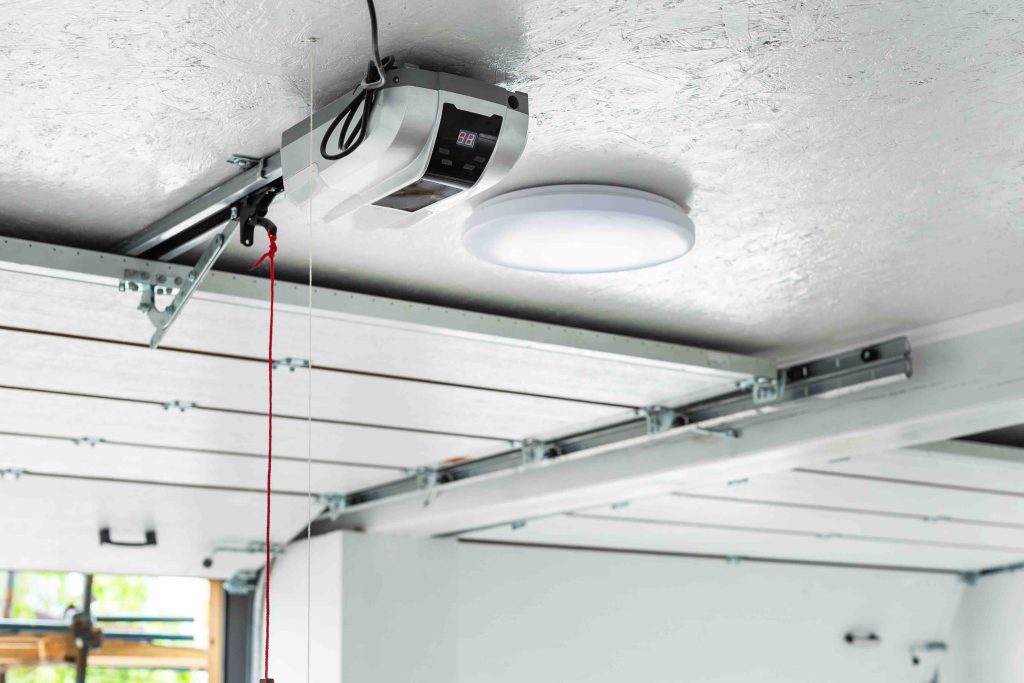
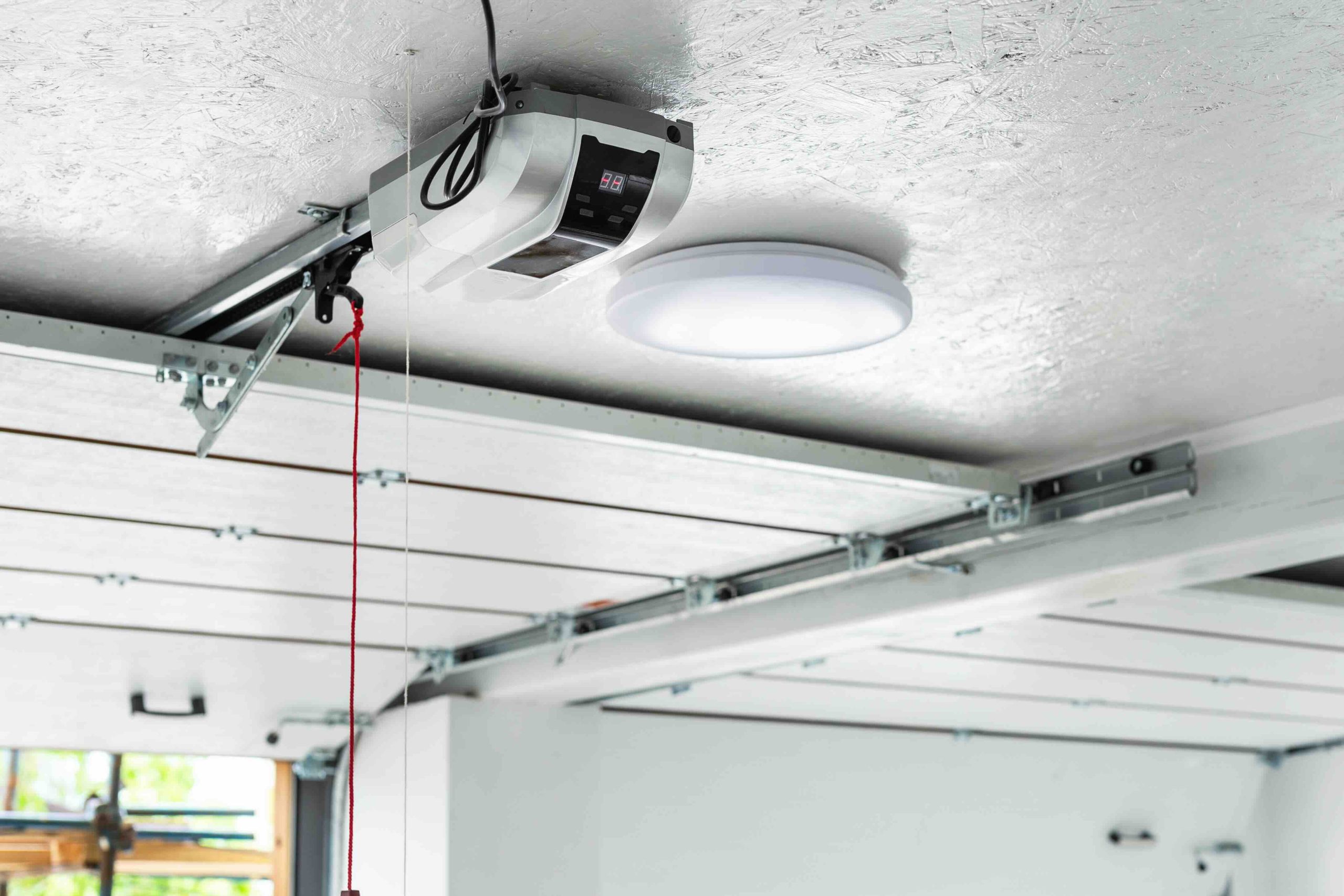
Most Craftsman garage door openers use a motor drive system, typically chain drive, belt drive, or screw drive, to move the door along a track. When you press the remote or wall button, a signal is sent to the motor unit mounted on the ceiling of your garage. That motor engages the drive mechanism, which pulls or pushes a trolley connected to the door. Safety features like photo-eye sensors near the floor and auto-reverse mechanisms are built into the system to prevent the door from closing on a person, pet, or object. The system also includes limit switches that tell the motor when to stop at the fully open or fully closed position. When any one of these components malfunctions, the whole operation breaks down, and suddenly you are standing in your driveway wondering what went wrong.
Common Craftsman Garage Door Opener Problems and Their Causes
Troubleshooting a Craftsman opener is not as complicated as it might seem. Most issues fall into a handful of recognizable categories, and many of them have straightforward fixes that do not require professional help. Here are the most frequently reported problems homeowners encounter:
- Remote or keypad not responding, usually caused by dead batteries, signal interference, or a need to reprogram the remote
- Door reverses before fully closing, often triggered by misaligned photo-eye sensors or incorrect limit switch settings
- Motor runs but the door does not move, which typically points to a broken drive gear, stripped trolley, or disconnected carriage
- Door opens but will not close, frequently caused by dirty or blocked sensor lenses or a sensor that has shifted out of alignment
- Opener makes grinding or clicking noises, usually a sign of worn gears or a failing motor capacitor
- Wall button works but remote does not, suggesting a remote programming issue or a dead battery
- No power to the unit at all, which could be a tripped breaker, a blown fuse in the unit, or a faulty power outlet
Step-by-Step Craftsman Garage Door Opener Troubleshooting
Start simple. Check the power source first. Plug another device into the same outlet to confirm it is live. If the outlet works, look at the motor unit itself for any indicator lights. Many Craftsman models have diagnostic LED codes that blink a specific number of times to indicate a particular fault, and your owner’s manual will decode those blinks for you. From there, move to the sensors. The photo-eye sensors are mounted a few inches off the ground on both sides of the door frame. Each one should have a small indicator light. If one is blinking or off entirely, gently clean the lens with a soft cloth and check that both units are pointed directly at each other. Even a slight bump can knock them out of alignment. After sensors, inspect the drive mechanism. Look for visibly broken teeth on the drive gear, a disconnected trolley, or a loose chain or belt. These are physical inspections you can do yourself with the door in the closed position and the opener unplugged.

When to Reprogram Your Craftsman Remote or Keypad
If the motor unit is functioning but your remote or keypad has stopped communicating with it, reprogramming is usually the fix. Craftsman openers use a Learn button on the motor unit, typically colored yellow, purple, or orange depending on the model, to sync remotes and keypads. Press and release the Learn button, then within 30 seconds press and hold the button on your remote until the opener’s lights flash. For keypads, you enter a PIN and then press and hold the Enter key until the lights confirm the sync. If you have recently experienced a power surge or the opener reset itself, all previously programmed devices may need to be re-linked. This process takes less than five minutes once you locate the Learn button, and it resolves a surprising number of remote-related complaints.
Sensor Alignment and Safety Feature Resets
The photo-eye sensors are responsible for a large percentage of Craftsman opener complaints. These sensors create an invisible beam across the bottom of the garage door opening. If something interrupts that beam or if the sensors lose alignment, the opener will refuse to close the door or will reverse immediately after starting to close. Aligning them is straightforward: loosen the mounting bracket slightly, adjust the sensor until the indicator light is steady, and retighten. If both sensors show solid lights and the door still will not close, check for sunlight hitting the sensor lens directly, which can cause interference. Repositioning the sensor slightly or adding a shade to the lens usually corrects the issue.
Drive System Wear and When Replacement Parts Make Sense
Craftsman garage door openers are built to last, but the drive components wear down over time, especially in climates with temperature extremes. The drive gear, which connects the motor to the drive mechanism, is a common wear item and is relatively inexpensive to replace. If you hear grinding during operation, that gear is the likely culprit. Replacement gear kits are widely available and designed to be DIY-friendly. However, if the motor itself is failing, typically indicated by humming without movement or excessive heat, the math often favors replacing the entire opener, particularly on units over ten years old. Labor costs for motor replacement on an older unit can approach the cost of a brand-new opener with updated safety features and a warranty.
Key Advantages of Craftsman Garage Door Openers
Craftsman has built a loyal following for good reasons. Their openers are widely distributed, which means replacement parts are easy to find without special ordering. The brand has a long history with chain-drive and belt-drive systems that are known for reliability when properly maintained. Many current models include rolling code technology, which changes the remote signal after every use to prevent unauthorized access. Craftsman units are also compatible with a range of smart home accessories, allowing homeowners to monitor and operate the garage door remotely through a connected device. For the price point, the value proposition is strong, particularly for homeowners who want dependable performance without premium pricing.
Common Drawbacks Worth Knowing Before You Troubleshoot
No system is without its limitations. Craftsman chain-drive models, while durable, can be noisy enough to disturb light sleepers if the garage is adjacent to a bedroom. Older Craftsman units may use fixed codes rather than rolling codes, which presents a security concern that is worth addressing. Availability of original Craftsman parts has occasionally been inconsistent, depending on which retailer carries the specific model’s components. Additionally, while the DIY repair process is manageable for common issues like sensors and remotes, problems involving the motor, circuit board, or limit switch assembly may require a trained technician to avoid voiding any remaining warranty or causing further damage.
How a Home Warranty Can Protect Your Garage Door Opener Investment
Here is where things get practical. Garage door openers are mechanical systems, and mechanical systems fail. When your Craftsman opener stops working, the last thing you want is to absorb an unexpected repair or replacement bill out of pocket. That is exactly where a home warranty earns its value. Armadillo home warranty coverage for garage door openers and major home systems is built to give homeowners a financial safety net when these breakdowns happen, because they will happen eventually. Armadillo offers straightforward coverage with transparent terms, so you are not left parsing fine print when something goes wrong. If your Craftsman opener is starting to show its age or you have already dealt with one too many unexplained malfunctions, now is a good time to think proactively. You can get a free home warranty quote that covers your garage door opener and home systems in just a few minutes. Peace of mind for your garage and everything else under your roof is a reasonable thing to want, and Armadillo makes it genuinely accessible.

Frequently Asked Questions About Craftsman Garage Door Opener Troubleshooting
Homeowners dealing with Craftsman opener issues tend to have a lot of the same questions. Here are clear, direct answers to the ones that come up most often.
Why is my Craftsman garage door opener not responding to the remote?
The most common causes are dead batteries in the remote, a remote that has lost its programming, or signal interference from nearby devices. Start by replacing the batteries, then reprogram the remote using the Learn button on the motor unit if the problem persists.
Why does my Craftsman garage door reverse before it closes completely?
This is almost always a sensor issue. Check that both photo-eye sensors have solid indicator lights and are aimed directly at each other. If one is blinking or off, clean the lens and realign the sensor. Incorrect close-limit switch settings can also cause this behavior.
What does the blinking light on my Craftsman opener mean?
Craftsman openers use blink codes on the motor unit’s LED to indicate specific faults. Count the number of blinks and refer to your owner’s manual or the label on the inside of the motor unit cover to identify the corresponding issue.
How do I reset my Craftsman garage door opener?
To perform a factory reset on most Craftsman models, press and hold the Learn button for approximately six seconds until the indicator light turns off. This erases all programmed remotes and keypads, and you will need to reprogram each device afterward.
My Craftsman opener hums but the door does not move. What is wrong?
A humming motor with no door movement typically means the drive gear is stripped or the trolley has disconnected from the drive mechanism. Unplug the unit, inspect the gear and trolley visually, and replace worn components. If the motor sounds strained and is hot to the touch, a failing motor capacitor may be the cause.
How long do Craftsman garage door openers typically last?
With proper maintenance, most Craftsman garage door openers last between 10 and 15 years. Drive gears, remotes, and sensors may need replacement during that lifespan, but the motor unit itself is built for extended service when not subjected to excessive use or environmental stress.
Can I replace the drive gear on a Craftsman opener myself?
Yes, for most homeowners this is a manageable DIY repair. Gear and sprocket replacement kits are available for common Craftsman models and typically include all necessary hardware. Unplug the opener, follow the kit instructions carefully, and ensure the door is fully closed and disconnected before beginning.
Why does my Craftsman opener work with the wall button but not the remote?
This indicates a communication problem between the remote and the motor unit, not a motor fault. Replace the remote’s battery first. If that does not work, reprogram the remote to the opener using the Learn button. If the remote still fails, the remote itself may need replacement.
Are Craftsman garage door openers compatible with smart home systems?
Many newer Craftsman models are compatible with smart accessories that allow app-based monitoring and control. Compatibility varies by model, so verify your unit’s specifications before purchasing any smart home add-on device. Some models support direct integration while others require a bridge accessory.
Does a home warranty cover garage door opener repairs?
Coverage depends on the specific home warranty plan. Many home warranty providers, including Armadillo, offer coverage for mechanical components of garage door openers, including the motor and drive system. Review the coverage terms for your specific plan to understand what is and is not included before a repair situation arises.