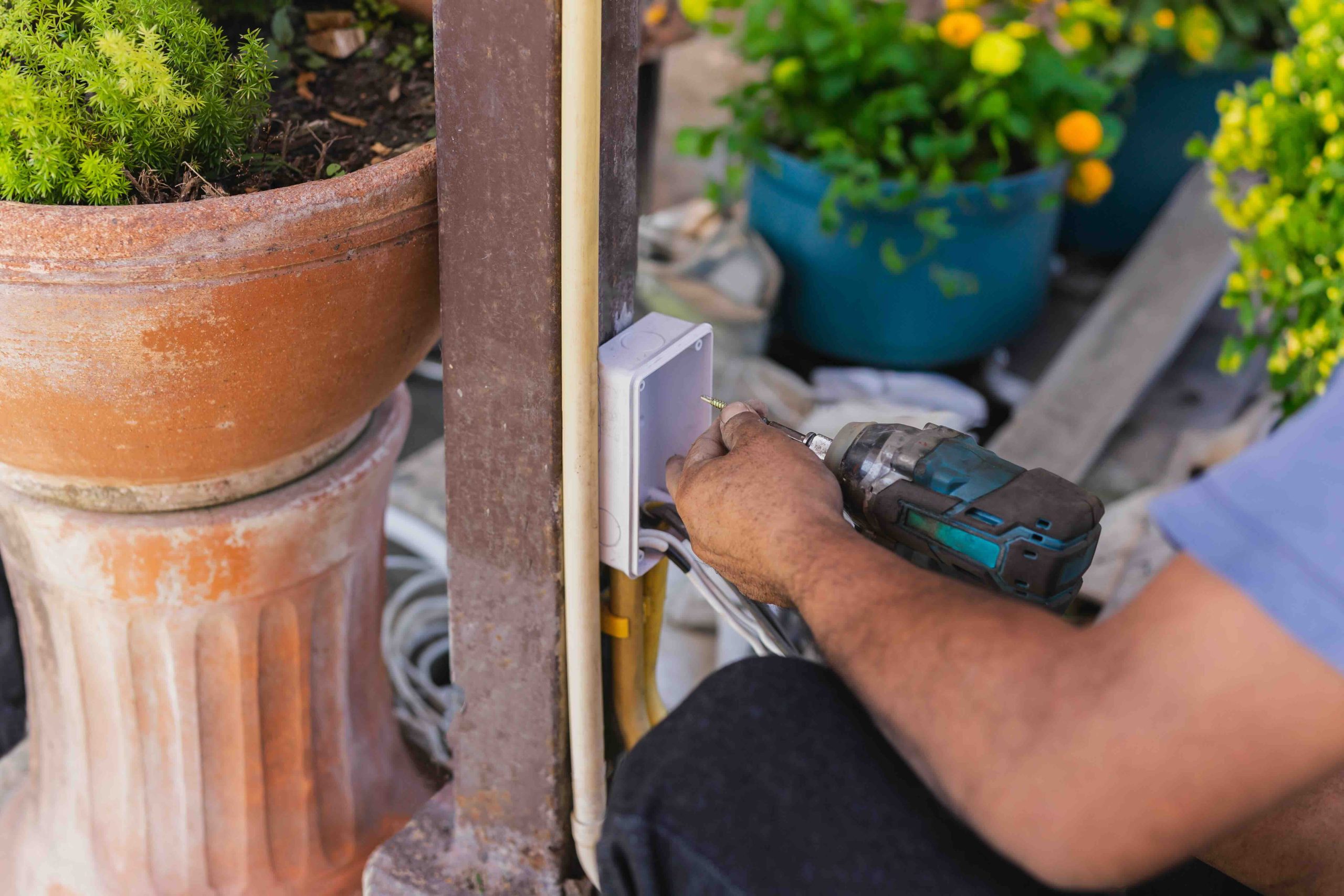
What Are Outdoor Electrical Outlet Boxes and Why Does Your Home Need Them?
If you have ever tried to power a string of lights on your patio, charge something in the garage, or run a tool in the backyard only to find yourself hunting for an extension cord that barely reaches, you already understand the frustration. Outdoor electrical outlet boxes solve that problem directly. These weatherproof enclosures house electrical receptacles on the exterior of your home, giving you safe, convenient access to power where you actually need it. They are not just a convenience feature either. In many municipalities, they are required by code on new construction. Understanding how they work, what makes them different from indoor outlets, and where potential problems show up can save you money and keep your home safer over the long run.
How Outdoor Electrical Outlet Boxes Actually Work
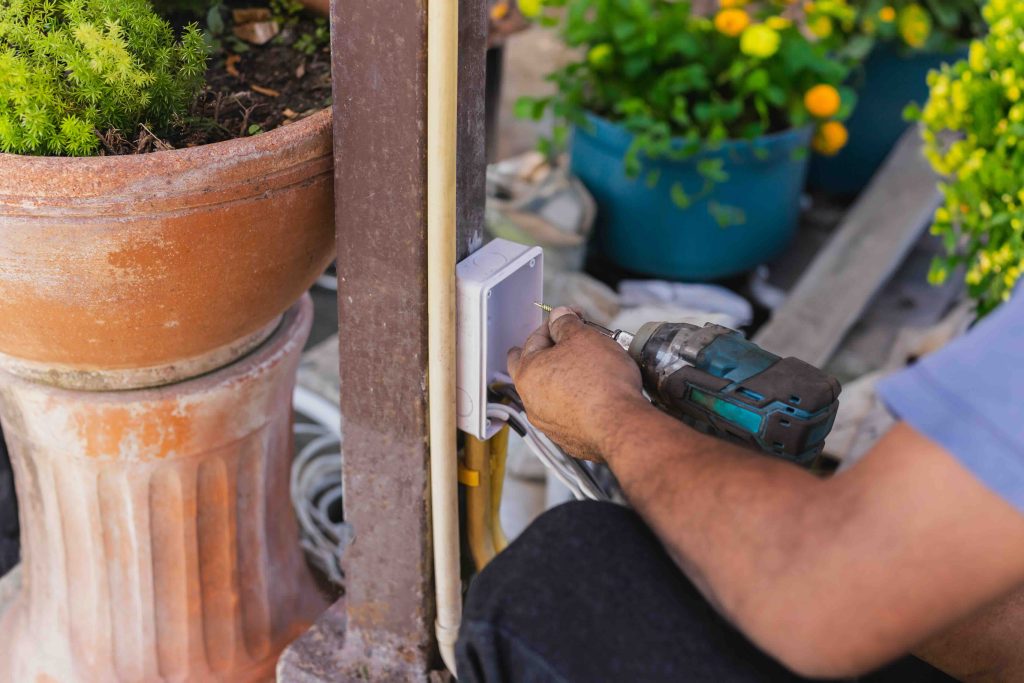
At their core, outdoor outlet boxes function the same way interior outlets do. They connect to your home’s electrical system and deliver power on demand. The critical difference is in how they are built and protected. Outdoor boxes are constructed from materials that resist moisture, UV exposure, and temperature swings. The housing itself is typically made from weatherproof plastic or metal, and the cover is designed to seal tightly when the outlet is not in use. Most modern outdoor outlet boxes use what are called in-use covers, which are bubble-style covers that remain sealed even when a cord is plugged in. Inside the box, the receptacle is connected to a dedicated circuit that runs from your main electrical panel. Critically, outdoor outlets are required by the National Electrical Code to be ground fault circuit interrupter protected, more commonly known as GFCI. This protection automatically cuts power if the circuit detects any unintended path of electricity, such as current traveling through water or a person. That layer of protection is what separates a safe outdoor setup from a dangerous one.
Types of Outdoor Electrical Outlet Boxes You Should Know
Not every outdoor outlet box is the same, and the right choice depends on where it will be installed and how it will be used. Here is a breakdown of the most common types homeowners encounter:
- Standard weatherproof boxes with flip covers: Basic protection, suitable for covered porch areas with limited direct weather exposure
- In-use or while-in-use covers: These dome-shaped covers allow cords to remain plugged in while still maintaining a weatherproof seal, required in most exposed locations
- Recessed outlet boxes: The receptacle sits deeper inside the box, offering a flush profile ideal for mounting near outdoor furniture or on flat wall surfaces
- Portable outdoor outlet boxes: These plug-in units extend power temporarily without permanent wiring and are useful for events or seasonal setups
- Underground feed boxes: Installed at ground level or on low posts, these serve areas like garden beds, driveways, or landscape lighting runs
Each type has its own installation requirements and appropriate use cases. A covered porch may do fine with a basic weatherproof cover, while a fully exposed backyard wall demands an in-use rated enclosure at minimum.
The Key Advantages of Having Outdoor Electrical Outlets
Beyond eliminating extension cord chaos, properly installed outdoor outlet boxes add real, measurable value to your home. Outdoor entertaining setups, holiday lighting, power tools, electric lawn equipment, and EV charging all depend on accessible exterior power. Having multiple well-placed outdoor outlets also reduces the temptation to run cords through windows or doors, which creates its own set of hazards including damaged insulation and tripped breakers. From a home value perspective, buyers notice well-thought-out electrical layouts. A backyard with power available at multiple points is a practical selling feature. Additionally, because outdoor GFCI outlets are designed to cut power almost instantly at any sign of a fault, they dramatically reduce the risk of electrical fires and electrocution compared to improvised setups using indoor extension cords outdoors.
Common Drawbacks and Challenges to Plan For
Outdoor outlet boxes do come with a few consistent challenges that homeowners should understand before installation or before ignoring an existing one. Weather exposure is the primary long-term enemy. Even the best-rated outdoor enclosures can develop cracks, gasket wear, or corrosion over time. When moisture gets inside, it creates a direct path toward electrical faults. Cold climates introduce their own problems, as expanding and contracting materials eventually degrade seals. Another common issue is nuisance tripping on GFCI outlets, where the circuit cuts power during normal use. This can happen with certain types of equipment that have small ground leakage currents, which the GFCI interprets as a fault even when no real hazard exists. Finally, adding outdoor outlets to an older home often means the existing electrical panel may not have capacity for additional circuits, which turns a straightforward project into a more involved electrical upgrade.

Outdoor Outlet Box Placement: Getting It Right the First Time
Placement is one of those decisions that seems minor until you realize your outlet is on the wrong side of the house or too high to be practical. A few general principles apply here. Front-facing outlets should be placed near the entry or garage for holiday lighting and general convenience. Rear outlets should account for where outdoor cooking, dining, and entertainment actually happen. Side yard outlets are often overlooked but are invaluable for irrigation controllers and tool access. The NEC currently requires at least one outdoor outlet at the front and one at the rear of a dwelling, but most electricians recommend going beyond that minimum. Height matters too. The bottom of the outlet box should be at least eighteen inches above finished grade to reduce the chance of water intrusion from ground-level splashing. Outlets near pools or fountains fall under additional code requirements, including specific distance rules and equipment ratings.
Installation: What the Process Actually Involves
Homeowners with solid DIY experience can sometimes handle an outdoor outlet installation when the new outlet is near an existing interior outlet on an exterior wall. However, most scenarios benefit from a licensed electrician. The process typically involves running conduit or wire through the wall, connecting to an appropriate circuit or adding a new one at the panel, mounting the weatherproof box securely to the exterior surface, and installing an in-use rated cover. Any penetration through the home’s exterior envelope needs to be properly sealed to prevent both moisture intrusion and pest entry. Permits are often required, especially when adding new circuits, and inspections may follow. Skipping the permit process is a common mistake that can complicate home sales later and may void homeowner’s insurance claims related to electrical issues.
Maintenance Tips to Keep Outdoor Outlets Safe and Functional
Once installed, outdoor outlet boxes need occasional attention to stay in good working order. These are the maintenance habits that make a real difference:
- Test GFCI outlets monthly by pressing the test and reset buttons to confirm the protection circuit is functioning
- Inspect covers and gaskets annually for cracks, warping, or compression failure, and replace them before moisture enters
- Clear debris from around the box that could trap moisture or block the cover from closing fully
- After severe weather, visually check for displaced covers or visible damage to the box housing
- If an outlet stops working, check whether the GFCI has tripped before assuming the outlet itself has failed
These steps take minutes but significantly extend the functional life of outdoor electrical components. Proactive inspection catches small problems before they develop into fire hazards or costly repairs.
When Outdoor Outlet Issues Signal a Bigger Electrical Problem
An outdoor outlet that repeatedly trips, fails to reset, shows scorch marks, or delivers inconsistent power is not just an isolated inconvenience. These symptoms often point to wiring issues within the circuit, deterioration of the outlet itself, or problems upstream at the panel. Moisture intrusion into the box can corrode contacts and damage the receptacle in ways that are not always visible from the outside. If you notice burning smells, warm outlet covers, or flickering connected devices, those are signs that something beyond routine maintenance is needed. At that point, a licensed electrician should inspect the entire circuit rather than just the outlet. Electrical issues that go unaddressed have a tendency to escalate, and the cost of a service call is considerably less than the cost of fire damage or an insurance claim denial due to deferred maintenance.
How a Home Warranty Helps Protect Your Electrical System, Including Outdoor Outlets
Here is where things get practical in a way that can genuinely save you money. Outdoor electrical outlet boxes are part of your home’s broader electrical system, and when components within that system fail due to normal wear and tear, repair costs add up faster than most homeowners expect. That is exactly the kind of situation a home warranty is built for. Armadillo home warranty coverage for electrical systems and home components is designed to take the financial sting out of unexpected failures, covering the systems you rely on daily without the guesswork of wondering whether a repair is covered. If a covered electrical component stops functioning, you are not left scrambling for a contractor and hoping the bill is manageable. Instead, you have a plan in place. Whether you are a first-time homeowner trying to understand what you own or a seasoned homeowner looking to reduce financial exposure on aging systems, the right warranty matters. Take a few minutes to get a personalized home warranty quote that covers your electrical system and outdoor components and find out exactly what protection looks like for your specific home.

Frequently Asked Questions About Outdoor Electrical Outlet Boxes
These are the questions homeowners ask most often when it comes to outdoor electrical outlet boxes, answered directly and clearly.
Are outdoor electrical outlets required by code?
Yes. The National Electrical Code requires at least one outdoor GFCI-protected outlet at both the front and rear of a single-family home. Local codes may have additional requirements beyond this national minimum.
What is the difference between a weatherproof outlet and a GFCI outlet?
Weatherproof refers to the physical enclosure protecting the outlet from moisture and debris. GFCI refers to the electrical protection built into the outlet itself that cuts power when a ground fault is detected. Outdoor outlets need both features, not just one.
Can I install an outdoor outlet myself?
Homeowners with electrical knowledge can sometimes complete this project on a limited scale, but a permit is typically required, and any work involving the main panel or new circuits should be handled by a licensed electrician to ensure code compliance and safety.
Why does my outdoor GFCI outlet keep tripping?
Frequent tripping can result from moisture inside the box, a faulty outlet, or connected equipment with small ground leakage currents that the GFCI interprets as a fault. A licensed electrician can diagnose whether the issue is the outlet, the wiring, or the equipment being used.
How often should outdoor outlets be inspected?
A visual inspection should happen at least once a year, ideally in early spring. GFCI functionality should be tested monthly using the test and reset buttons on the outlet face.
What type of outlet cover is required for outdoor use?
In exposed locations where a cord may remain plugged in, an in-use or while-in-use cover is required. These dome-shaped covers maintain a weatherproof seal even with a cord inserted. Standard flip covers are only appropriate for sheltered areas where the outlet is rarely used.
Can outdoor outlets be installed on a shared circuit with indoor outlets?
Technically, an outdoor outlet can share a circuit with certain indoor outlets, but it must have GFCI protection and the circuit must not be overloaded. Many electricians recommend dedicated circuits for outdoor use to avoid nuisance tripping and to ensure adequate capacity.
Does a home warranty cover outdoor electrical outlets?
Coverage varies by provider and plan. Some home warranties include electrical system components such as wiring, panels, and outlets. Reviewing your warranty terms or speaking with a provider directly will clarify what is included and what exclusions apply to your specific plan.
How much does it cost to add an outdoor electrical outlet?
The cost typically ranges from two hundred to five hundred dollars for a straightforward installation near an existing circuit. Adding a new dedicated circuit from the panel or running conduit long distances can push costs higher, especially in older homes requiring panel upgrades.
What should I do if my outdoor outlet stops working after rain?
First, check whether the GFCI has tripped and press the reset button. If it will not reset or trips again immediately, moisture may have entered the box. Do not continue using the outlet. Allow it to dry fully in a covered situation, then test again. If the issue persists, contact a licensed electrician to inspect for moisture damage or wiring problems.