Who Do You Hire to Winterize Your Home? A Homeowner’s Complete Guide
Winterizing a home is one of those tasks that sneaks up on you every single year. The temperatures start to drop, and suddenly you are wondering if your pipes are protected, your heating system is ready, and your insulation is actually doing its job. The process is not overly complicated, but it does require the right professionals for the right jobs. Knowing who to call and when to call them is the difference between a cozy winter and an expensive repair season. This guide breaks it all down so you can head into the cold months with confidence.
What Does Winterizing a Home Actually Mean?
Winterizing a home refers to the process of preparing your property’s systems, appliances, and structural components to withstand cold weather conditions. This includes protecting plumbing from freezing, ensuring your heating equipment is running efficiently, sealing air leaks, insulating exposed pipes, and servicing outdoor systems that are vulnerable to frost damage. It is a preventive measure, plain and simple. The goal is to avoid costly failures caused by cold temperatures before those failures happen. Think of it like a seasonal tune-up for your entire home.
Why Winterization Matters More Than Most Homeowners Realize
A burst pipe can release hundreds of gallons of water into your home in a matter of hours. A heating system that fails on a 10-degree night is not just uncomfortable, it is a safety issue. Gaps in insulation and air sealing can spike your energy bills by a significant margin throughout the entire season. These are not unlikely scenarios. They are common, recurring events that happen to homeowners every winter, many of whom thought they were prepared. Taking a proactive approach to winterization is one of the most financially sound decisions a homeowner can make.
The Professionals You Need for a Complete Winterization
There is no single contractor who handles every aspect of winterizing a home. Different systems require different expertise, and hiring the right professional for each job ensures the work is done correctly. Here is a breakdown of the key trades involved:
- Licensed plumber: handles pipe insulation, drain-down services, and protecting your water supply lines from freezing
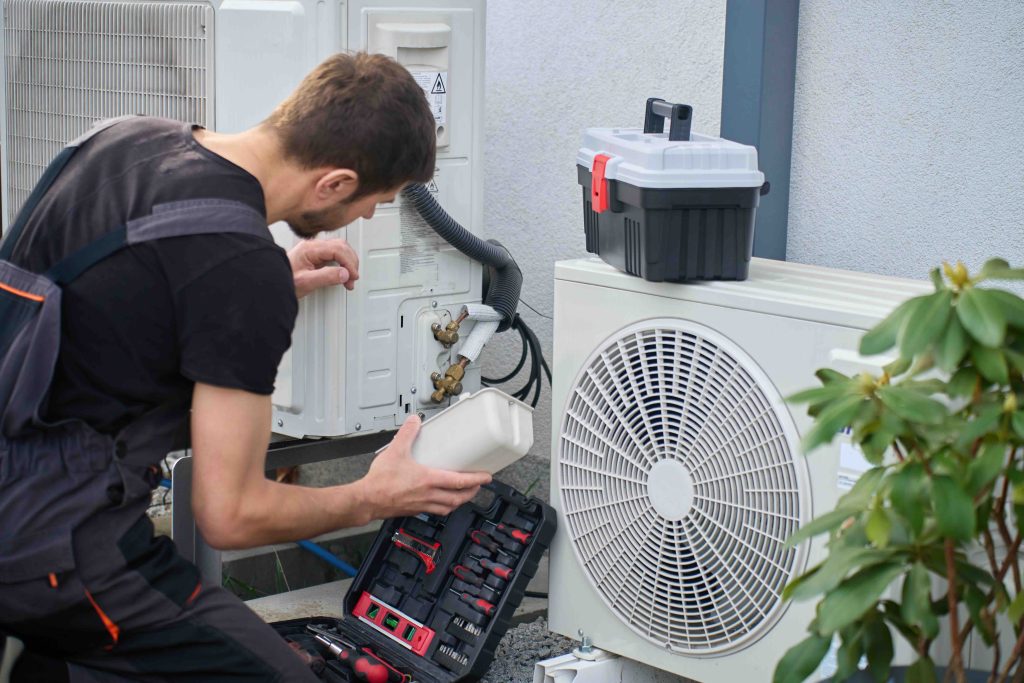
- HVAC technician: services your furnace, heat pump, or boiler and inspects ductwork for leaks or inefficiencies
- Chimney sweep or certified chimney professional: cleans and inspects your chimney and fireplace before first use of the season
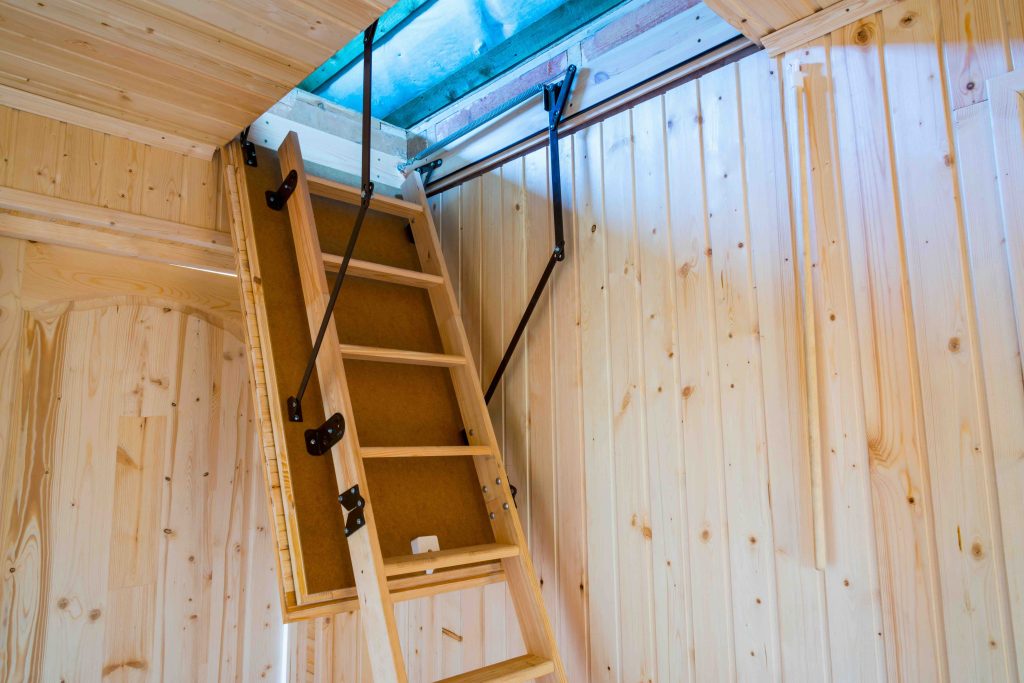
- Insulation contractor: assesses and upgrades attic, crawl space, and wall insulation where needed
- Weatherproofing or energy auditor: identifies drafts, air leaks around windows and doors, and thermal weak points
- Roofing contractor: checks for damaged shingles, flashing issues, and gutters that need clearing before ice dams form
- Irrigation or sprinkler technician: blows out and winterizes your sprinkler system to prevent cracked pipes underground
Each of these professionals serves a distinct purpose. Skipping any one of them could leave a meaningful vulnerability in your home’s cold-weather readiness.
When Should You Schedule Winterization Services?
Timing is everything with winterization. Most professionals recommend starting the process in early to mid-fall, before the first hard freeze hits your area. HVAC technicians in particular get booked up fast as temperatures begin to drop, so scheduling a furnace tune-up in September or October is a smart move. Plumbers who specialize in freeze protection should be contacted before overnight lows start dipping near freezing. Roof and gutter inspections are best handled on a dry day before leaves finish falling. The general rule is this: if you wait until you need it urgently, you are already too late.

The Role of Your HVAC Technician in Winter Prep
Your heating system is the centerpiece of winter comfort in your home. An HVAC technician will inspect and clean your furnace or heat pump, replace air filters, check refrigerant levels if applicable, test the thermostat, and look for any signs of wear or malfunction in the components that keep heat flowing through your home. A well-serviced heating system runs more efficiently, costs less to operate, and is far less likely to break down on the coldest night of the year. Annual servicing is not optional if you want your system to last and perform.
What a Plumber Does During Winterization
Frozen pipes are one of the most damaging and costly winter home emergencies. A licensed plumber can insulate exposed pipes in unheated areas like crawl spaces, garages, and attics, install pipe heating cables where appropriate, and help you understand which shut-off valves to use if you plan to leave your home vacant during cold stretches. If you have a vacation home or a property that will sit empty for weeks, a full drain-down service removes water from the pipes entirely, eliminating freeze risk altogether. It is straightforward work with enormous preventive value.
Energy Auditors and Weatherproofing Specialists
A certified energy auditor or weatherproofing contractor looks at your home through a very specific lens: where is conditioned air escaping, and where is cold air getting in? Using tools like blower door tests and thermal imaging cameras, these professionals can identify gaps around window frames, door thresholds, electrical outlets on exterior walls, recessed lighting fixtures, and attic hatches. Sealing these leaks with caulk, spray foam, or weatherstripping can meaningfully reduce your heating bills and improve overall comfort. This is one of the highest-return investments you can make in your home’s efficiency.
Chimney and Fireplace Safety Before Winter Use
If your home has a fireplace, wood stove, or gas insert, a certified chimney professional should inspect and clean it before you use it for the first time each season. Creosote buildup inside chimney flues is a leading cause of house fires, and blockages from bird nests or debris can force dangerous carbon monoxide back into your living space. A professional chimney sweep will clean the flue, inspect the damper and firebox, check for cracks in the flue liner, and confirm the cap and crown are intact. It is a relatively affordable service that addresses a genuinely serious hazard.
Why a Home Warranty Belongs in Your Winterization Strategy
Hiring the right professionals to winterize your home is a smart and necessary step. But even the most thorough preparation cannot prevent every system failure. Furnaces age. Water heaters wear out. Unexpected breakdowns happen regardless of how diligently you maintain your home. That is where a home warranty becomes an important part of your overall protection strategy. Armadillo home warranty plans built for modern homeowners are designed to cover the systems and appliances that matter most, so when something fails mid-winter, you are not scrambling to find a contractor or absorbing a large unexpected repair bill on your own. If you are serious about protecting your home this season, take a few minutes to get a personalized home warranty quote before winter arrives and see what kind of coverage makes sense for your situation. Winterization and a home warranty are not competing ideas. They work together to keep your home protected from every angle.

Frequently Asked Questions About Hiring Professionals to Winterize Your Home
These are the questions homeowners ask most often when thinking through the winterization process.
Who is responsible for winterizing a home?
The homeowner is ultimately responsible for winterizing their property. However, the actual work is divided among licensed professionals including plumbers, HVAC technicians, roofing contractors, chimney sweeps, and energy auditors depending on what systems need attention.
How much does it cost to professionally winterize a home?
Costs vary significantly based on the size of your home and which services you need. A furnace tune-up typically runs between $80 and $150, while a full plumbing winterization for a vacant home can range from $100 to $300. An energy audit may cost between $200 and $600. Budgeting for all services together generally falls in the $500 to $1,500 range for a complete winterization.
Can I winterize my home myself?
Some tasks, like replacing weatherstripping or adding draft stoppers to doors, are reasonable DIY projects. However, HVAC servicing, plumbing freeze protection, chimney cleaning, and insulation work are best left to licensed professionals who have the tools and training to do the job correctly and safely.
When should I start winterizing my home?
Start scheduling winterization services in early to mid-fall, ideally six to eight weeks before your region typically experiences its first hard freeze. This gives you time to book in-demand contractors like HVAC technicians before their schedules fill up.
What happens if I skip winterizing my home?
Skipping winterization increases your risk of frozen or burst pipes, heating system failures, ice dams on your roof, higher energy bills, and chimney hazards. These issues can result in repair costs that far exceed the cost of preventive winterization services.
Does a home warranty cover winterization services?
A standard home warranty does not cover routine maintenance or preventive services like pipe insulation or furnace tune-ups. However, it does cover the repair or replacement of covered systems and appliances that fail due to normal wear and tear, which makes it a valuable complement to seasonal maintenance.
Do I need a plumber to winterize my pipes?
For basic insulation of accessible pipes, a knowledgeable homeowner may manage the task. For a full drain-down service on a vacant property, or for installing pipe heating cables in hard-to-reach areas, a licensed plumber is strongly recommended to ensure the work is done correctly.
How long does it take to winterize a home?
The timeline depends on which services you are having done and the size of your property. An HVAC tune-up typically takes one to two hours. A full plumbing winterization may take two to four hours. If you are scheduling multiple contractors, spreading the work across two to three weeks in early fall is a practical approach.
Is chimney inspection required every year?
The National Fire Protection Association recommends that chimneys, fireplaces, and vents be inspected at least once per year. Annual inspections allow professionals to catch creosote buildup, blockages, or structural issues before they become safety hazards.
What is the most important winterization task for a home?
If you had to prioritize one task, heating system maintenance is the most critical. A functioning, efficient heating system is central to both comfort and safety during winter. Pipe protection comes in as a close second, particularly for homes in regions where temperatures regularly drop below freezing.