Why Spring AC Tune-Ups Matter More Than You Think
Every spring, homeowners tackle the same checklist: clean the gutters, check the roof, maybe powerwash the driveway. But one item that quietly sits at the top of that list and rarely gets the attention it deserves is the air conditioning tune-up. Before the first real heat wave rolls in and your system has to work overtime, a spring AC tune-up gives your cooling equipment the best possible shot at performing reliably all summer long. This is not just routine maintenance for maintenance’s sake. It is one of the smartest, most cost-effective things you can do as a homeowner.
What Exactly Is a Spring AC Tune-Up
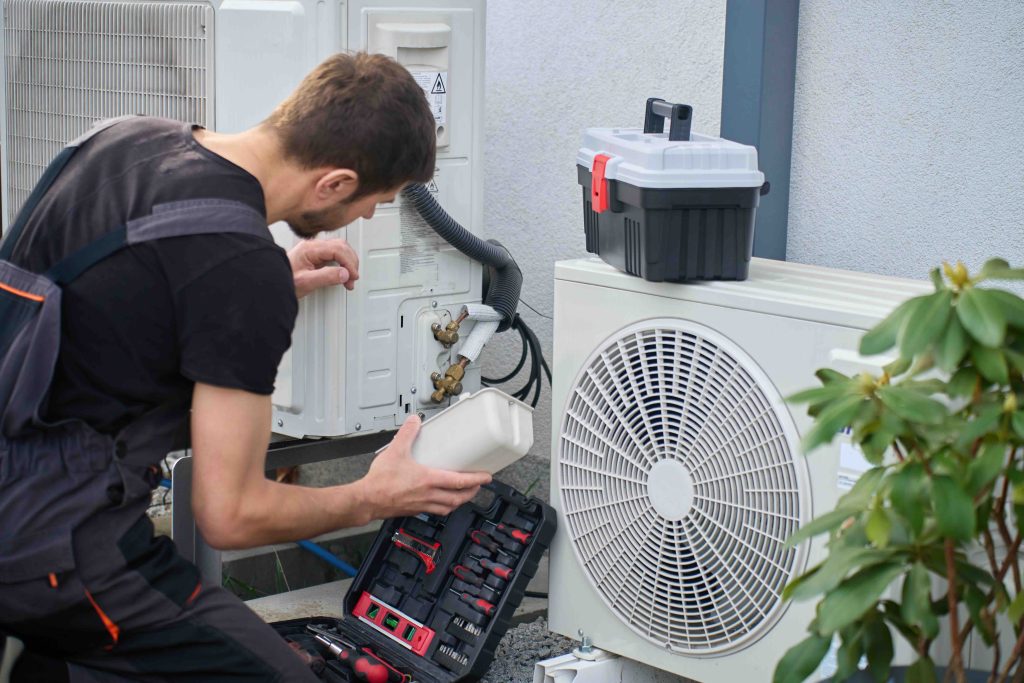
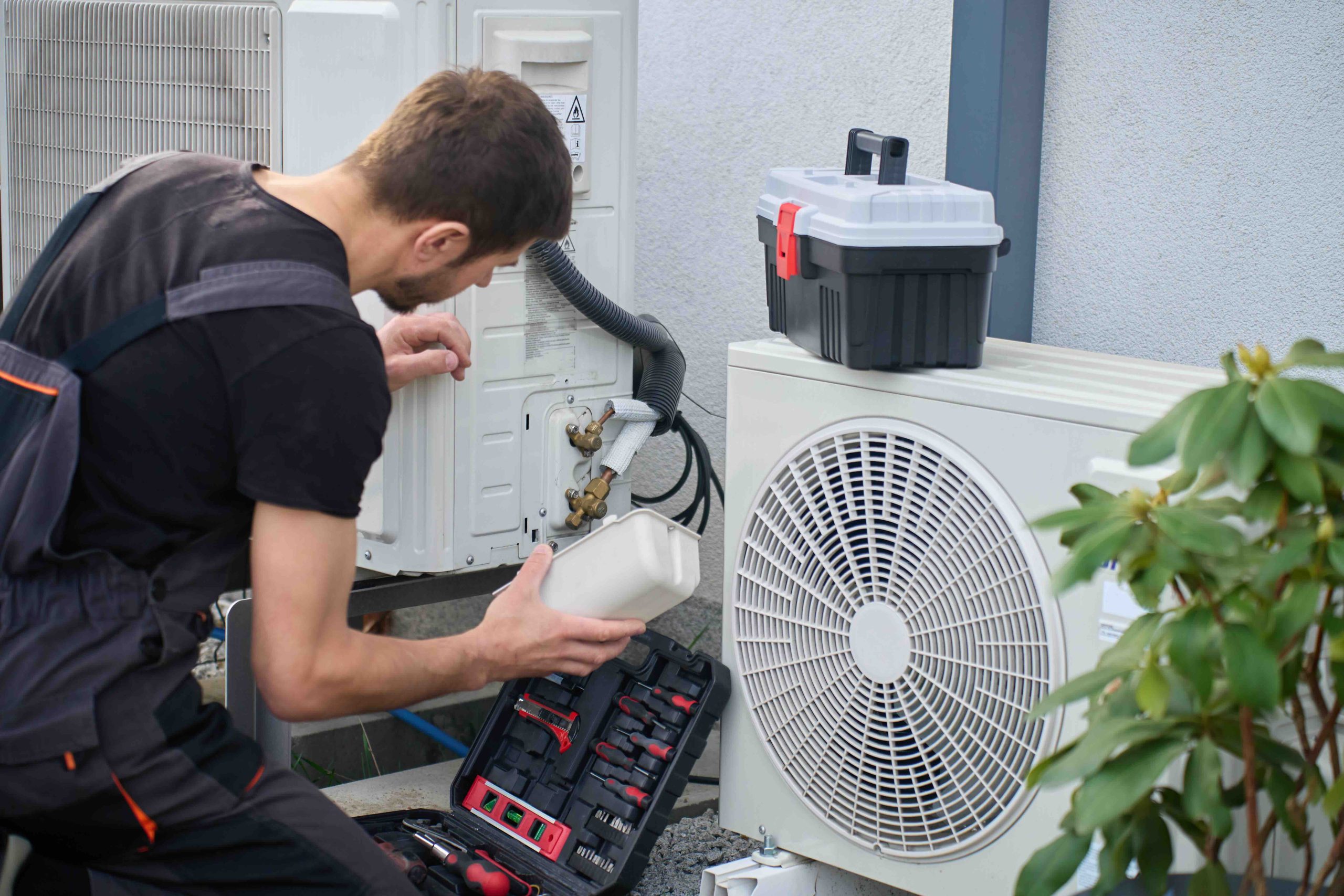
A spring AC tune-up is a scheduled inspection and maintenance service performed on your central air conditioning system before cooling season begins. Typically conducted by a licensed HVAC technician, it involves a thorough review of both your indoor and outdoor components. The technician is essentially doing a physical for your system, looking for early warning signs, cleaning what has gotten dirty over the fall and winter, and making sure everything is calibrated to run efficiently. Think of it less as a repair and more as prevention at its most practical.
What Happens During an AC Tune-Up
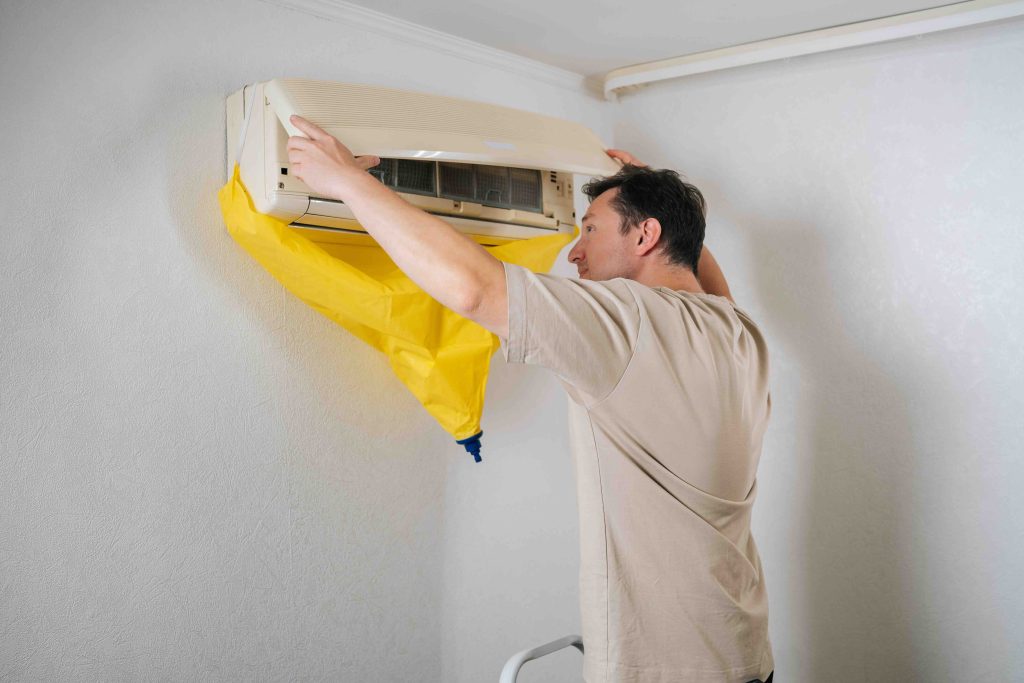
If you have never scheduled one before, it helps to know what you are actually paying for. A standard tune-up typically covers a comprehensive range of tasks designed to assess and restore your system’s performance. Here is what most certified technicians will examine and service during a visit:
- Inspect and clean the evaporator and condenser coils
- Check refrigerant levels and inspect for leaks
- Lubricate moving parts including fan motors and bearings
- Inspect and tighten all electrical connections
- Test thermostat calibration and accuracy
- Clear and flush the condensate drain line
- Check and replace the air filter if needed
- Measure airflow and inspect ductwork for obvious issues
- Test system startup, operation, and shutdown cycles
Each of these steps plays a role in the bigger picture. Dirty coils reduce efficiency. Low refrigerant leads to poor cooling and potential compressor damage. A clogged drain line can cause water damage inside the home. These are not hypothetical problems. They happen every single summer to homeowners who skipped the tune-up.
The Real Advantages of Scheduling a Tune-Up in Spring
Timing matters here. Spring is the ideal window because your system has been sitting idle through months of cold weather, and HVAC technicians are not yet slammed with emergency calls. Scheduling in April or May gets you better appointment availability, and it means your system is ready before you actually need it. Beyond timing, the advantages stack up quickly. A well-maintained air conditioner runs more efficiently, which directly impacts your monthly energy bill. Studies from the Department of Energy have shown that neglected AC systems can lose up to 5 percent of their efficiency each year without proper maintenance. A tune-up restores much of that lost performance. Your system also experiences less strain, which translates to a longer operational lifespan. Replacing a central AC unit can cost anywhere from $4,000 to $12,000 depending on the size of your home and the equipment. Extending that system’s life by even two or three years through annual maintenance is a significant financial win.

Common Drawbacks and Honest Limitations
A tune-up is not a cure-all, and being upfront about that matters. If your system is already failing or has a component nearing the end of its useful life, maintenance alone will not reverse that trajectory. A technician might also discover during the tune-up that your system needs a more significant repair, which comes with additional costs. Some homeowners are surprised by that, so it is worth setting expectations going in. Additionally, not all HVAC companies offer the same level of service. A $49 tune-up special from an unknown contractor may not include the same depth of inspection as a more thorough service from a reputable provider. Always ask what is specifically included before you book.
How Often Should You Schedule an AC Tune-Up
The industry consensus is clear on this one: once per year for cooling systems, ideally in the spring. If you have a heat pump that does double duty for both heating and cooling, a twice-yearly service schedule is recommended, once in fall and once in spring. Newer systems and older systems alike benefit from annual attention. A newer unit under warranty may even require documented maintenance to keep that warranty valid, which is something a lot of homeowners do not realize until it is too late.
DIY vs. Professional AC Maintenance: Know the Difference
There are maintenance tasks that homeowners can and should handle themselves throughout the year. Changing the air filter every one to three months, keeping the area around the outdoor condenser unit clear of debris, and making sure supply and return vents inside the home are not blocked are all within the DIY wheelhouse. But the technical components of a tune-up require specialized equipment and training. Checking refrigerant levels, for instance, legally requires EPA certification. Testing electrical components without the right knowledge is a safety risk. Knowing where your role ends and the professional’s begins is part of being a responsible homeowner, not a limitation.
Signs Your AC Needs More Than a Tune-Up
Sometimes the system is telling you something before the technician even arrives. Pay attention to these signals, because they can indicate a repair need that goes beyond routine maintenance:
- Warm air blowing from vents when cooling mode is active
- Unusual sounds such as grinding, rattling, or squealing during operation
- Noticeable increase in energy bills without a change in usage habits
- Frequent short cycling where the system turns on and off rapidly
- Visible ice buildup on the indoor or outdoor unit
- Persistent humidity issues indoors even when the system is running
If any of these are present, bring them up immediately when your technician arrives. Do not wait to see if things improve on their own.
What a Spring Tune-Up Typically Costs
A standard AC tune-up from a reputable HVAC company generally runs between $75 and $200 depending on your region, the size of your system, and what is included in the service package. Some companies offer maintenance plan subscriptions that include annual tune-ups plus priority service and discounts on repairs. If you use your AC heavily for six or more months out of the year, that kind of membership can absolutely pay for itself. Factor in the cost of a single avoided service call or premature repair, and the math becomes even clearer. Preventive maintenance is almost always the less expensive path.
Why Armadillo Belongs in Your Spring Home Maintenance Plan
Here is where things connect in a way that genuinely matters to homeowners. A spring tune-up gets your AC ready for the season, but it does not eliminate the risk that something breaks down later. Systems fail. Components wear out. Even a well-maintained air conditioner can experience an unexpected compressor failure or electrical issue mid-July, and those repairs are expensive. That is where a home warranty from Armadillo, a trusted home warranty provider for cooling systems and major home appliances, fills the gap that maintenance alone cannot cover. Armadillo’s plans are built for real homeowners who want protection that is straightforward and actually usable. If your AC system breaks down after a tune-up ruled out neglect as the cause, you have coverage that steps in to handle the financial burden of repair or replacement. You can take the first step toward protecting your home this cooling season by visiting Armadillo to get a free home warranty quote for air conditioning coverage before summer arrives. Pairing proactive maintenance with solid warranty protection is not redundant. It is exactly how smart homeowners manage the unpredictability of home systems.

Frequently Asked Questions About Spring AC Tune-Ups
Here are answers to the questions homeowners ask most often when it comes to spring air conditioning maintenance and what to expect from the process.
What is the best time of year to schedule an AC tune-up?
Spring is the ideal time, specifically between March and May, before peak cooling season begins. Scheduling early gives you better access to technician availability and ensures your system is ready before temperatures rise significantly.
How long does a typical AC tune-up take?
Most professional AC tune-ups take between one and two hours depending on the size of the system, the age of the equipment, and whether any issues are found during the inspection. If repairs are needed, additional time may be required.
Can a tune-up actually lower my energy bills?
Yes. A properly maintained air conditioning system runs more efficiently, which reduces energy consumption. Cleaning coils, checking refrigerant levels, and ensuring proper airflow all contribute to lower operating costs over the course of the cooling season.
Is a spring AC tune-up required to keep my warranty valid?
Many manufacturer warranties require documented annual maintenance to remain valid. Skipping tune-ups can void coverage, so it is important to keep service records and confirm your specific warranty terms with the manufacturer or installer.
What happens if the technician finds a problem during the tune-up?
The technician will typically explain the issue, provide a written assessment, and offer repair options. Some issues are minor and inexpensive to fix. Others may indicate a larger repair need. You are not obligated to complete additional work at that appointment, but addressing problems early is generally less costly than waiting.
How do I know if a tune-up was done thoroughly?
A reputable technician should provide a written checklist or service report detailing every item inspected, tested, and serviced. If you do not receive documentation, ask for it. Transparency is a baseline expectation of any professional HVAC service visit.
Does a home warranty cover AC breakdowns after a tune-up?
Yes, a home warranty typically covers mechanical failures due to normal wear and tear, which can occur even after a properly maintained system receives a tune-up. Coverage specifics vary by provider and plan, so reviewing your contract terms is always recommended.
What is the difference between an AC tune-up and an AC repair?
A tune-up is preventive maintenance performed when the system is operational. A repair is corrective work done when a component has failed or malfunctioned. Tune-ups often reveal the need for minor repairs, but the services themselves serve different purposes.
Should I replace my AC filter before or after a tune-up?
It is generally fine to let the technician handle the filter as part of the tune-up visit. However, if your filter is visibly clogged before the appointment, replacing it beforehand helps the technician get a more accurate read on airflow and system performance.
How many years can regular tune-ups add to an AC system’s lifespan?
Consistent annual maintenance can extend a central air conditioning system’s lifespan by three to five years or more. The average lifespan of a well-maintained system is 15 to 20 years, compared to 10 to 12 years for a neglected one.